Nature photography know-how, trip perparation, and conversations with experts
-
 • 1/7/26
Macro Photography Lighting Explained | Flash, Diffusers and Backlight
Lighting is one of the most important choices in macro photography. In this video, I explore how different lighting setups affect the way your subject looks — from a simple on-camera shot with no external light, to flash without diffusion, to using diffusers, LED video lights, and even a backlit torch. Each method changes how details, textures, and colors appear, and knowing the differences helps you decide what to carry into the field. I’ll walk through each option step by step, showing how direct flash can create harsh highlights, how diffusers soften reflections, how constant light makes it easier to shoot moving subjects, and why backlighting can bring out fine details like hairs and textures. None of these are the "right" or "wrong" way — they’re just different tools that you can choose based on your subject and the situation you’re in. Whether you’re photographing fungi, insects, reptiles, or any other macro subject, understanding light and diffusion will help you get more consistent results in the field. The fungi shown in this video was placed back in the woods exactly the way it was found.
-
 • 1/7/26
A Beginner's Guide to Camping and Self-Drive Safari in Botswana
I spent close to a month in Botswana in one of the most amazing wildlife experiences of my life. I was also camping for the first time, and as prepared as I was, I felt I could have done better on the preparation. So here’s a video with all my learnings as a first time camper, to help you plan your camping trip better. Essential Vehicle Setup and Equipment The Toyota Hilux 2A Camper is an ideal choice for two people sharing a camper. The vehicle comes equipped with a 160-liter main fuel tank plus two 20-liter jerry cans, providing a total fuel capacity of 200 liters for extended remote travel. Bushlore, a specialized car rental company in Maun, offers the most comprehensive camping setups with vehicles specifically designed for African conditions. The complete camping system includes a rooftop tent that sets up quickly without dust covers, a 40-liter fridge/freezer running on a separate battery system, and a 60-liter water tank with external tap for washing. The tent is particularly user-friendly as it is really easy to set up and pull down. Kitchen and Storage The vehicle has a functional mobile kitchen with designated storage for cutlery, plates, cooking utensils, and provisions. The kitchen setup includes gas cylinders that typically last 15 days without refilling, frying pans, and various cooking utensils. Smart packing involves organizing frequently used items like coffee in easily accessible areas while storing dry goods in the large rear storage compartment. Driving Conditions Botswana has three road types requiring different tire pressures: paved roads (3 bar), gravel roads (2 bar), and soft sand roads (1.8 bar). Inside national parks, virtually all roads are soft sand, requiring constant pressure adjustments throughout your journey. Every time we drive into a different type of road, we need to stop and correct the air pressure. Driving in loose sand is tricky, and requires three critical elements: lowered tire pressure, momentum maintenance and driving early in the morning, when the sand is still hard from overnight moisture. During hotter parts of the day, the sand becomes loose and it's easier to get stuck. Navigation Based on our experience, Maps.me proves most reliable for navigation, especially when downloaded offline before departure. In contrast, Tracks4Africa, despite being highly recommended, proved problematic and cost us time and an entire session of photography at Kubu. Speed Limits and Checkpoints Highway speed limits are clearly marked: 120 km/h on main highways, 60 km/h approaching towns, and 30 km/h within town limits. Multiple checkpoints throughout Botswana focus on preventing foot-and-mouth disease spread, requiring shoe and tire disinfection. These checkpoints also verify that no fresh meat is being transported into the country. Insurance and Safety Invest in comprehensive insurance coverage like CDW-1 packages that car rental companies provide. We got the CDW-1 package from Bushlore after a bit of analysis and cost benefit and it came in handy because I bumped our car into a tree bark while driving on this road. Botswana's challenging driving conditions make vehicle damage likely. Unexpected traffic Botswana's roads present unique challenges with animal encounters. Apart from the usual livestock, we also saw ostriches on the road, and elephants by the road. Slow down when you see donkeys on the road, they do not give way.
-
 • 1/7/26
Paying for Wildlife Travel: What Are We Really Getting?
Wildlife travel is expensive — but what exactly are we paying for? And why does the experience feel so different in India compared to places like Kruger or Yellowstone? In this episode of F-stopping by the woods, Sumit and I break down the real costs of wildlife photography and travel, comparing Indian tiger reserves with national parks in Africa and the US. We talk about the structure of wildlife tourism in India, how rules shape the experience, why gatekeeping mindsets exist, and what all this means for travellers and photographers. This is not a rant. It’s an honest conversation between two wildlife photographers who grew up travelling in India and now explore destinations abroad. If you’ve ever wondered whether a safari in India gives you the same value as a trip to Africa, or why rules here feel different, this episode will give you a lot to think about.
🟤 TL;DR — What we discuss • The true cost breakdown of wildlife travel — permits, stays, gear fees, and more. • Why Indian safaris cost almost as much as African safaris, and what they offer for the costs. • How rules and gatekeeping shape the travel experience in Indian parks vs the service mindset abroad. • Historical roots of how tourism evolved in India — from colonial forestry to modern-day wildlife tourism. • Examples from Kruger, Yellowstone, Botswana, and Indian tiger reserves to show how structure affects experience. • How photographers can rethink their approach — including looking beyond just tiger safaris. • Why non-safari wildlife experiences in India can sometimes offer richer opportunities for photographers. • How rules around access, phones, camera fees, and zoning impact wildlife photography and travel planning.
-

-
 • 1/7/26
Spiti Winter Wildlife Expedition | Sumeet Gayathri Moghe | F-Stopping by the woods podcast
In this episode of F-Stopping by the Woods, wildlife photographer Sumeet Gayathri Moghe and I discuss our upcoming Spiti winter wildlife expedition. This was recorded before our expedition and has footage from the trip. This conversation offers a candid look at the meticulous planning, gear dilemmas, and the raw anticipation behind photographing one of the Himalayas’ most elusive creatures: the snow leopard. Episode Overview
Logistics & Challenges: Navigating -20°C temperatures, high-altitude acclimatization (4,000+ meters), and the role of local spotters in tracking snow leopards.
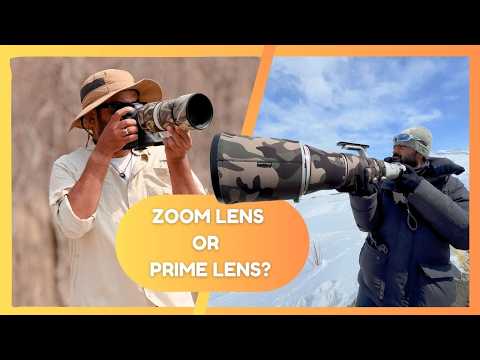
Gear Deep Dive: From Canon R5 Mark II cameras and 200–800mm lenses to frostproof gloves and thermal layers, we speak about how we optimized equipment and accessories for extremely cold weathers and long subject distances
Wildlife Goals: Beyond snow leopards, our hopes of red foxes, golden eagles, and the rare bearded vulture.
Local economy and Conservation: The balance between ecotourism, local livelihoods, and minimizing human impact in fragile ecosystems.
-
 • 1/7/26
Wildlife Photography from a Hide | Zhayynn James | F-Stopping by the Woods Podcast
Step into the fascinating world of hide wildlife photography with Zhayynn James on this episode of F-Stopping by the Woods. Zhayynn, a landscape architect by profession and nature photographer by passion, brings together his expertise in design and his love for wildlife to create some of India’s most innovative and effective wildlife photography hides. From his own backyard in Chennai to leading resorts across the country, Zhayynn has redefined how photographers can experience and document wildlife. In our conversation, Zhayynn shares the story of how his journey with hides began: inspired by the rich birdlife around Chennai, he set out to design a hide that would allow for intimate, zero-interference wildlife photography. What started as a personal experiment quickly evolved into a “laboratory” for refining hide design, from the placement of reflection pools to the ergonomics of the photographer’s seat. This unique synergy of landscape architecture and photography has since led Zhayynn to design hides for leading eco-resorts, always with the goal of creating spaces that are both functional and immersive . In this episode, Zhayynn dives into the philosophy and practicalities of hide photography. He explains that a well-designed hide is more than just a screen between photographer and subject-it’s an environment optimized for comfort, silence, and photographic opportunity. He discusses the importance of ergonomic design, soundproof interiors, and the careful consideration of light-whether positioning a hide for the golden hours of morning and evening or incorporating artificial lighting for nocturnal species. For those curious about building their own hides, even in small urban spaces, Zhayynn offers practical advice: with a bit of creativity, a balcony or backyard can be transformed into a mini-hide, attracting everything from sunbirds to parakeets. The key, he emphasizes, is patience and respect for wildlife-hides are not a guarantee of sightings, but an invitation to observe natural behavior at its most candid and undisturbed. Zhayynn also shares stories behind some of his favorite images, including the iconic shot of five white-fronted munias reflected in still water, and the surprise appearance of a rat snake at his Chennai hide. He recounts the collaborative process of designing hides for others, such as the Kipling Hide at Pench Tree Lodge, where guests have the chance to photograph everything from jackals and owls to jungle cats and, on rare occasions, even big cats via camera traps. We also explore the global world of hide photography, from state-of-the-art hides in Africa and Europe to the innovative work of pioneers like Bence Máté. If you’re passionate about wildlife photography, interested in building your own hide, or simply curious about the magic that unfolds when you blend design and nature, this episode is for you. Like, comment, and subscribe for more in-depth conversations on nature photography and the art of seeing the wild, up close and undisturbed.
-
 • 1/7/26
Botswana Safari Guide - Self-Driving Through Kubu Islands, Nxai Pan, Chobe and Khwai
n this video, Sumeet and I share our guide to a self-Drive safari in Botswana including itinerary, tips, and costs, and the destinations we're covering, such as Kubu Islands, Nxai Pan, Chobe and Khwai. Whether you're an experienced traveler or planning your first trip, this guide will help all of us navigate the diverse landscapes and vibrant ecosystems of Botswana. Why Botswana for Our Self-Drive Safari? Botswana is a dream destination for wildlife enthusiasts, known for its incredible biodiversity and varied landscapes. From the expansive Okavango Delta to the arid Kalahari Desert, this country offers a range of habitats and experiences. For those of us who love wildlife photography, Botswana's self-drive options provide the freedom to explore at our own pace and on our terms. We've rented our self-drive car from https://bushlore.com/
-
 • 1/7/26
10 Tips for Winter Wildlife Photography in the Himalayas | F-Stopping by the Woods Podcast
In this episode of F-stopping by the Woods, I’m recording from Kibber village, halfway through our snow leopard expedition with my friend and fellow photographer, Sumeet Gayathri Moghe. Even after all our planning, the Himalayas threw us some real curveballs-so I wanted to share the 10 most important lessons I’ve learned about winter wildlife photography in sub-zero conditions. These are the things I wish someone had told me before I came here: from why one good fleece beats three average ones, to how I learned the hard way about the need for gaiters, and why Category 4 glares are absolutely essential. We also talk about prepping for altitude, the right camera gear, and how to redefine what a ‘good day’ means when sightings are rare and distances are vast. If you’re planning a trip like this, or just curious about what it’s really like, these tips will save you a lot of discomfort and help you get the most out of your Himalayan adventure.
-
 • 1/7/26
The Art of Wildlife Camera Trapping | Yashpal Rathore | F-Stopping by the Woods
Whether you’re an aspiring wildlife photographer or a wildlife enthusiast, this conversation is packed with insights, practical wisdom, and inspiration. Introduction Yashpal's story is one of transformation—from weekend trips to the jungle with a single lens, to becoming one of India’s most respected camera trappers and photographers. His journey is a about passion, patience, and the power of community in shaping a career in wildlife photography. Early Days Yashpal’s initial forays into the wild were spontaneous, with friends and simple gear, for the pure joy of exploration. Weekend trips to places like Kabini, Bandhavgarh, and Ranthambore, often with a single telephoto lens, were about soaking in the wilderness and cherishing every sighting—especially those rare glimpses of leopards and tigers. The supportive community in Bangalore, through forums like India Nature Watch and Creative Nature Photography, played a crucial role in nurturing his interest and skills. Camera Trapping: The Game Changer Camera trapping allowed Yashpal to slow down, plan meticulously, and capture rare behaviors. Unlike reactive handheld photography, camera trapping requires patience, research, and creativity. He built his own traps, developed custom sensors, and adapted equipment to withstand field challenges.
-
 • 1/7/26
Nature and the Self: Reflections with Manish Vaidya | F-Stopping by the Woods | Wildlife Photography
Welcome to another episode of F-Stopping by the Woods. This week, I chatted with my long-time friend and acclaimed nature photographer Manish Vaidya for a heartfelt conversation about authenticity, artistic evolution, and finding meaning behind the lens. Are we chasing validation, or are we connecting with the world around us? Manish Vaidya’s perspective is rare in a field often fixated on charismatic wildlife and awe-inspiring spectacles. While most nature photographers seek the thrill of rare sightings, Manish has built a unique visual language—distilling the subtle magic of everyday scenes, from fallen flowers in Corbett’s sal forests to the stark minimalism of Thar's dunes, and juxtaposing the wild with the rhythm of urban Mumbai. From Rainforests to Cityscapes: Discover how Manish’s journey evolved from classic wildlife safaris to exploring his immediate urban surroundings, using the camera to bridge nature and everyday life—especially during the isolation of the COVID-19 pandemic. Minimalism & Monochrome: Learn why Manish gravitates toward monochromatic and minimalist imagery, leveraging black and white not just as a style, but as a tool to focus emotion, atmosphere, and storytelling beyond mere color. Process Over Perfection: Hear Manish’s insights on previsualization, sketching, writing, and the ever-evolving dance between failure, process, and the unexpected moments that breathe life into his work. Personal Projects & The Power of Words: Manish reveals how he is blending photography with poetry and stream-of-consciousness writing to convey deeper meanings and emotions, and shares a sneak peek into his upcoming book—a visual essay exploring the relationships between nature, urbanity, and the inner self. Advice for Emerging Photographers: “Do it because you want to be true and authentic to yourself.” Manish urges the next generation to embrace personal projects, ground themselves in their surroundings, and use photography not just as a means to an end, but as a tool for self-discovery and connection. Artistic Authenticity & The Validation Trap: Manish opens up about navigating the ever-present pressure for recognition on social media and how he’s transitioned to finding joy in personal, authentic projects rather than external applause. His advice for photographers? Constantly question if your work is true to who you are. This episode is not just about photography; it’s a meditation on art, nature, and being human in a rapidly changing world. Whether you’re a seasoned photographer, or simply someone seeking inspiration, Manish’s perspective will invite you to look for wonder in the ordinary, find meaning in your personal story, and celebrate the resilience and poetry of nature in all its forms.
-
 • 1/7/26
Botswana in Hindsight: Reflections on our African Safari | F Stopping by the Woods
In this episode, I sit down with my good friend and fellow wildlife photographer, Sumeet Gayathri Moghe, to look back on our extraordinary month-long journey through Botswana during the dry season of 2024. We relive some of our most unforgettable moments—from flying over the Okavango Delta at golden hour, tracking leopards in Khwai, and spending magical hours with meerkats and aardwolves, to sharing open camps with elephants and hippos. It’s the kind of adventure that leaves you with as many stories as photos, and plenty of lessons for anyone dreaming of their own African safari. In this conversation, we share our personal highlights, the surprises that made us stop and stare, and the challenges that tested our planning and patience. We chat about how favorite moments don’t always become favorite photos, what worked on this trip, what we’d do differently next time, and why sometimes the unexpected mishaps turn into the best memories. If you’re thinking of self-driving or overlanding in Botswana, you’ll find real talk here on picking campsites, crossing rivers, managing gear, keeping your tech working in the wild, and the essential gear and little hacks that saved the day (or nearly did). We also share our best travel advice for navigating Botswana’s pans, parks, and community concessions—plus tales of lost microphones, challenging roads, and the joys and tribulations of unfenced camps. If you enjoy honest reflections and behind-the-scenes stories from the field, this episode is for you. Share your questions or your own safari memories in the comments, and don’t forget to subscribe for more wildlife storytelling, trip planning tips, and nature photography adventures.
-
 • 1/7/26
Africa : East vs South. Which safari is for you?
In this episode of F-stopping by the woods, we talk about safaris in Africa — East vs South. The Mara and Serengeti offer predators in abundance, river crossings, and open grasslands. Southern Africa is quieter, with self-drives, waterholes, and long days that build up to a single sighting. The conversation covers: Why the Mara is often the best choice if you’re doing one safari in Africa What Amboseli, Kruger, Naipan, and other parks bring to your photography How habitats — grasslands, bush, deserts, riverine ecosystems — shape the photos you make Differences in guiding, logistics, and costs between East and Southern Africa How to plan based on where you are in your photography journey This is less about which is better, and more about what kind of experience each region offers.
-
 • 1/7/26
Witness Trees & Keeper Shots: Learnings from the Jungle | F Stopping by the Woods
This conversation made me rethink not just my approach to wildlife photography, but my sense of presence and patience in wild places. In “Witness Trees & Keeper Shots: Learnings from the Field,” I sit down with two friends and photographers—Manish and Sumeet—to unpack the one-liners, nudges, and breakthroughs that have changed how we see, shoot, and experience the natural world. This episode is about technical hacks, learning from each other and discovering that sometimes, the smallest insight makes the greatest shift—whether that comes from a photographer we admire, a quiet moment in the field, or even a totally different genre of photography. We dig into the stories behind our biggest field lessons, from bumping up our ISOs without fear, to letting habitat “messiness” show in our frames, to rethinking patience, presence, and the meaning photography holds for each of us. You’ll find practical tips, honest mistakes, and philosophical departures—all grounded in years of experience and a deep love for nature. Whether you’re a beginner, a practiced hand, or simply curious about the perspectives behind the images, this conversation is for you. Share your own learnings or “aha moments” in the comments below. Let’s keep the chain of field wisdom going!
-
 • 1/7/26
11 Nature Photography Contest Tips and Insights
I’ve been participating in nature and wildlife photography contests since 2010, and while I’ve had some success, I don’t consider myself an expert. In this video, I’ll share 11 learnings and insights from my journey that may help you, along with some key watch-outs. Wildlife and nature photography contests are highly subjective, with judges’ preferences influencing which images get selected. The process can be unpredictable, so it’s important to embrace that subjectivity and not take results personally.
-
 • 1/7/26
Best Camera Settings for Safari : Set and Forget Set-Up
In this video I’ll share my camera settings for safari - a set-up that am on to make sure I am prepared for any situation. This guide will help you set up your camera to capture images with minimal effort. I’ll walk you through two main scenarios: capturing beautiful portraits of animals with minimal movement and photographing fast-paced action. I use the aperture priority mode to ensure the widest aperture and optimal shutter speed for sharp and clear portraits. We’ll also cover how to adjust settings for action shots, like birds in flight or animals moving quickly, by setting a faster shutter speed to freeze the motion, also in aperture priority. One of the key features I’ll show you is how to set up custom modes on your camera. This allows you to have preset settings ready at the push of a button, so you can quickly switch between configurations for different shooting conditions. This “set and forget” approach ensures you’re always ready to capture the moment, even when the action is unpredictable. I also discuss other important settings like autofocus modes, white balance, and metering, which are crucial for getting great shots in different environments. By the end of this video, you’ll have a simple, effective camera setup for your safari that lets you focus on the experience rather than fiddling with controls.
-
 • 1/7/26
Essential Tips for Your Next Wildlife Photography Trip
Not only are wildlife trips fun to plan, but better preparation can also help manage the unpredictability of wildlife a little better, increasing our chances of getting the sightings or photos we want. In this video, Sumeet Moghe, an experienced wildlife photographer and an expert wildlife photography trip planner, breaks down the nuances of planning a wildlife trip well. We break down wildlife trips by the complexity of planning involved, and speak about how to go about each category of trip, be it a small trip near your home that one may do very frequently, or a trip to a far away destination that may happen only once or twice. Sumeet and I share examples and analogies to illustrate different levels of planning. We compare local or short weekend trips (snack trips), trips within your country (home-cooked meal trips), and international or high-stakes trips (Michelin star trips). Each type of trip comes with its own set of challenges and requires varying levels of preparation. We discuss the essential questions to ask yourself and your guide when planning a trip. Understanding your primary goals and expectations, identifying the species or behaviours you want to photograph, and knowing how common these species are at your destination helps streamline your planning process. We also speak about important questions to have answered before heading out, be it with your fellow travellers, or with your guide to have a common set of expectations.
-
 • 1/7/26
5 Essential Nature Photography Accessories
In this video, I speak of five essential wildlife photography accessories that I cannot do without. These are not lenses or camera bags, but tools that make a big difference. We'll talk about: Beanbag: How to use a molar beanbag for stabilizing your camera on a car window or getting low-angle, eye-level shots of animals on the ground. Arm Guards: Using arm guards to protect your elbows during long hours on the ground. Monopod: How a monopod can help capture low perspectives during safaris or get a unique perspective by taking a camera closer to animals Battery Grip: The benefits of a battery grip, including extended battery life and easier vertical shooting. Photography Jacket: The importance of a photography jacket for keeping all your accessories and spares within reach.
-