SHADES OF KENYA
Amboseli
I was eight when I watched The Lion King.
It was, by far, the most happening day in an eight-year-old life. I laughed, sang and cried with Simba. I hadn’t seen anything like The Circle of Life, which was all about Africa’s wilderness. Plains, grasslands, rivers, and forests.
And its wildlife.
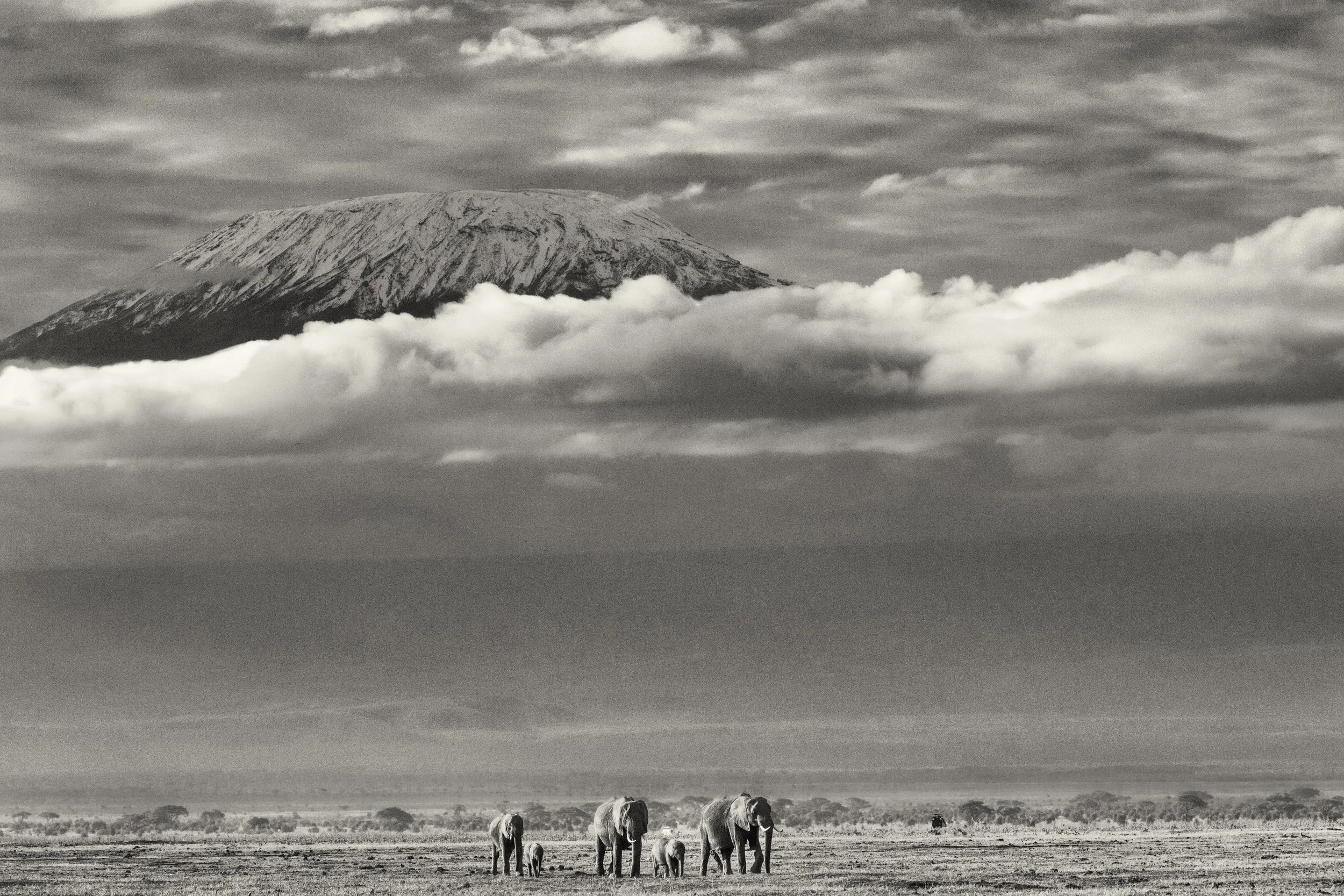
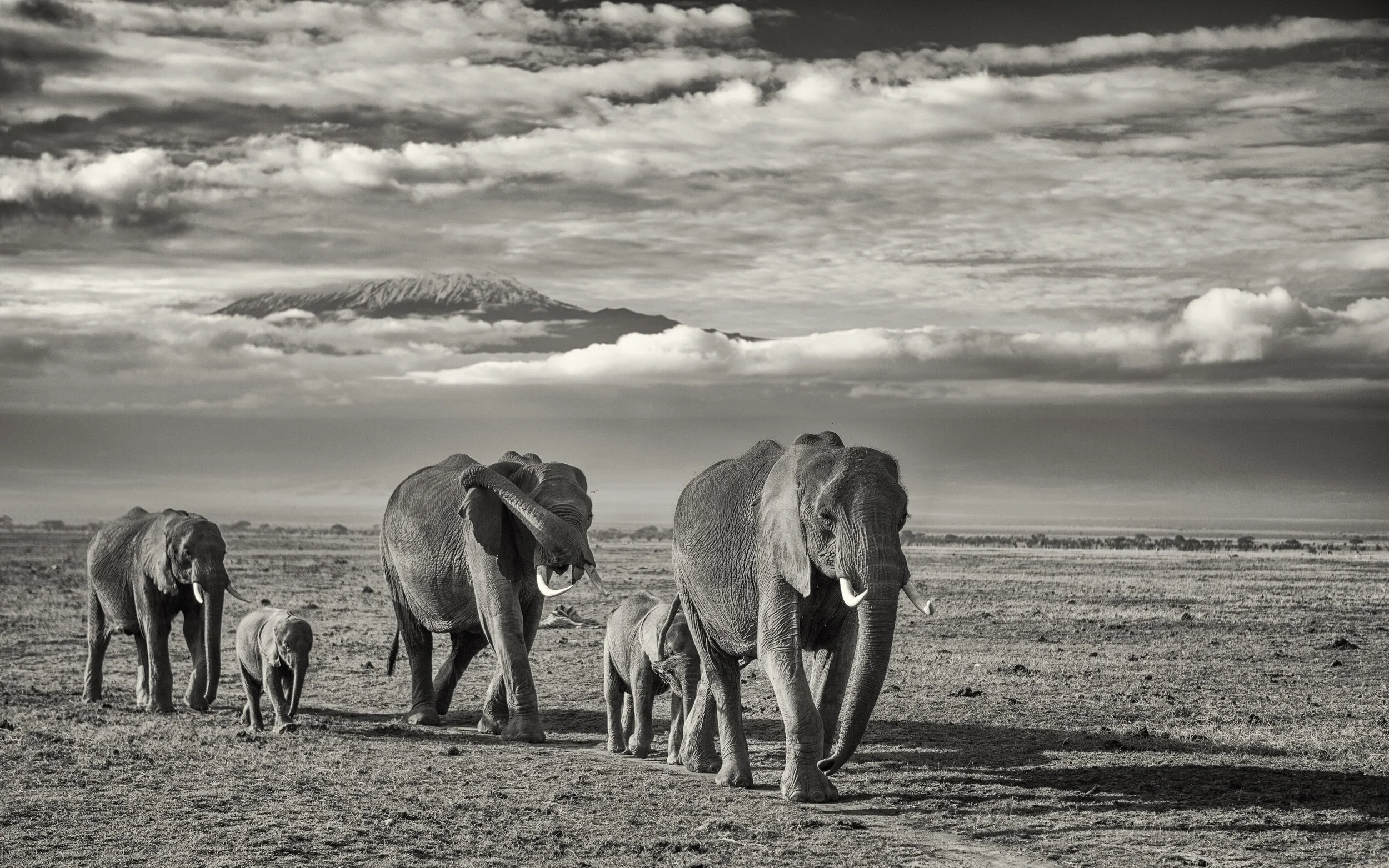
One image stayed with me on the way back home—a snow-capped mountain, with elephants marching at its base. Was this place even real?
Since then, “Africa” became, in my mind, a place where wildlife could be seen in the hundreds, wherever one looked. I wasn’t sure if it was a country, a city, or a zoo. I don’t think I knew what a continent was.
But I knew Africa. I wanted to go there. To the rocky outcrop where Simba’s pride lived. To the elephant graveyard. To the dry riverbed the wildebeest crossed.
But most of all, to that mountain.
So the next day, I went. I don’t think I’ve returned from that trip.
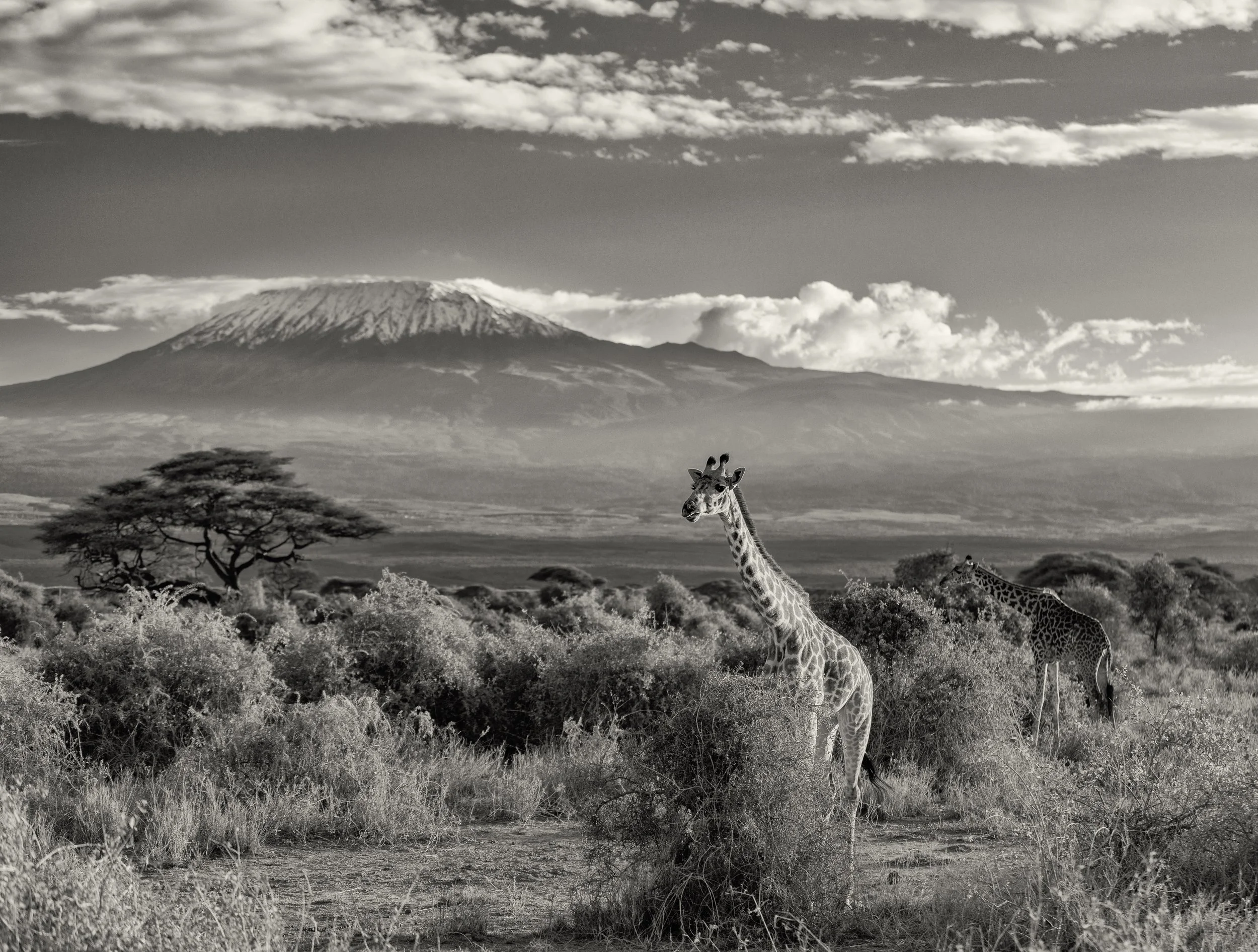
In another world, the one where we have to consider visas, flights, exchange rates, and leave-balances before we travel, I made it there for my fortieth birthday. I met my eight-year-old self there. By then, I had learnt that the mountain was Kilimanjaro, in Tanzania, seen from Amboseli in Kenya.
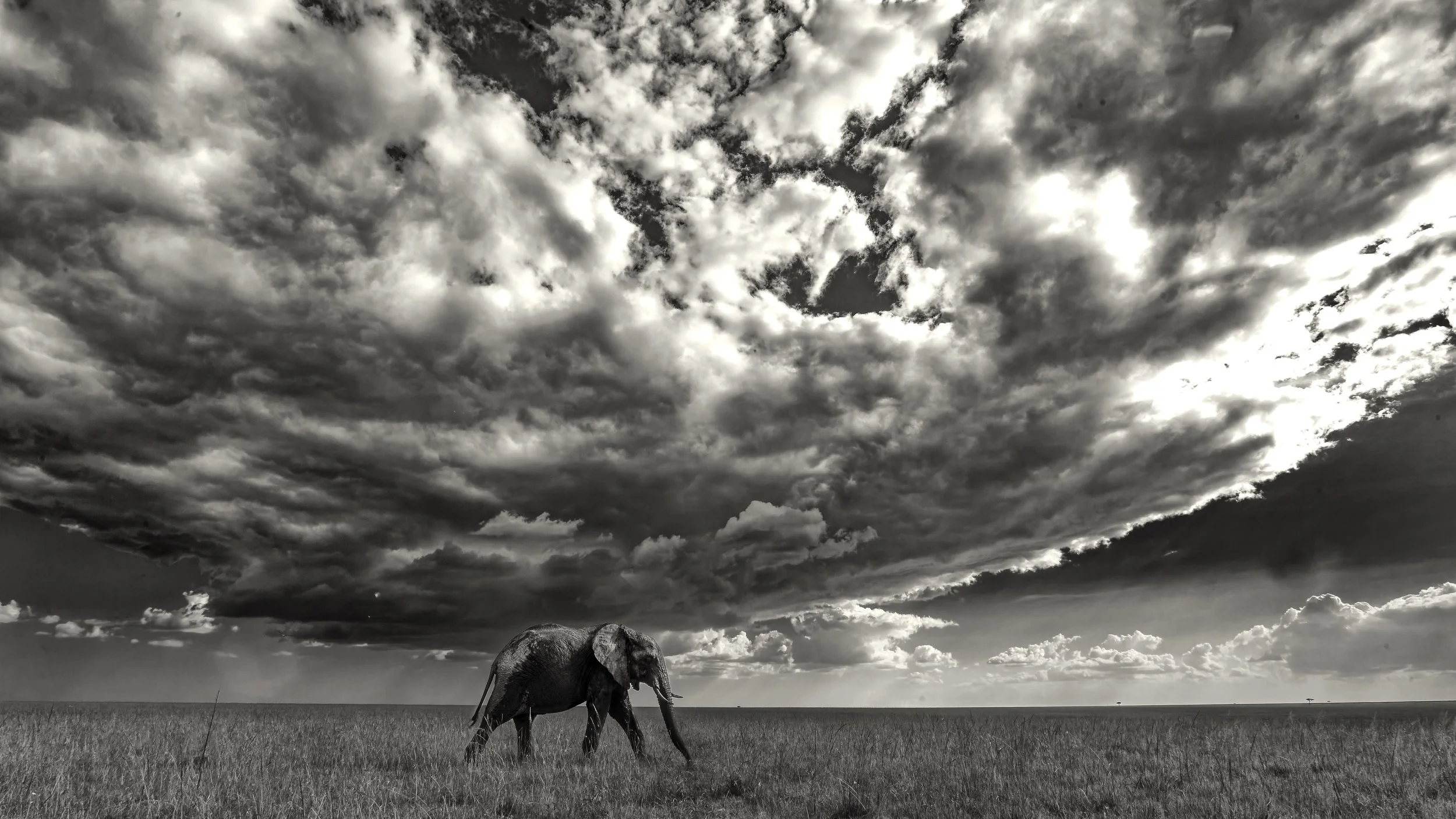
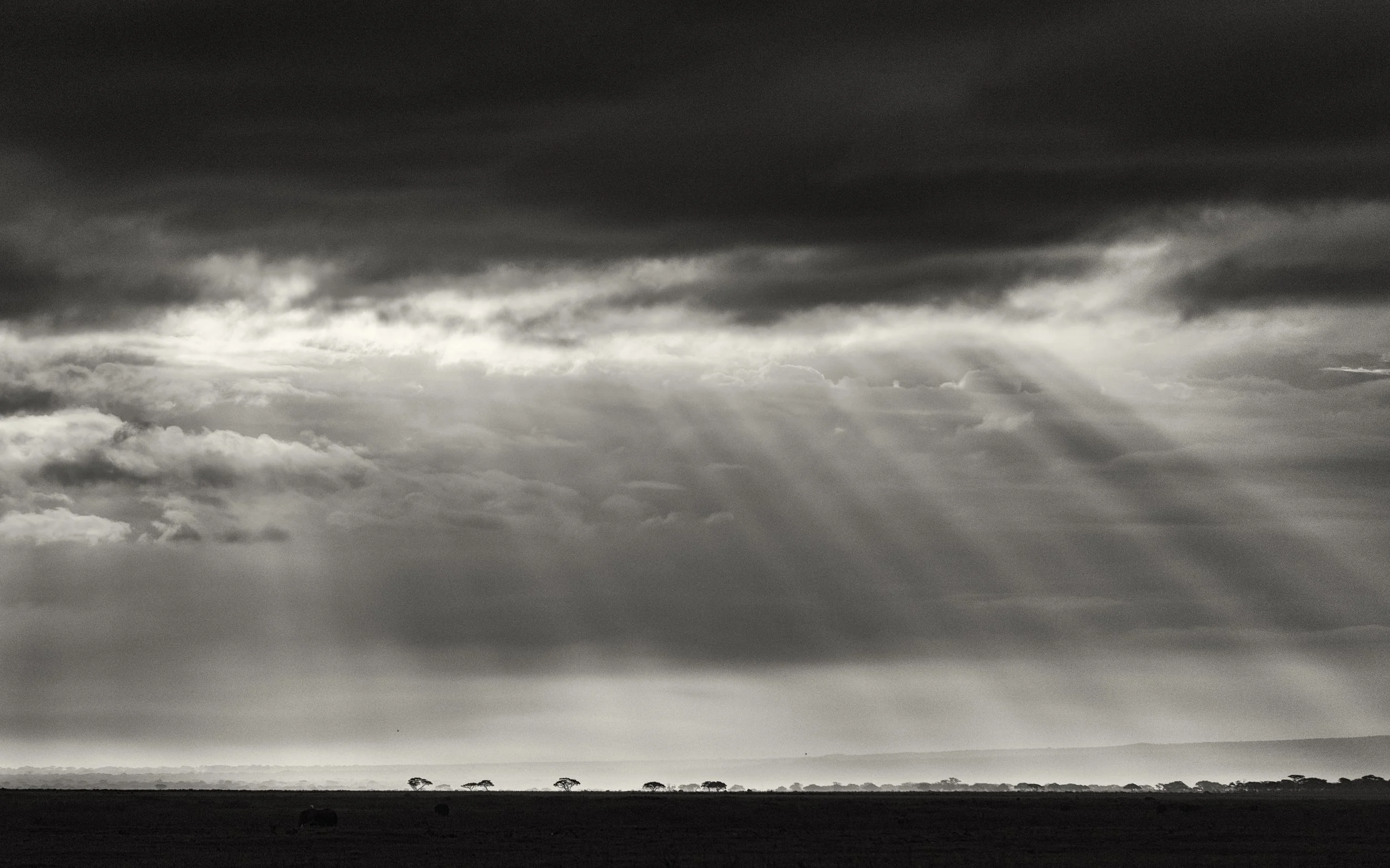
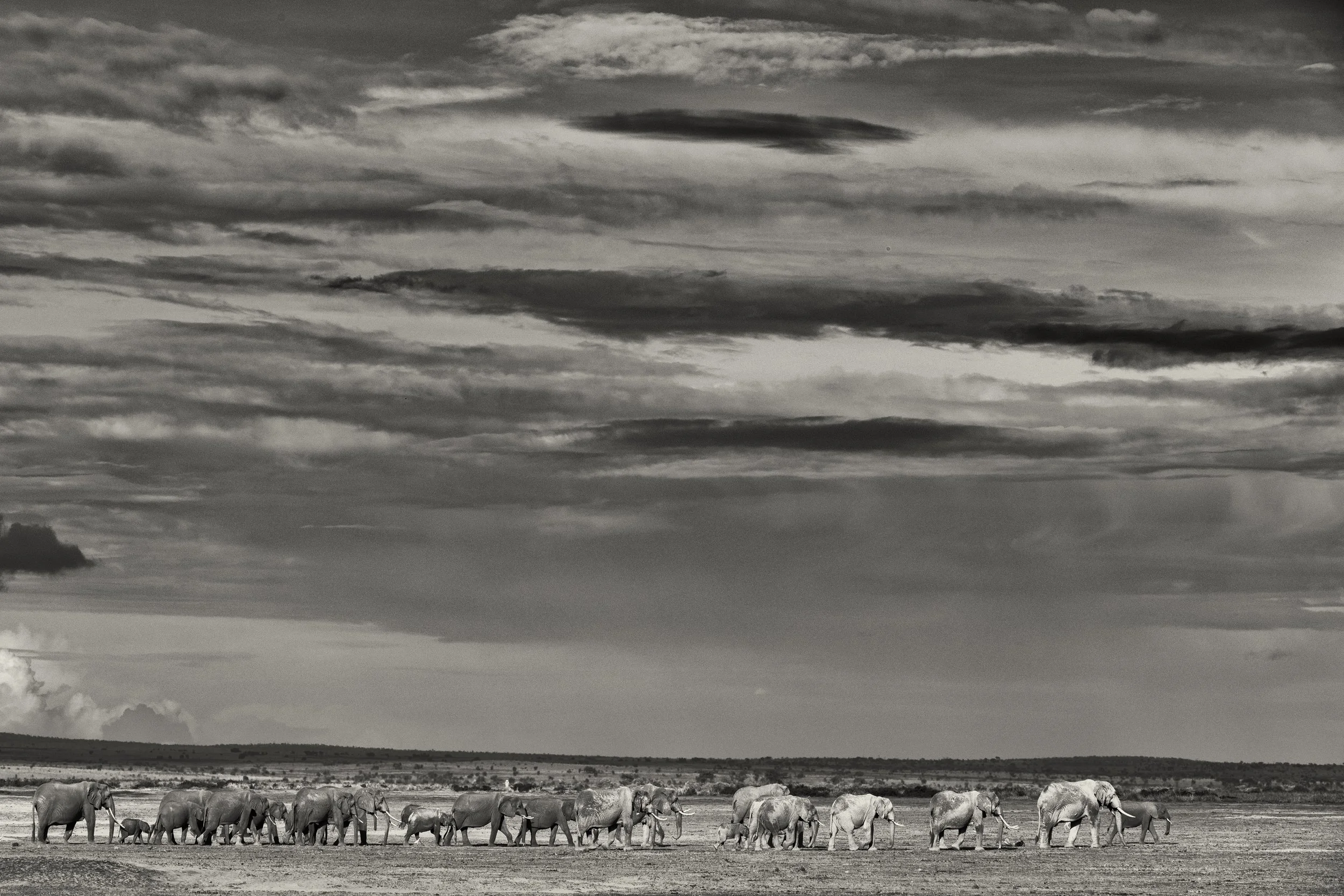
Amboseli is a dry grassland with swamps that draw water from the mountain’s melting ice, holding life through most of the year, where I was lucky enough to see elephant herds march below a snow-capped mountain.
Craig
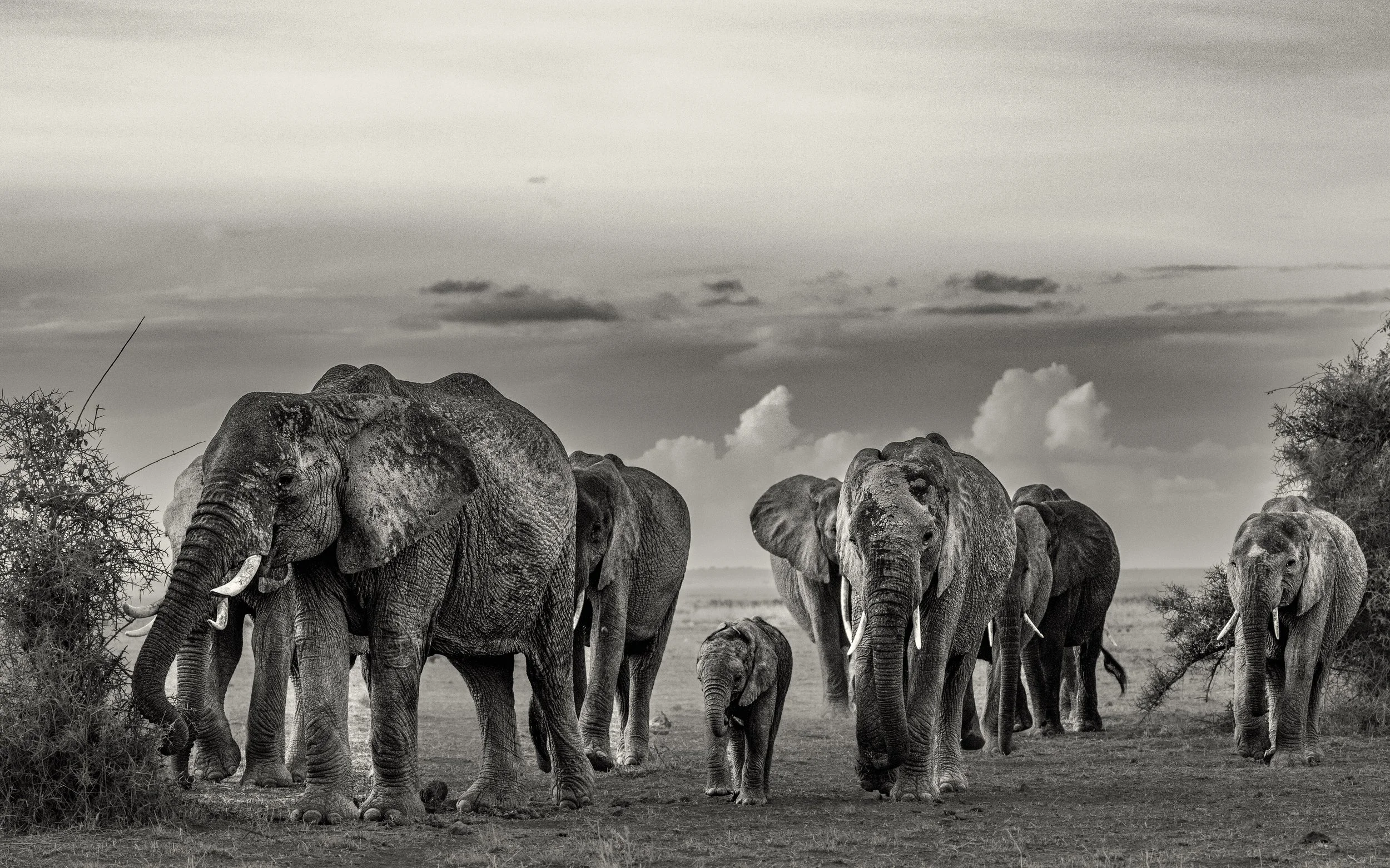
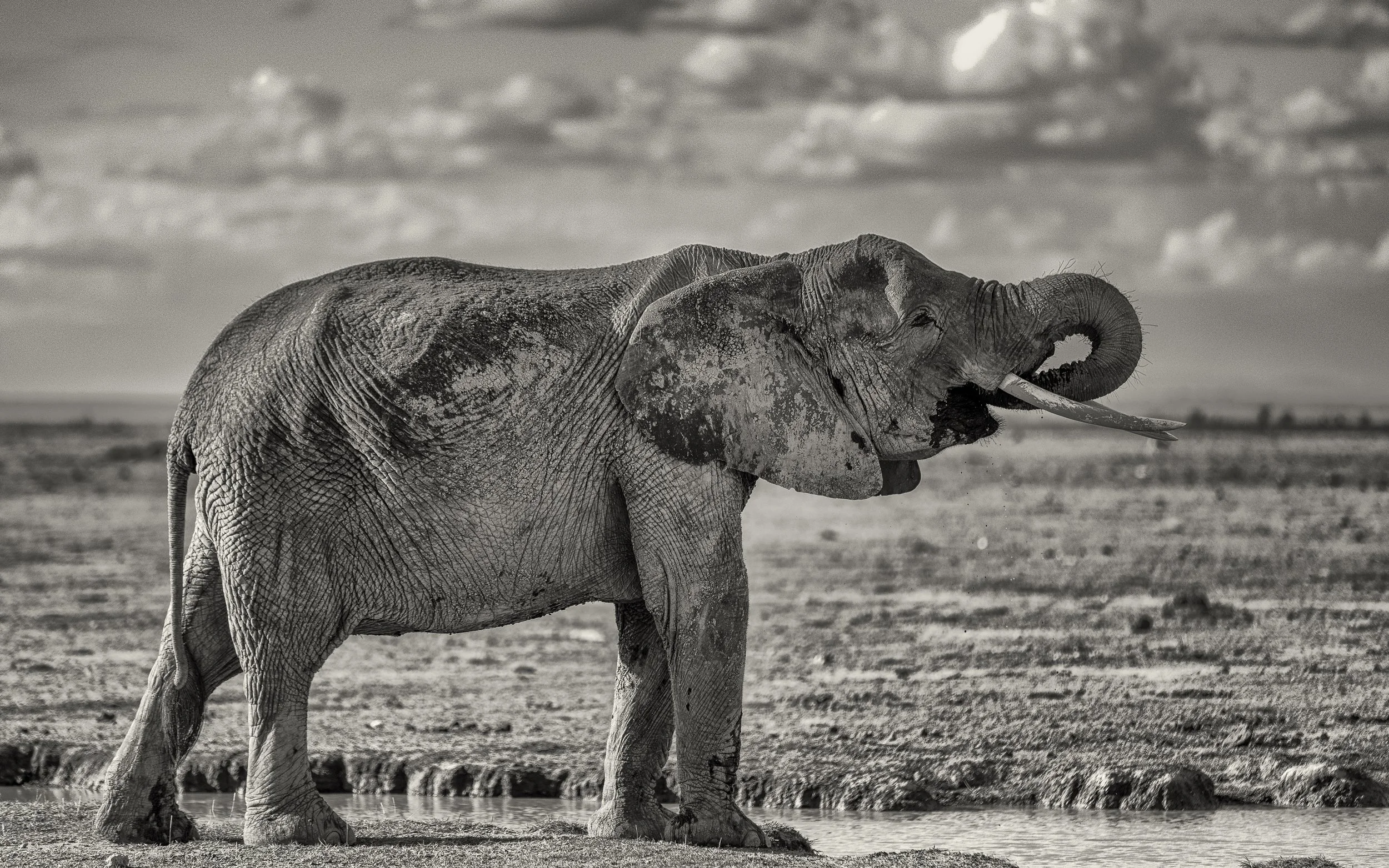
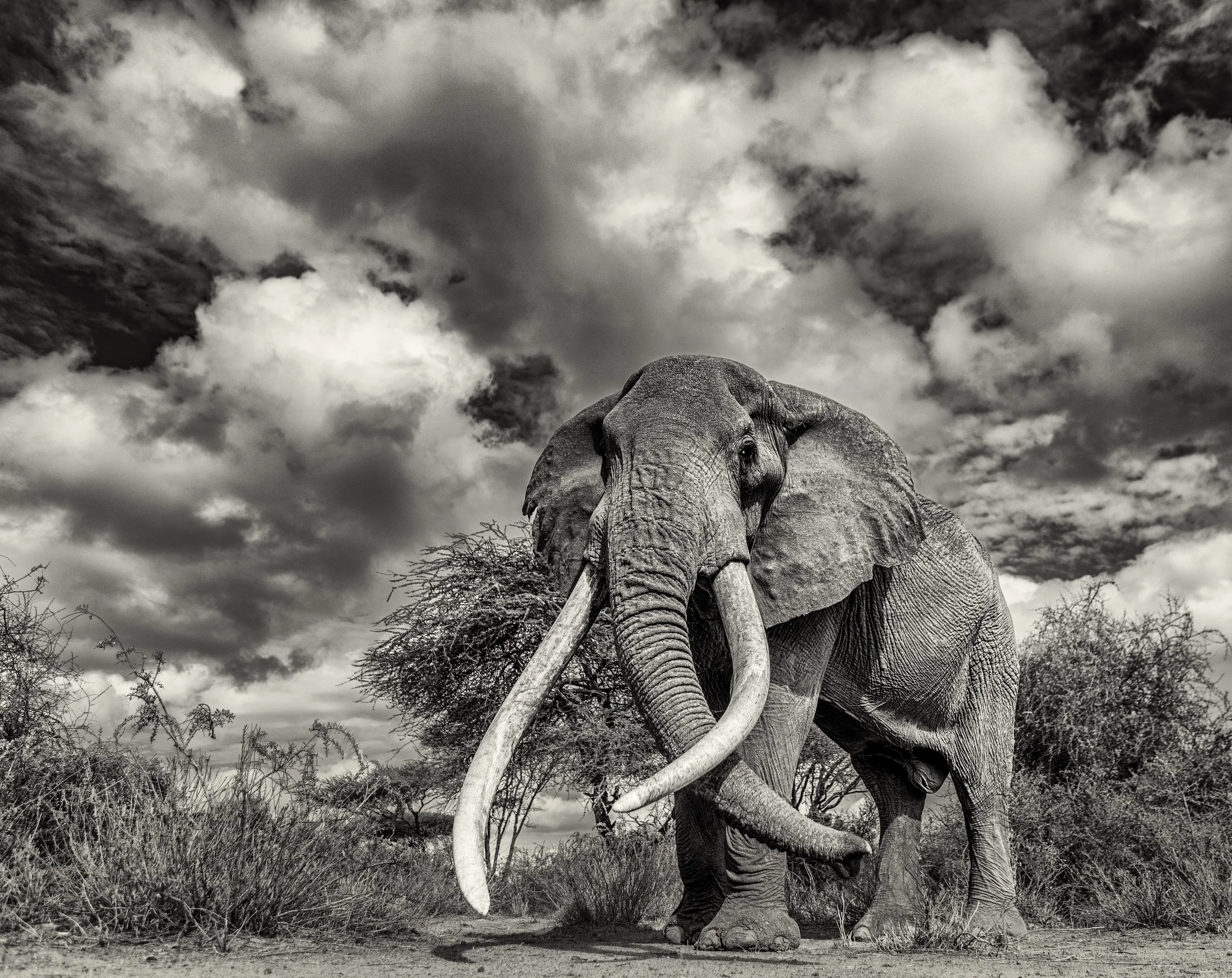
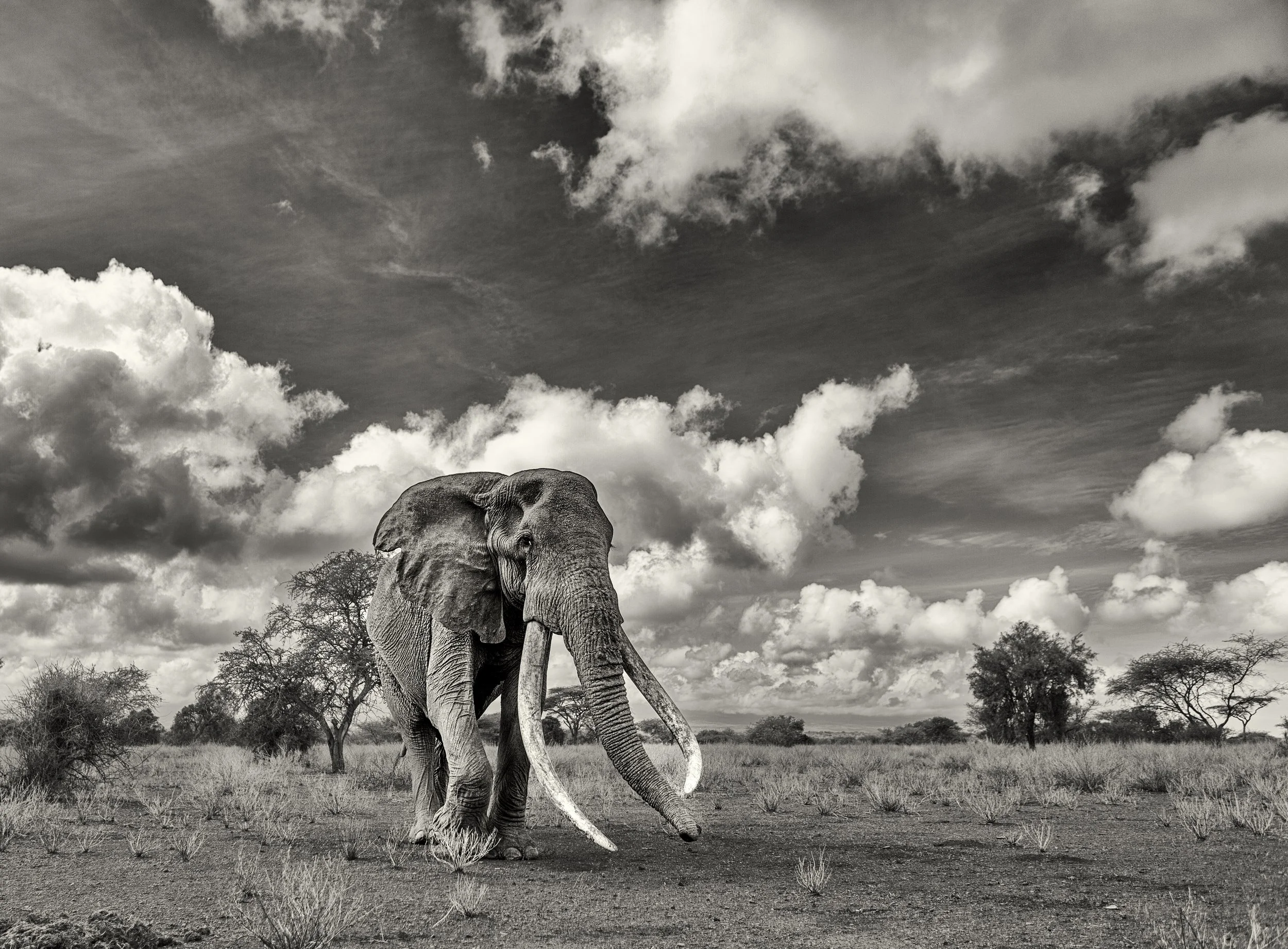
Craig was a super-tusker. He was reported dead on January 3, 2026.
Super-tuskers are African bull elephants whose tusks almost reach the ground, sometimes weighing around 50 kilograms. This draws them a lot of attention, including from poachers. They are found in eastern Kenya, across the Tsavo and Amboseli ecosystems.
They are also an enigma. Craig even more so.
When one thinks of a beast that is about 10,000 Kgs with 50 kg heavy tusks that drag along the ground, calm and gentle are not the first words that come to mind. But Craig was exactly that. He’d softly place his feet on the dry ground, avoiding tufts of grass. He’d move through thickets with little sound.
At times, he would stand a few feet away, smell the air, and move on. Of course he knew we were there, but he’d go about his business of looking for fresh leaves and grass.
Craig was one of the last well-known super-tuskers of the Amboseli region. There are others in Tsavo, and some less popular ones in Amboseli too. I hope to see them before they are gone.
The lakes
Kenya’s Rift Valley lakes form a linked chain of alkaline and freshwater systems that are home to abundant wildlife. Lake Nakuru, Lake Bogoria, and Lake Elementaita are feeding and resting sites for large numbers of flamingos, while Lake Naivasha and Lake Baringo support hippos, crocodiles, and diverse bird populations.
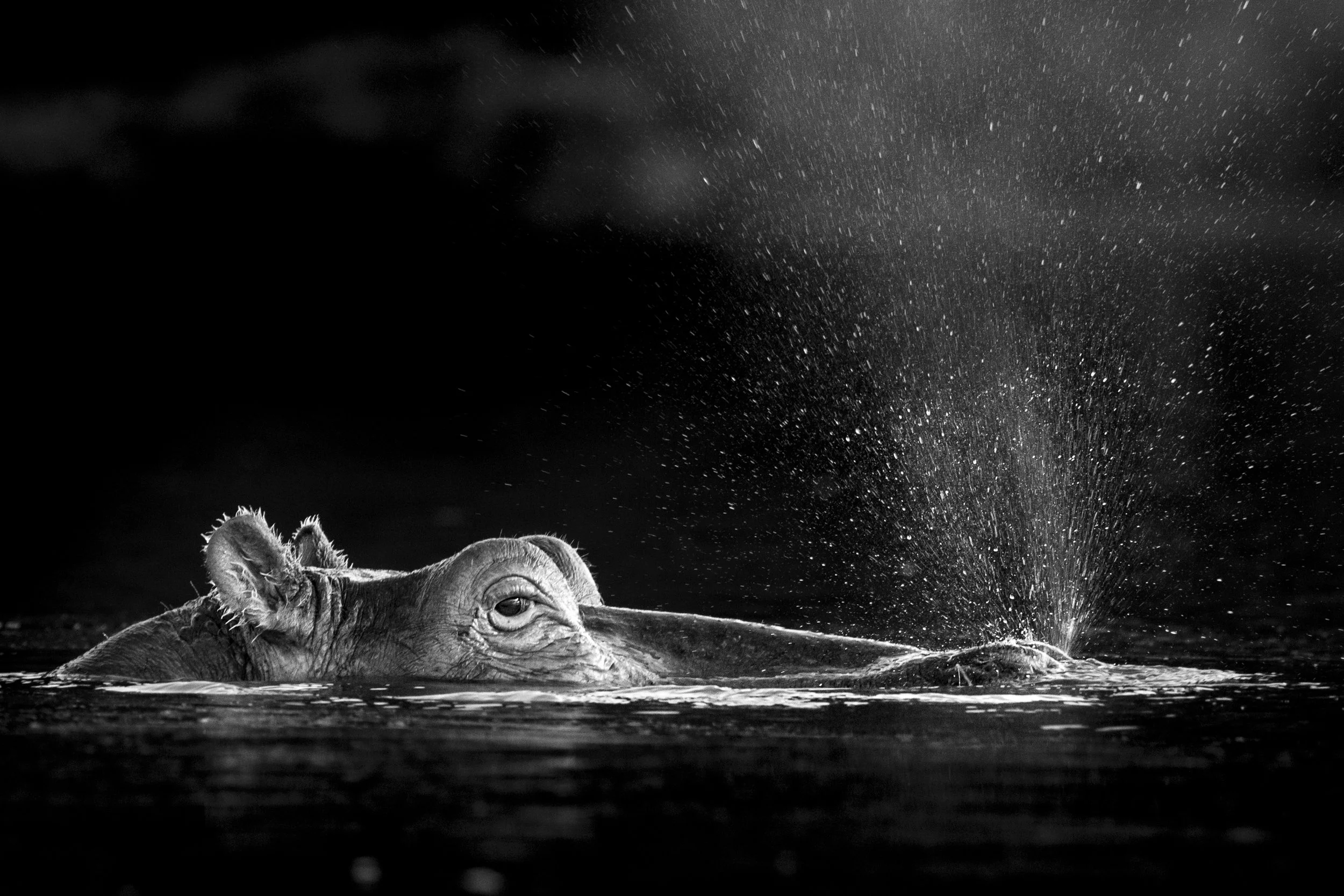
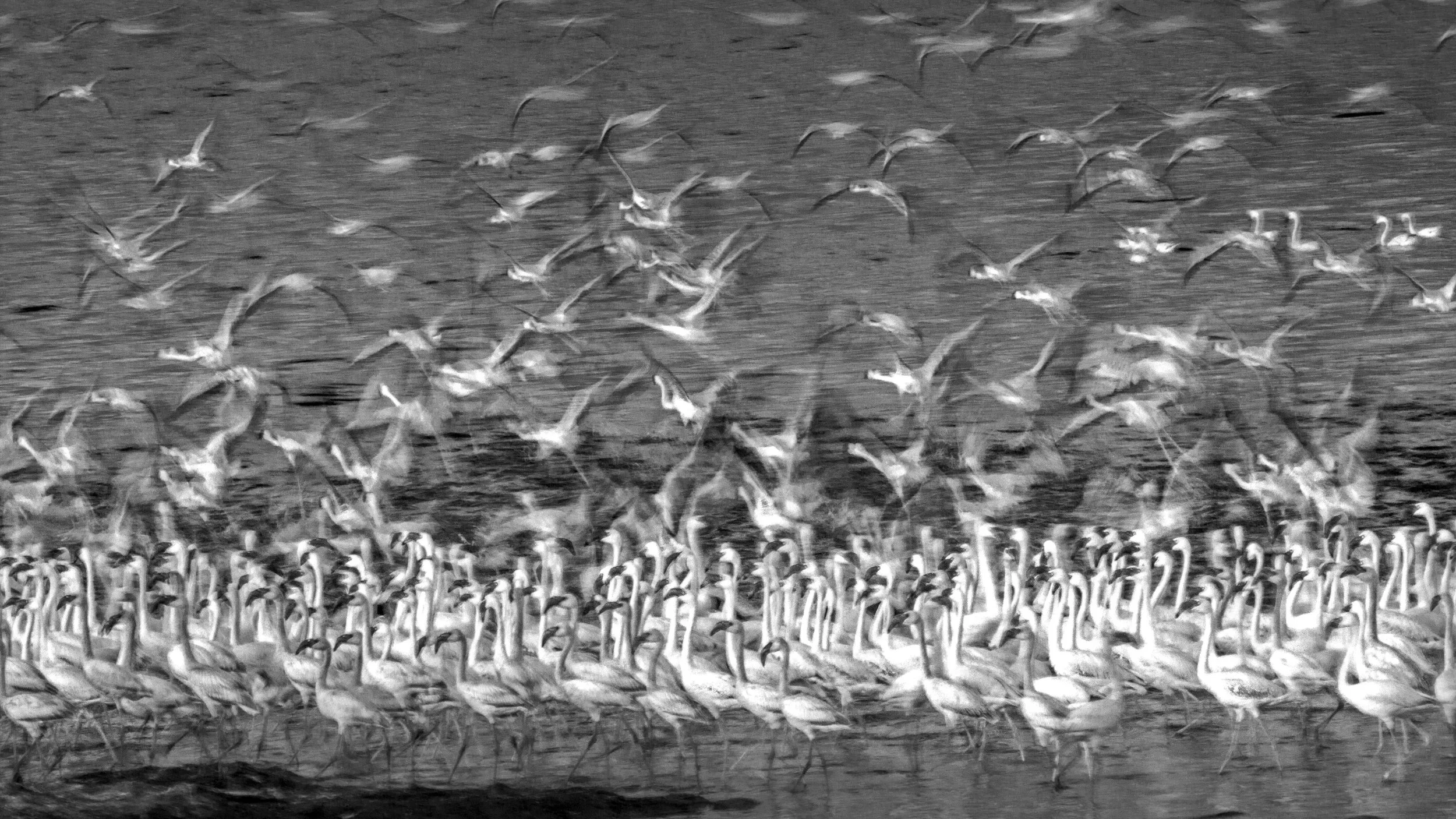
I’ve always visited at least one of the lakes during my visits to Kenya. It helps that they are close to Masai Mara, which is invariably my final destination in every Kenya trip. A pitstop at the lakes helps me experience what it's like to visit an average wilderness area where we don’t have a buffet of big cat sightings to choose from.
It helps to pay our dues to mother nature for everything she offers along the way enroute our final stop on the pilgrimage.
Masai Mara
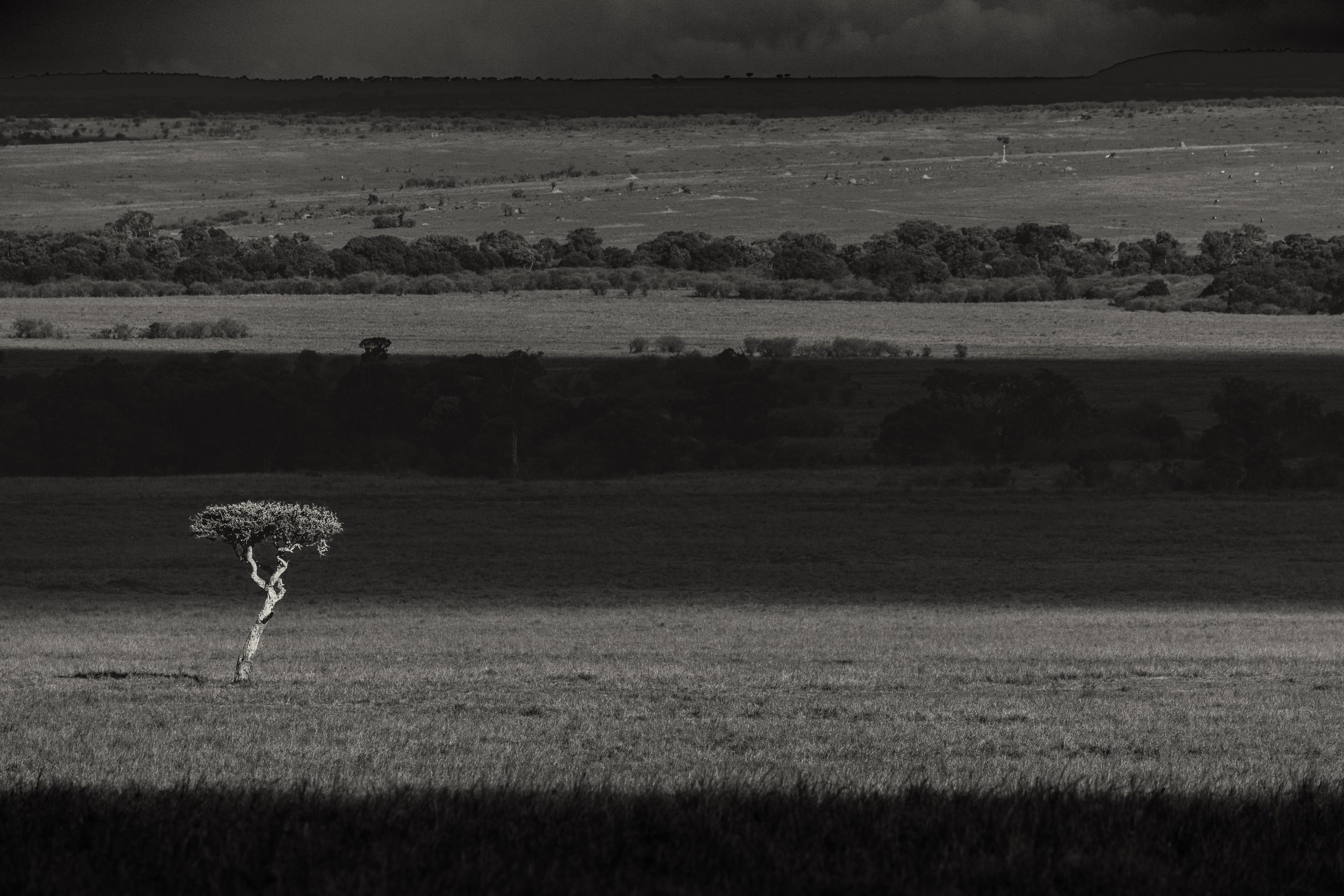
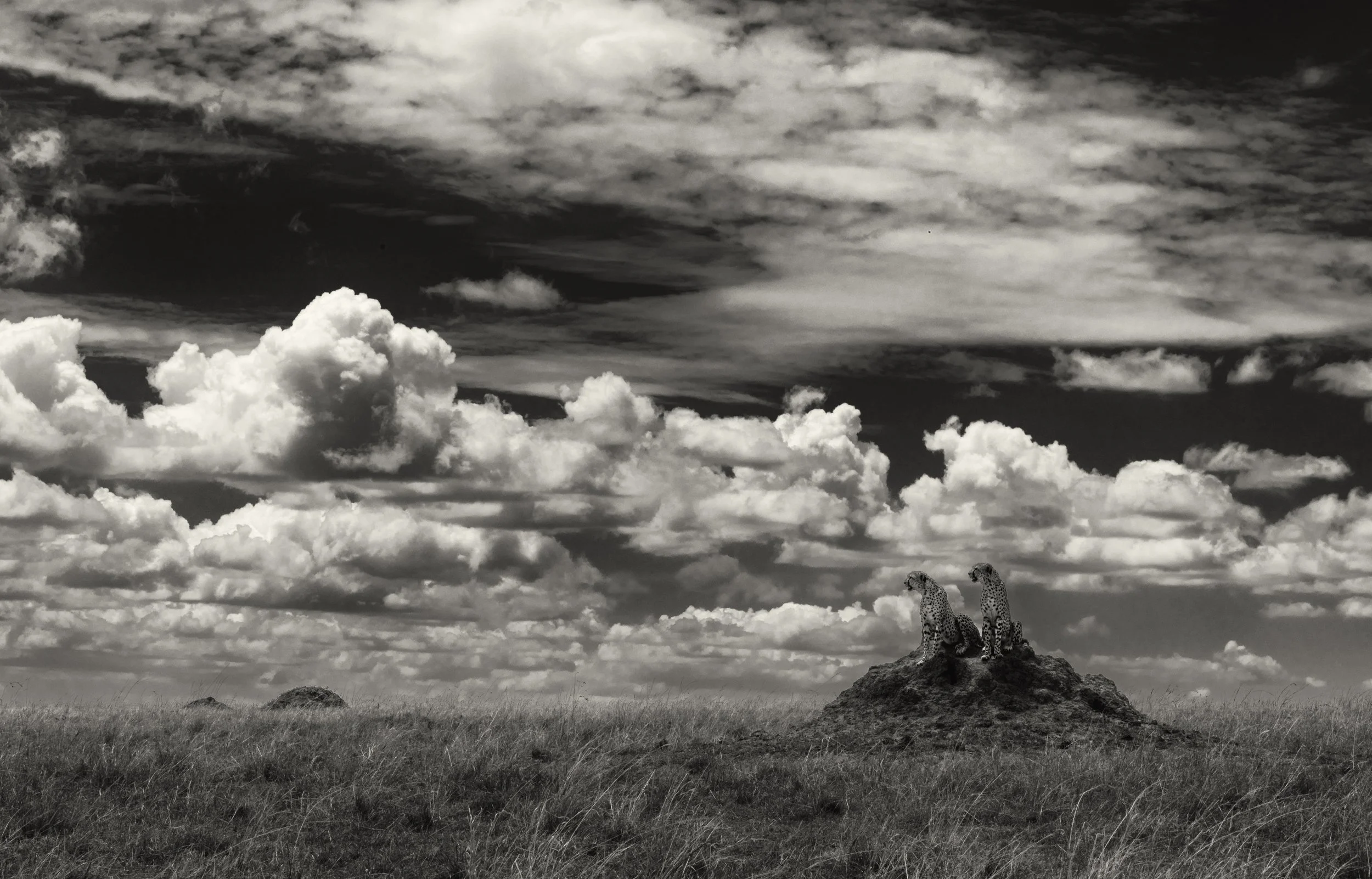
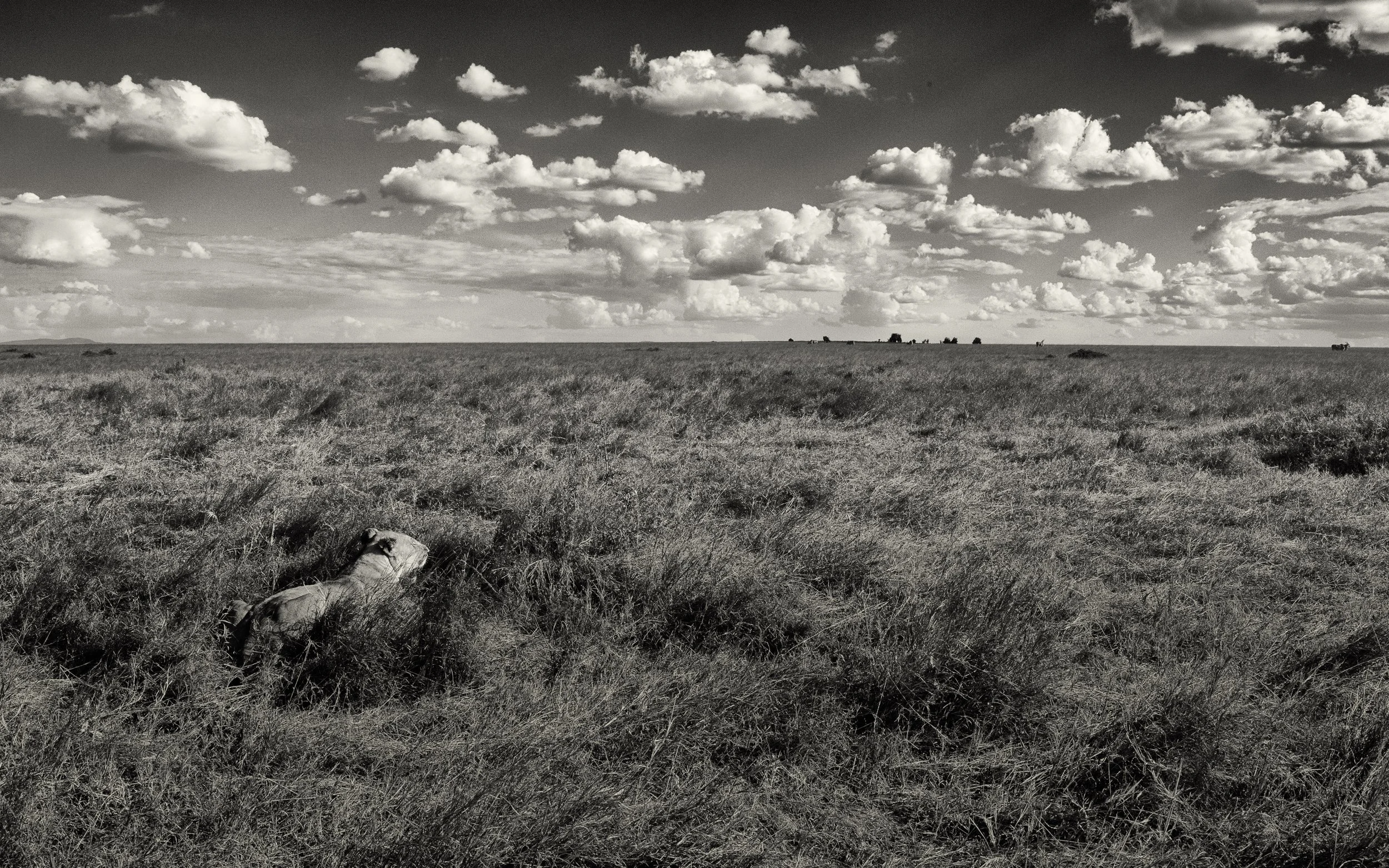
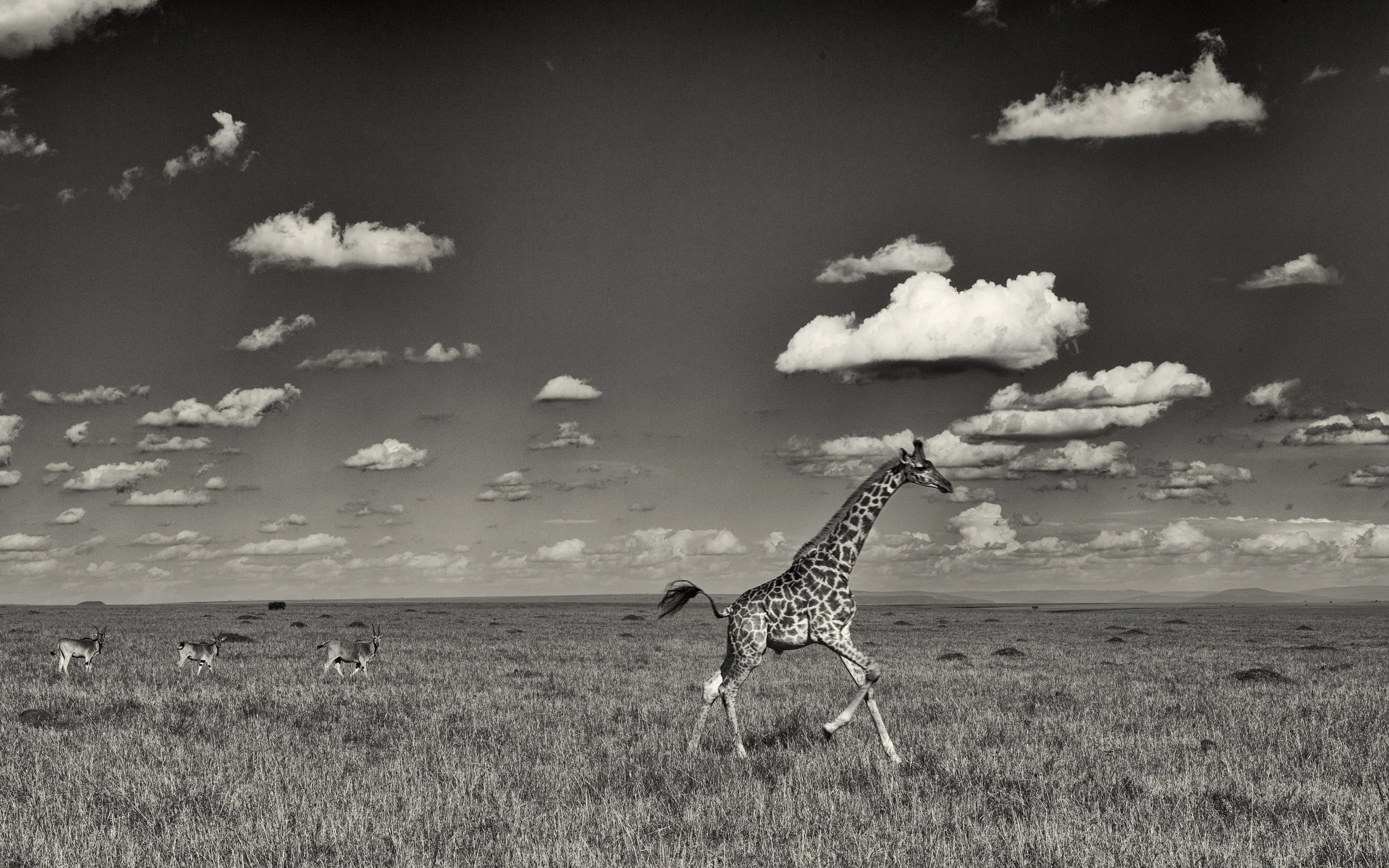
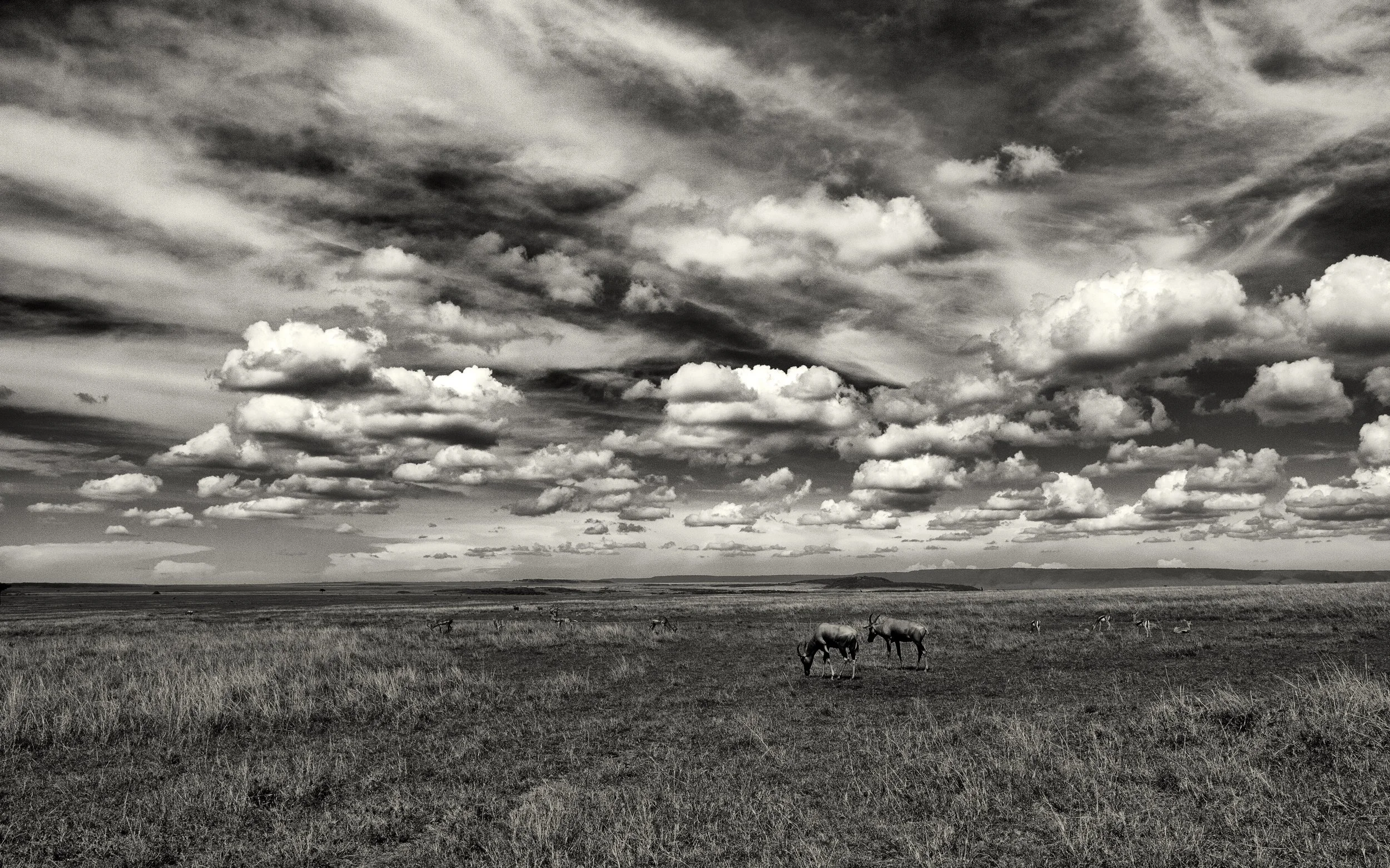
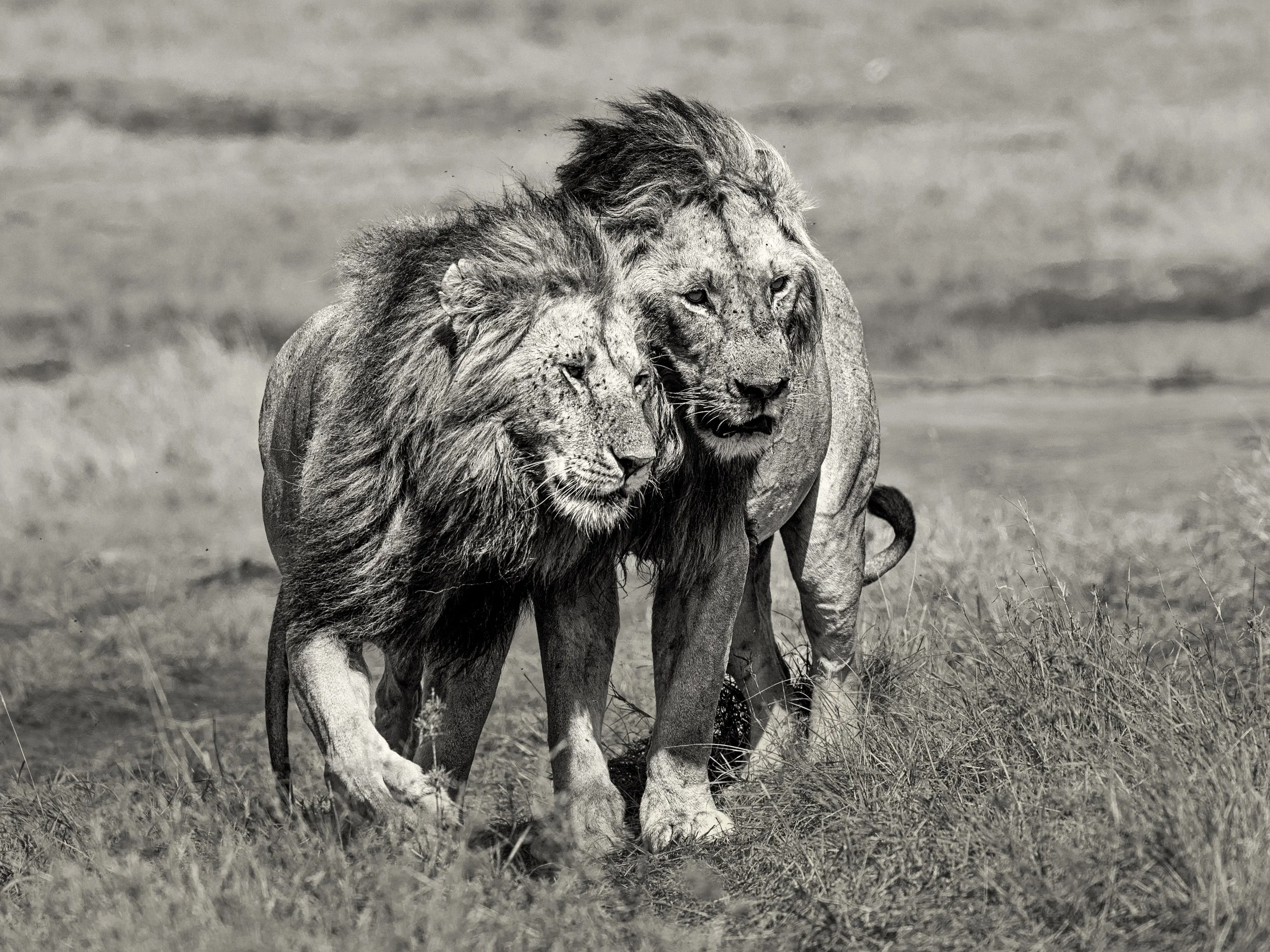
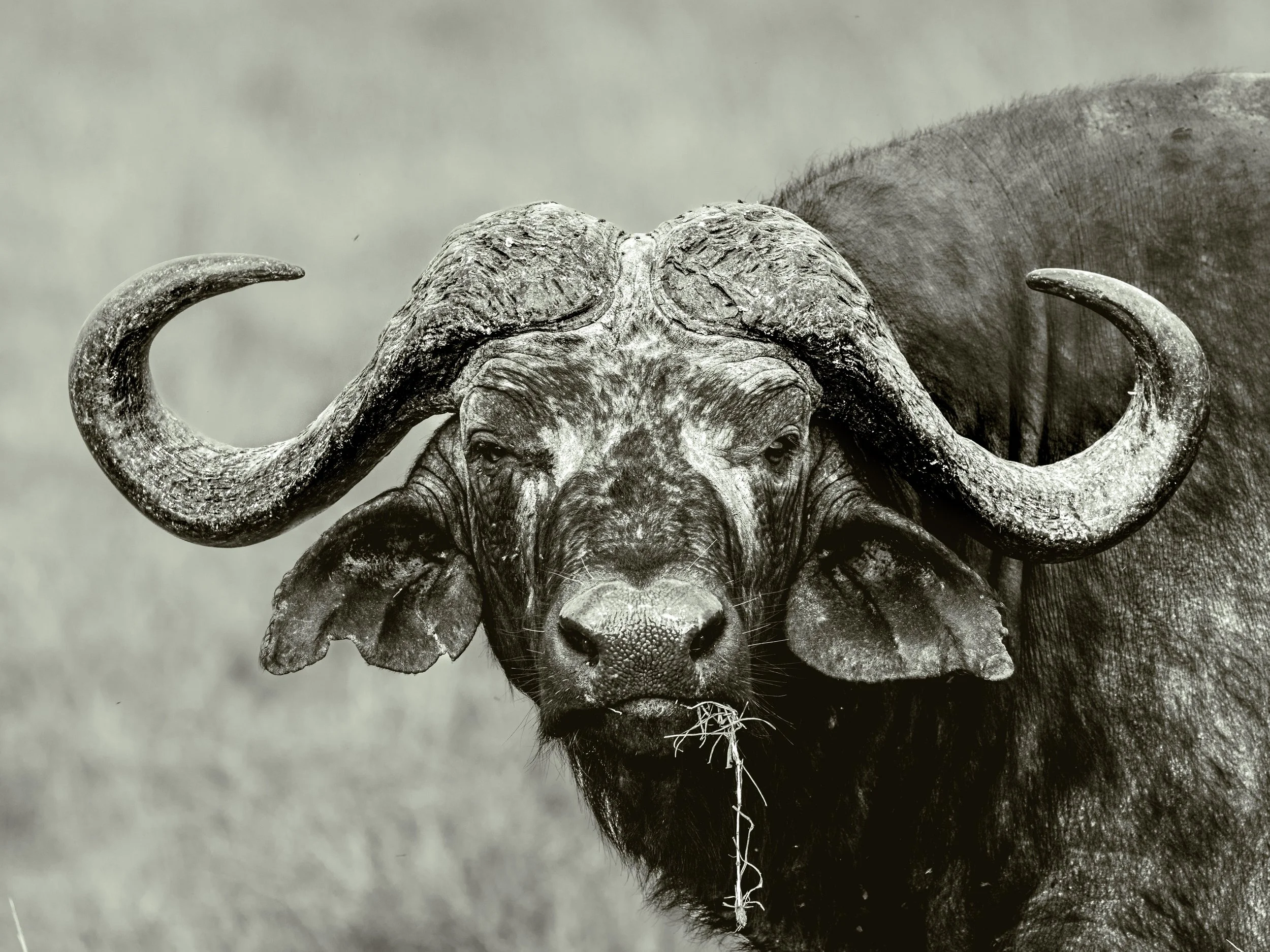
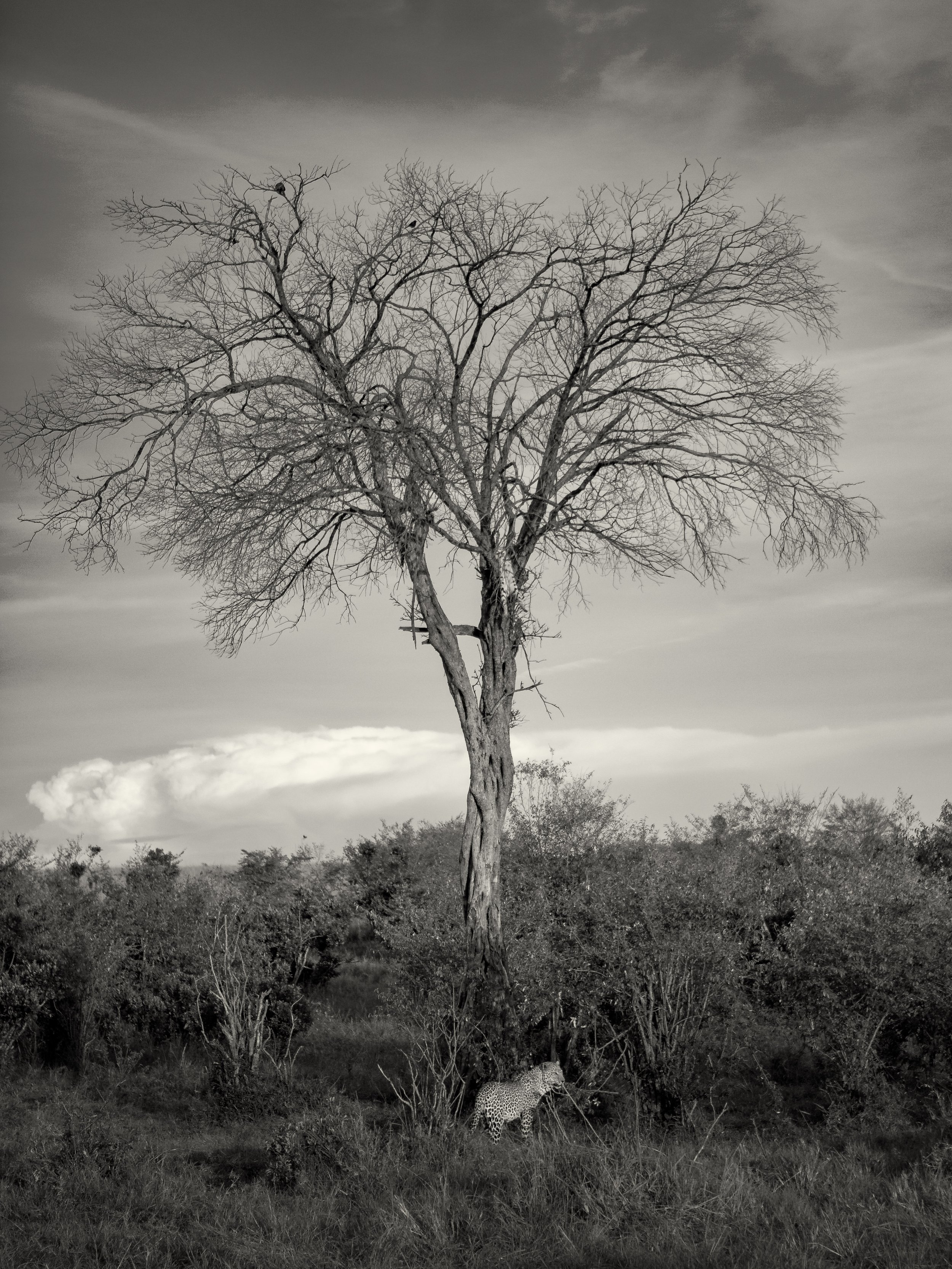
The Masai Mara is an endless plain under wide, open skies with an occasional, lonely acacia or a small island of bushes and trees, also referred to as ‘the bush’. But the stellar scape isn’t the reason photographers flock there. This grassland has the highest concentration of wildlife per square kilometer on earth, with an estimated 3,400 animals packed into each square kilometer of its 1,510 square kilometer expanse. The sheer density is mind-boggling – nearly 240 large herbivores per square kilometer.
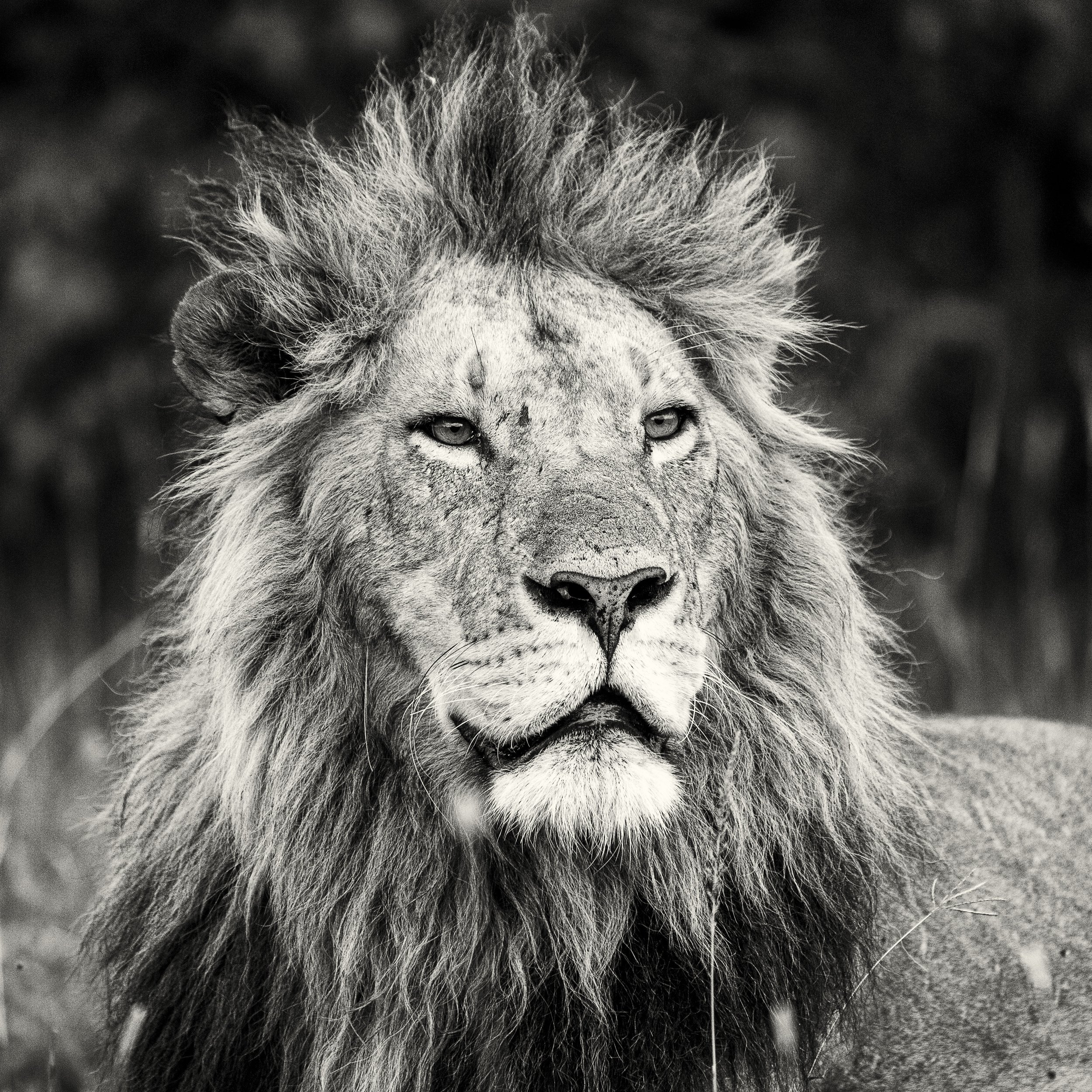
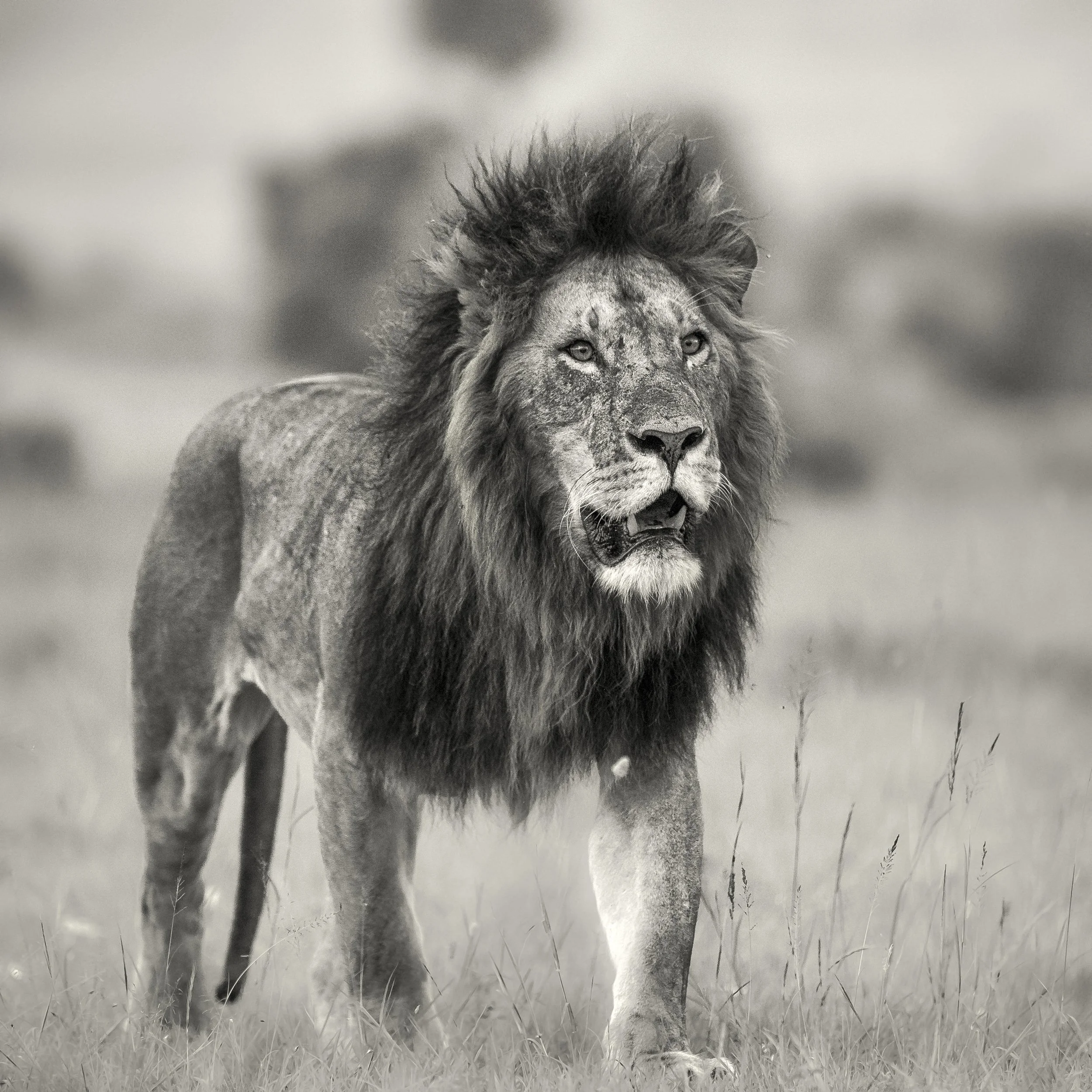
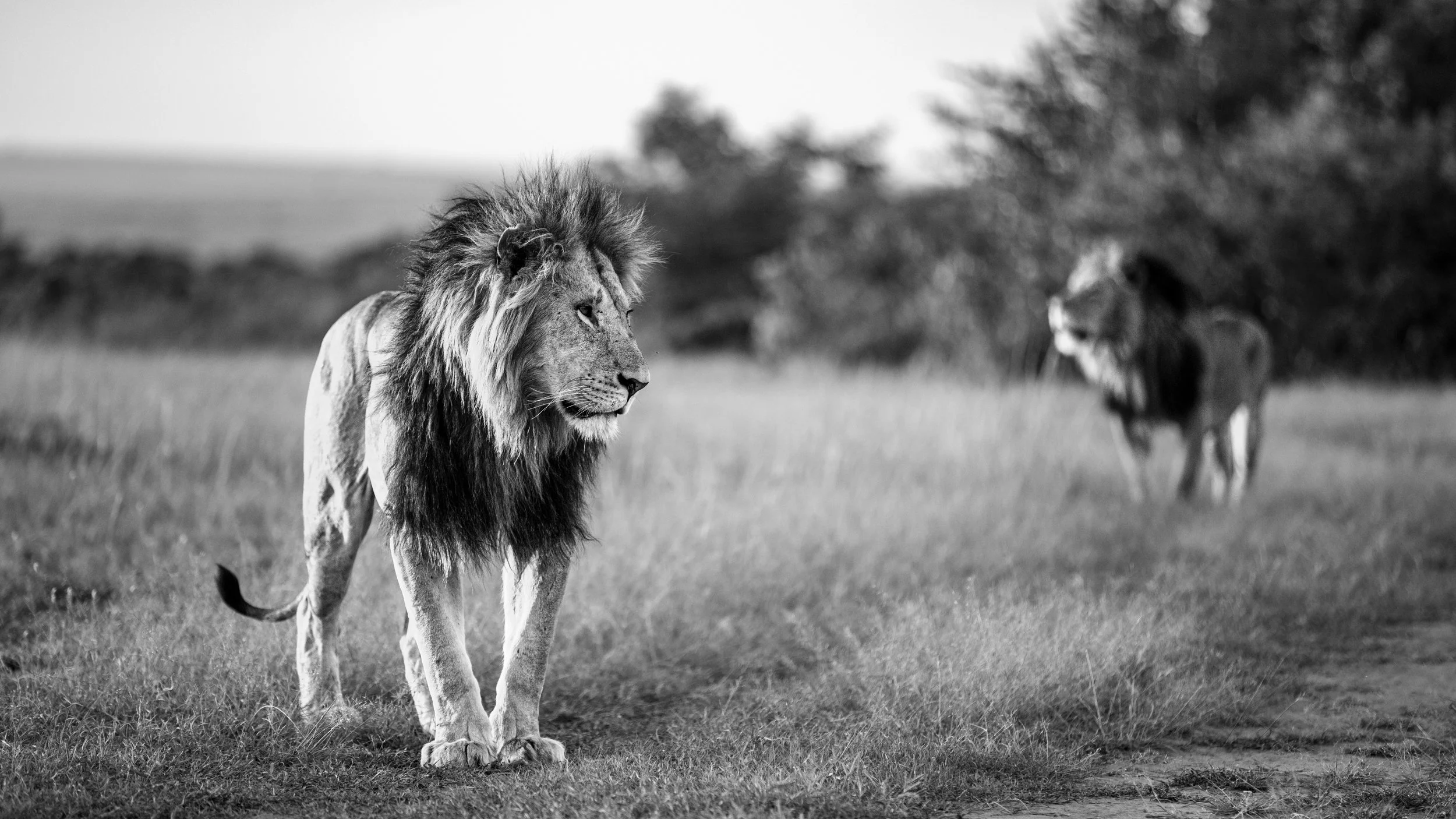
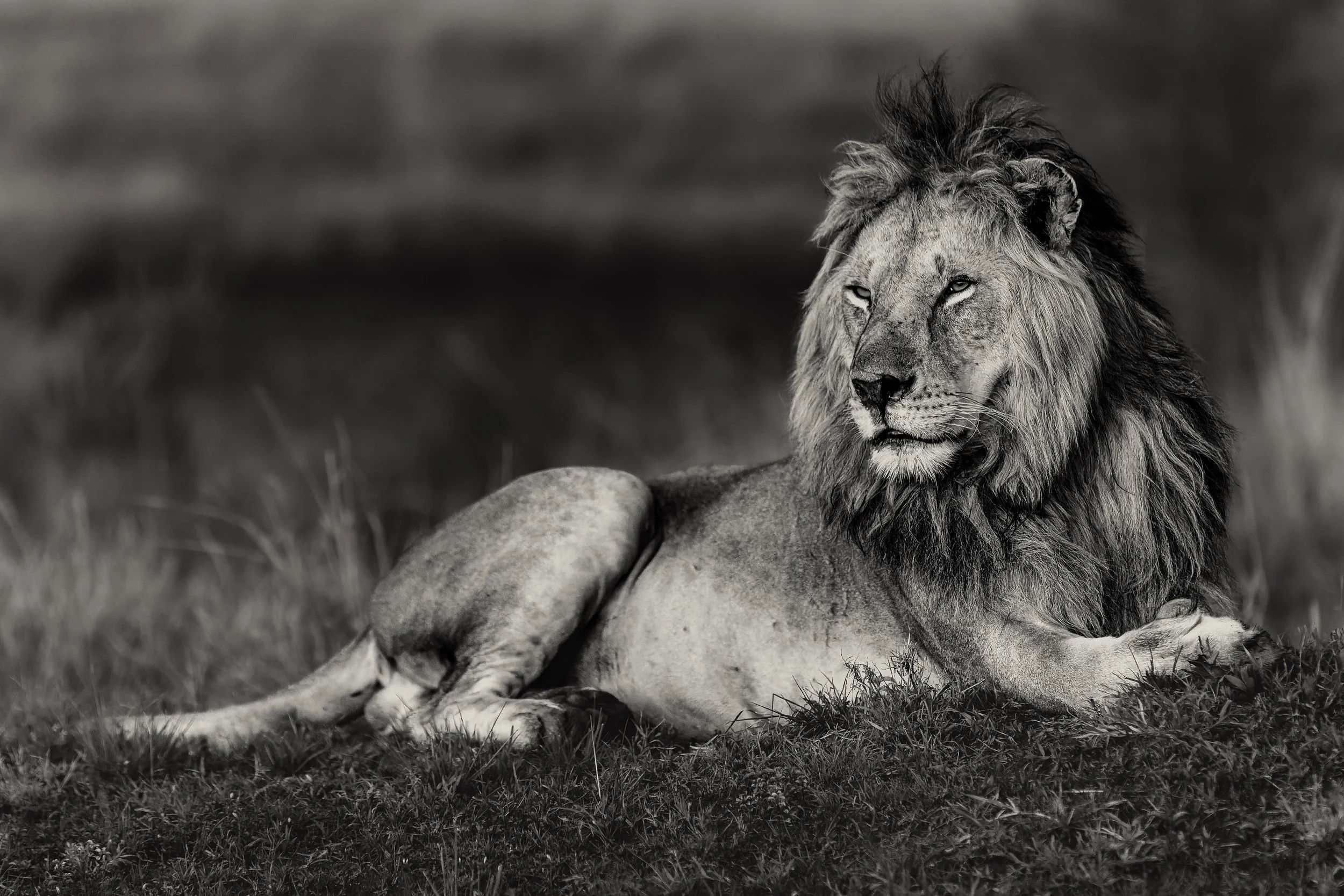
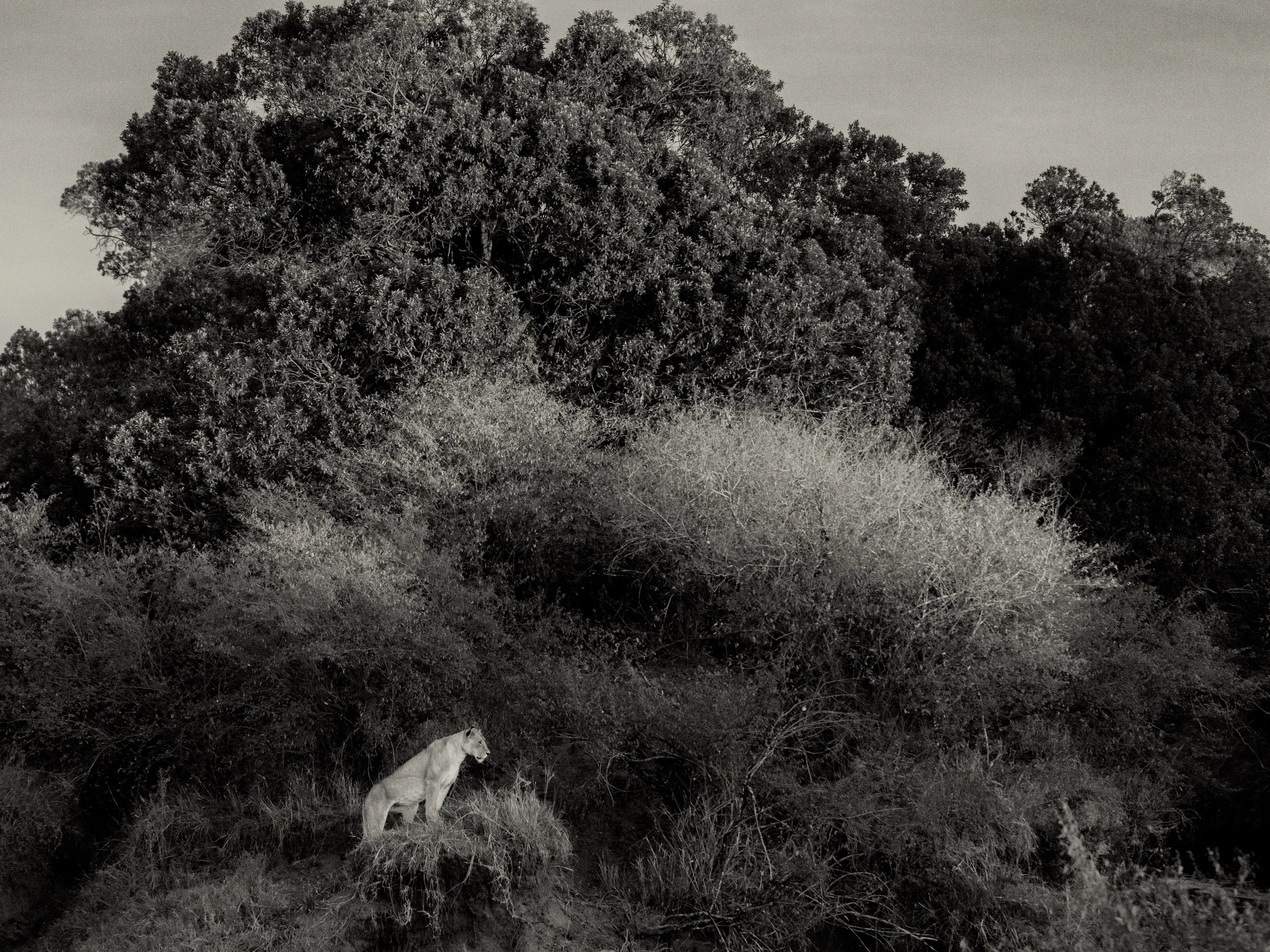
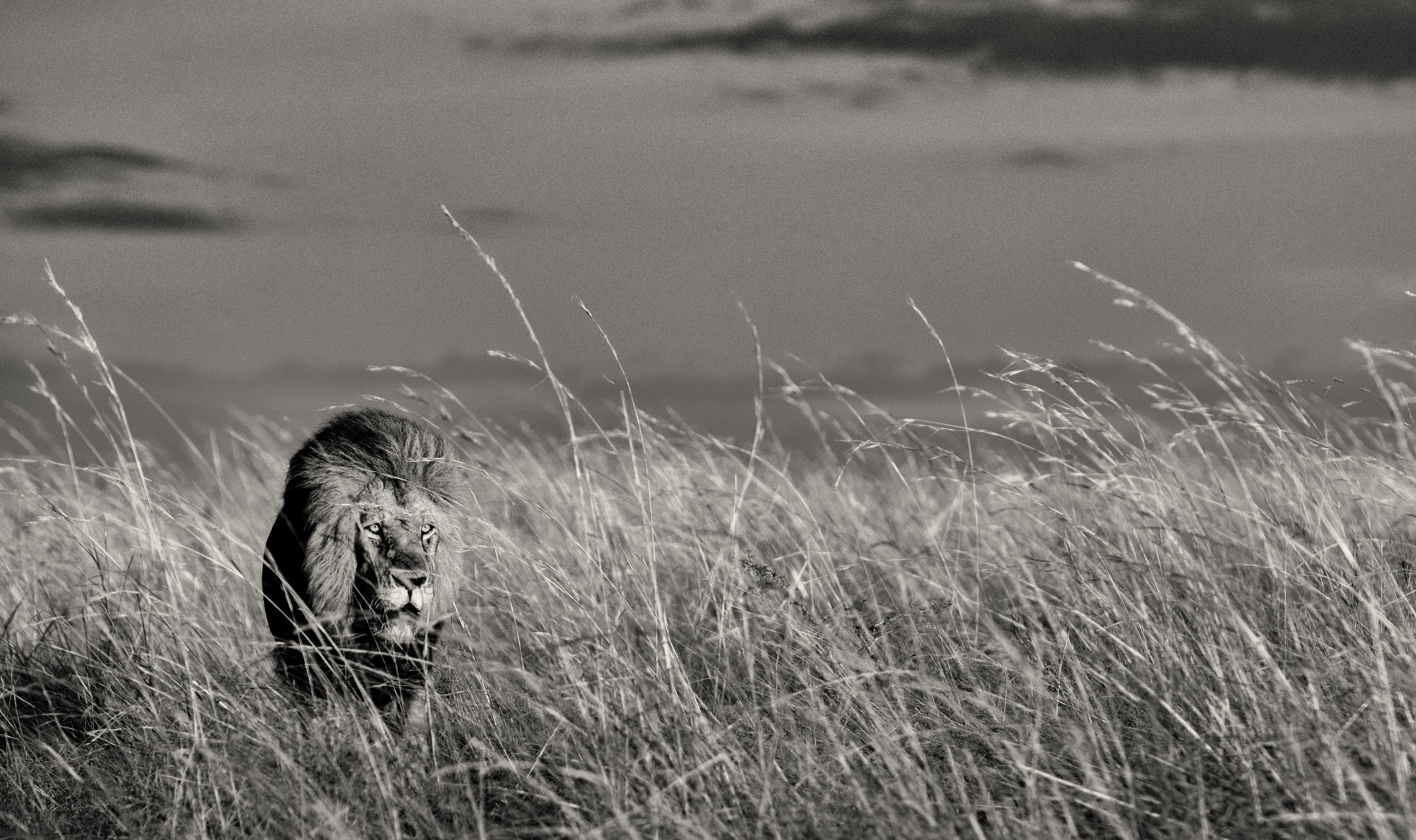
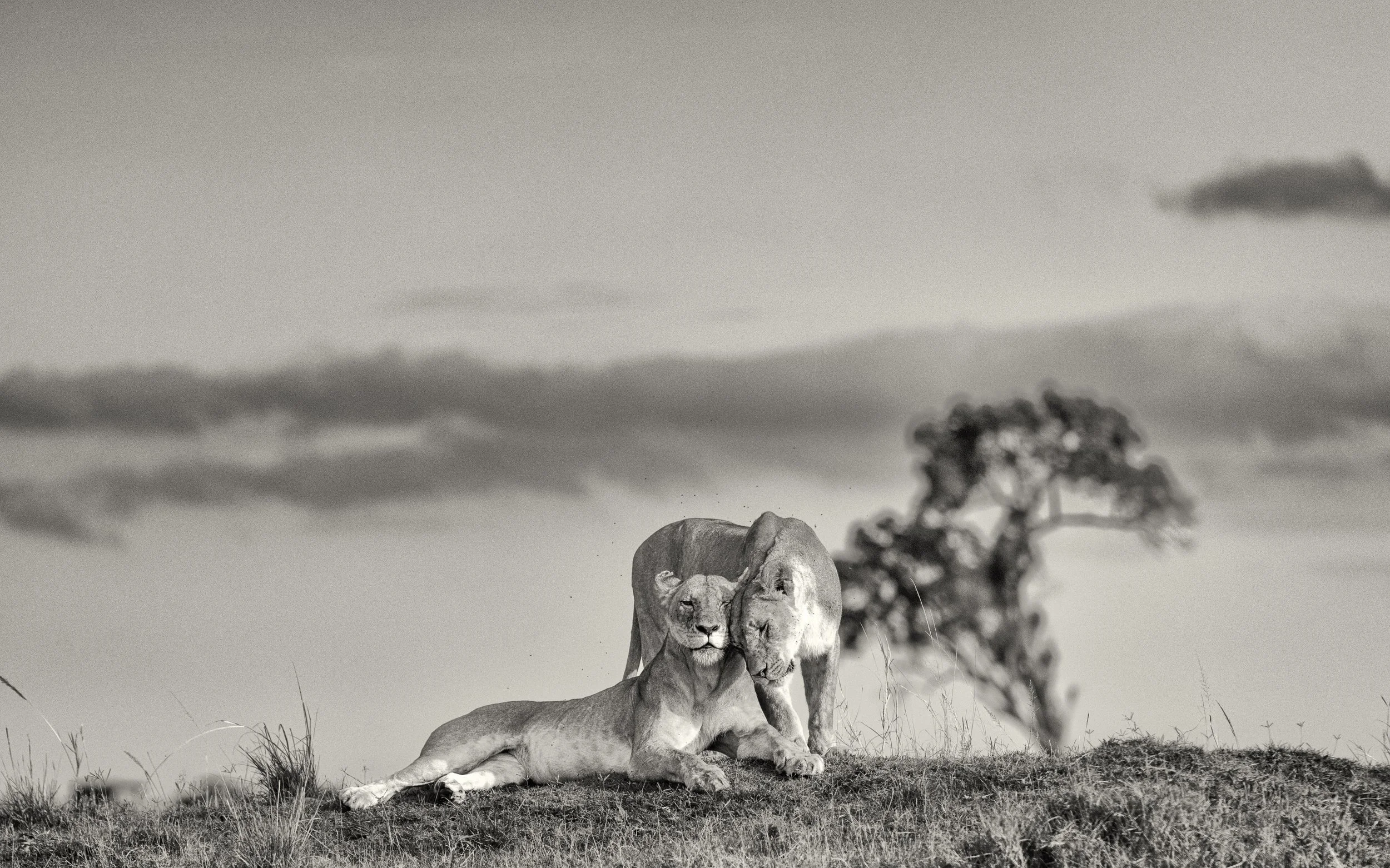
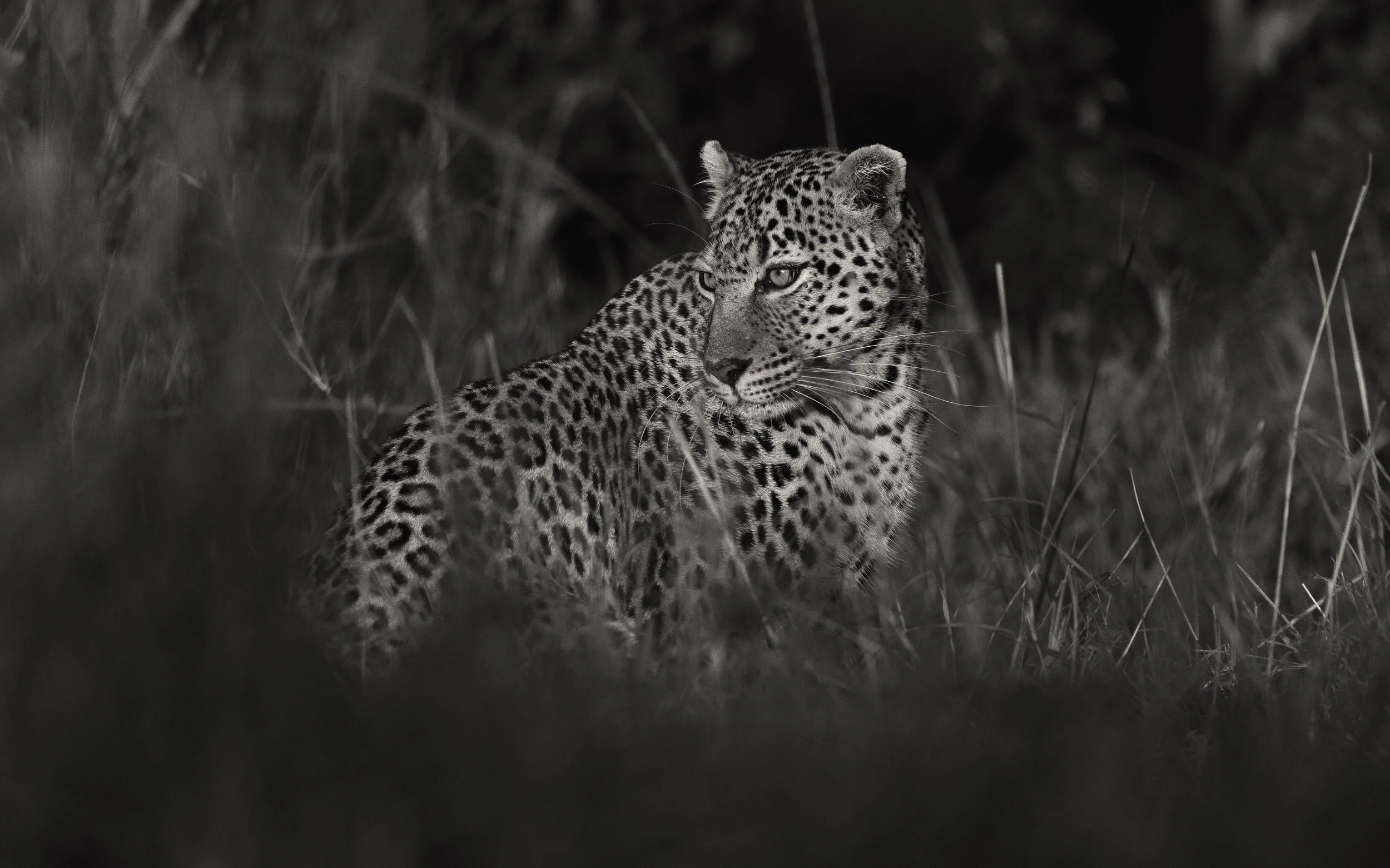
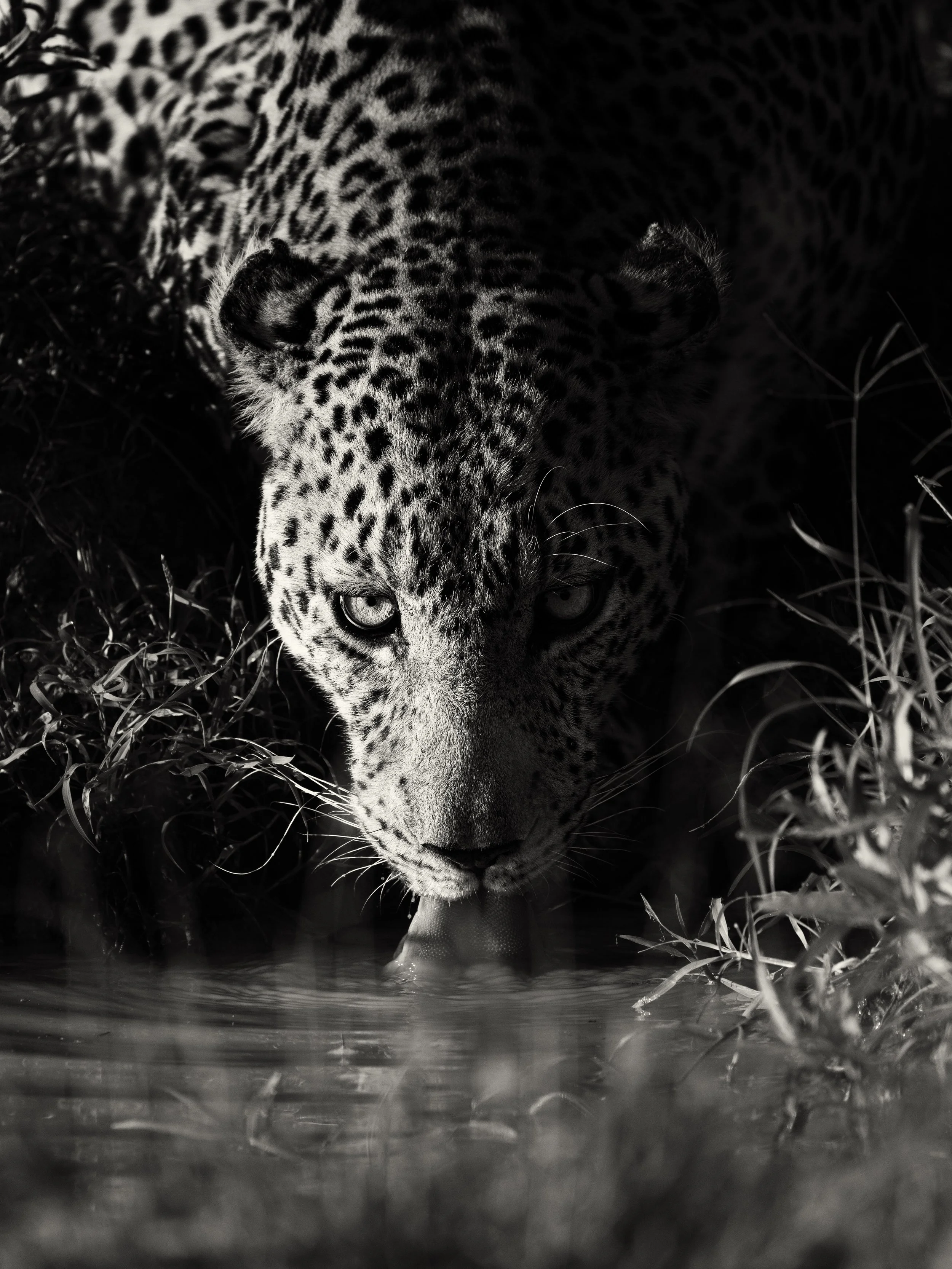
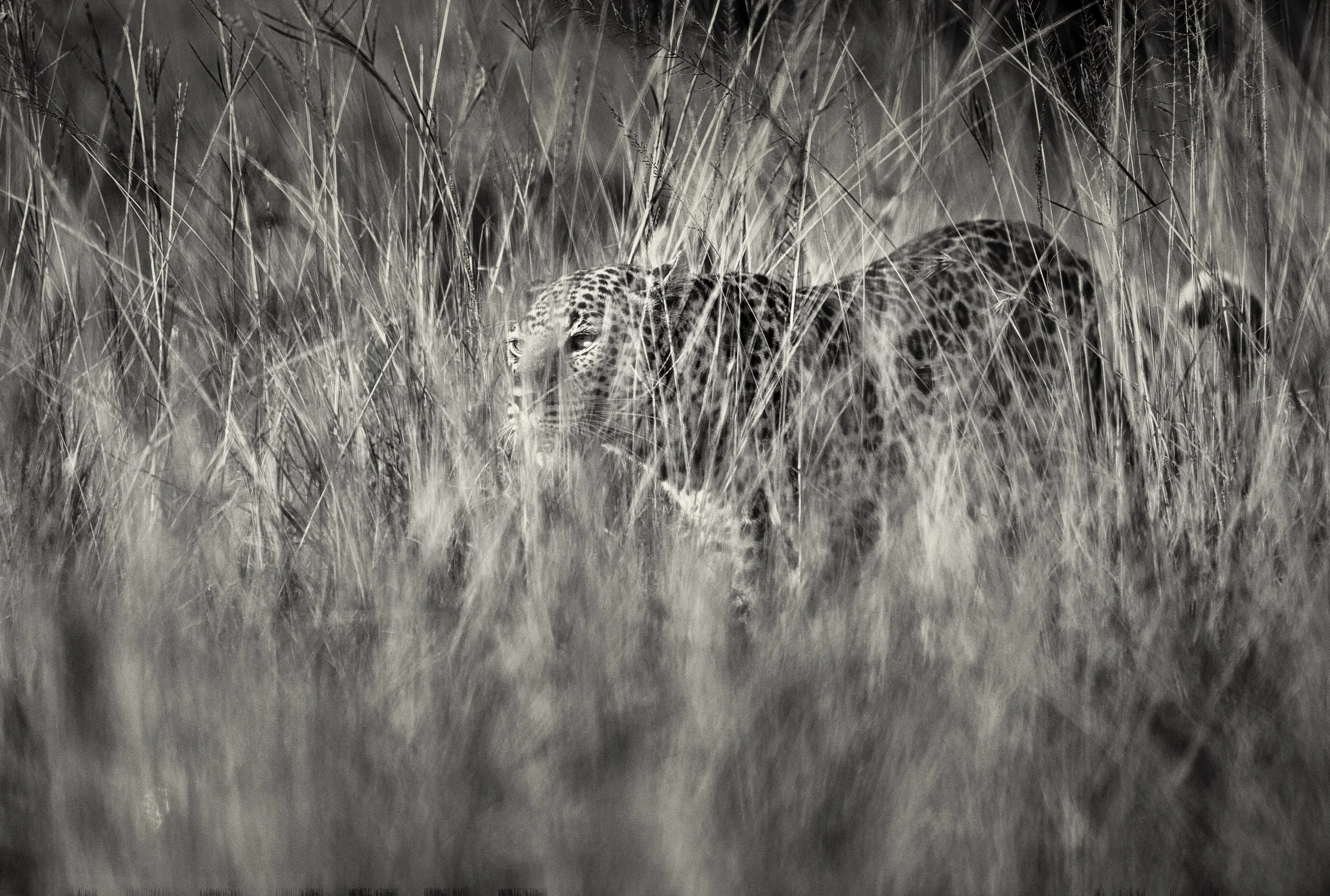
And where there is abundant prey, the big cats follow. Mara also has a high density of predators, about 25-30 lions per 100 square kilometers in some areas.
The skies
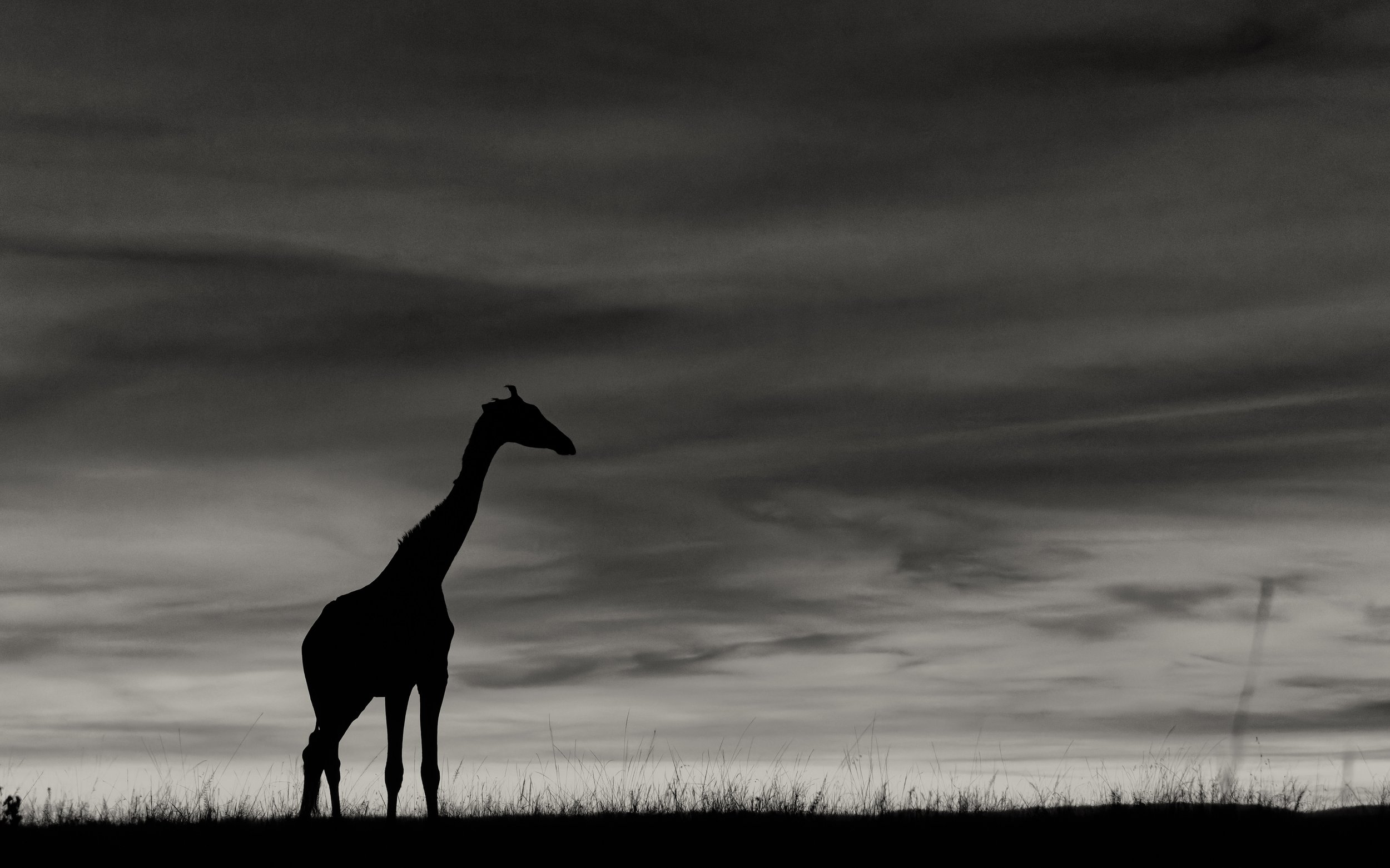
Everytime I go to Mara, I wonder if the main subject in Mara is the sky.