

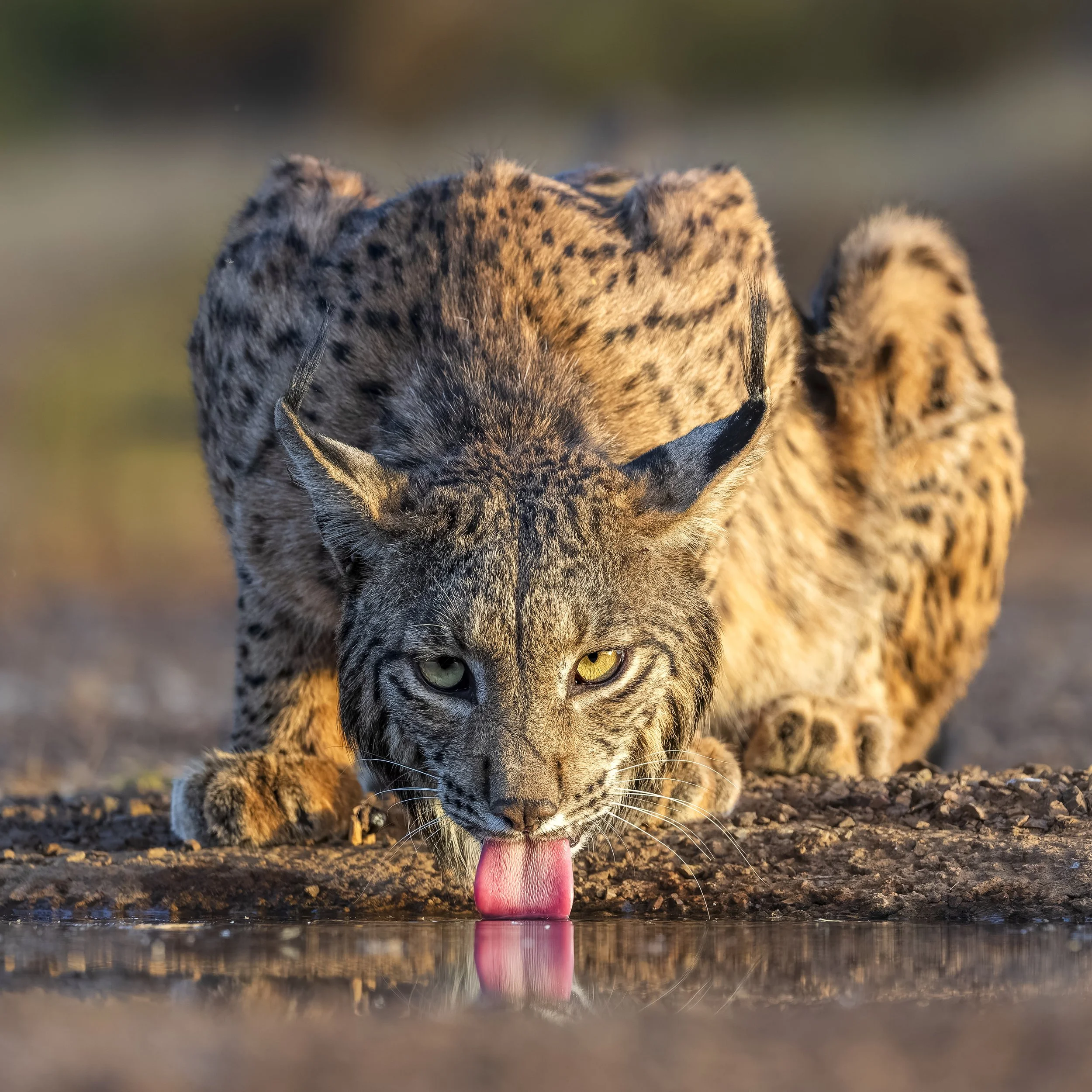
Wild Iberia
A guided photo-expedition
EUR 2850 / person
28 May ‘27- 3 Jun ‘27
Maximum 4 | 3 spots left
Iberia: home to the rarest wildlife on earth
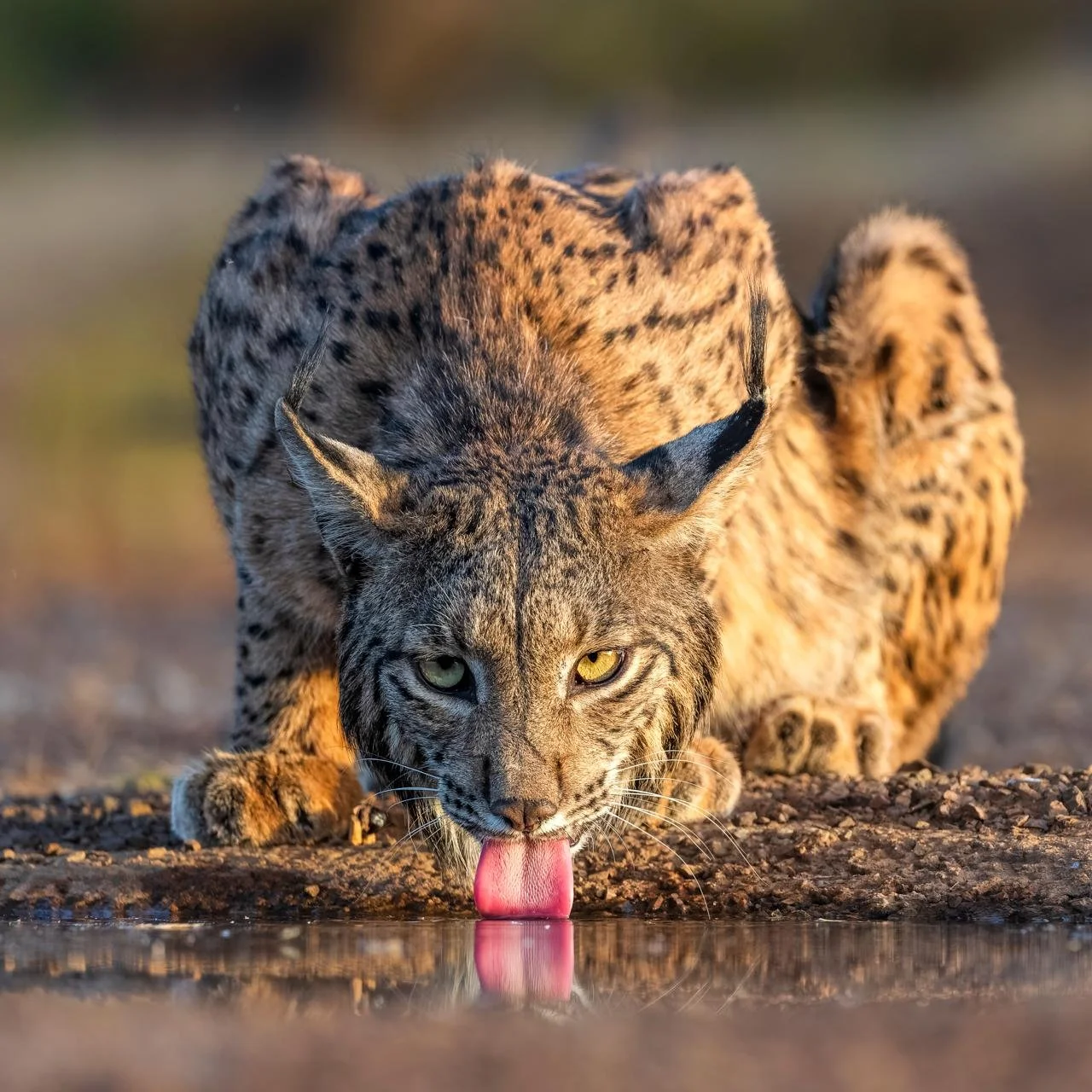
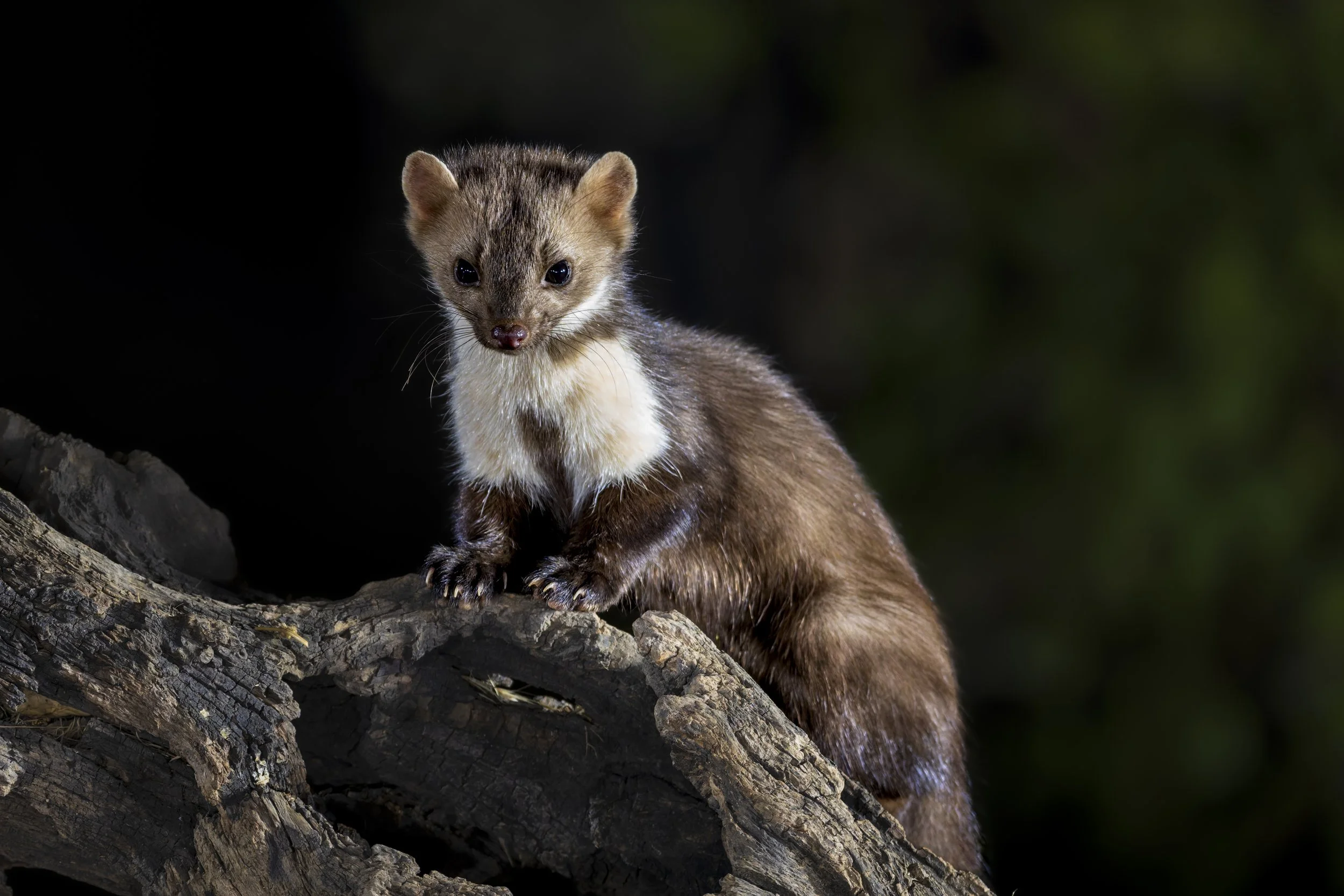
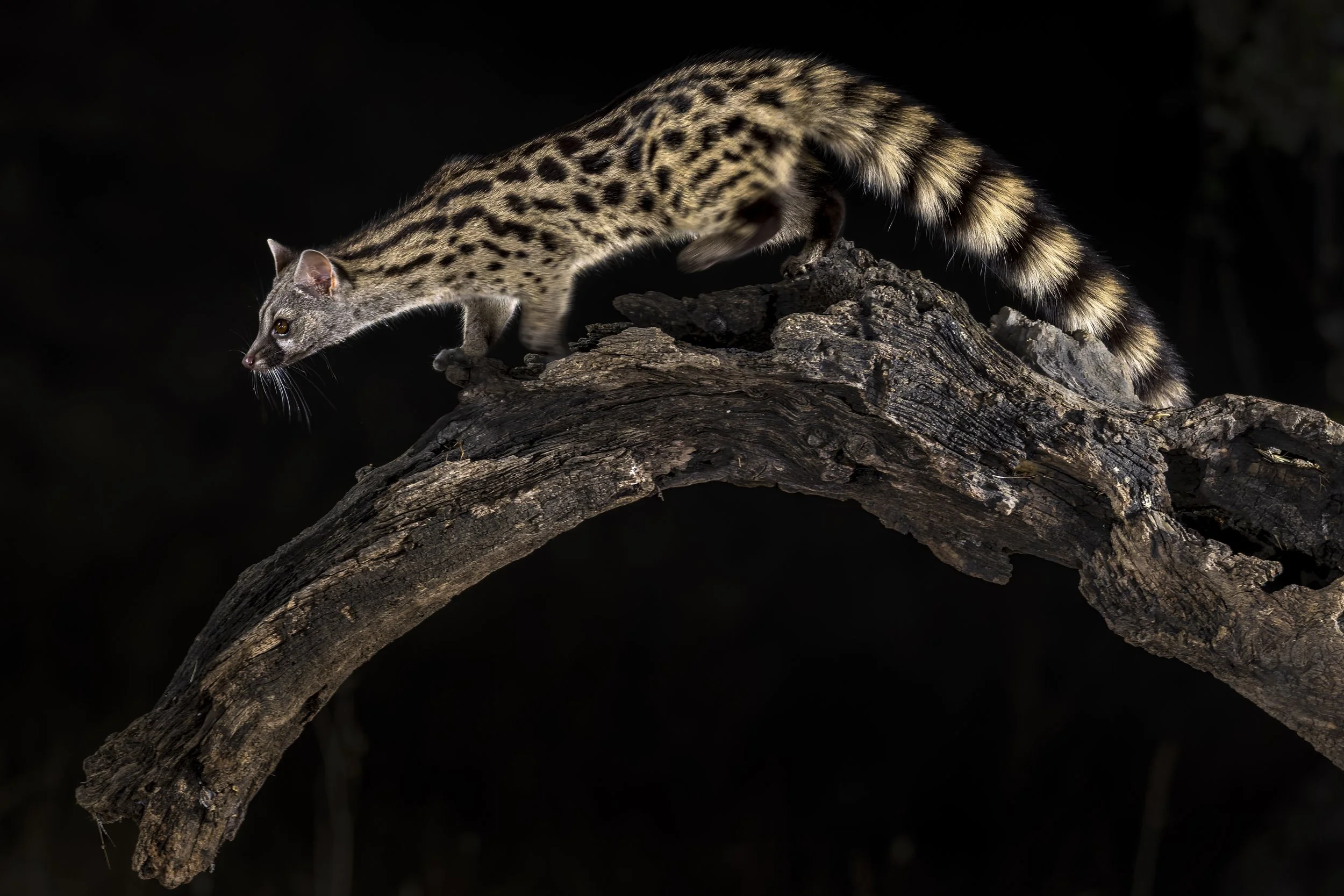
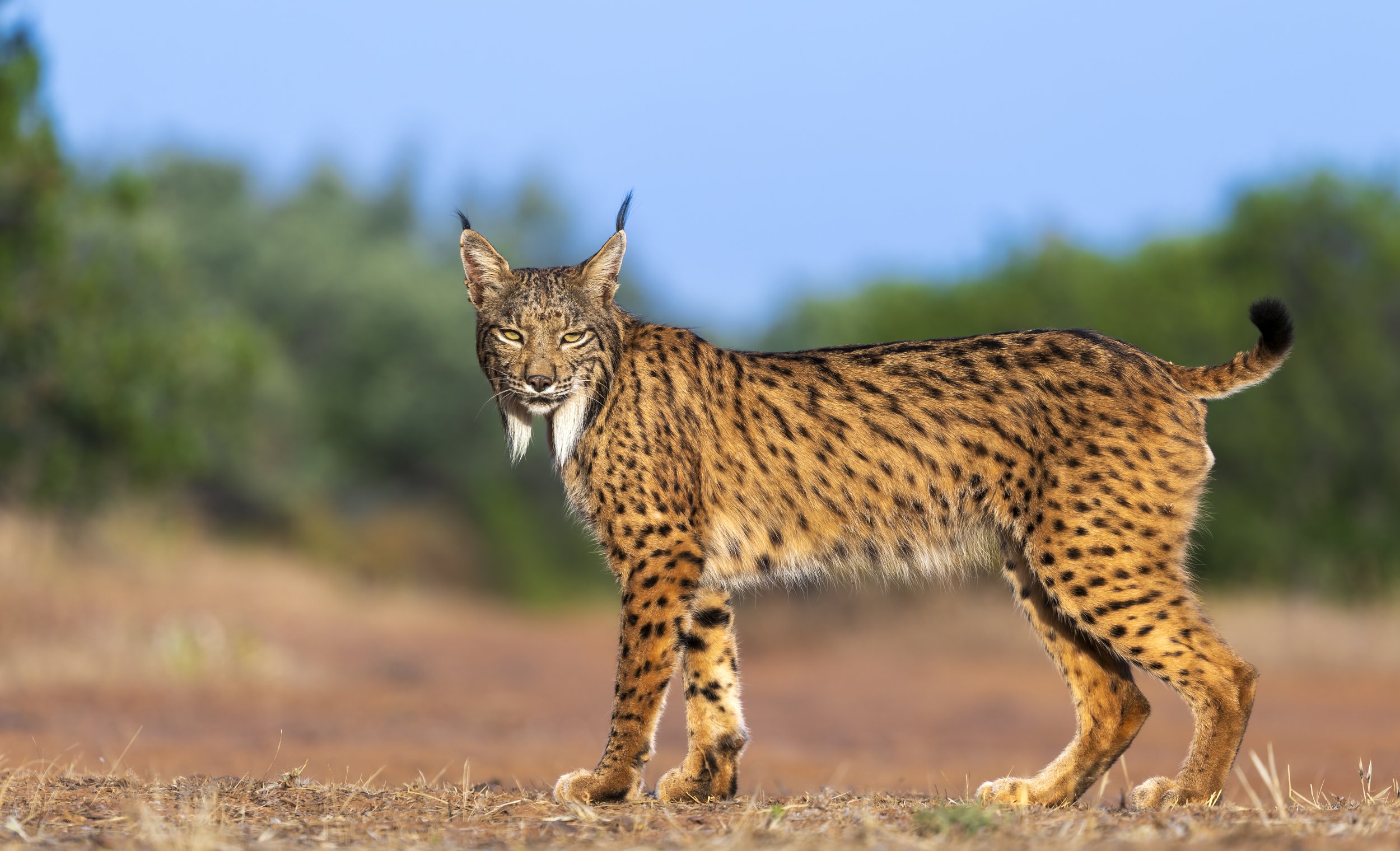
The Iberian Peninsula, containing Spain and Portugal, is home to some stellar wildlife found nowhere else on the planet. Iberia is also a story of hope - of species fighting back from the brink of extinction. Our flagship species on this expedition, the Iberian lynx, is one of the rarest wildcats on earth. In the 1980s, there were less than a 100 adult Iberian lynxes in the wild. A rewilding and conservation effort has resulted in a remarkable recovery of over 2500 Iberian Lynxes across this peninsula today. Iberia is also home to elusive nocturnal mammals such as the genet, marten and the badger.
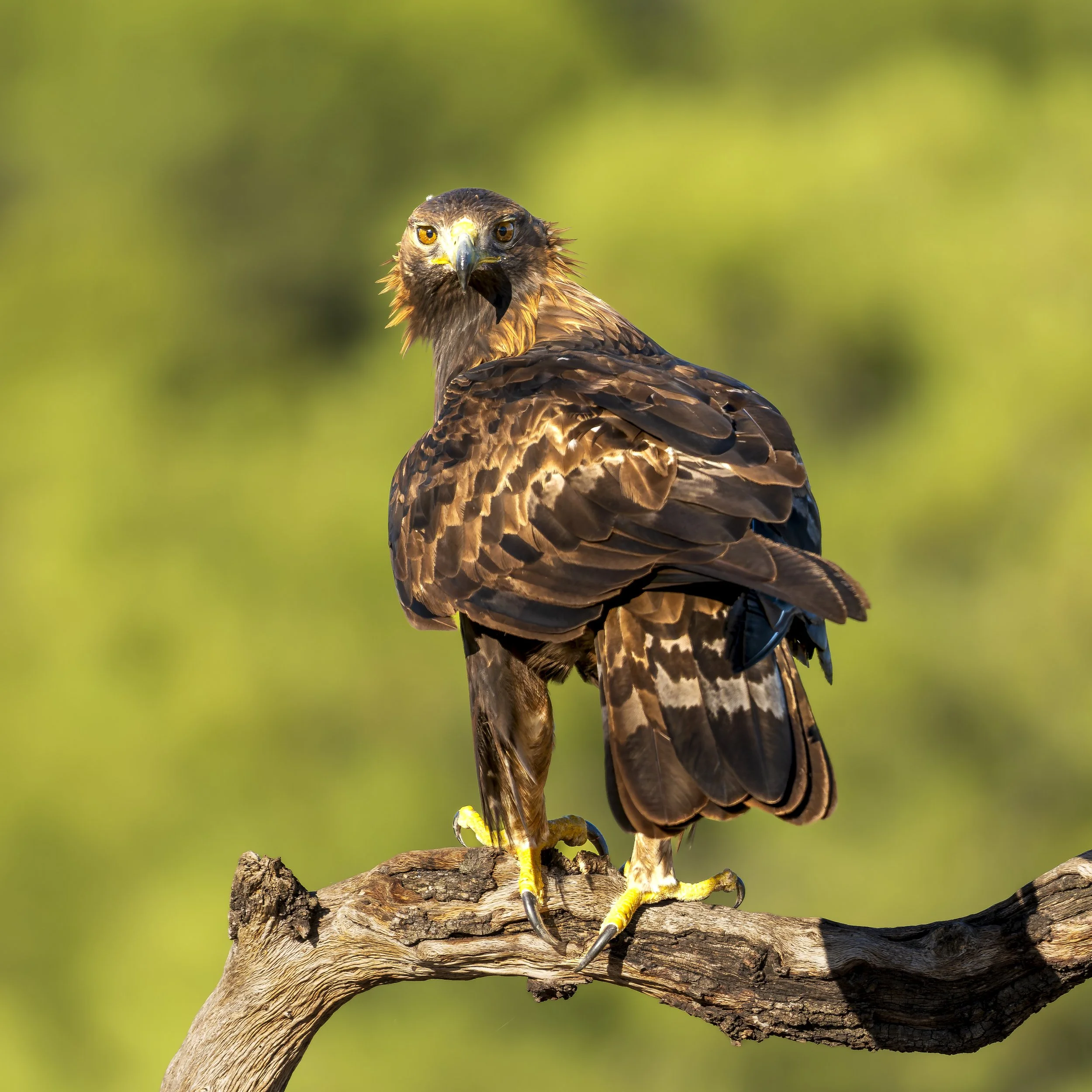
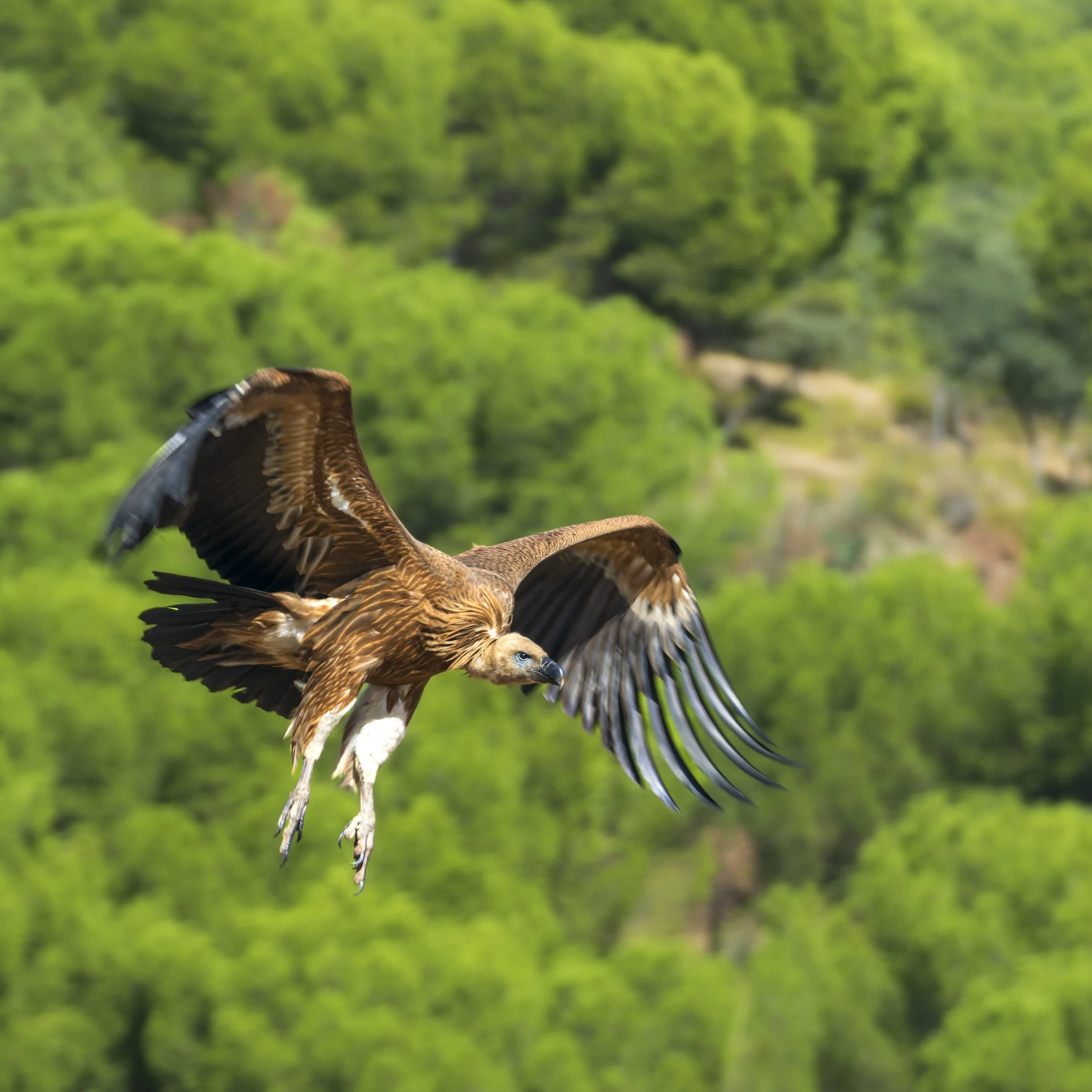
Spain is also Europe’s raptor capital. It holds over 90% of Europe’s vultures, and about half of Europe's Golden Eagles. It is also home to an endemic eagle - the Spanish imperial eagle. Much like the lynx, the Spanish imperial eagle is a story of an incredible comeback. There were less than 35 breeding adult pairs in the 1970s, and well over 600 now.
And while the numbers of lynxes and eagles are on the rise, they are still elusive. They aren’t easy to find. I’ve spent close to 100 hours in hides in Iberia and shortlisted the best places to photograph these elusive animals.
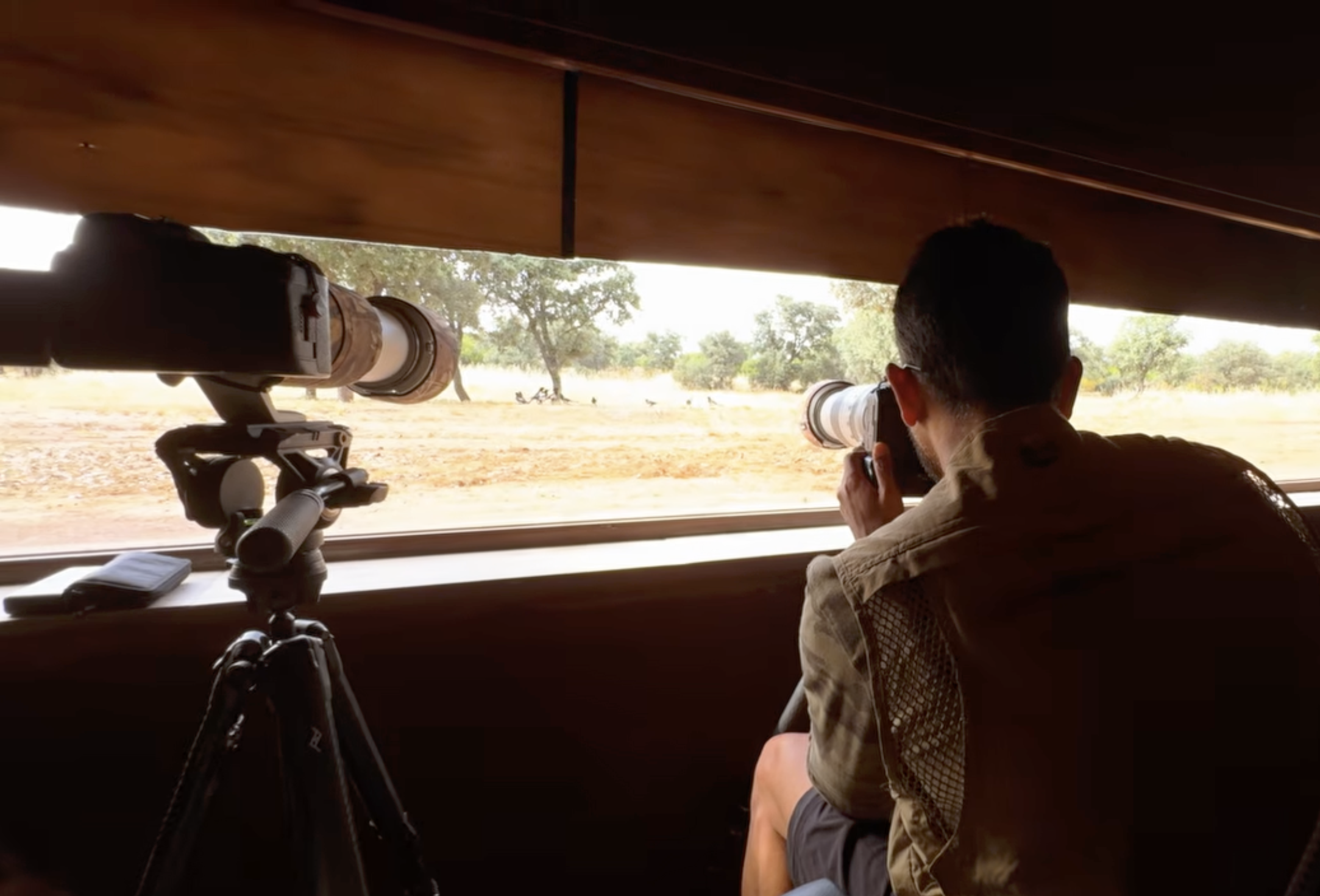
The best hides during the best season of the year
A hide is an enclosure inside a wildlife habitat that has been set up to see and photograph wildlife from up-close. A large one-way vision window ensures an unobstructed view of the wilderness area. Since the hide is a permanent structure, the wildlife is already habituated to it and approaches really close, without being aware of the photographers’ presence inside the hide. Some hides are built around water bodies, ensuring a continuous presence of wildlife.
Over multiple trips to Iberia, I’ve tried out a number of hides and handpicked the best for this adventure. These hides are designed with the interest of wildlife in mind and a deep understanding of the behaviour of the target species, so we give ourselves the highest chance of a sighting.
Every hide we step into, I’d have spent at-least a couple of sessions in in my previous trips to understand the chances of sighting, the way light changes through the session and the photography-opportunities these bring. With over 15 hours of daylight and soaring summer temperatures, we are also in the best season to photograph lynxes and raptors.
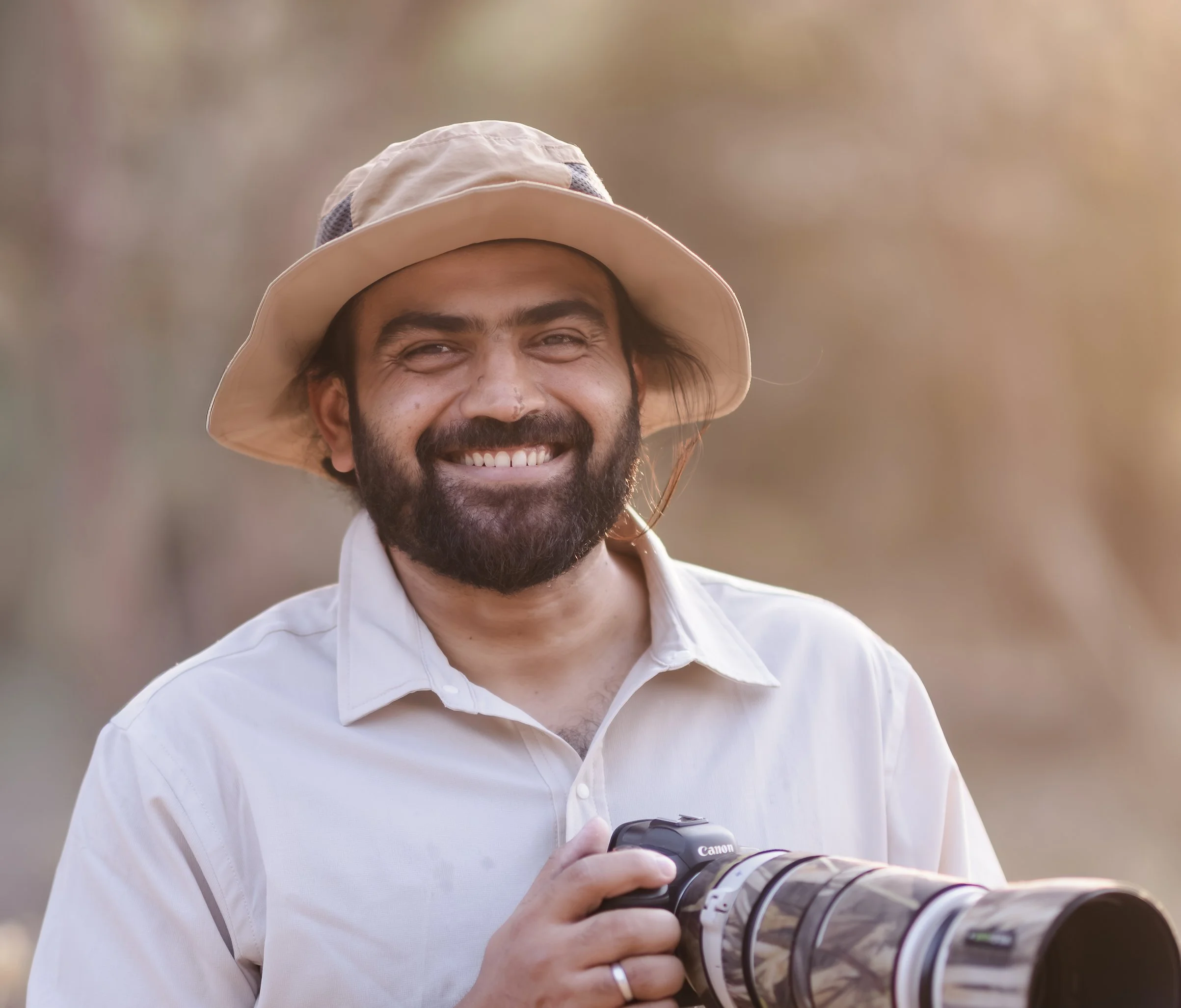
Why travel with me?
Local knowledge: I’ve done a recce of every hide we’ll be stepping into and hand-picked the ones that gives us the best chance of a sighting. Every image on this site is from my earlier trips. We’re also working with local experts, some of whom have previously worked with the Spanish government on conservation, to ensure that we can tweak our plans in accordance with sightings and updates.
My tour-leading experience: I’ve led tours and workshops in the past for Toehold Photography (2018) and Darter Photography (2013 - 2017), and based on my learnings from those tours, I’ve built an itinerary that maximizes value for photographers. There are sessions before the trip to ensure that we are comfortable with our equipment and ‘run-and-gun set-ups. There’ll be structured workshops between the sessions are going to focus on the images made in the field and bring them to life.
The maximum group size is 4, so there’ll be opportunities for 1-1 sessions as well.
My photography credentials: Over two decades, my work has been published and awarded widely. I’ve won the Smithsonian Award in the Nature Category in 2018 along with a number of other Indian awards. My photos have been widely published, such as on the international online editions of NatGeo, including the French, German and global editions. My photo-stories have also been published widely in India, and I’ll be able to help you with craft a story about the trip through images along with stellar photos of the marquee species.
This trip is going to be all about your photos, and ensuring that you make the most of every sighting. I’ll also take photos of you in the field, so that you have enough to share back with your family and friends, and on your socials.
What to expect
A series of 1-1 video-calls to understand your goals for the trip, guidance on gear, settings and custom modes on the camera based on your current understanding of photography and your equipment.
Guidance on equipment rentals if you don’t have the right gear.
Before
On the trip
10 sessions across photography hides, each selected for a rare / endemic species.
3 Sessions on editing, composition and story-telling.
Live guidance inside the hide on composition and alternate angles to make the most of every hide sighting and scenario . Hide etiquette demands silence, so instructions will be whispered through a one-way radio.
You don’t worry about selfies, I capture the BTS photos for you to share with your family / friends / socials.
After
Feedback on a select portfolio from the trip .
Continued mentorship after the trip ends.
Access to a Telegram community of wildlife photographers - a closed and safe space for discussions on everything wildlife photography related.
Exclusive early bird access and discount to upcoming wildlife tours / workshops.
At the end of this expedition, you’ll not just have a number of portraits, but series of photos that tell a story of some incredibly rare wild animals, a portfolio from Iberia and photos you’ll want print and hang up on your wall.
-
![]()
Golden Eagle
-
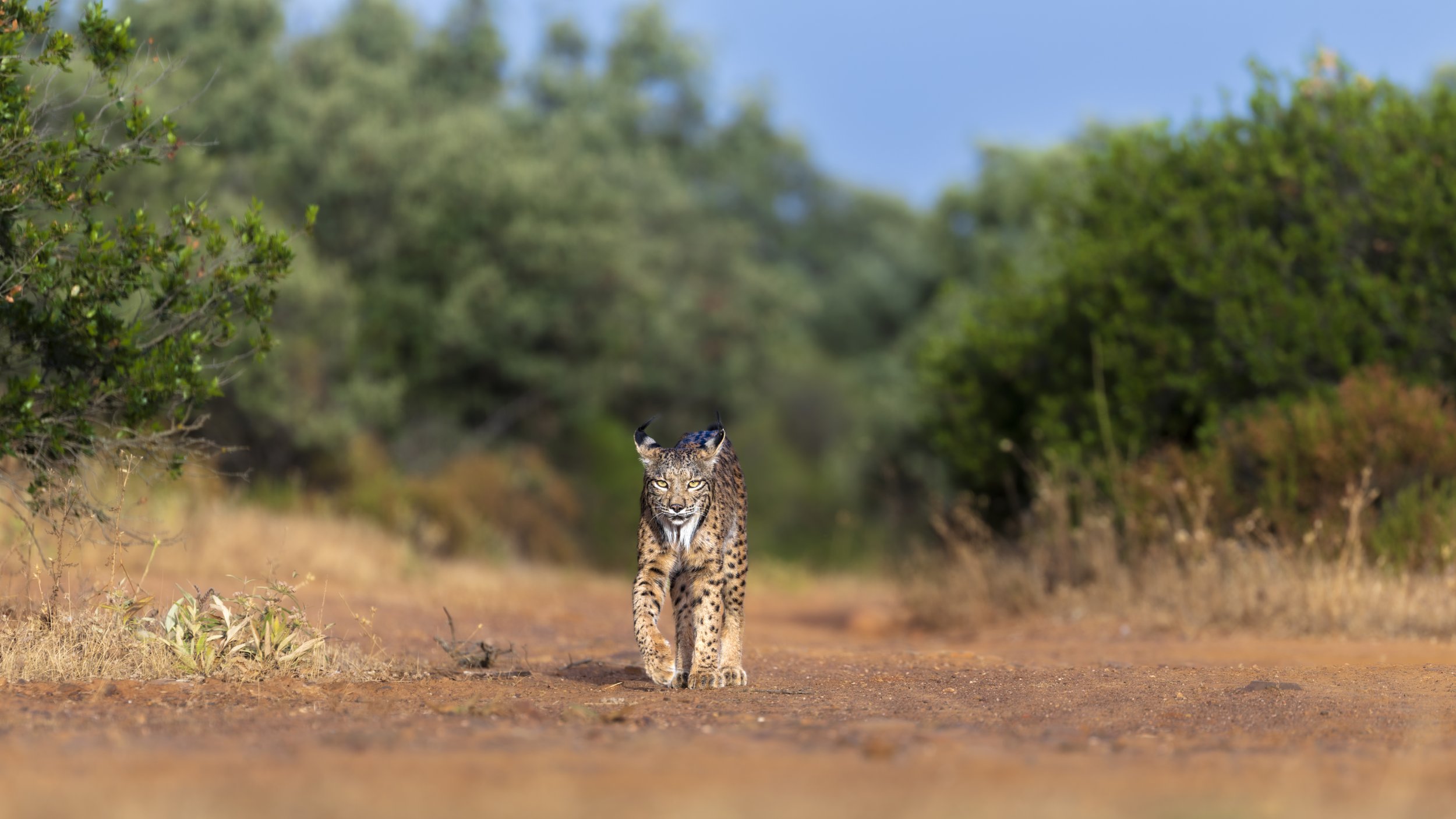
![Iberian Lynx]()
Iberian Lynx
-
![]()
Beech Marten
-
![Northern goshawk]()
Northern goshawk
-
![]()
Litle Owl
-
![]()
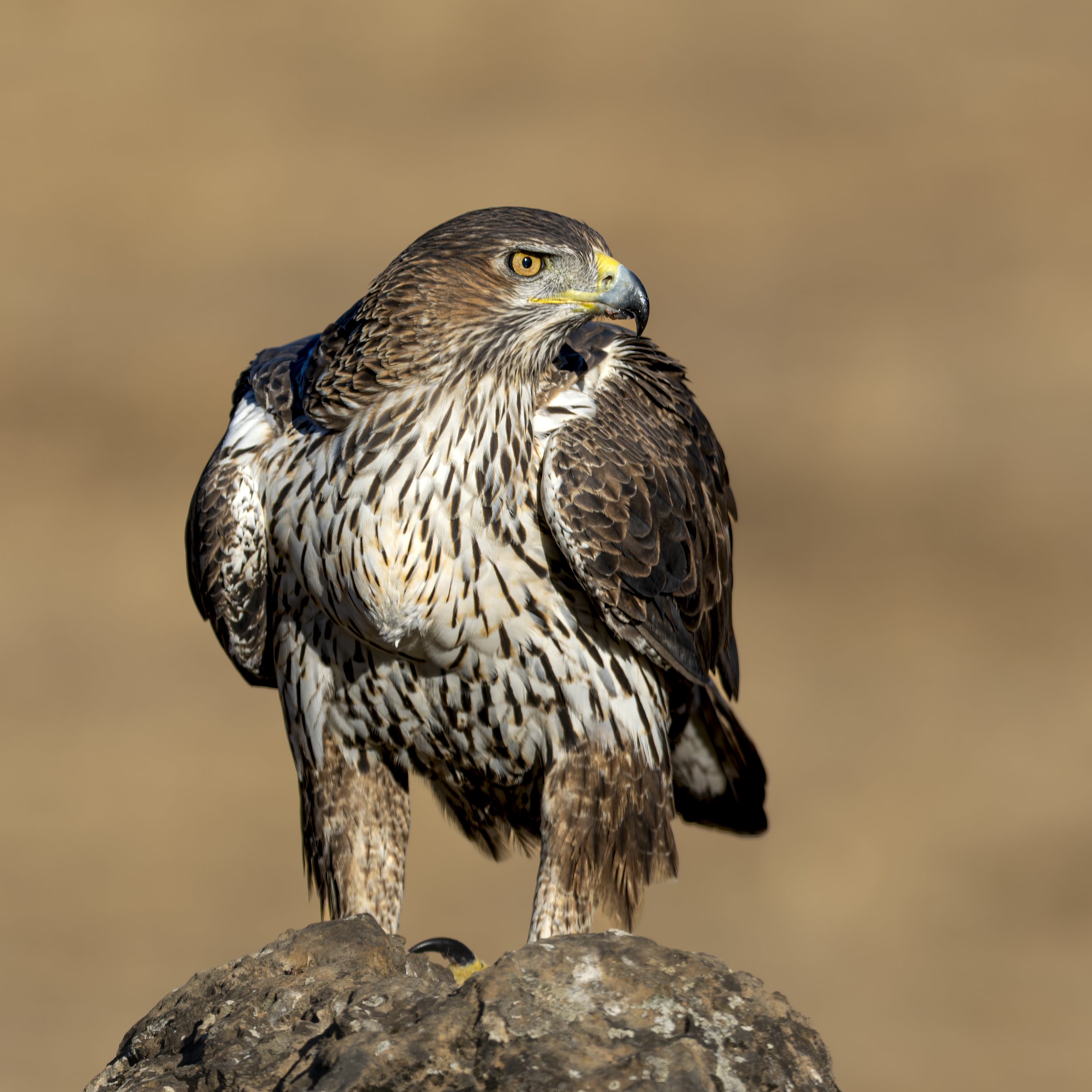
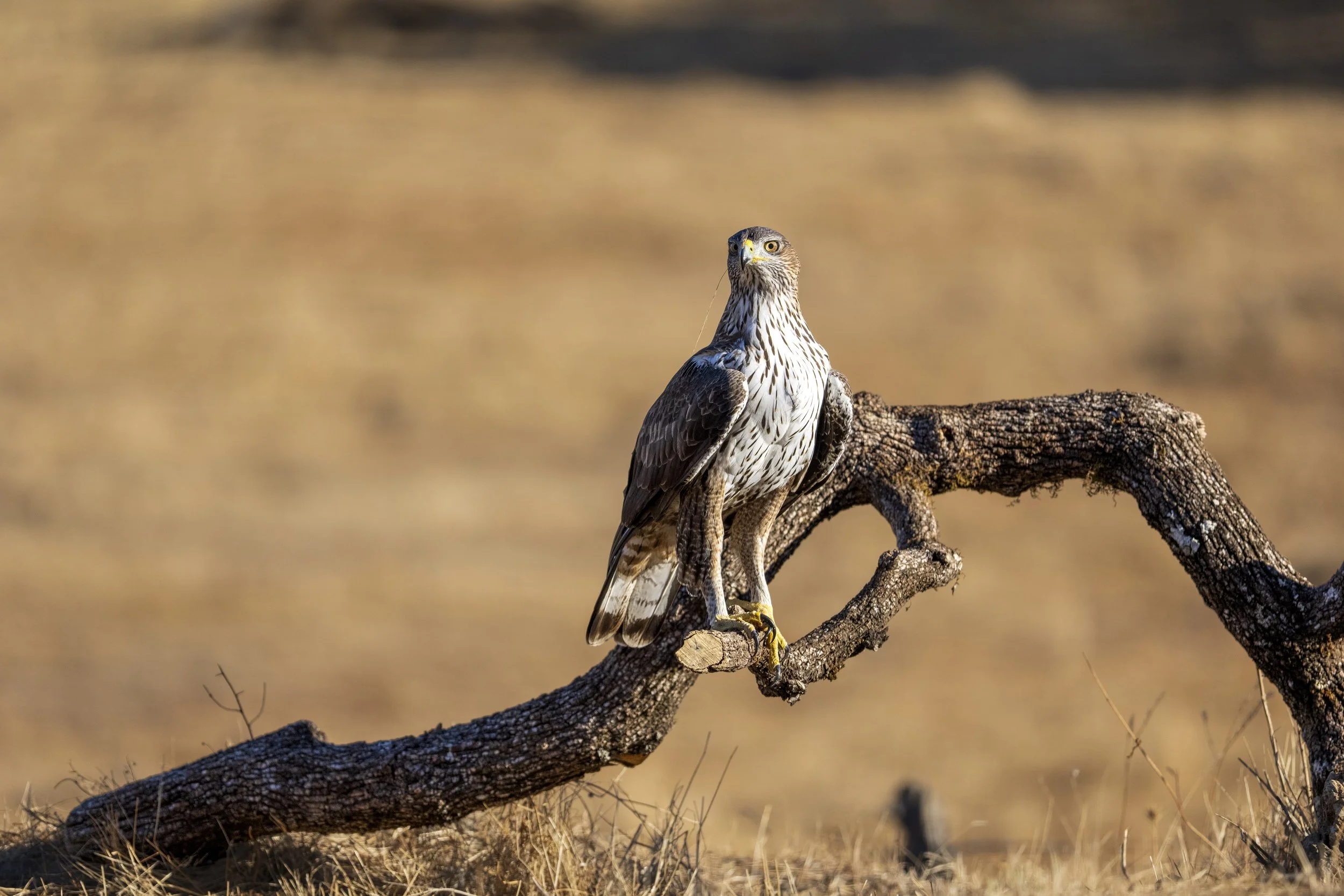
Bonelli's Eagle
-
![]()
Griffon
-
![]()
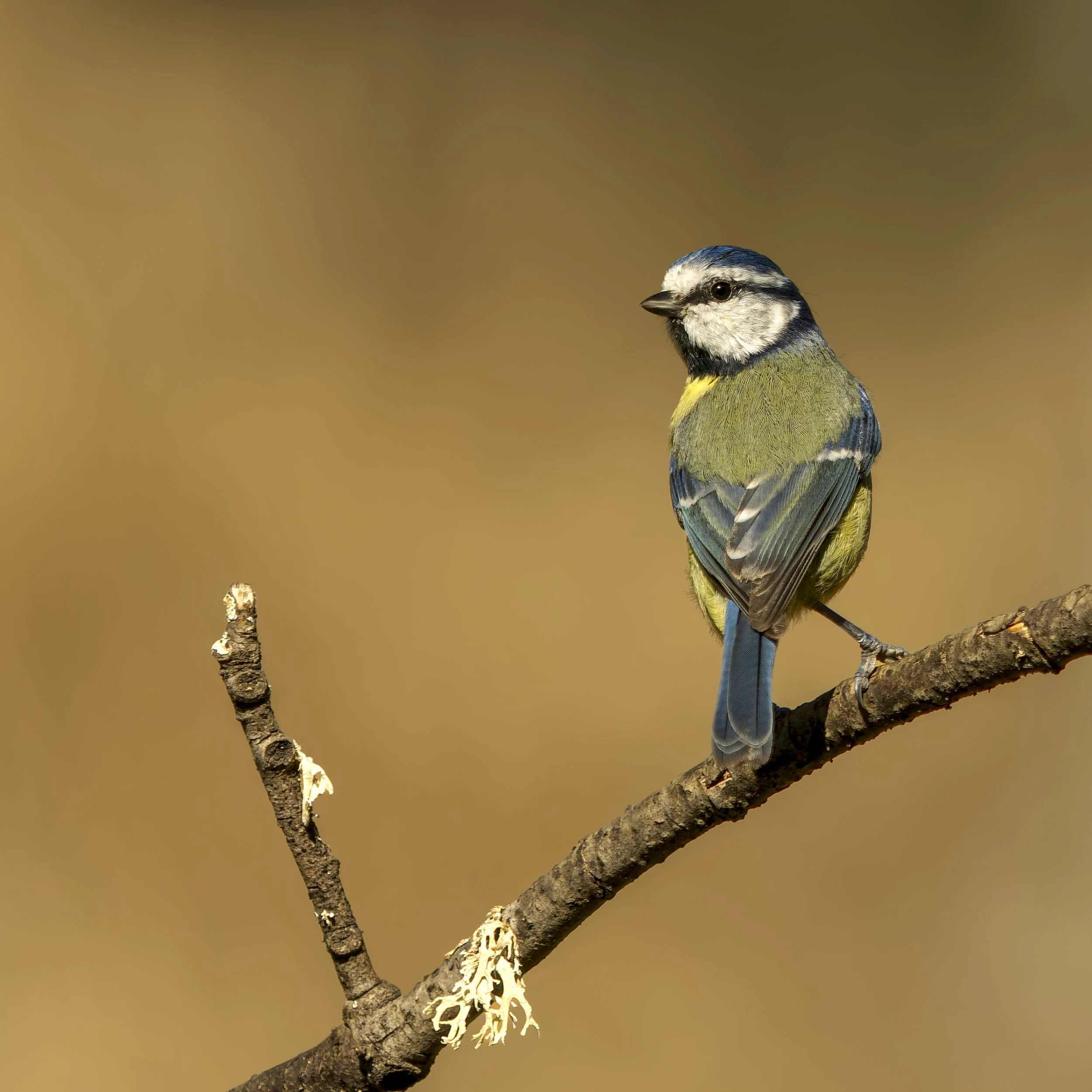
Blue Tit
-
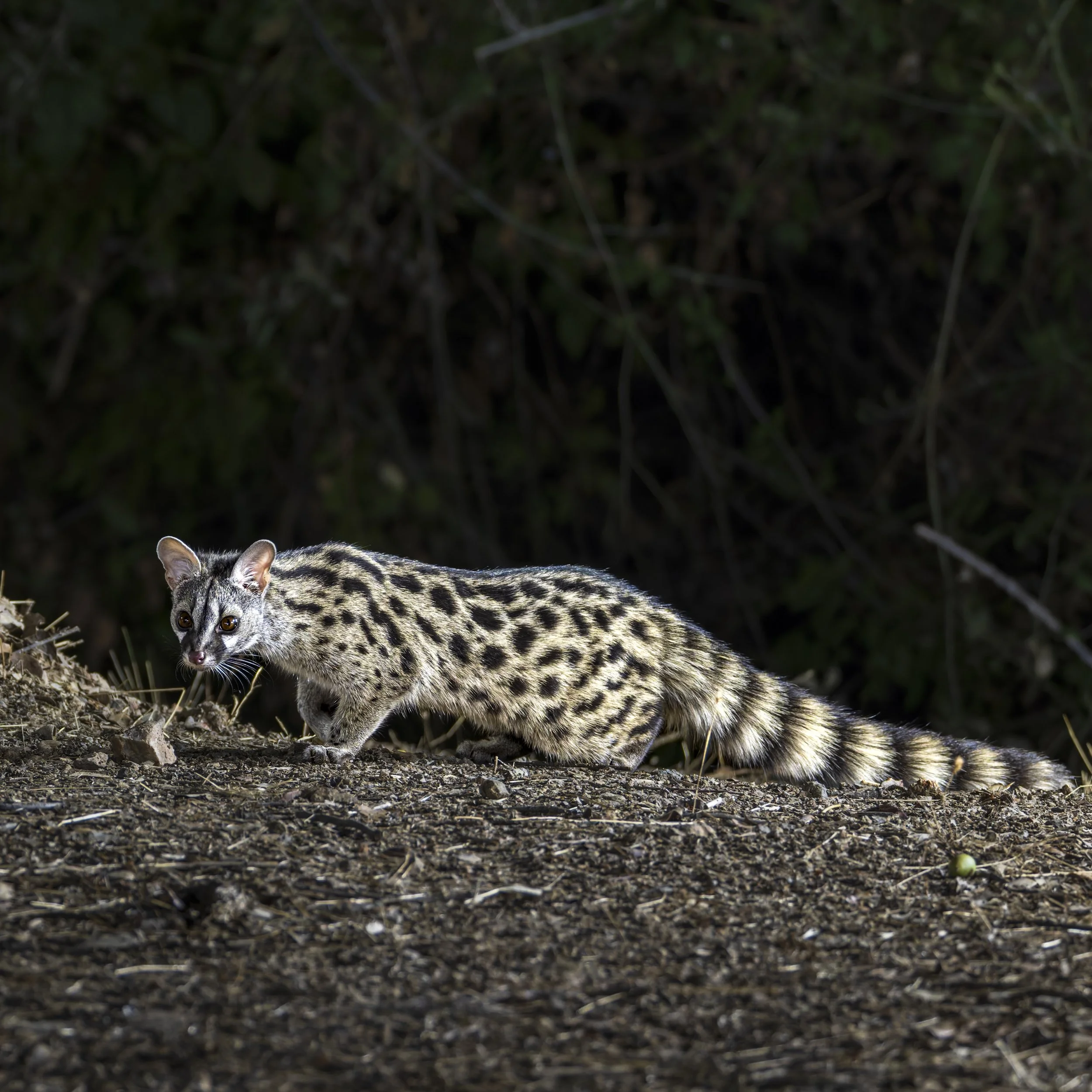
![Genet]()
Genet
-
![]()
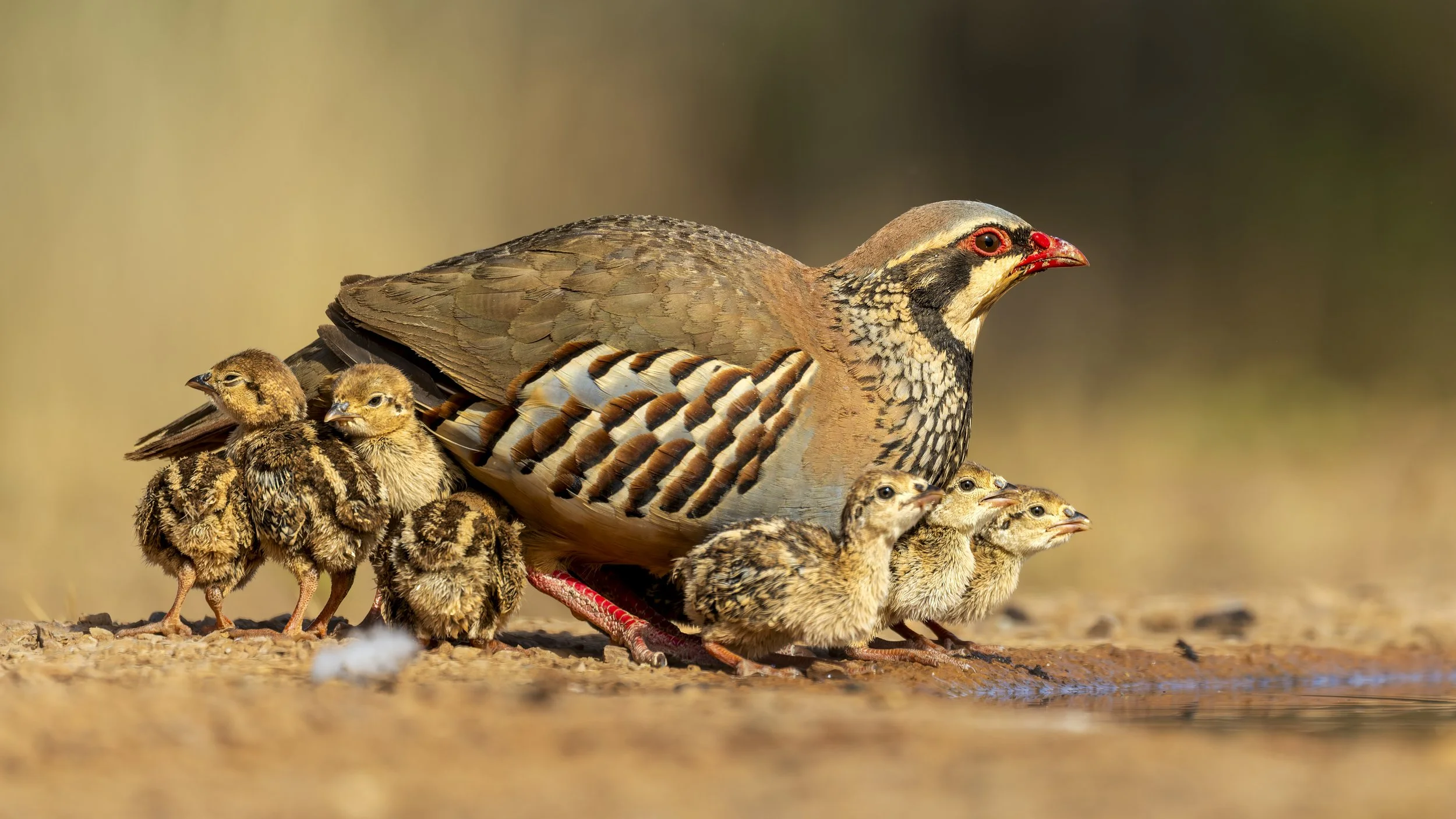
Red-legged partridge
-
![Iberian lynx, Spain, Iberia]()
Iberian lynx
-
![Red-legged partridge]()
Red-legged partridge
-
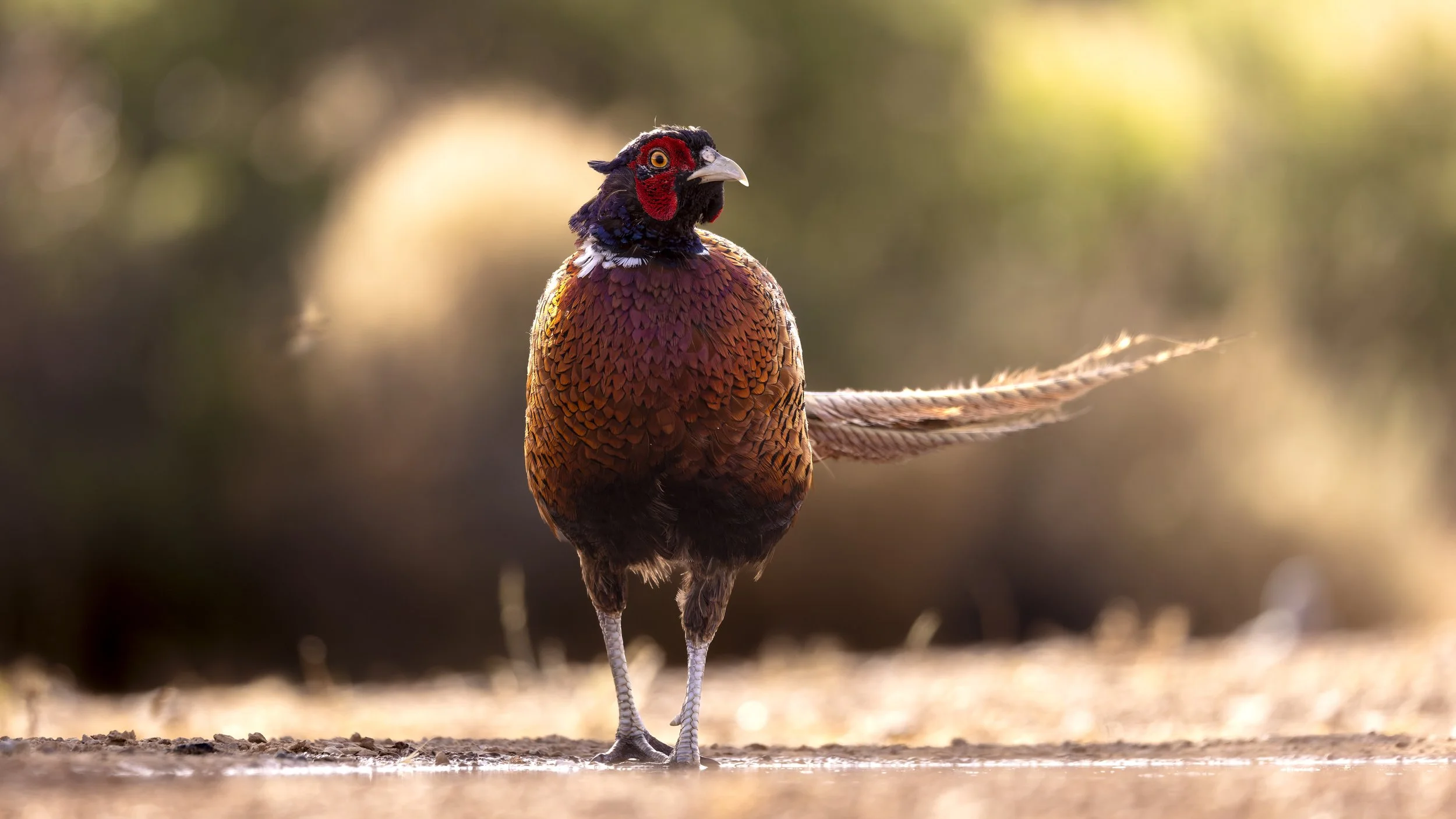
![Common Phesant]()
Common phesant
-
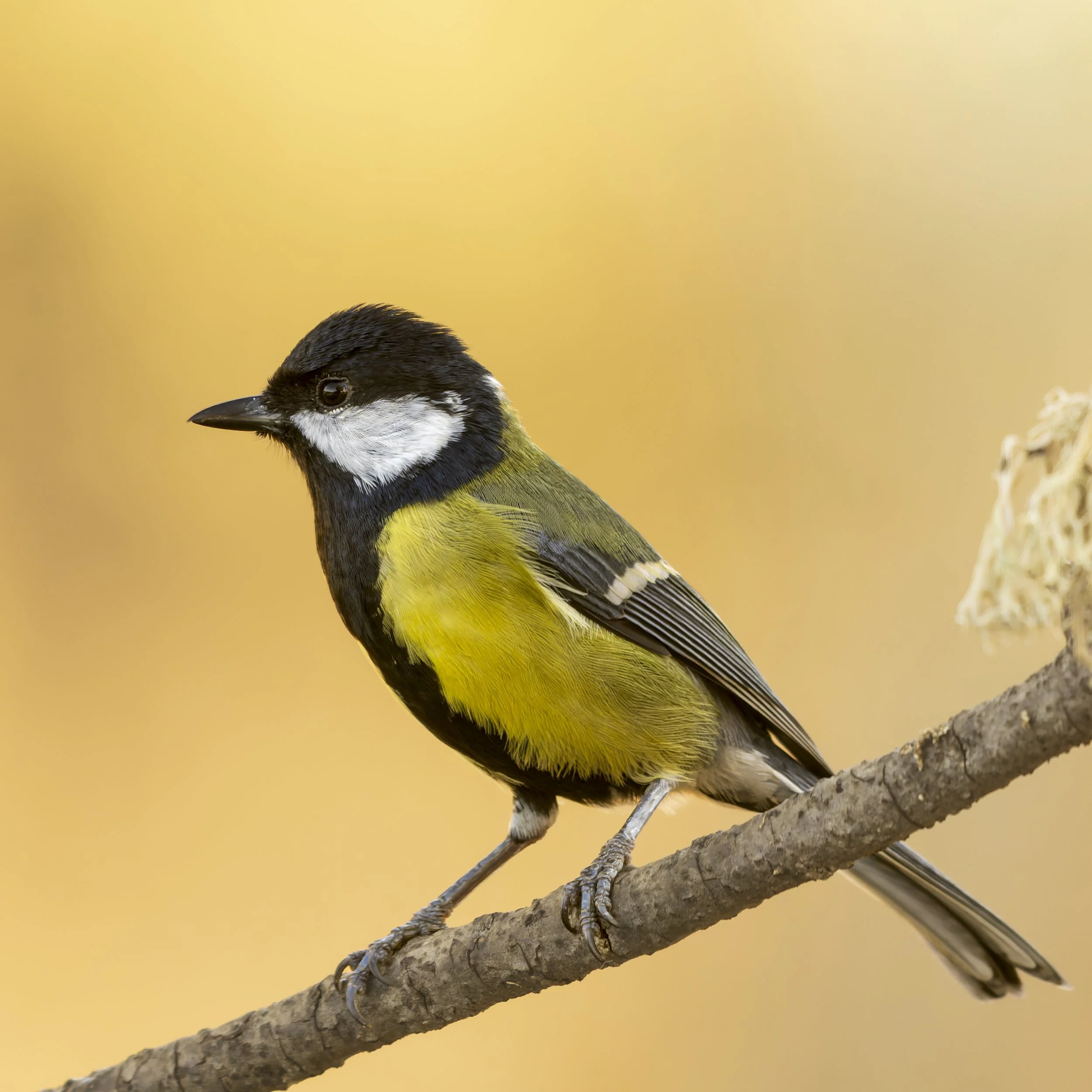
![Great tit]()
Great tit
-
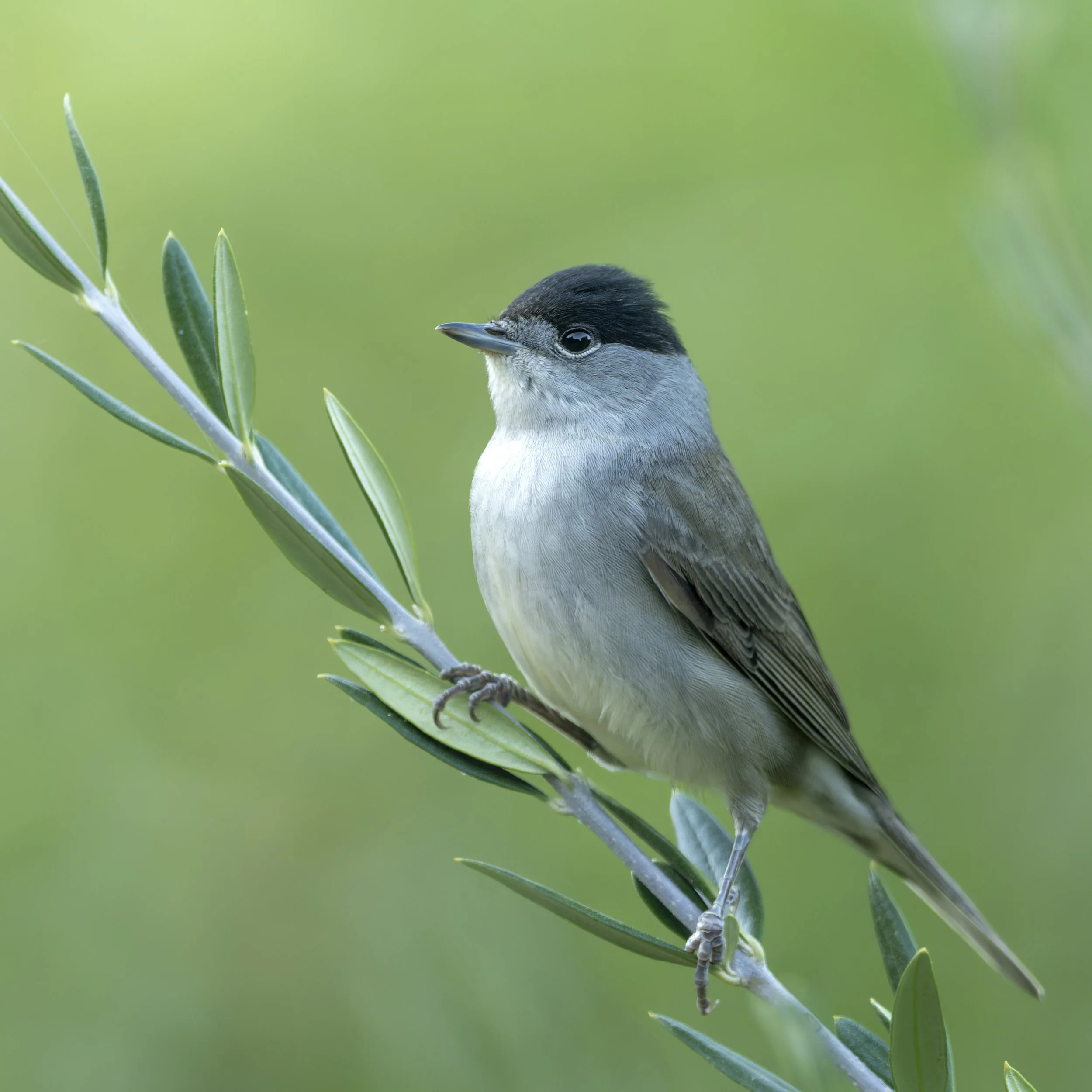
![Eursian Black Cap]()
Eurasian Black Cap
-
![Genet]()
Genet
-
![Iberian lynx]()
Iberian lynx

Itinerary
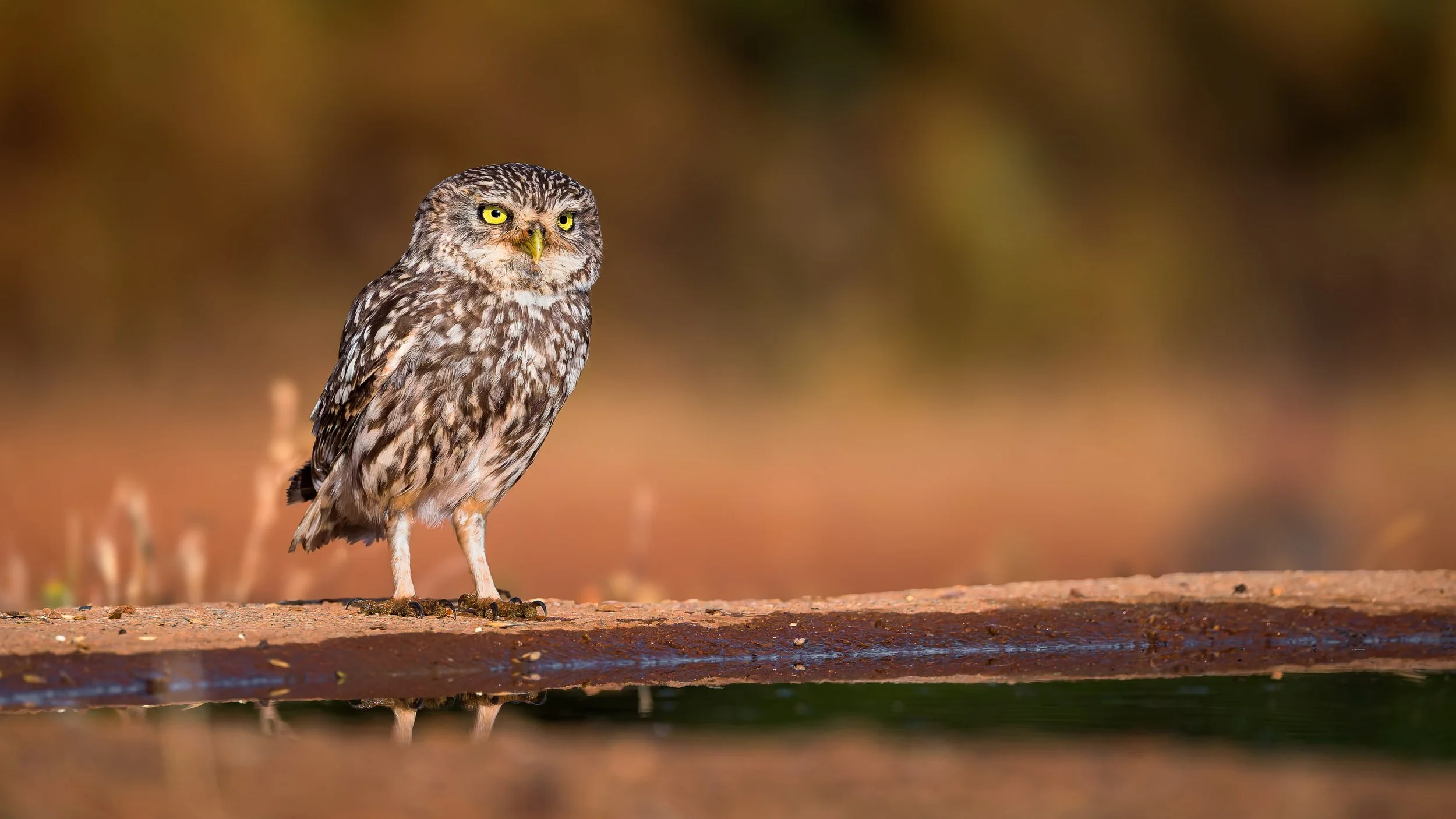
We land in Madrid and drive into the heart of the Iberian Peninsula to a town called Adamuz in the Andalusia region. Our focus in Andalusia is on the Golden Eagle, Spanish Imperial Eagle, Bonelli’s Eagle, Genet, Marten, and a number of other passerine birds.
After two days in Adamuz, we will drive to Peñalajo, one of the best places in Spain for the Iberian Lynx. We have 6 hide sessions to photograph the elusive lynx. All of these are around water holes to give us the best chance of an encounter.
Day 1 | May 29th | Saturday
Land in Madrid and a group transfer to Adamuz, a town in the Cordoba province. Check into hostel.
Briefing on activity for the next 2 days and a camera settings refresher.
Day 2 | May 30th | Sunday
Morning hide session: Golden Eagle
Post-noon hide session: Spanish Imperial Eagle
Nocturnal hide Session: Nocturnal Mammals
Day 3 | May 31sh | Monday
Morning hide session: Bonelli’s Eagle
Leave for Peñalajo post brunch
Evening hide session at Penalajo: lynx
Day 4 | June 1st | Tuesday
Morning hide session: Lynx
Late Afternoon: Photography workshop
Evening hide session: Lynx
Day 5 | June 2nd | Wednesday
Morning hide session: Lynx
Late Afternoon: Photography workshop
Evening hide session: Lynx
Day 6 | June 3rd | Thursday
Morning hide session: Lynx
Drive back to Madrid - drop off at hotels / Airport.
Gear
Lens: A zoom lens that gives you a flexibility between 200mm to 400/500mm would be ideal. At 400 mm, you’ll be able to get good images of the raptors at the hides. At 600mm it’ll be a frame-filling raptor shot and nothing else. For the lynx, 400mm will be nice for tight portraits. The water-hole hides also have some brilliant backgrounds and about 200mm will be perfect for scape shots there. I’ve shared a couple of images of the Bonelli’s eagle below for your reference.
Camera: Both a full-frame and a crop camera work well. A full-frame has a slight advantage at some of the hides that are designed for back-light conditions in the evening, and a full frame camera handles the dynamic range a tad better than a crop.
A tripod or monopod with a gimbal / ball-head / fluid head is important. Each hide session is 4-5 hours long, so the tripod acts as a nice support.
Laptop, hard-disks, memory cards and some more memory cards: I’ve always underestimated how much memory I’ll need on each trip. The waterhole hides have continuous activity, and the light is constantly changing, mostly for the better. So the shot of the partridge at the start of the session won’t be the same as the shot of the partridge at the end. And then there are birds playing in the water all the time. And of course, the lynx. So carry your HDs and your laptops, and there will be sufficient downtime to transfer images.
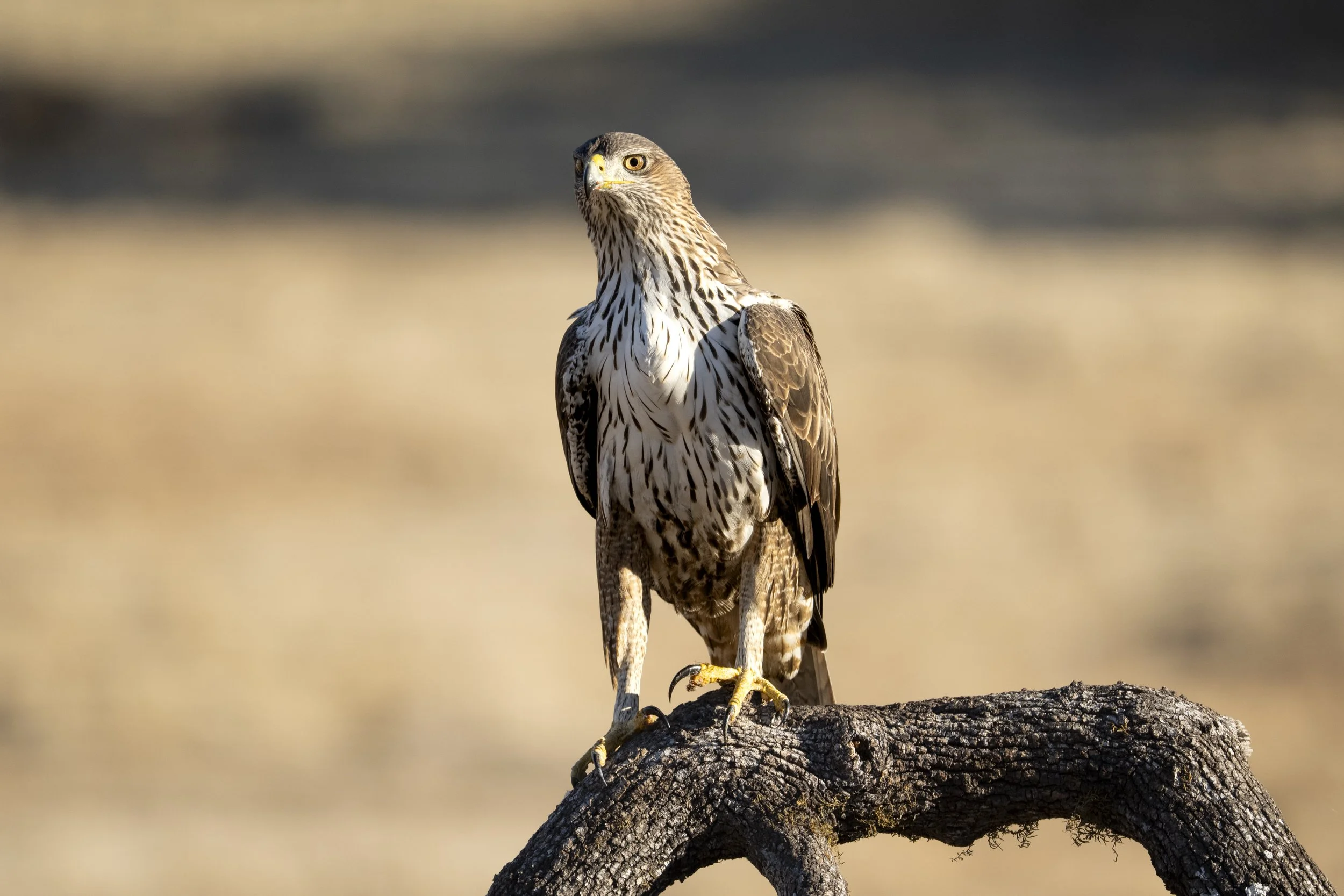
Uncropped image @ 600mm on a full frame camera
Uncropped image @ 400mm on a full frame camera
Cost
EUR 2850 / person (sharing)
The stay for the first leg at Adamuz is single occupancy. The stay for at second leg at Peñalajo can be changed to a single supplement at an additional cost of EUR 250 / person.
Inclusions:
All transport and transfers to/from Madrid airport
Accomodation and food (breakfast, lunch, dinner)
Daily transfers to / from the hides
10 photo sessions in the hides
Naturalist & Guide fees
Exclusions:
Flights to/from Madrid
Alcoholic drinks
Tips
Personal expenses
Equipment rental if any
Medical Insurance
Frequently Asked Questions
-
This trip is for all levels of nature or wildlife photographers. If you are a beginner, I’ll have a few sessions with your before the trip to understand your goals, the equipment you are carrying and help you have the right settings in place before the first session.
If you are an experienced wildlife photographer, while I’ll always be there for any technical guidance, we’ll work together on the more creative aspects - going beyond safe portraits, the different compositions, scapes and bringing the story of your trip to life.
-
Of course you can. Iberian lynxes are best observed from inside a hide. However, hide sessions are fixed duration sessions, so you need to be mentally prepared to spend upto 10 hours a day in hide in Spain’s summer.
-
The lynx hides are all around water holes, so no baiting there.
Some raptor hides are baited with carrion. No live baits anywhere. There are stringent rules on baiting in Spain, and we work with hide providers who have the best interest of wildlife in mind. One of the naturalists we work with is an ex-conversation expert who worked on monitoring Spanish imperial eagle nests.
-
Baiting is legal in Spain, and is done in the most ethical manner. For more context on this, refer to this <blog>.
Every single feeding site is approved by the local wildlife authorities. The approval specifies which species it is going to be used for as well as the carrion that is used for baiting. There are also norms on how frequently each hide can be used.
At no point do the eagles come in contact with people to avoid habituation as much as possible. We enter a hide when there is no wildlife around, and we are picked up by our guide after the wildlife has left. A limited amount of carrion is placed near a perch on a hide. This is randomized as much as possible to mirror the natural carcass availability for these birds of prey.
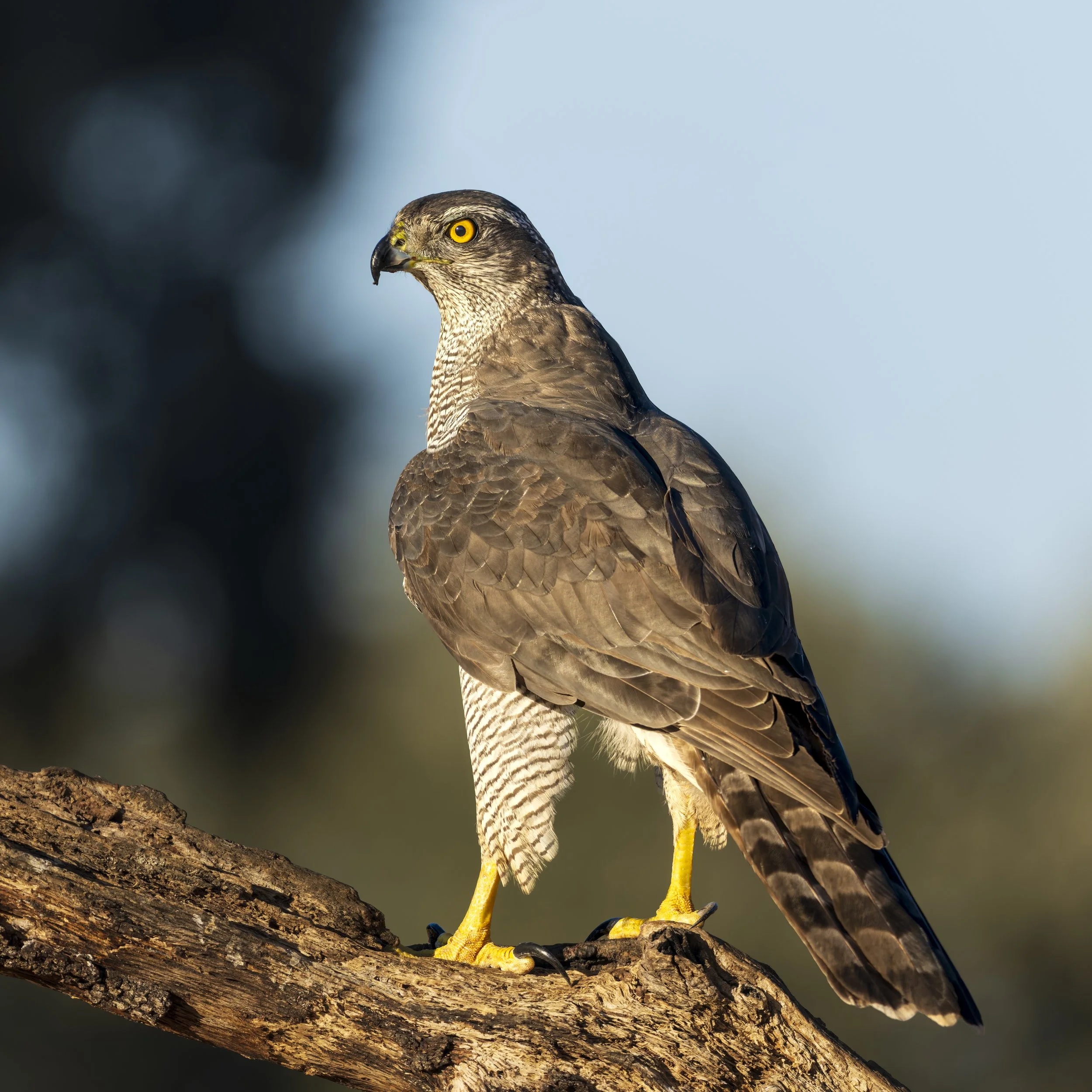
I’ve been in hides inside the territories of Goshawks and Spanish imperial eagles, and not seen them in entire sessions - so putting carrion at a hide does not guarantee a sighting
-
Most hides in Adamuz have a chemical toilet (no running water or a flush out). Some hides have this toilet behind a curtain, so it is for emergencies alone.
Some hides don’t have a toilet, especially in Penalajo. For these, carrying an empty bottle is recommended.
An important consideration for summer will be the heat. Hides are greenhouses and trap heat. Some hides have fans, and most of these run on a battery, so we’ll need to use these judiciously, when it is the hottest - towards the end of the morning sessions and the start of the evening sessions
-
Hot and unpleasant. Which works well from a wildlife sighting POV, but we’ll need to carry enough water.
-
Ideally a zoom lens that offers from 200-500 mm. However, if you are carrying a prime lens, then I’d recommend carrying a second body with a wider lens. It is not going to be possible to change lenses in a hide.
For the nocturnal photography session, a fast lens ( f 2.8 or f 4.0) would be ideal.
A tripod or a monopod with a base is strongly recommended. Please also carry a laptop / HD to transfer your images, as well as a number of memory cards. A waterhole in summer is as busy as it gets, and there’s always something to photograph.
-
Yes, I’ve specifically made for that request, but it is going to be a limited option, especially in Adamuz. We will have only a few items on the menu.
On the non-veg front, pork and beef are going to be more prevalent than chicken or seafood. Gluten is a big part of the meal in Adamuz.
-
Yes, the single room supplement costs extra, and is mentioned above.
For what it’s worth, this is the cost at Penalajo alone since at the hostel at Adamuz, we’ve already opted for single accomodation for everyone.