

Madagascar: a riot of colour
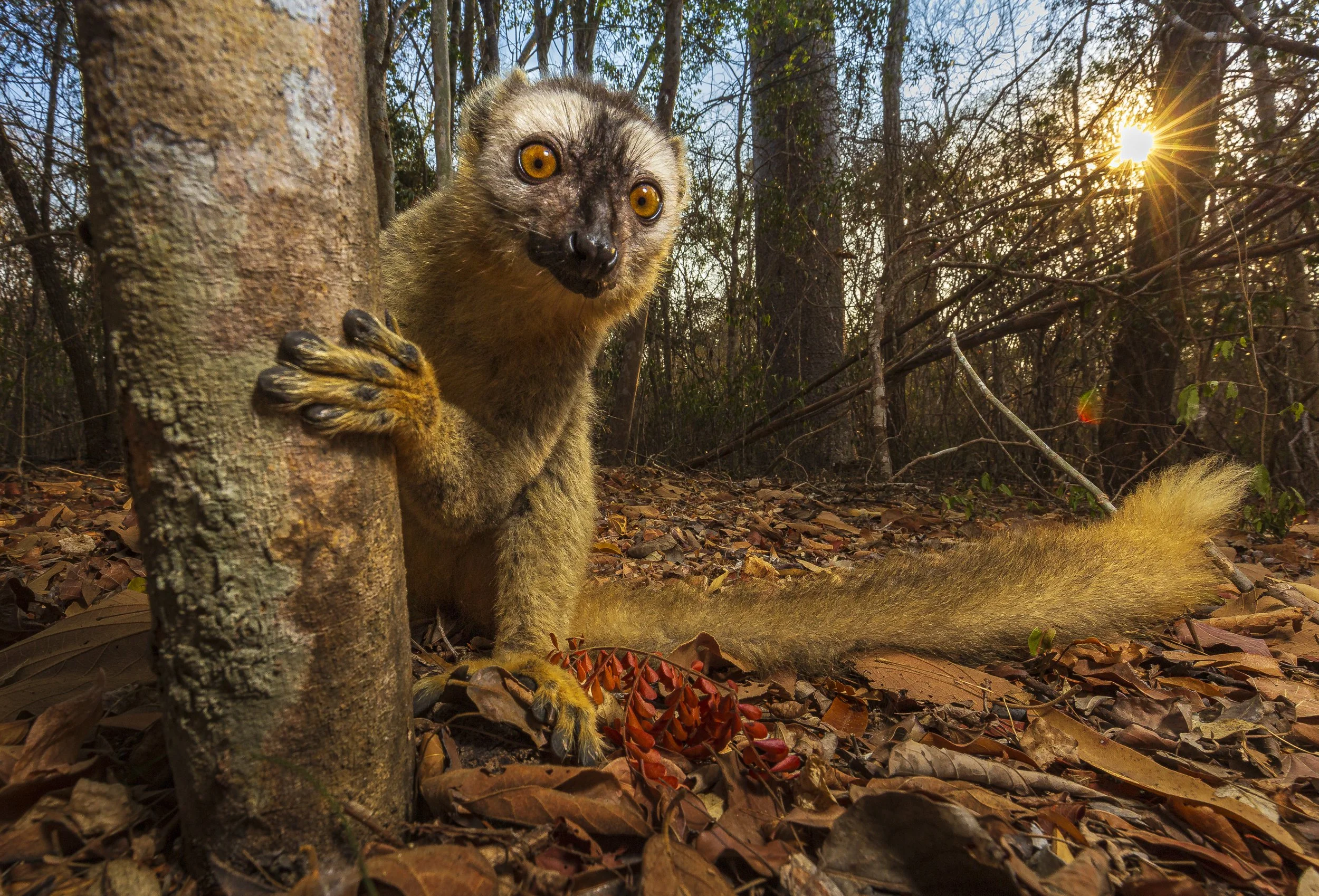
180 million years ago, Madagascar separated from the mainland of Gondwananaland and drifted with the Asian landmass. Around 90 million years ago, it separated from the Asian landmass too. Since then, it has been an isolated land mass.
And during this time, life there has evolved, and how, without interference from either of the two large landmasses it drifted away from.
I went to Madagascar in 2018. The colours, shapes and behaviour of the wildlife in Madagascar is nothing like I’d ever come across. It was as if evolution was rebellious, and gave no hoots to brand guidelines of the mainlands of Africa and Asia.
Baobabs
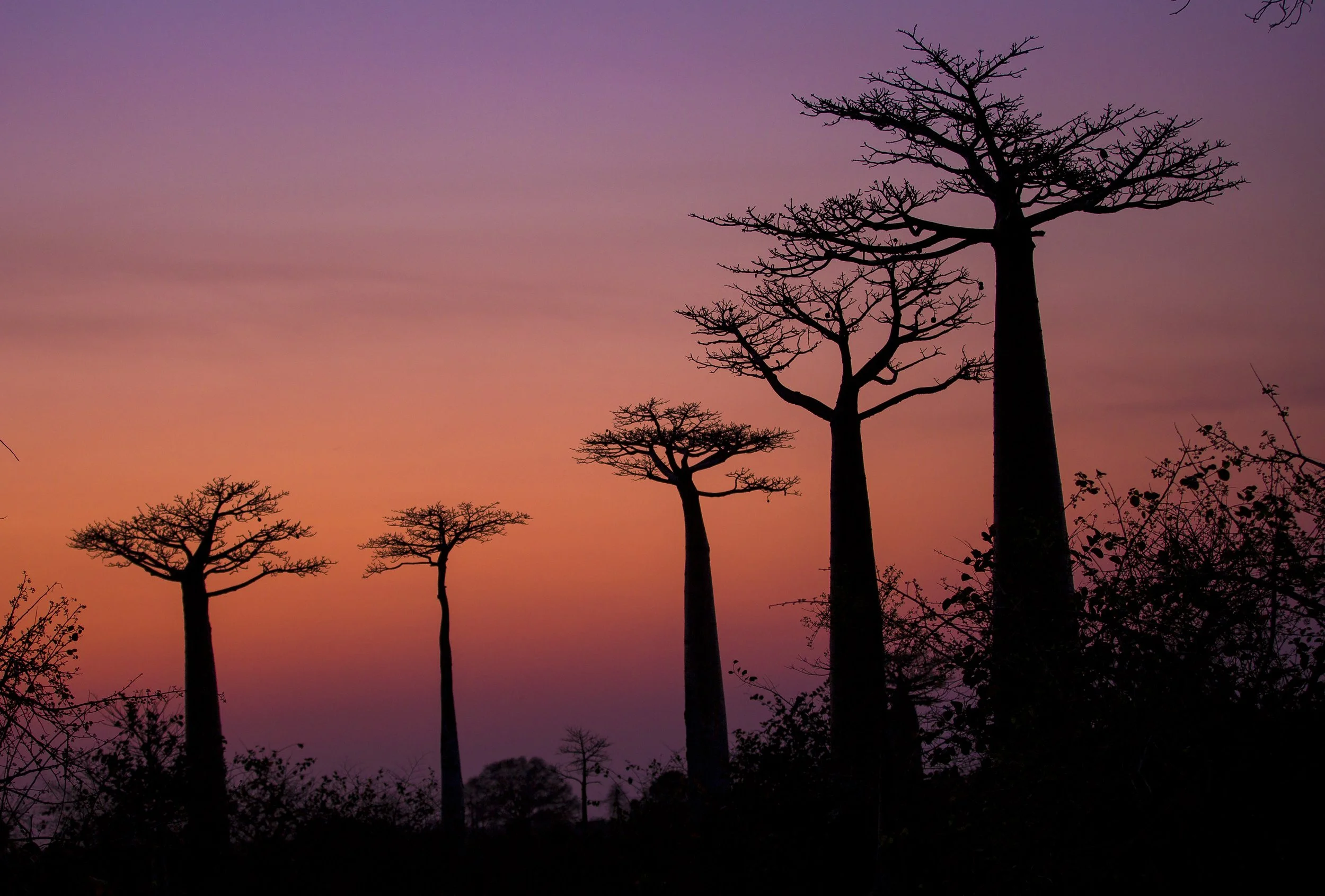
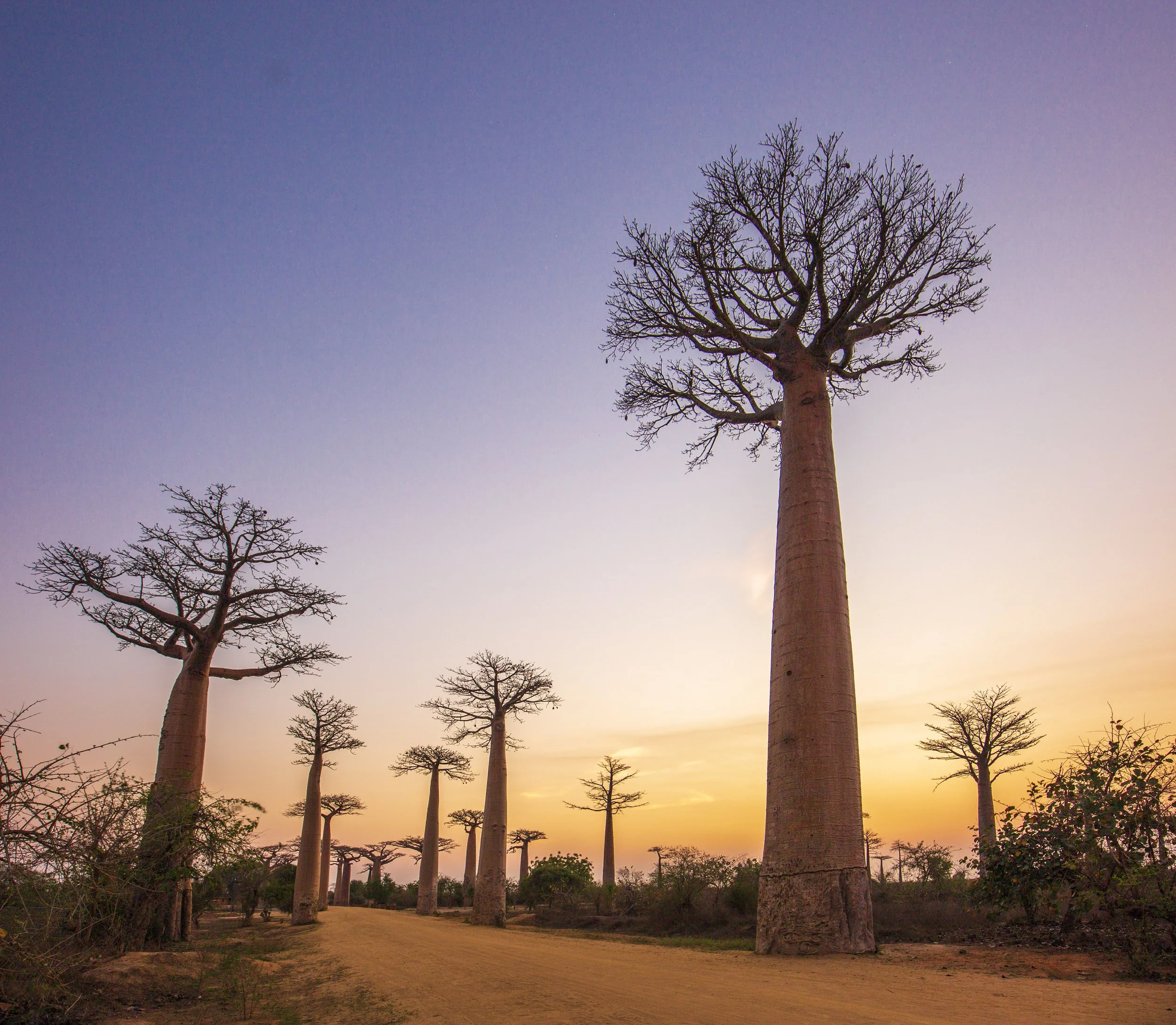
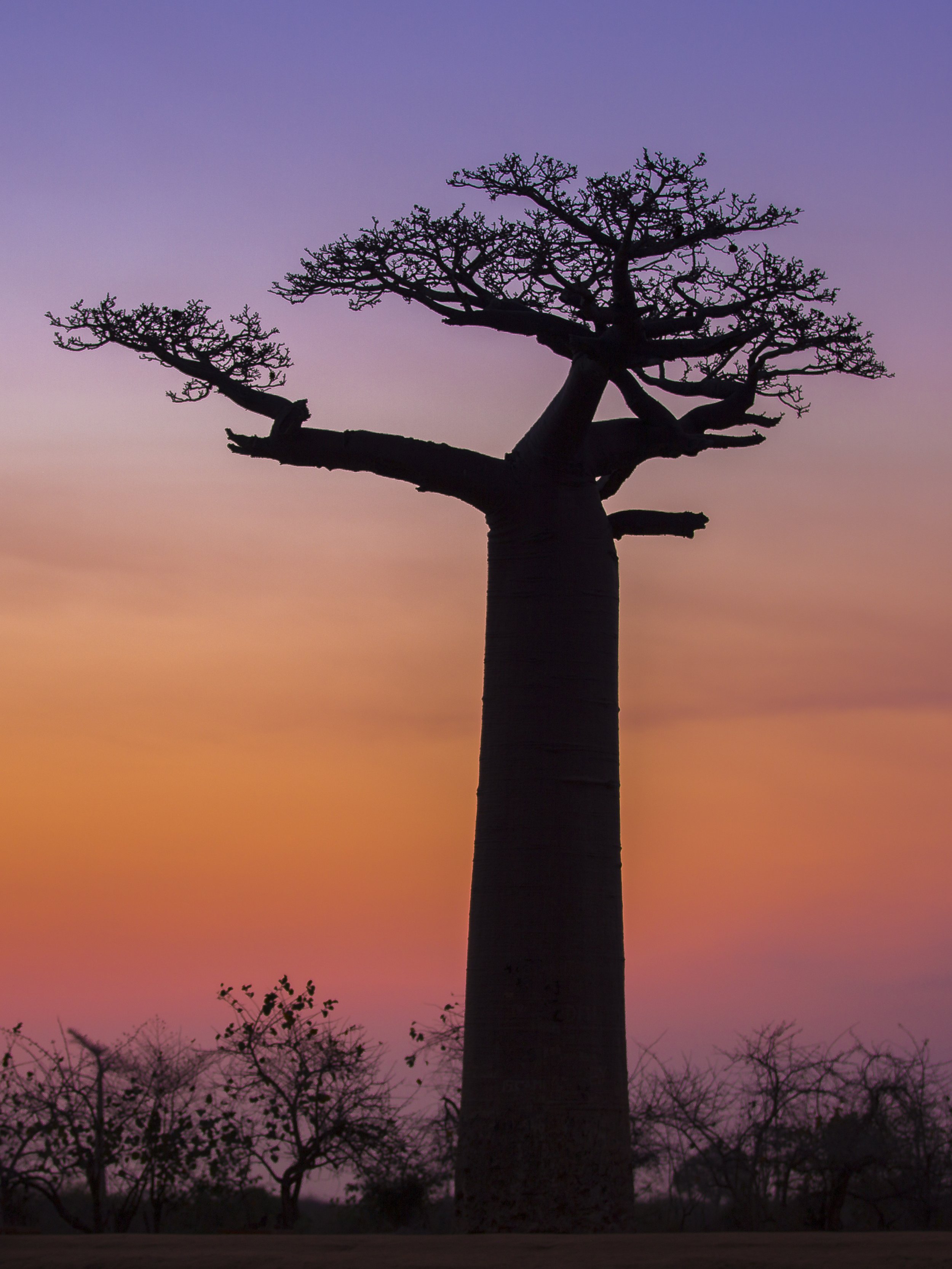
Of the eight known baobab species worldwide, six are endemic to Madagascar. This most iconic species is Adansonia grandidieri, seen along the Avenue of the Baobabs in western Madagascar.
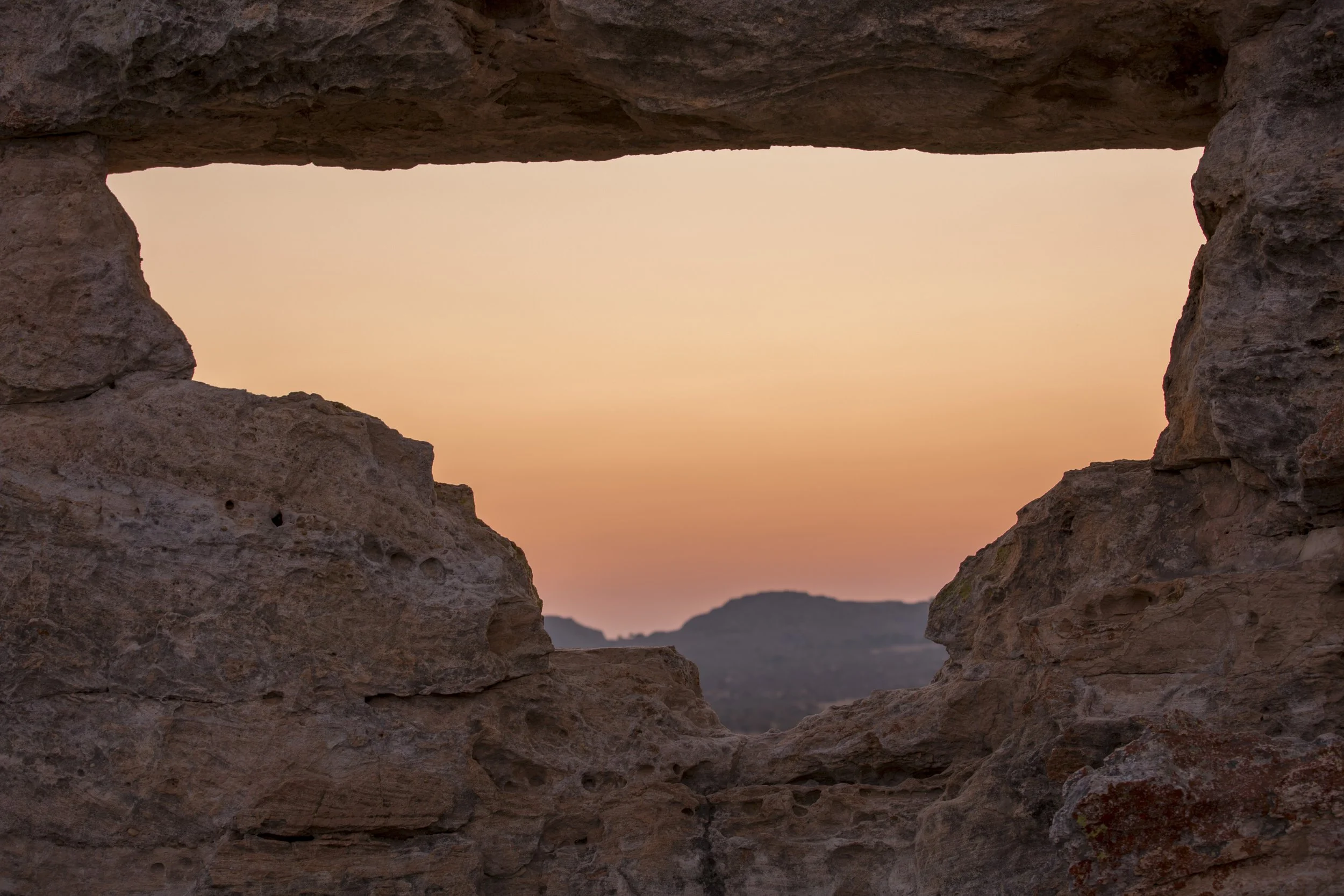
Jurassic rocks
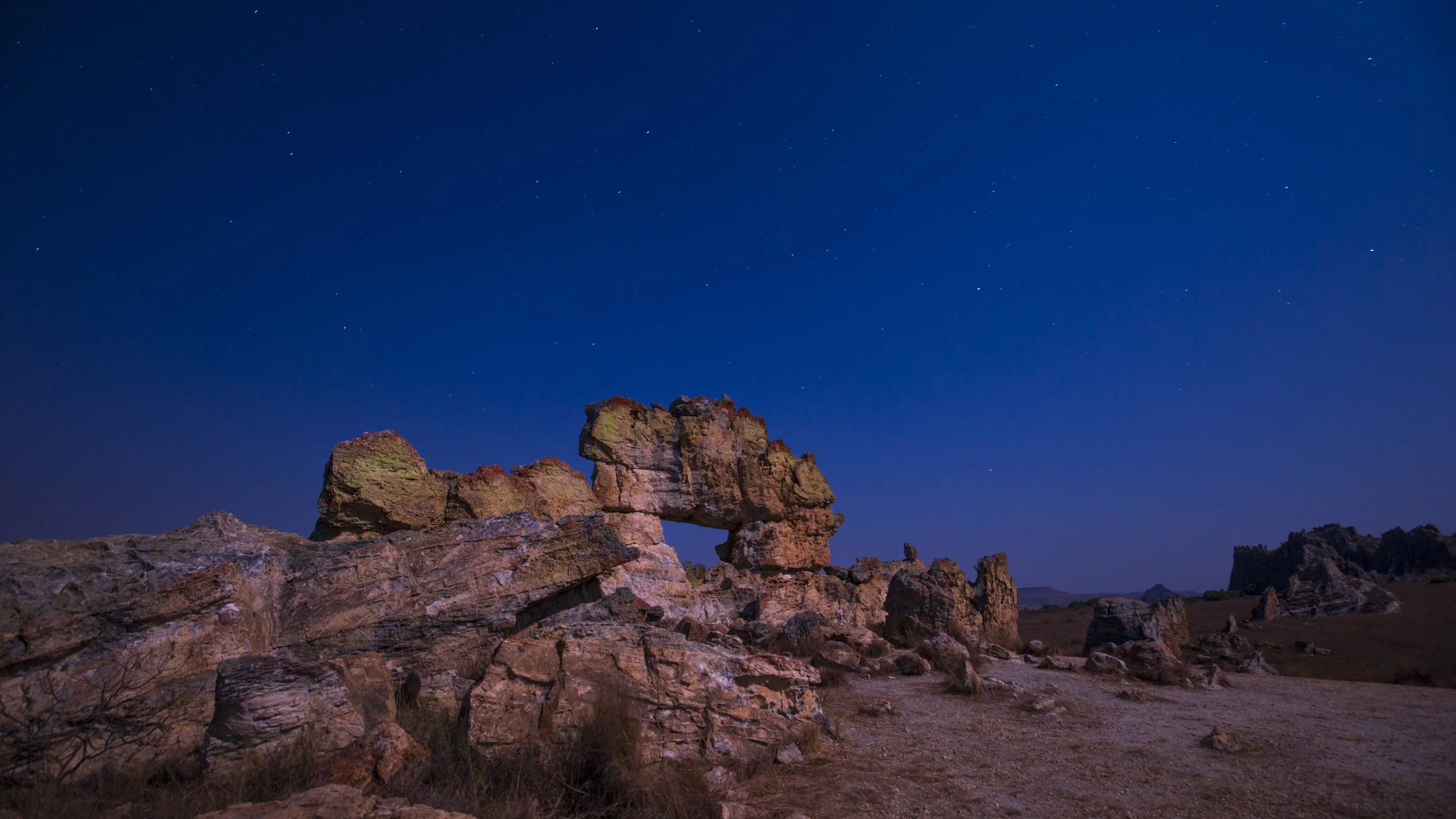
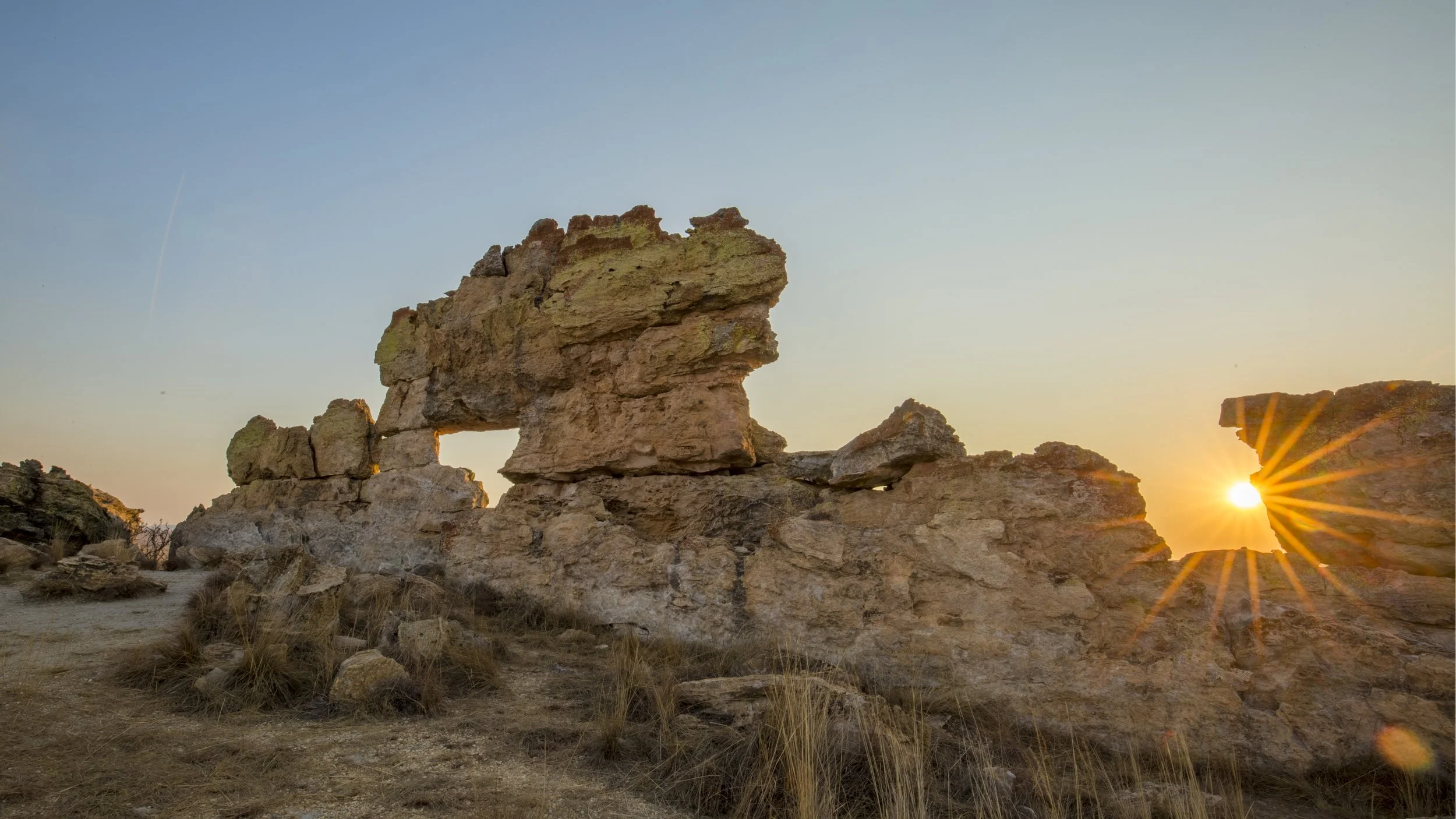
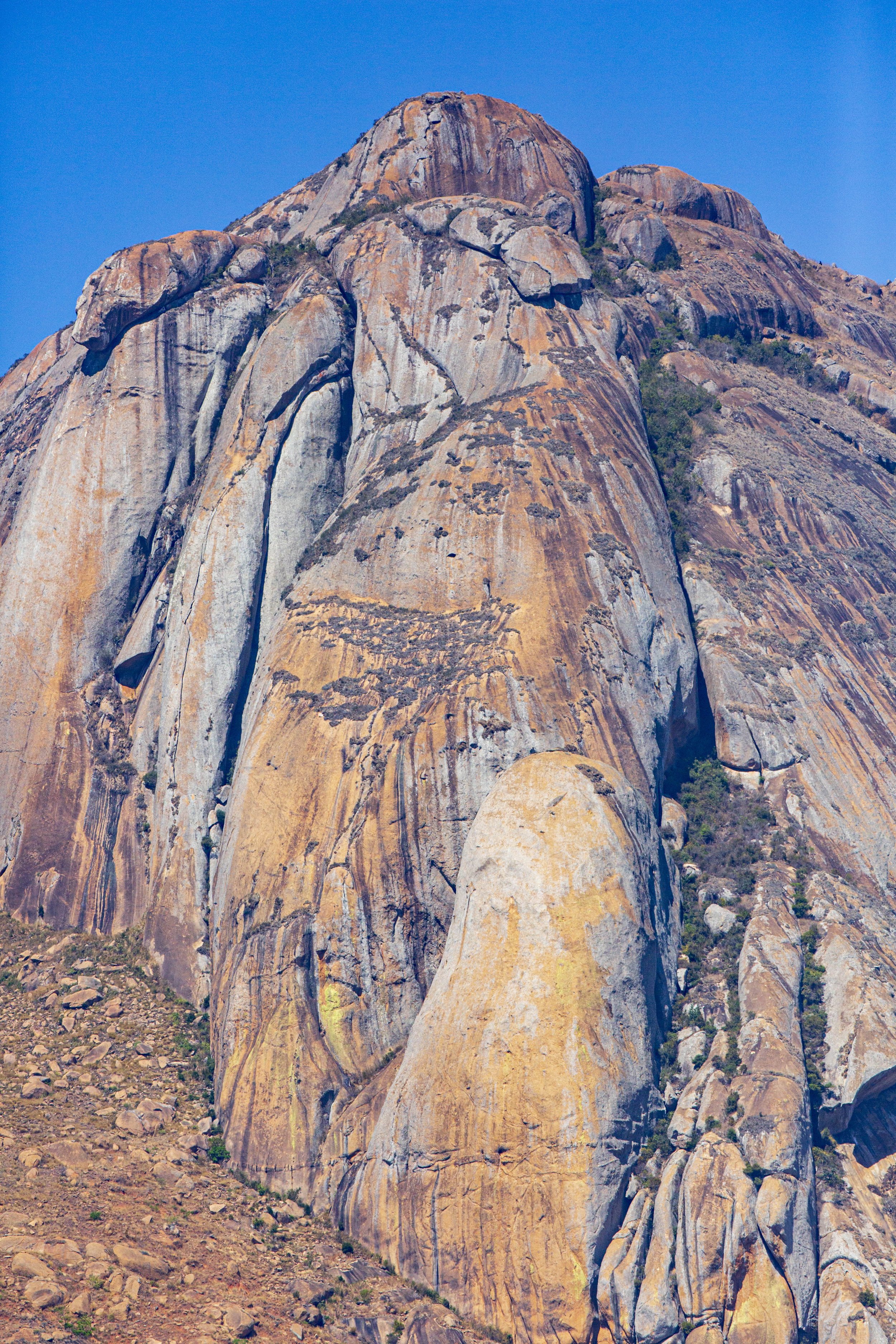
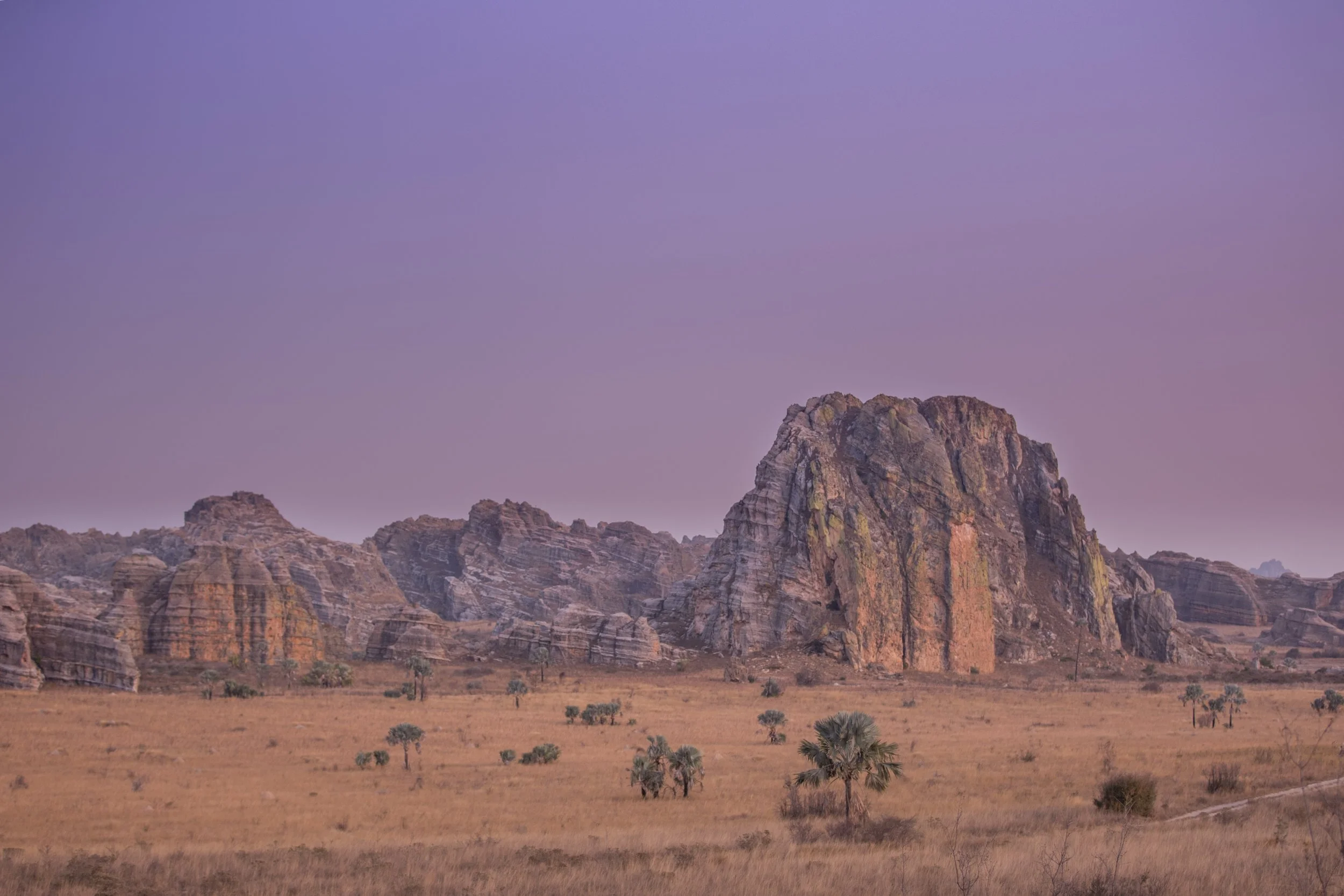
Some landscapes in Madagascar were alien. The most iconic of these is in the Isalo National Park, in south-central Madagascar. The cliffs are made of Jurassic-era sandstone, shaped over millennia by the elements. While they appear barren and deserted, these rock faces form part of a larger massif that supports pockets of vegetation, seasonal streams, and endemic wildlife adapted to dry conditions.
We spent two days behind at Isalo, photographing Ring-Tailed Lemurs, the most iconic Lemur species, made popular by King Julein in the movie Madagascar.
Lemurs
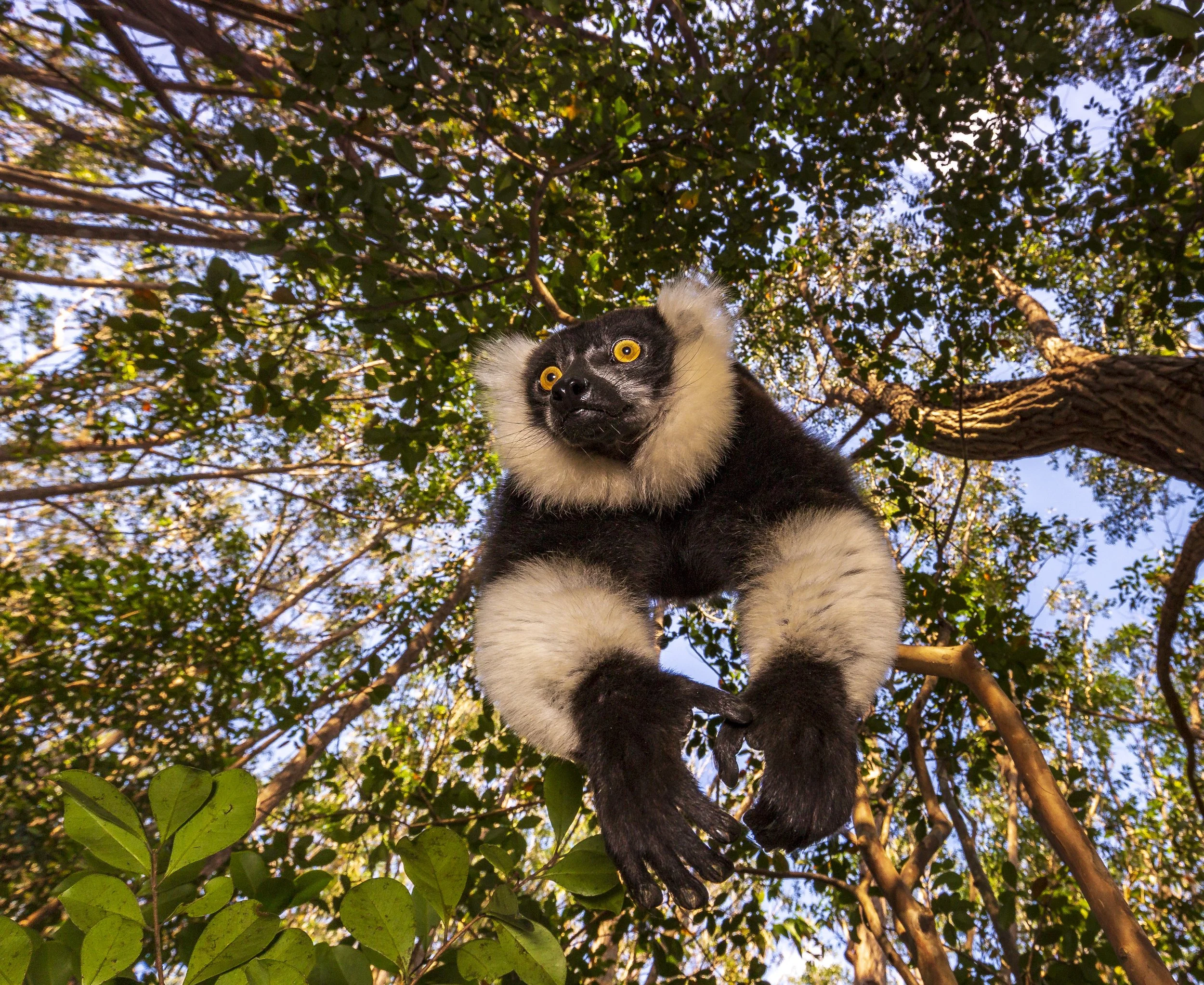
Lemurs are a group of primates found only in Madagascar. Around 100 species and subspecies are recognised, ranging from small mouse lemurs to the large indri, both of which I got to see there. Lemurs live across habitats, including rainforests, dry forests, spiny thickets, and rocky landscapes. We spent a couple of days at the Anja Community Reserve observing and photographing large troops of ring-tailed lemurs led by matriarchs go about their business.
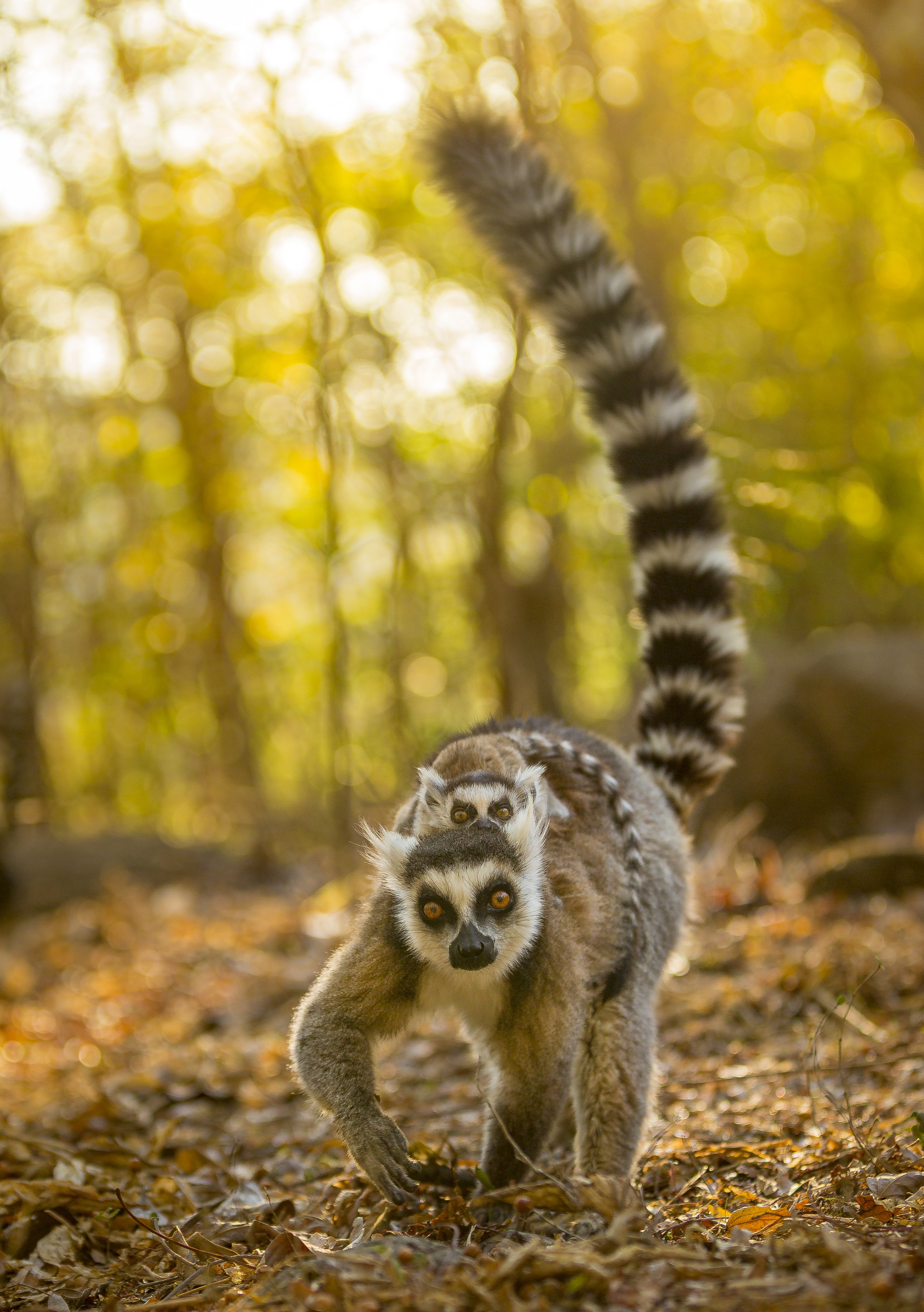
Ring-tailed lemur
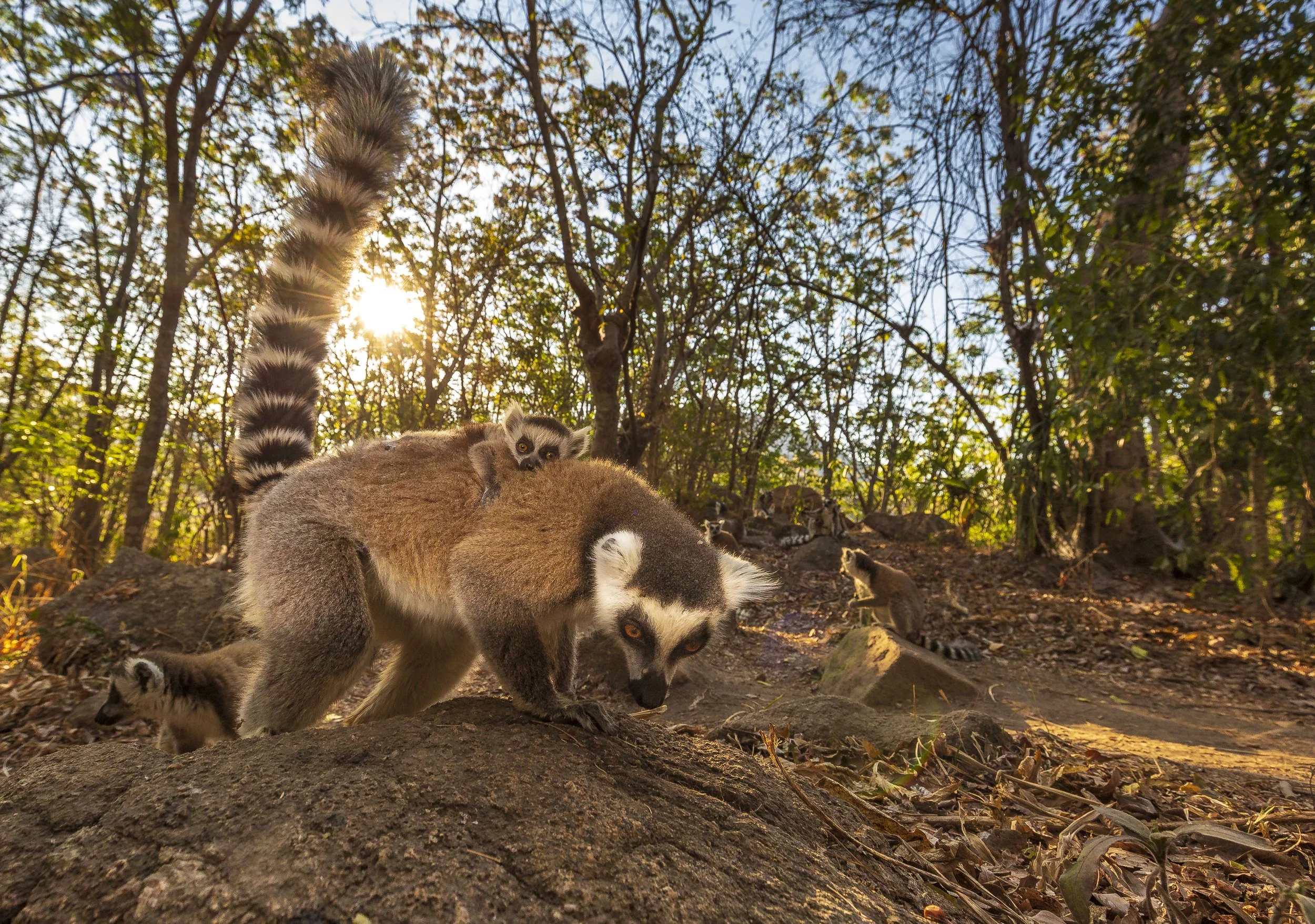
Ring-tailed lemur
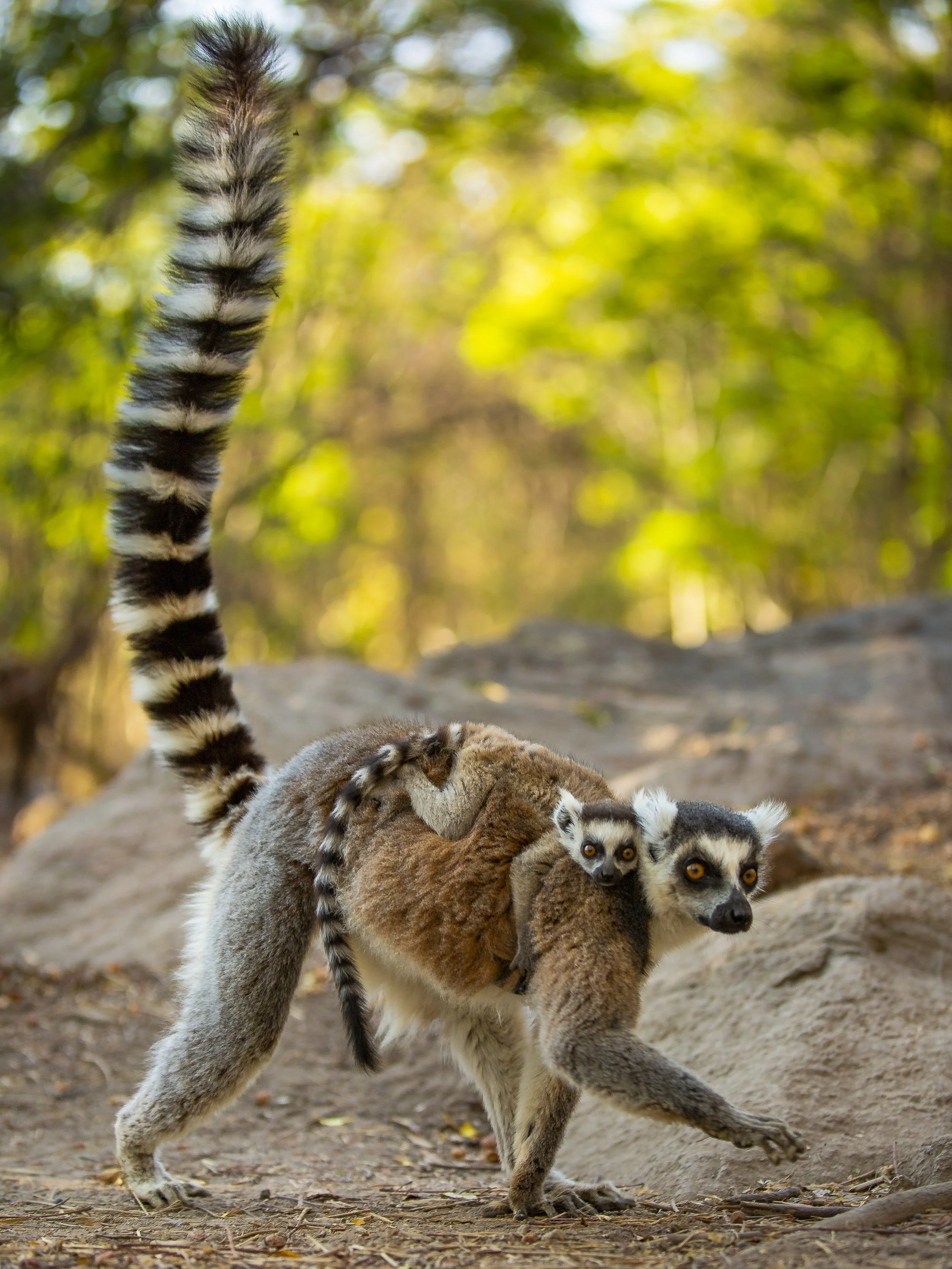
Ring-tailed lemur
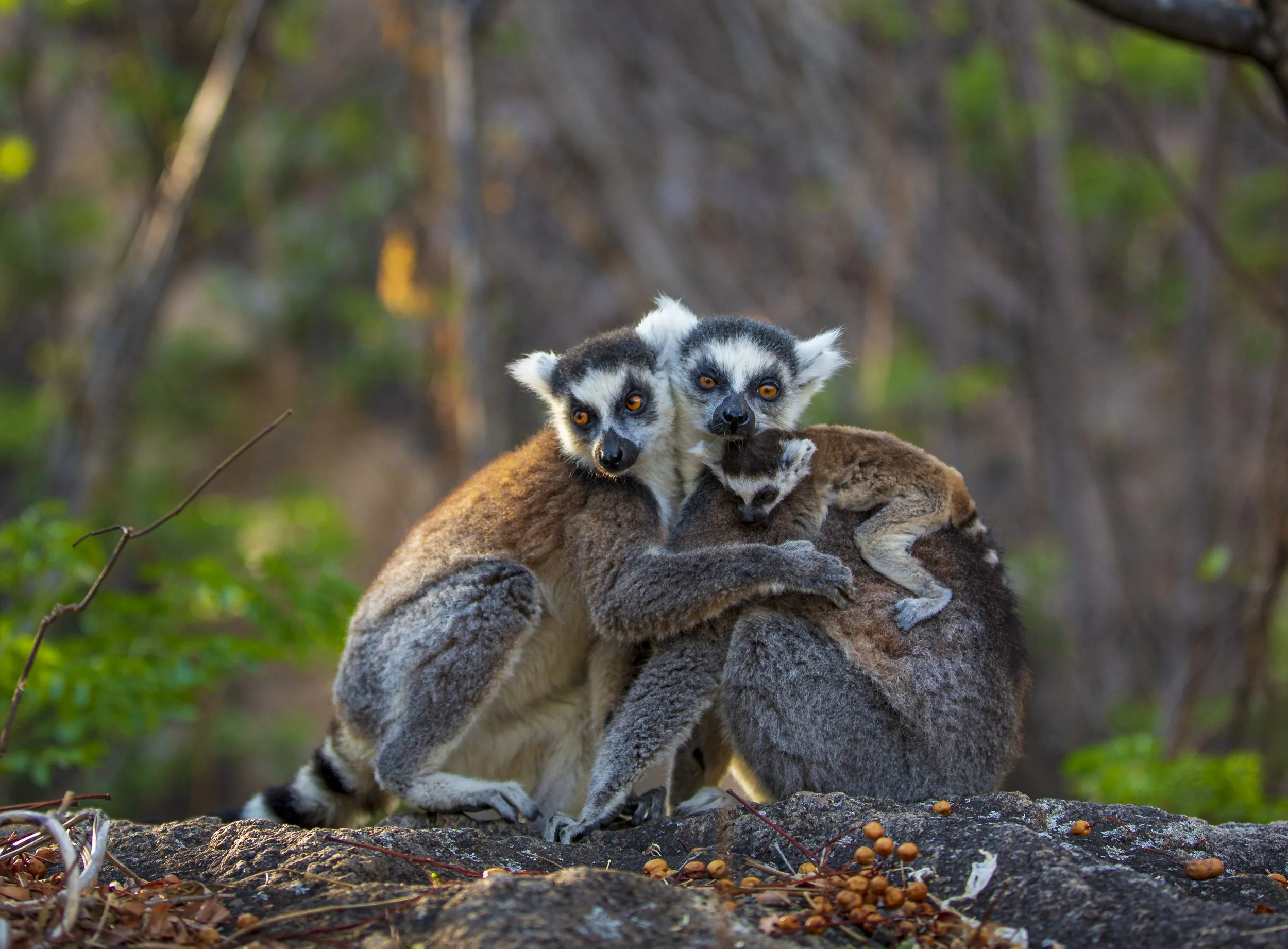
Ring-tailed lemurs
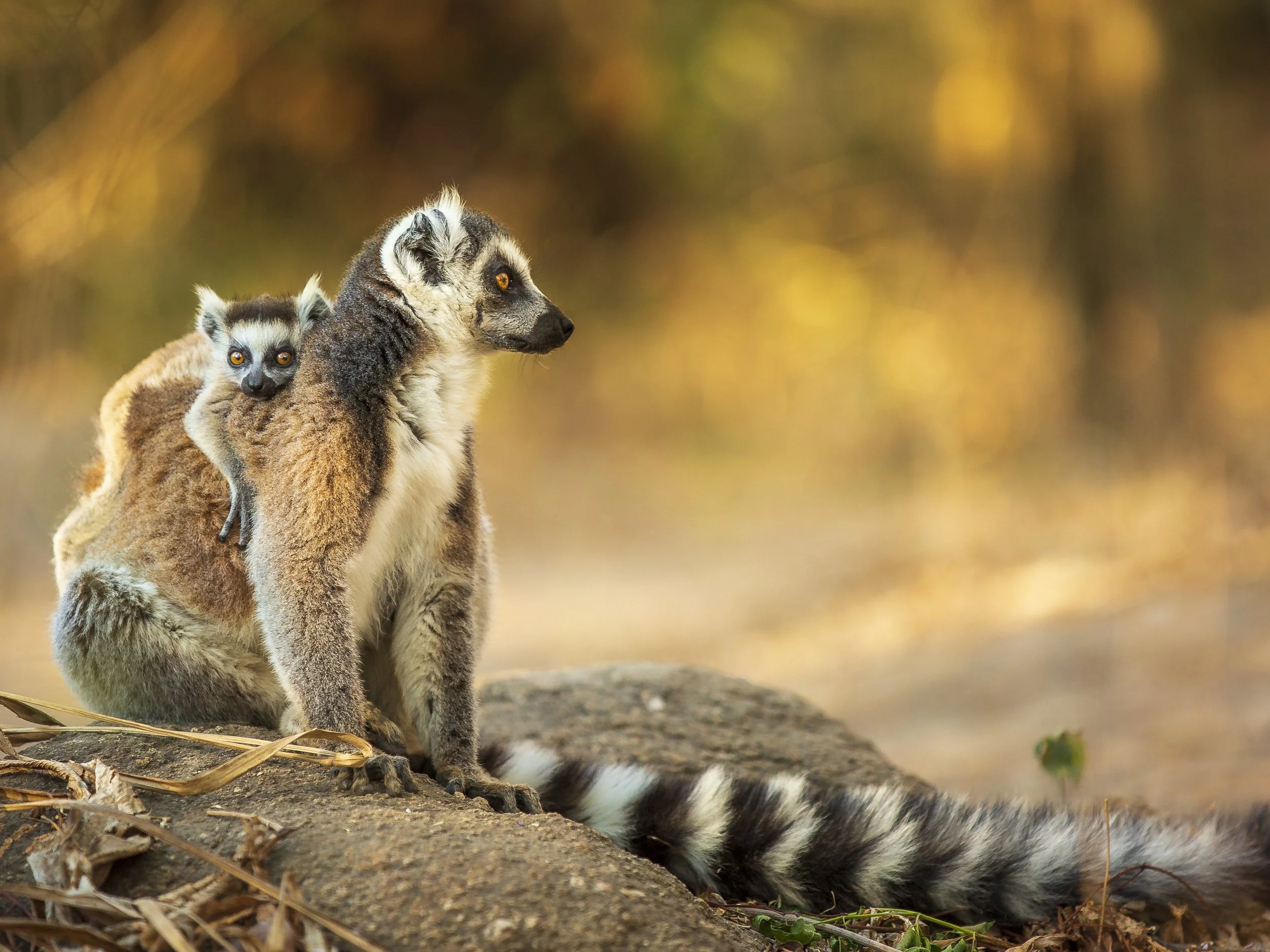
Ring-tailed lemurs
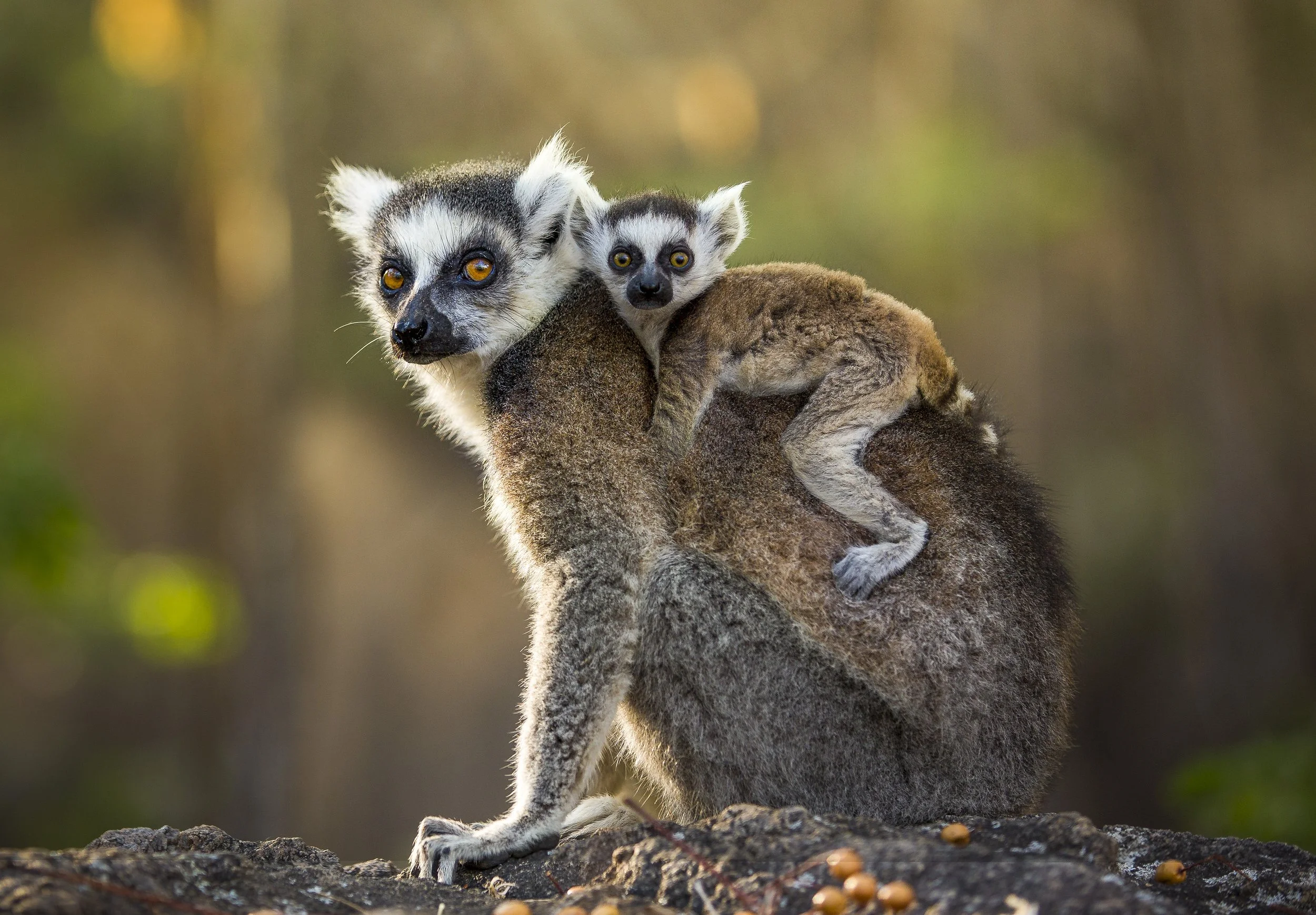
Ring-tailed lemurs
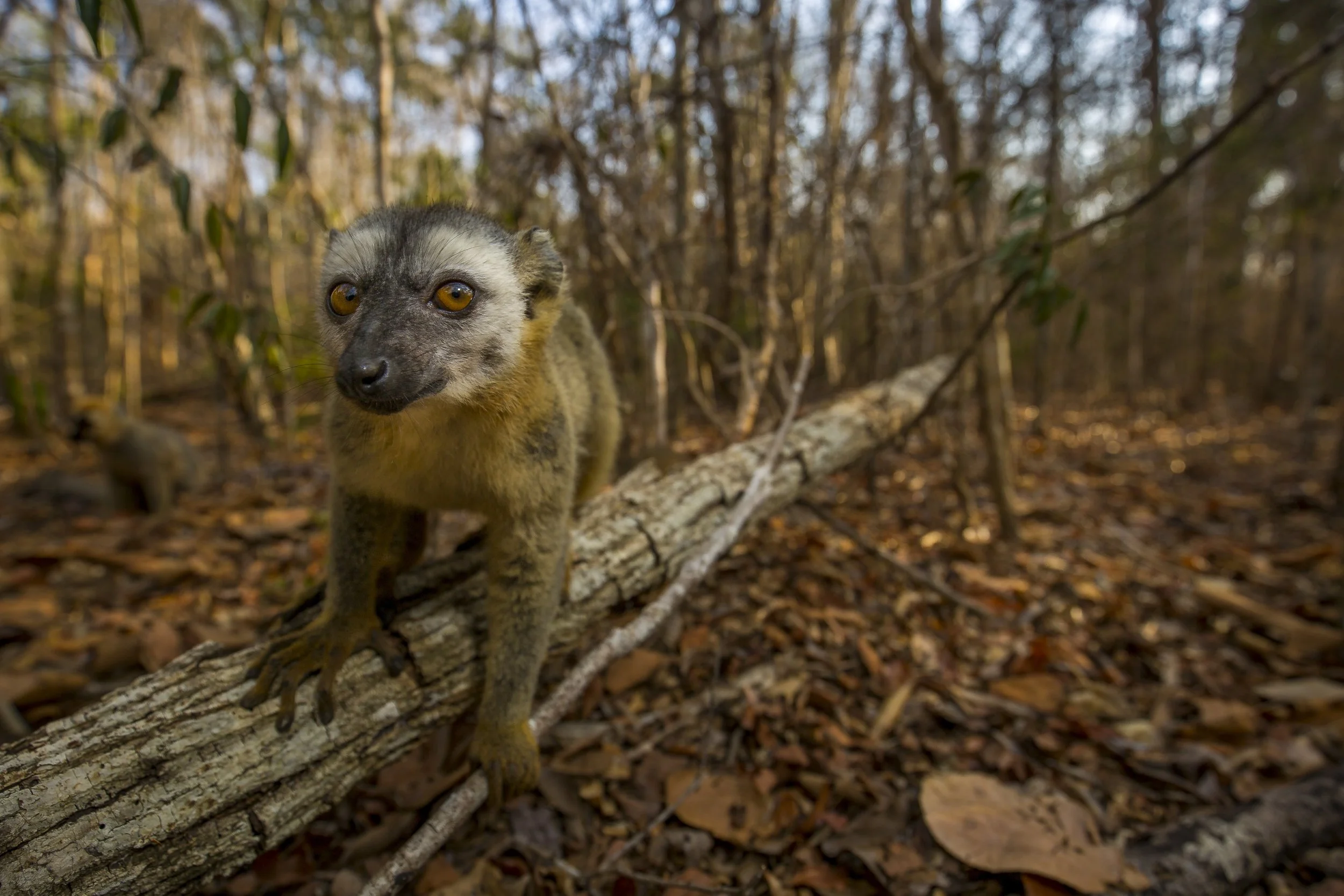
Red-fronted brown lemur
Red-fronted brown lemur
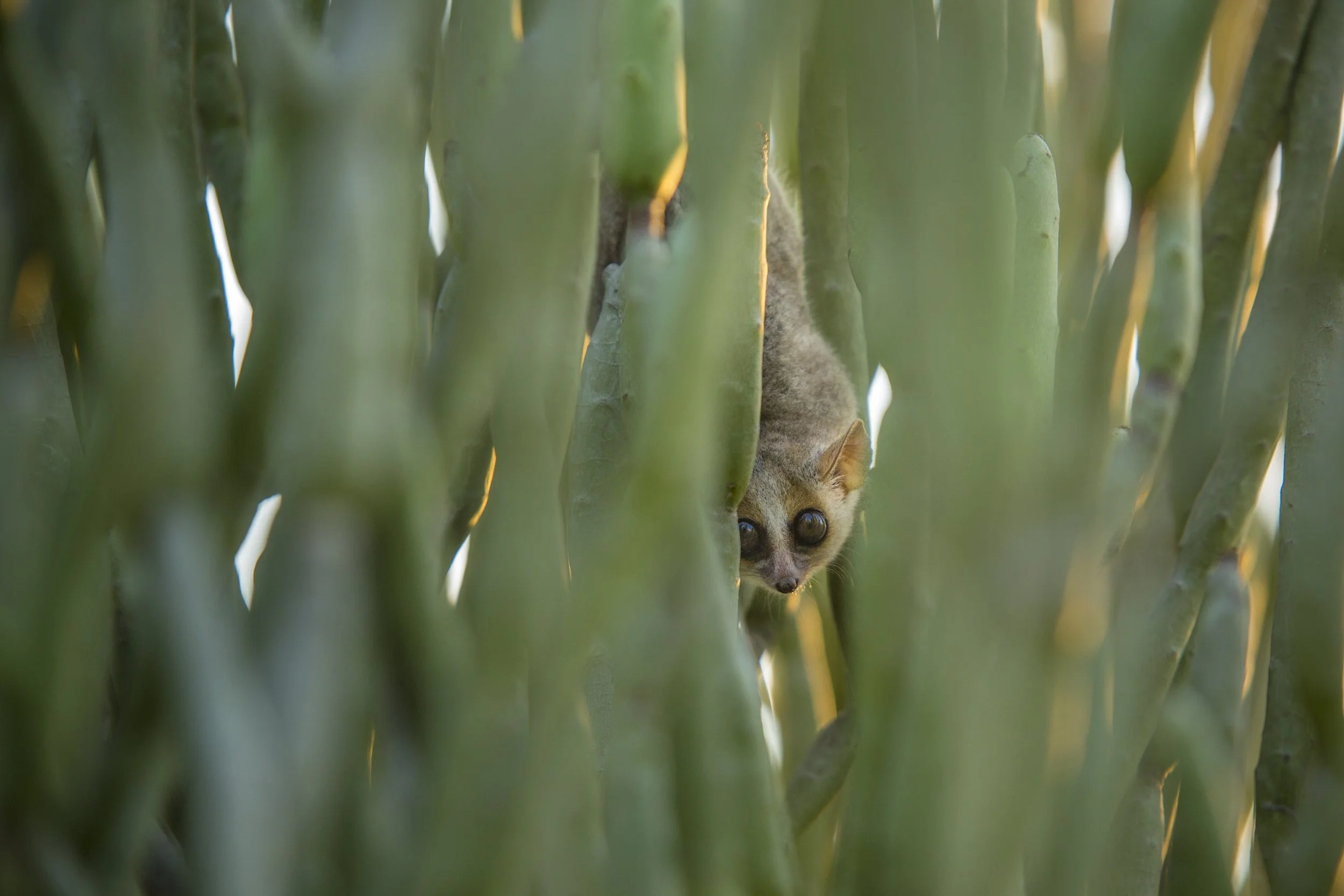
Mouse lemur
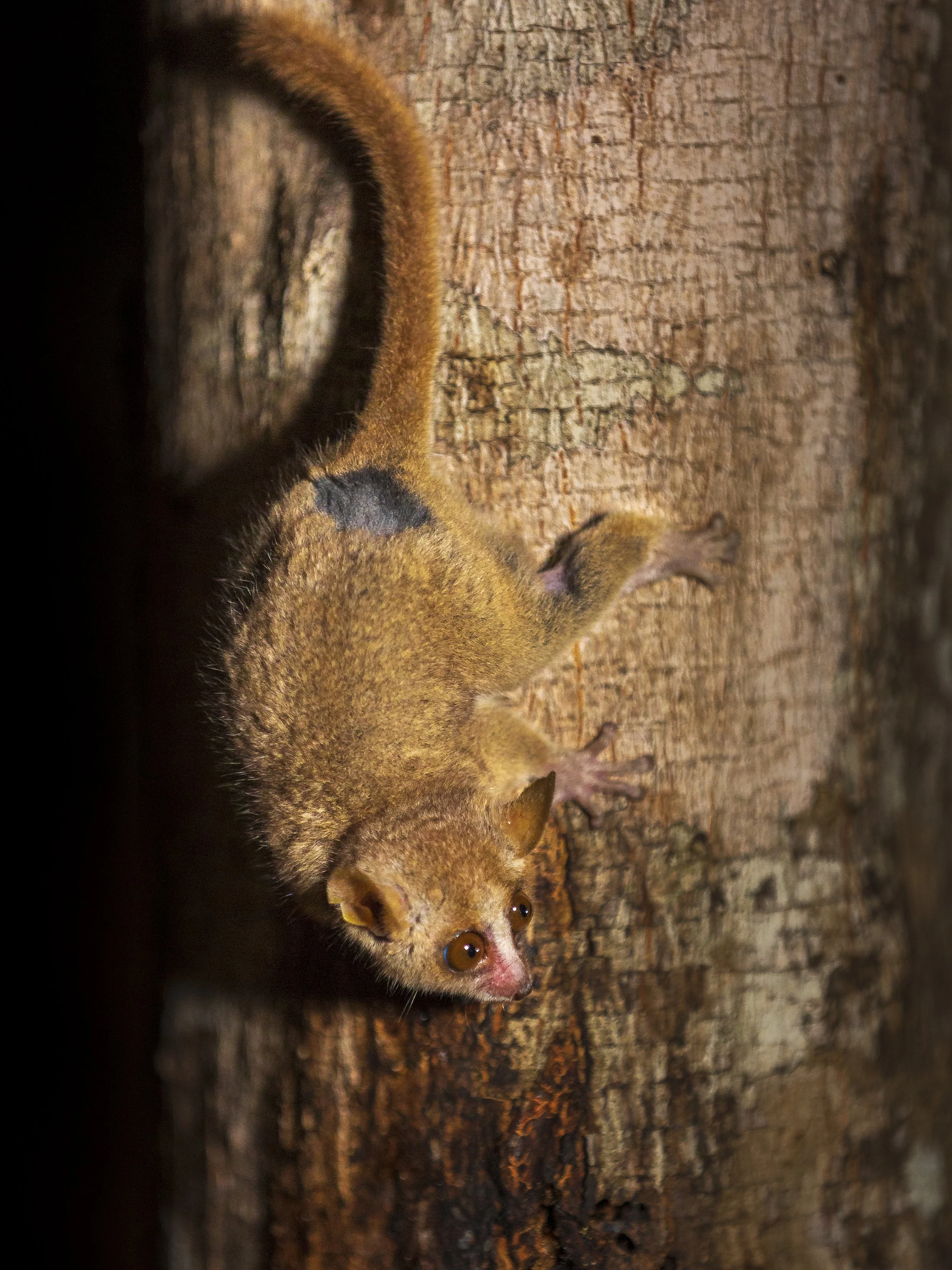
Mouse lemur
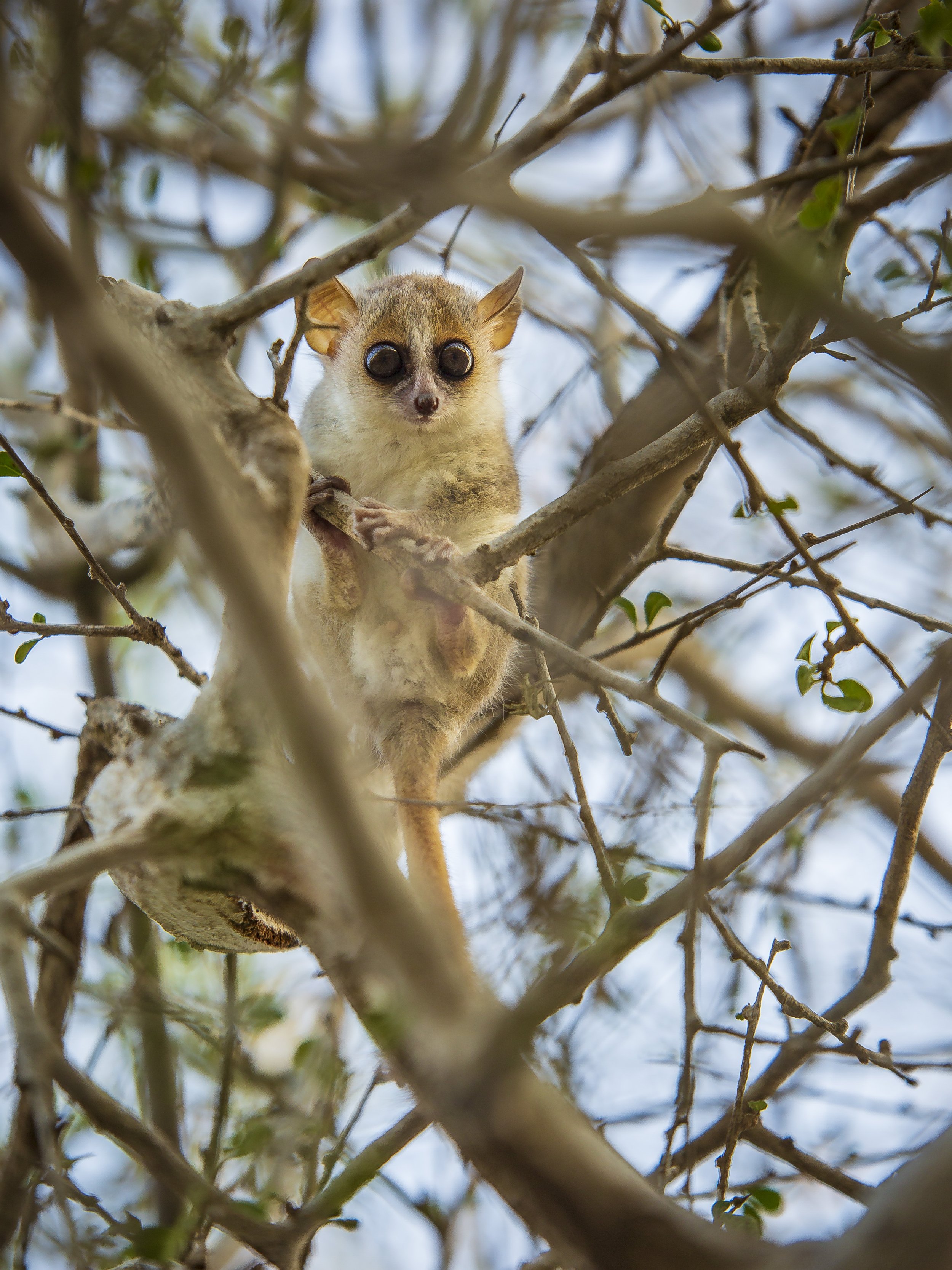
Mouse lemur
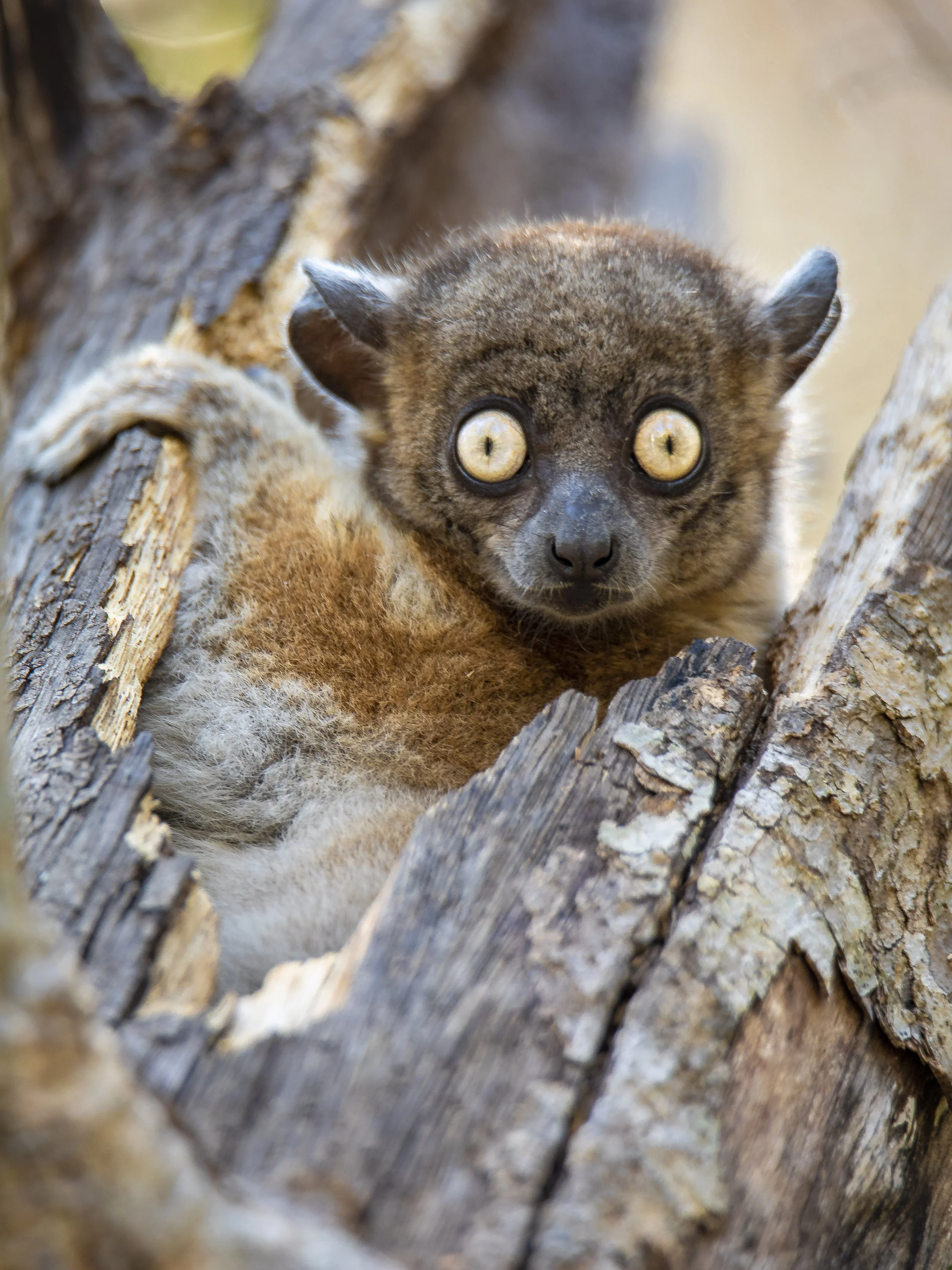
Zombitse sportive lemur
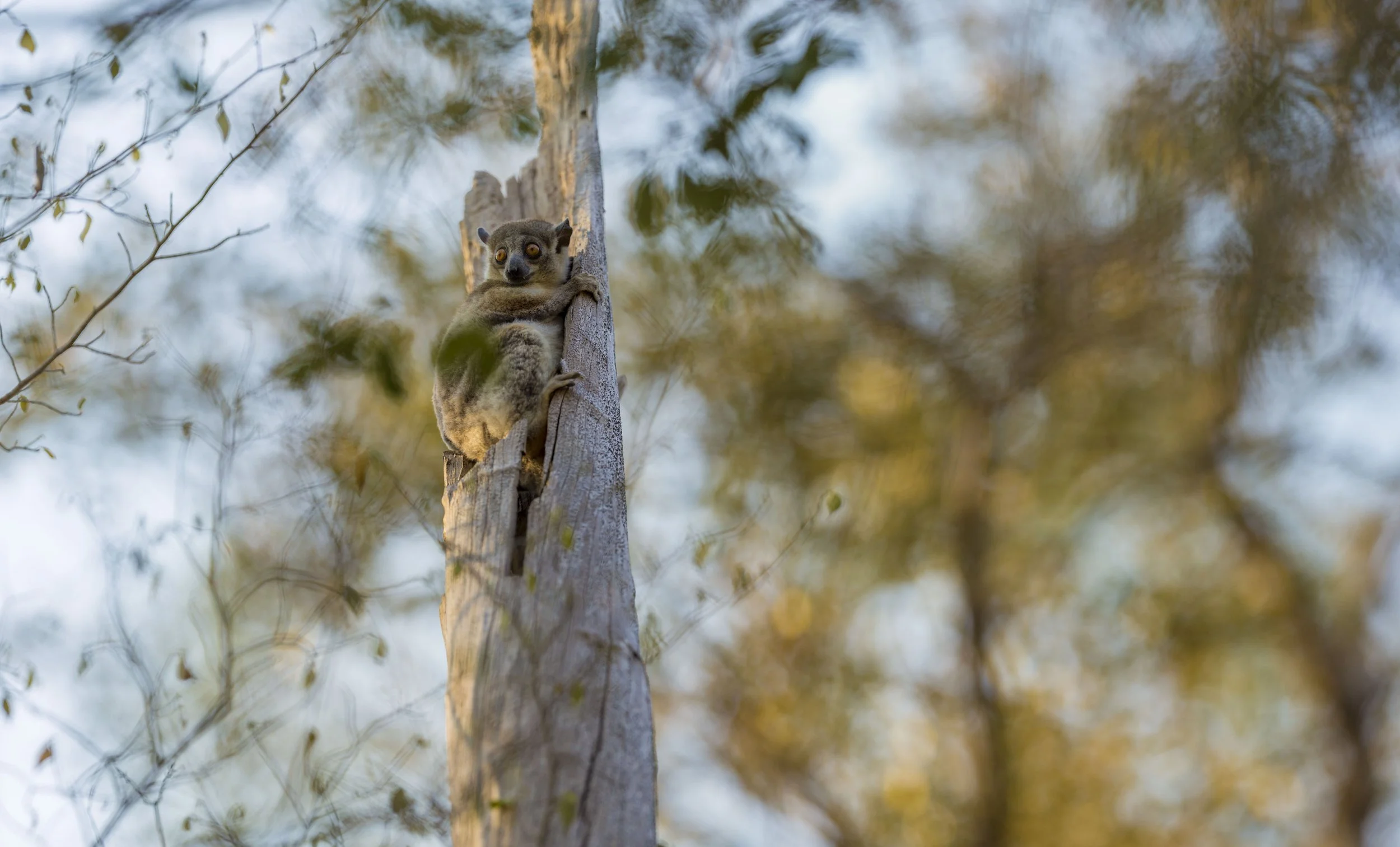
Zombitse sportive lemur
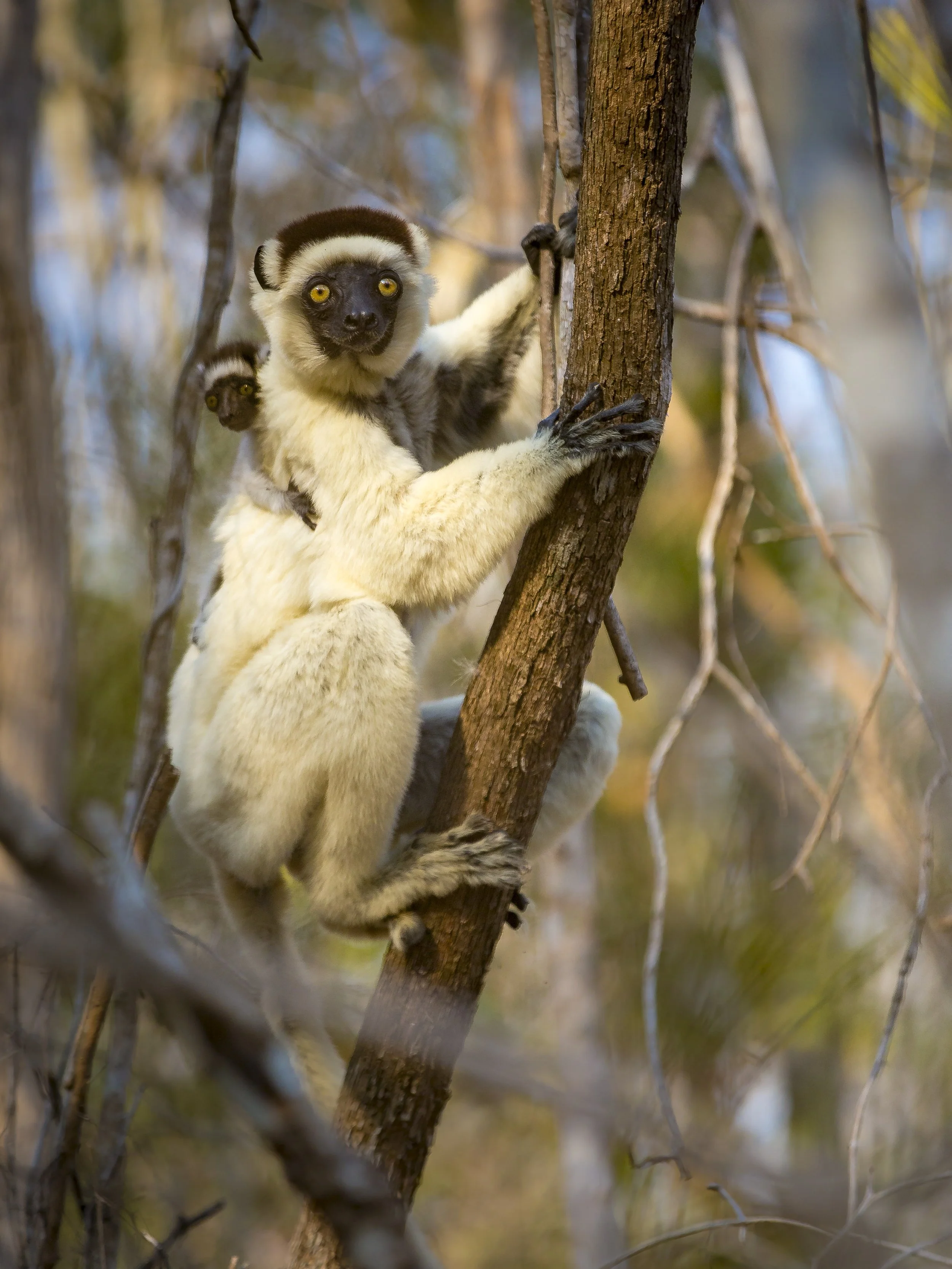
Sifaka
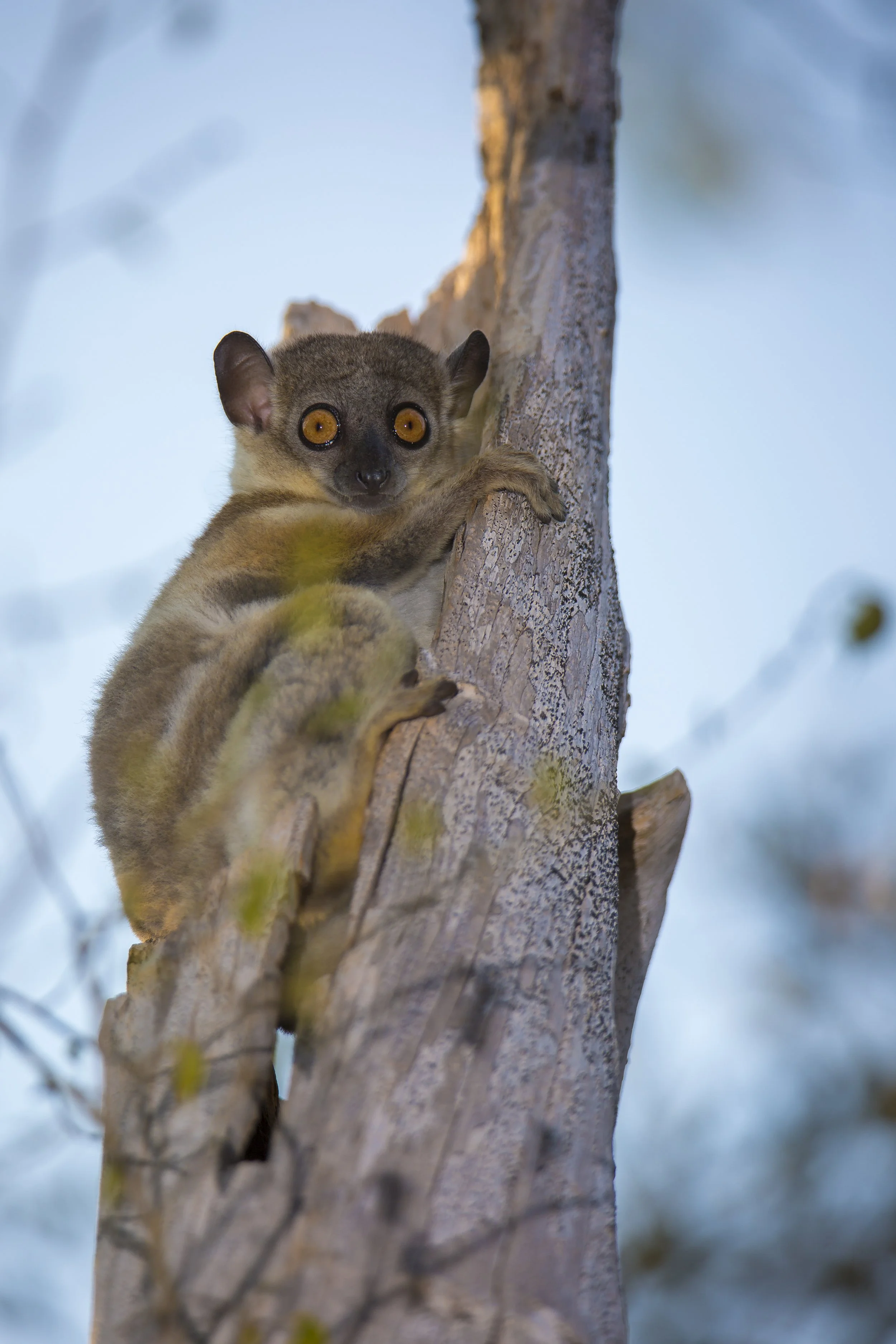
Zombitse sportive lemur
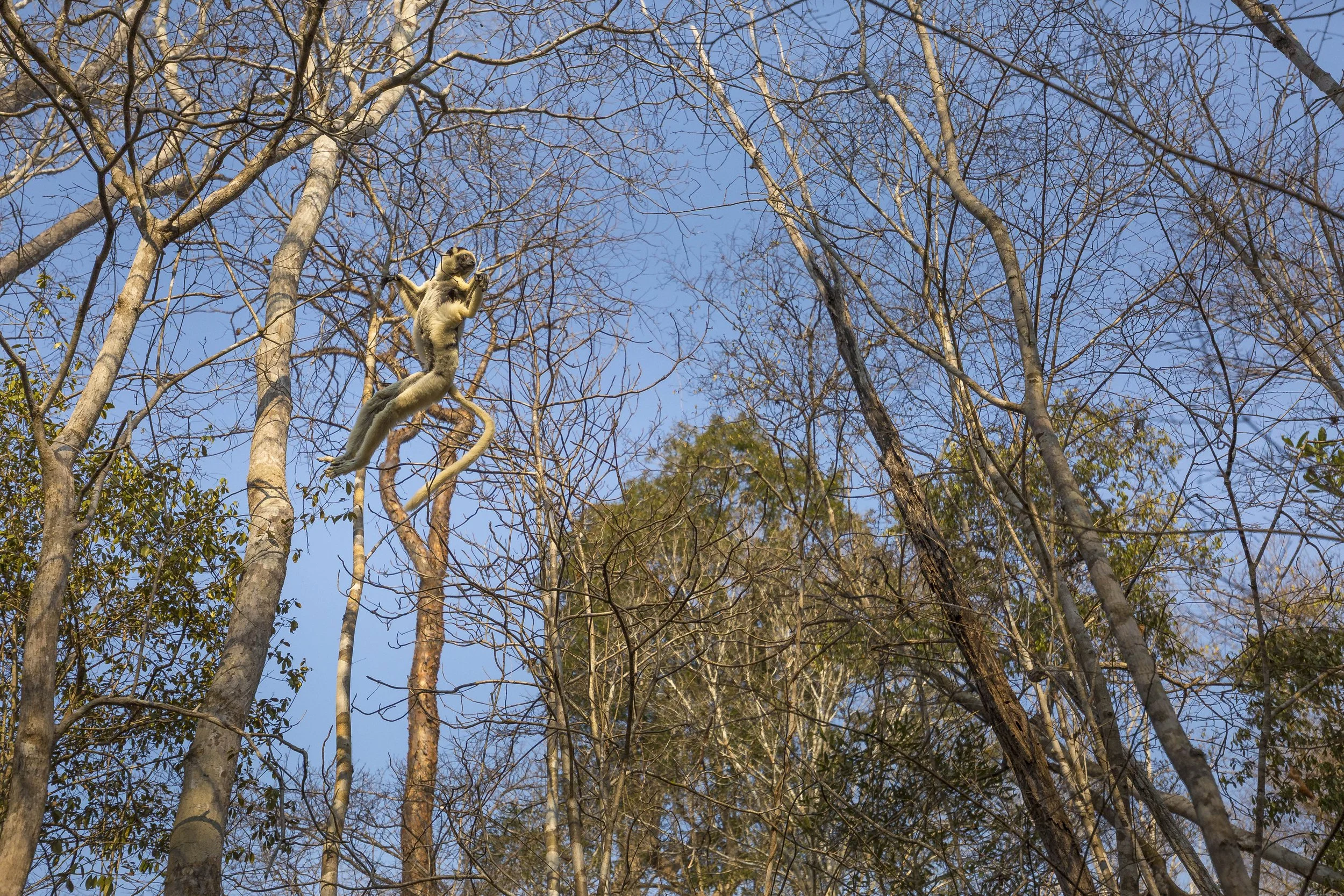
Sifaka
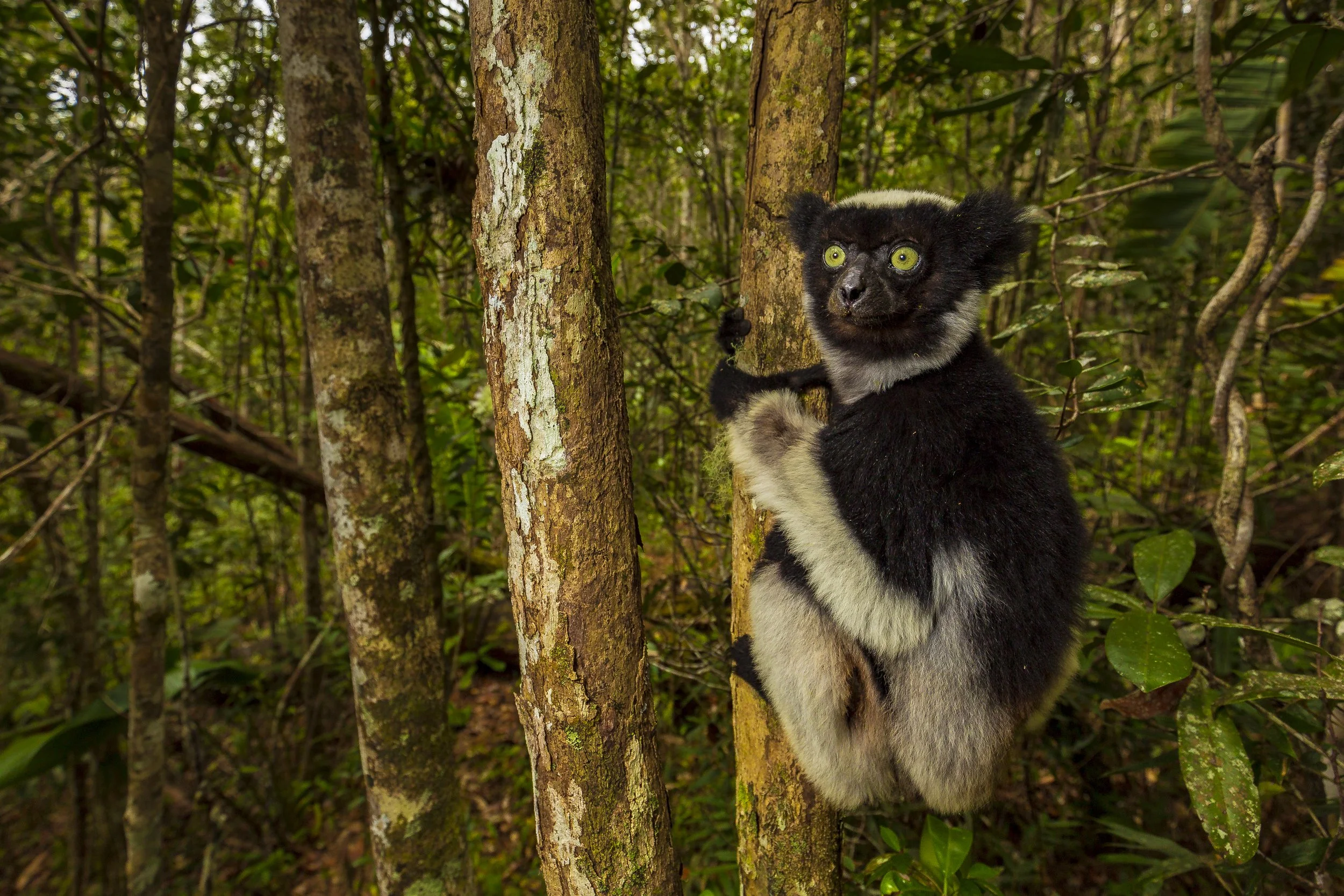
Indri
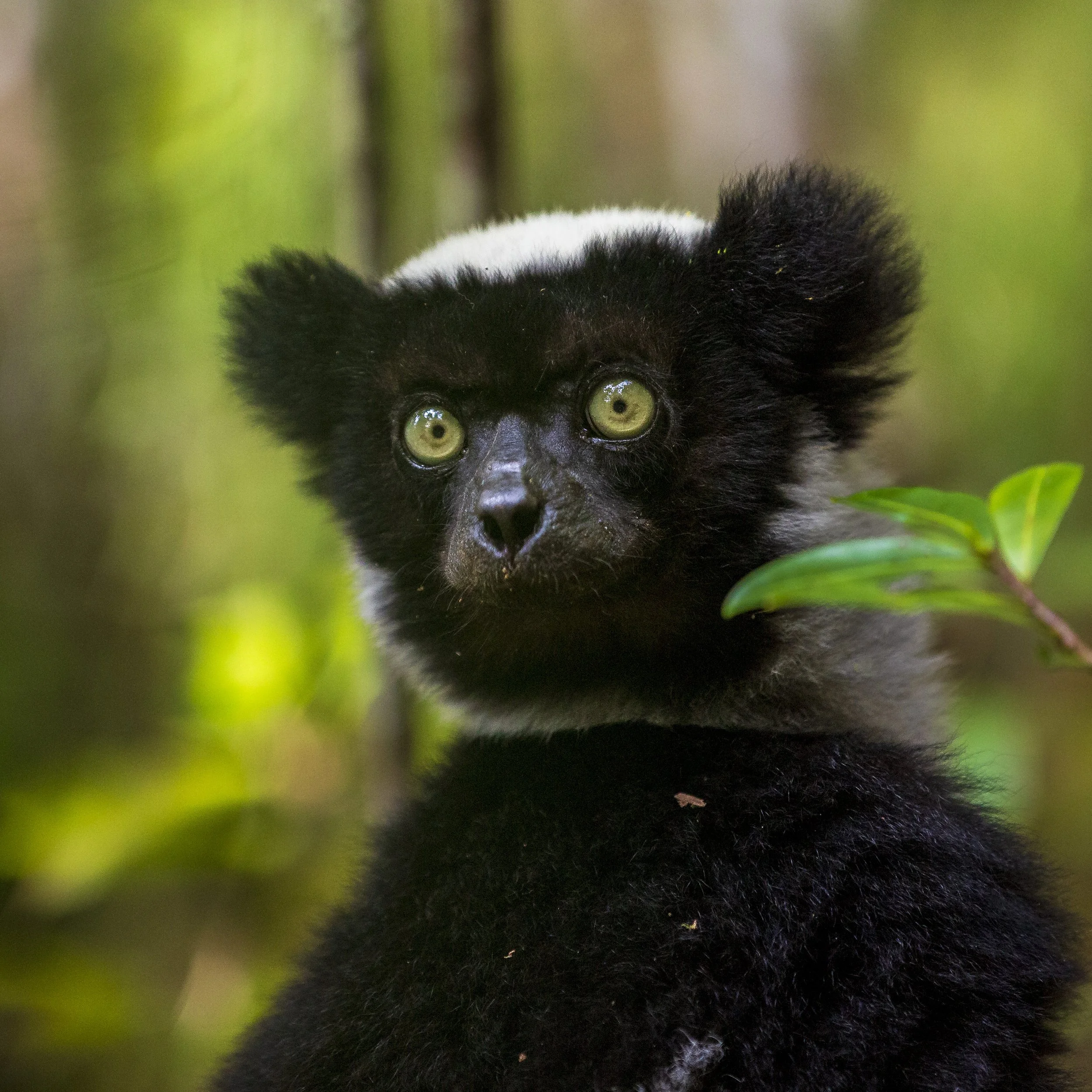
Indri
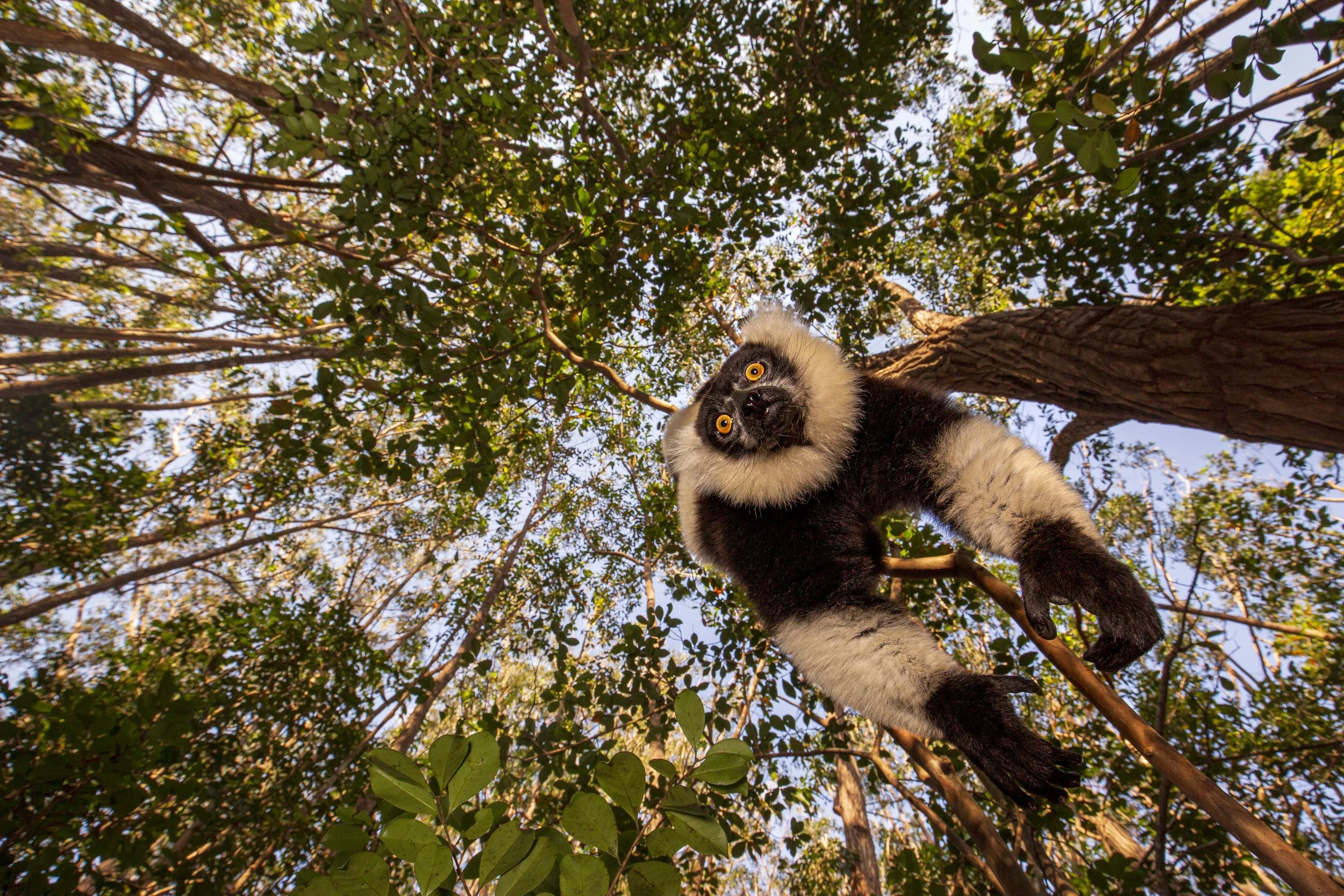
Indri
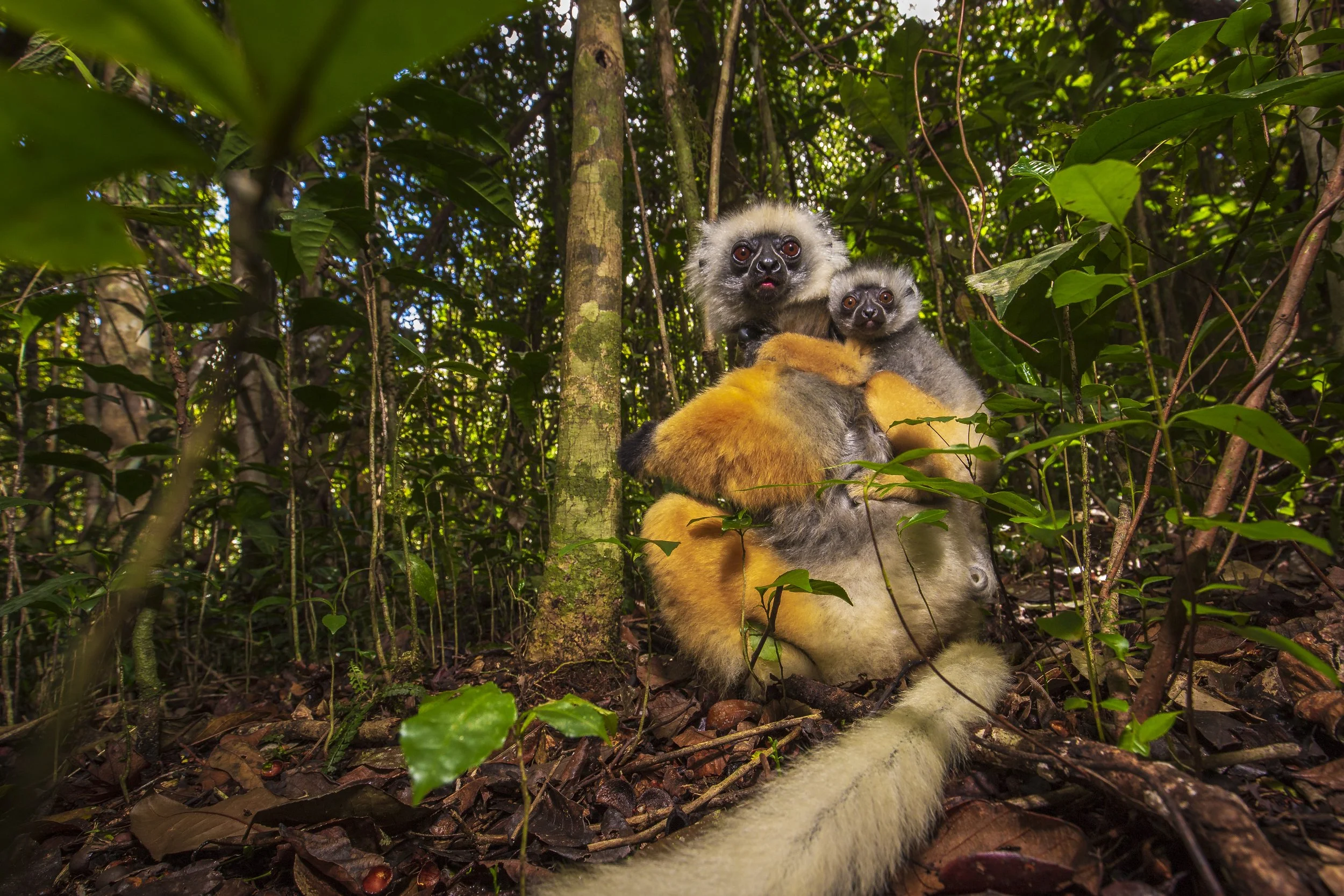
Diedem's sifaka
Are you watching closely?
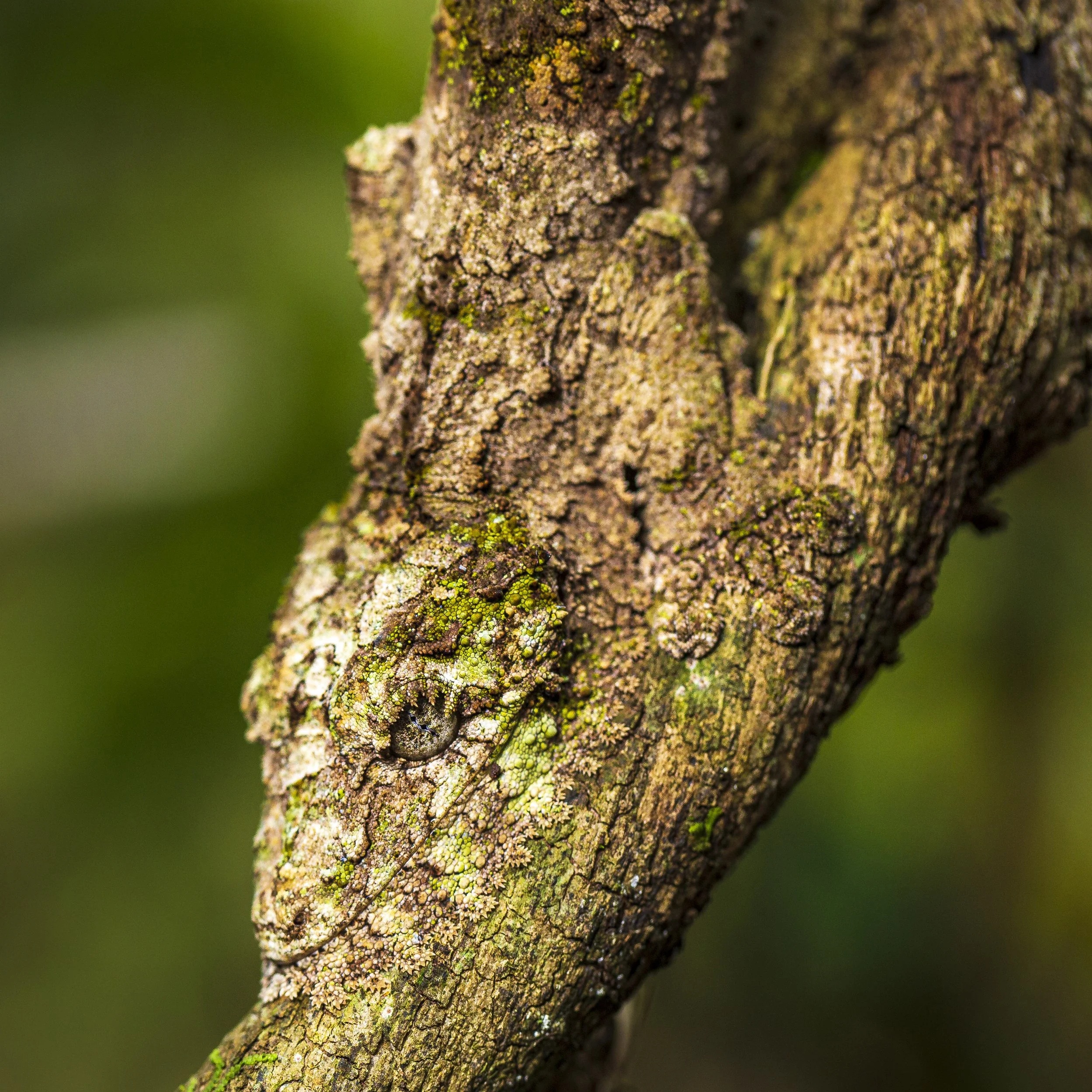
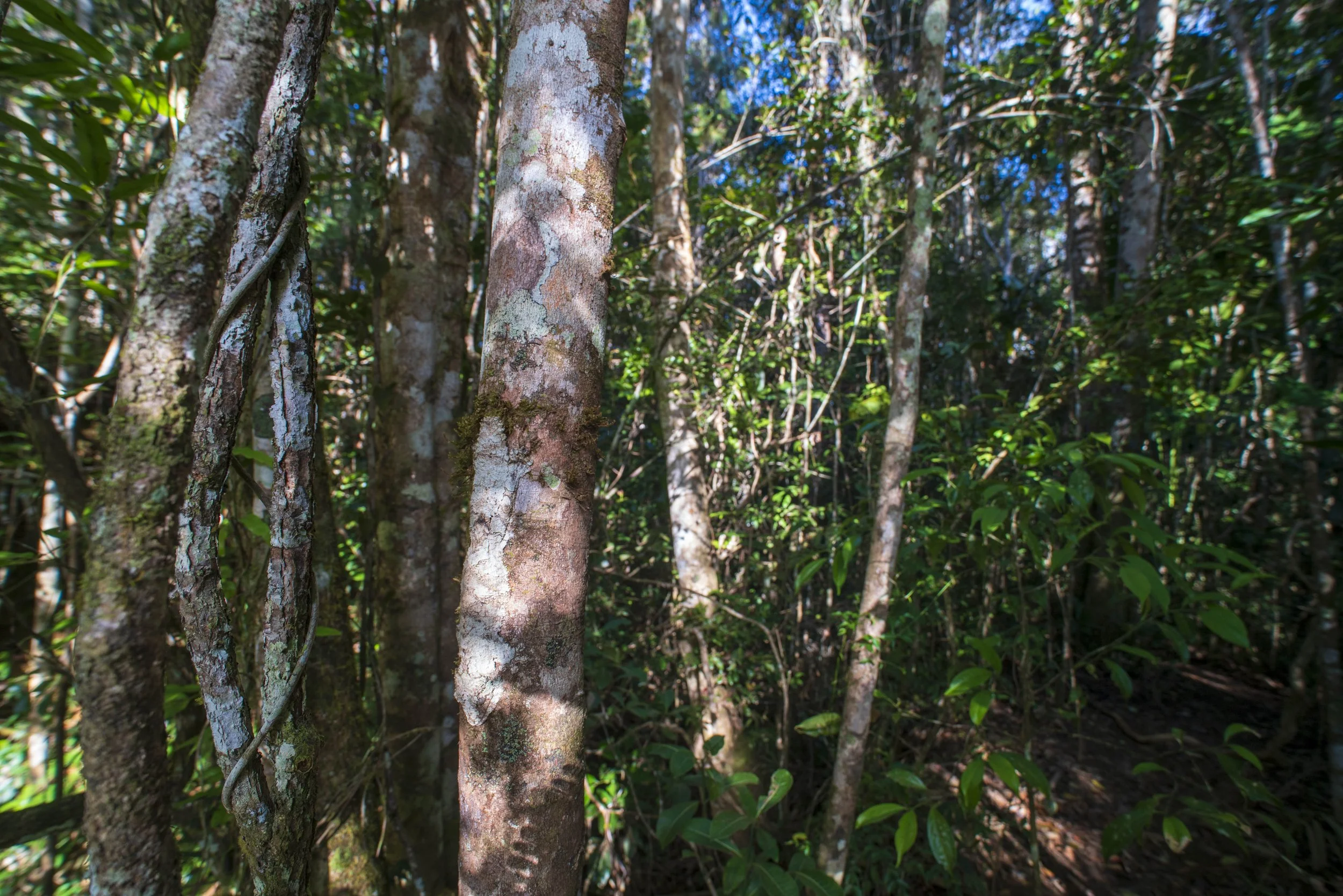
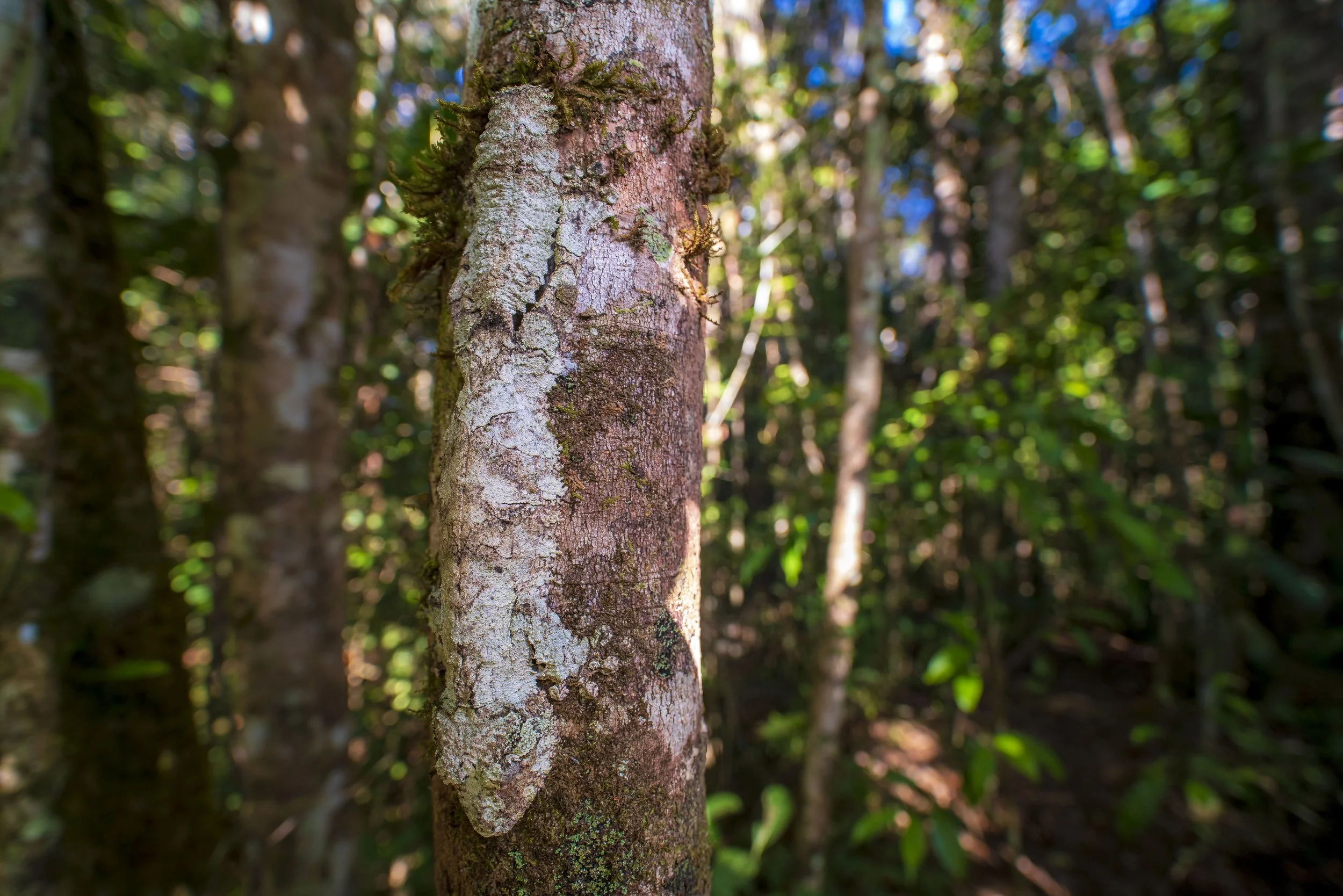
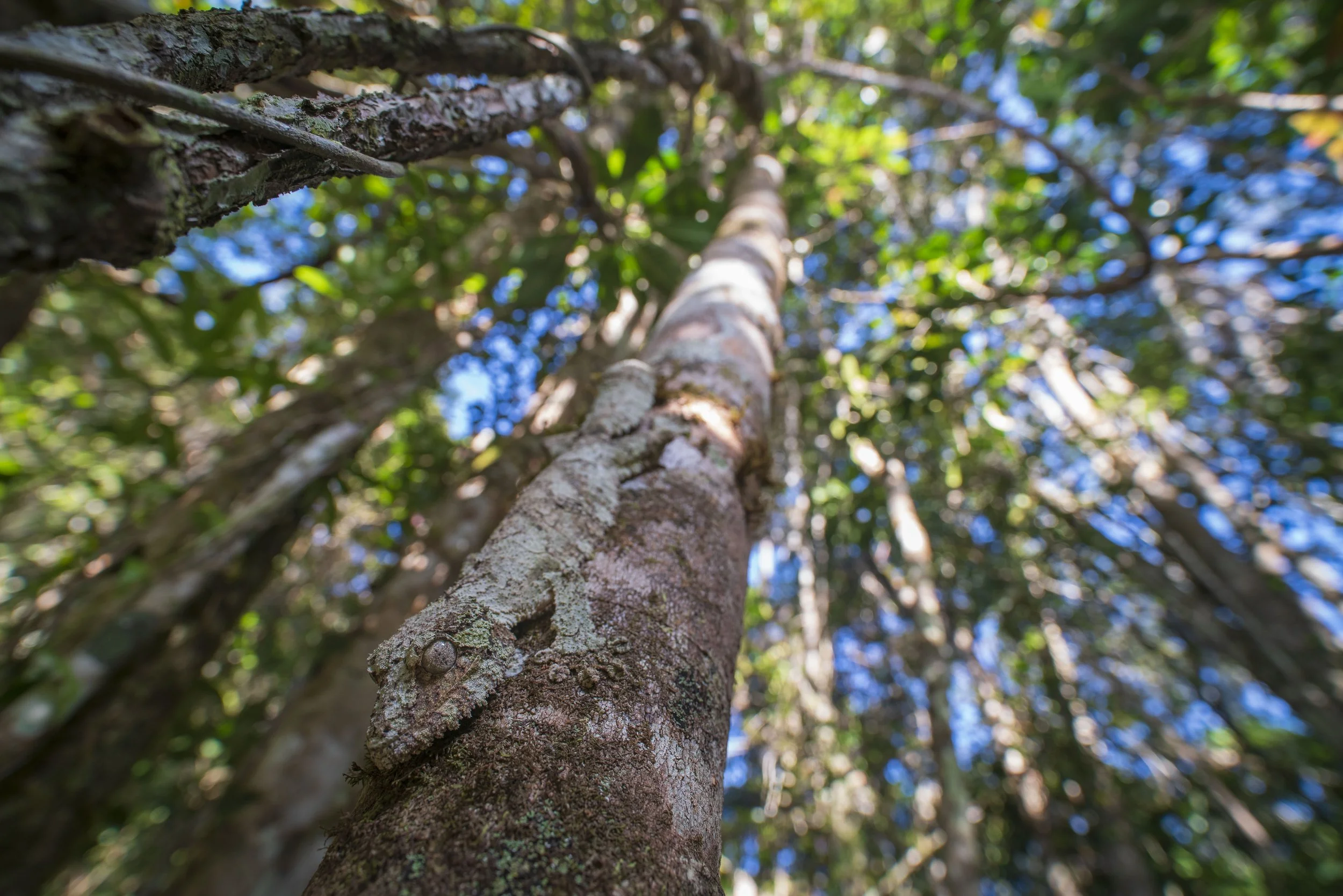
My decision to make the trip to Madagascar made itself I found out that we’d be spending time at Andasibe, hopefully photographing this lizard. The mossy leaf-tailed gecko was on top of my list on the things I wanted to photograph in Madagascar.
It is one of the most fascinating animals I’ve come across.
It’s skin has evolved to resemble a mossy bark. The body, tail, and skin edges break up its outline, but when it presses itself against the bark, it is almost impossible to say. It took me 10 minutes to find the gecko on this bark after my guide pointed it out. This form of camouflage is considered one of the most developed examples of crypsis among reptiles.
Like 90% of everything else found here, the mossy leaf-tailed gecko is endemic to Madagascar.
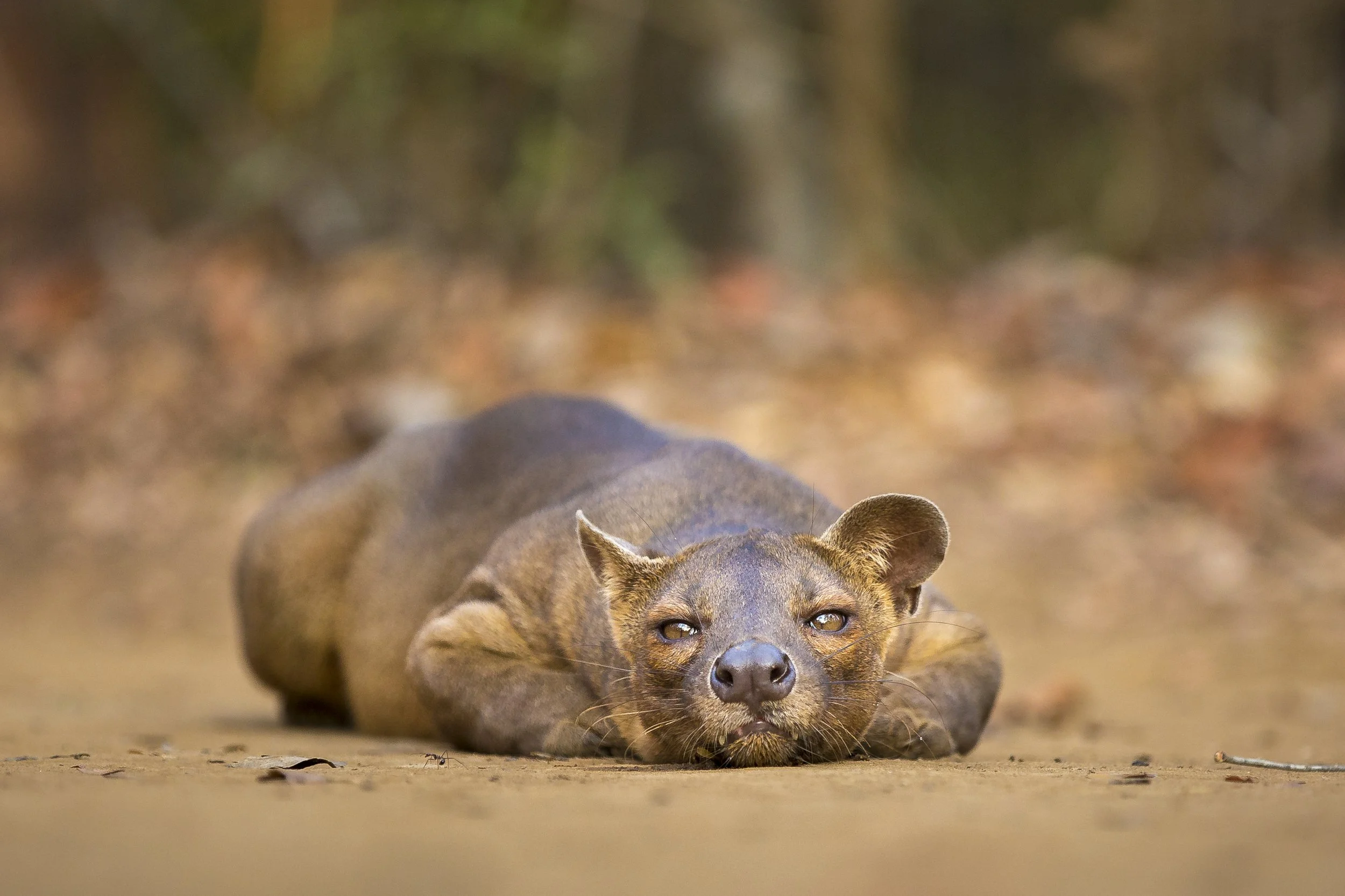
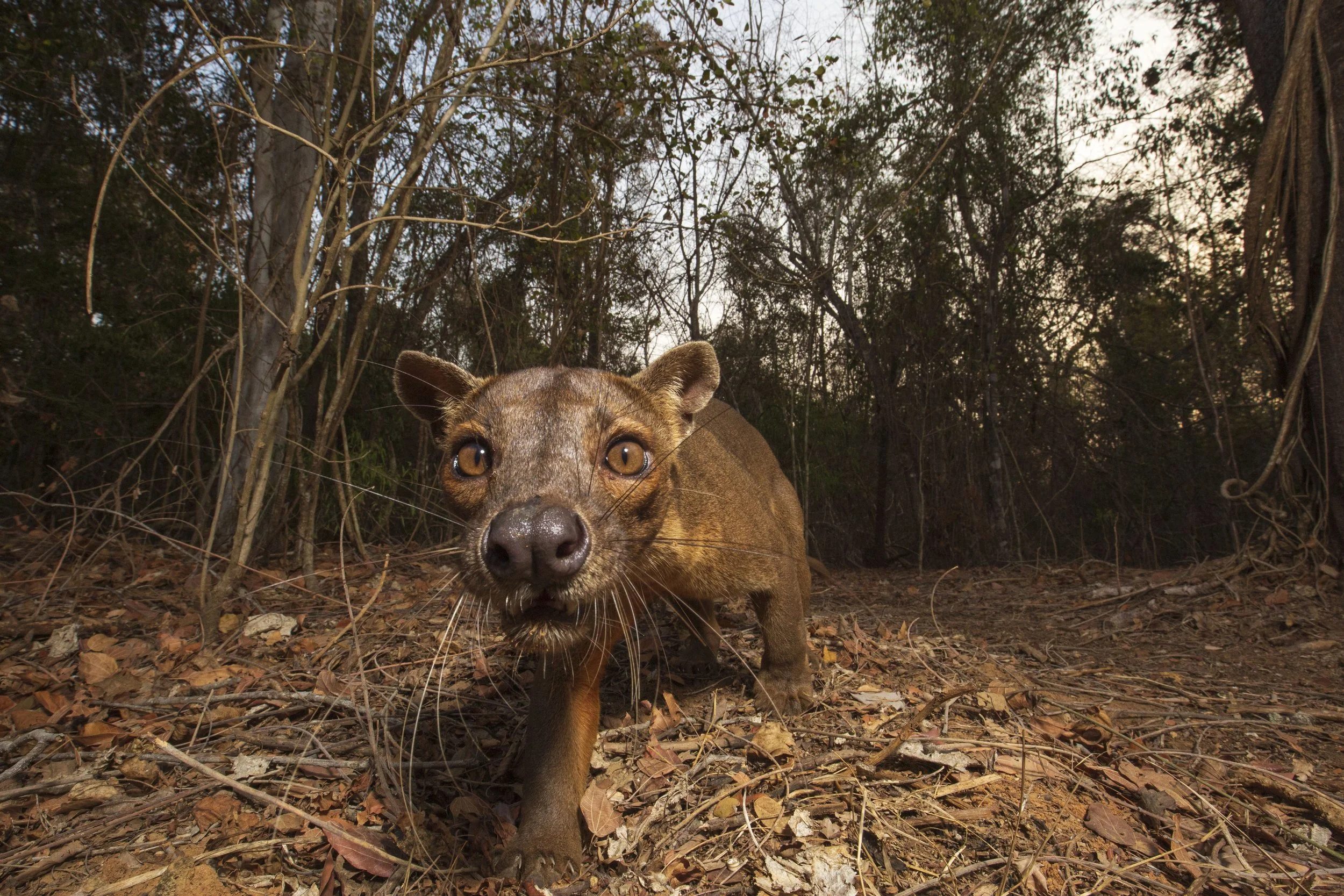
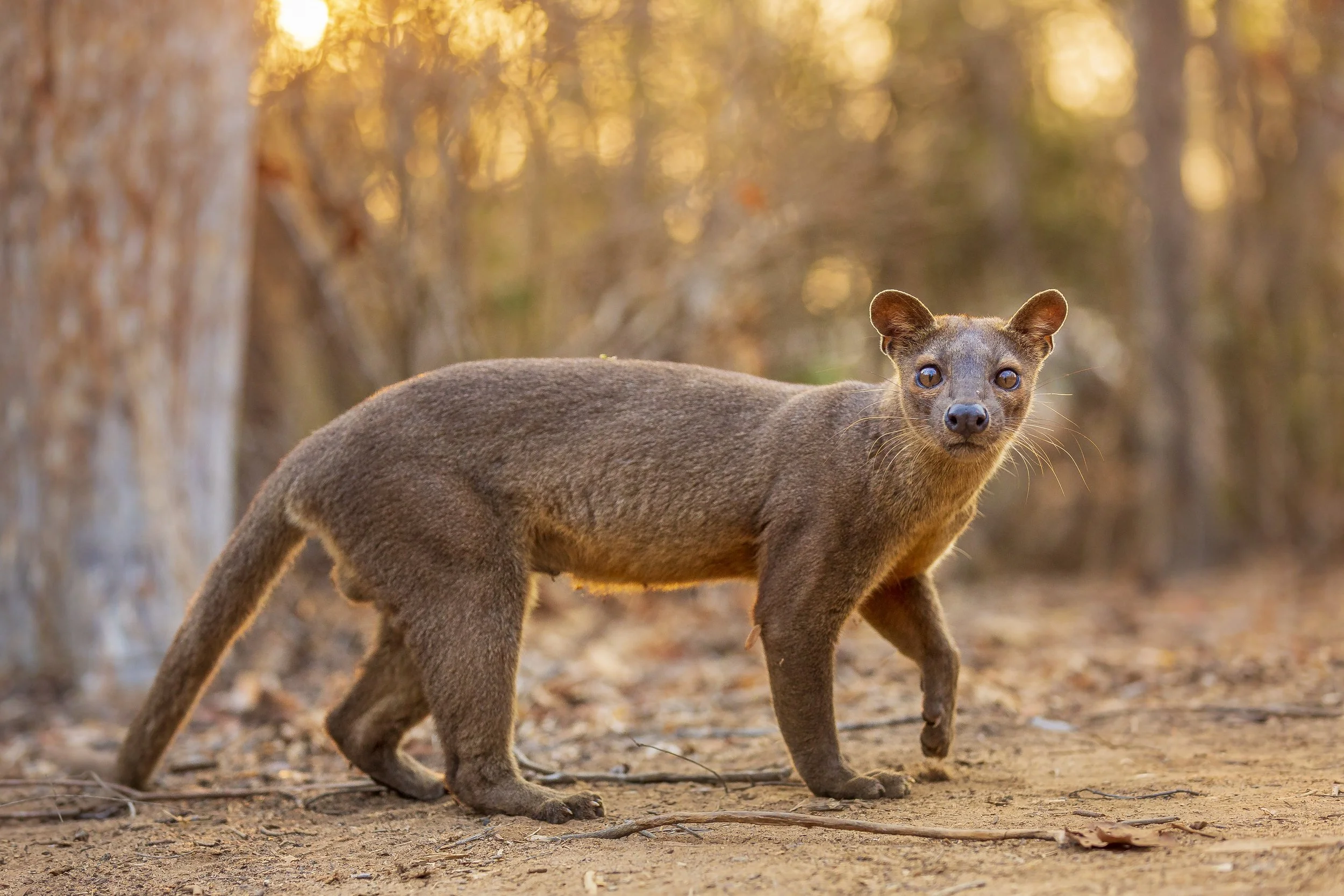
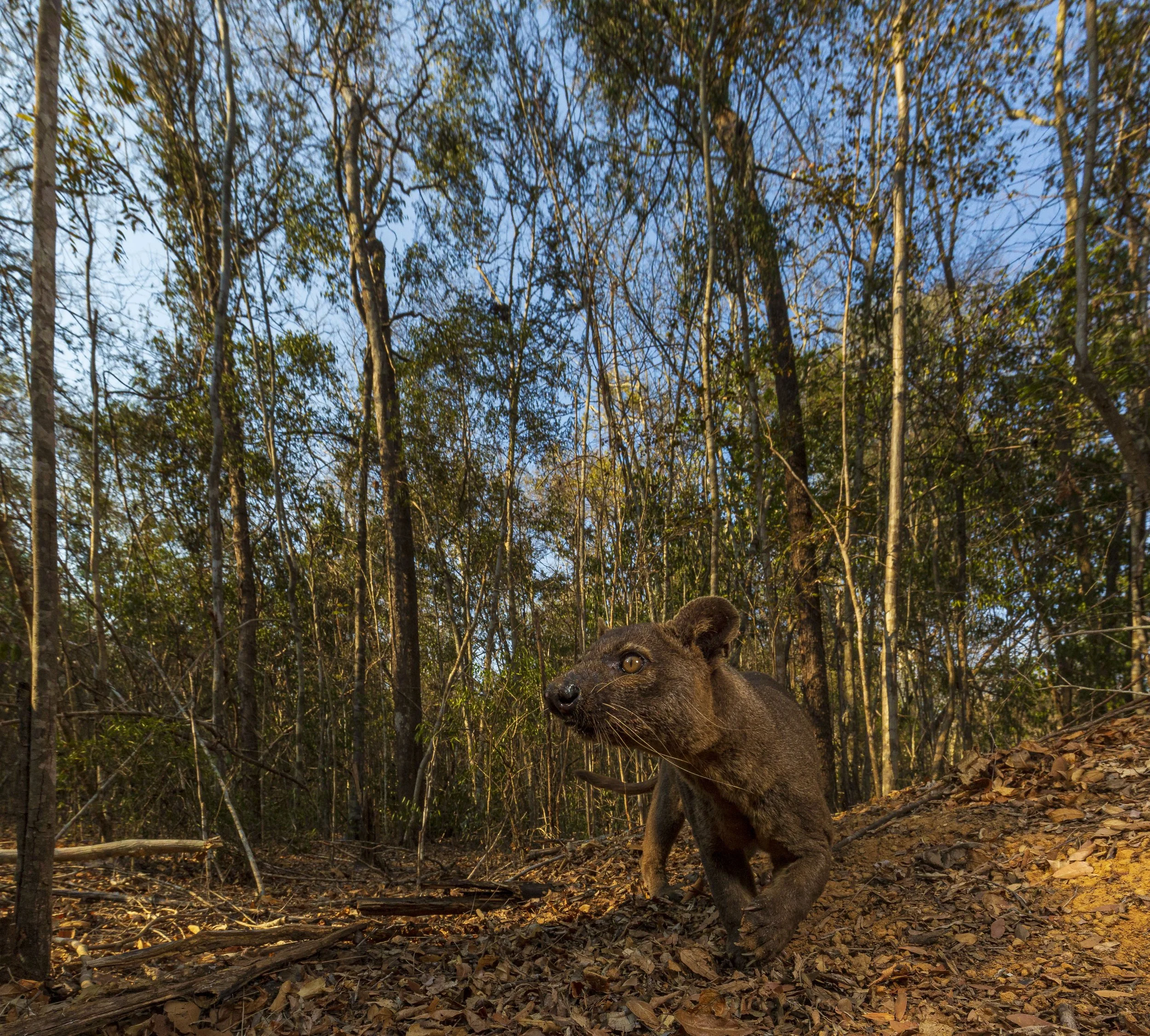
The Fossa are coming!
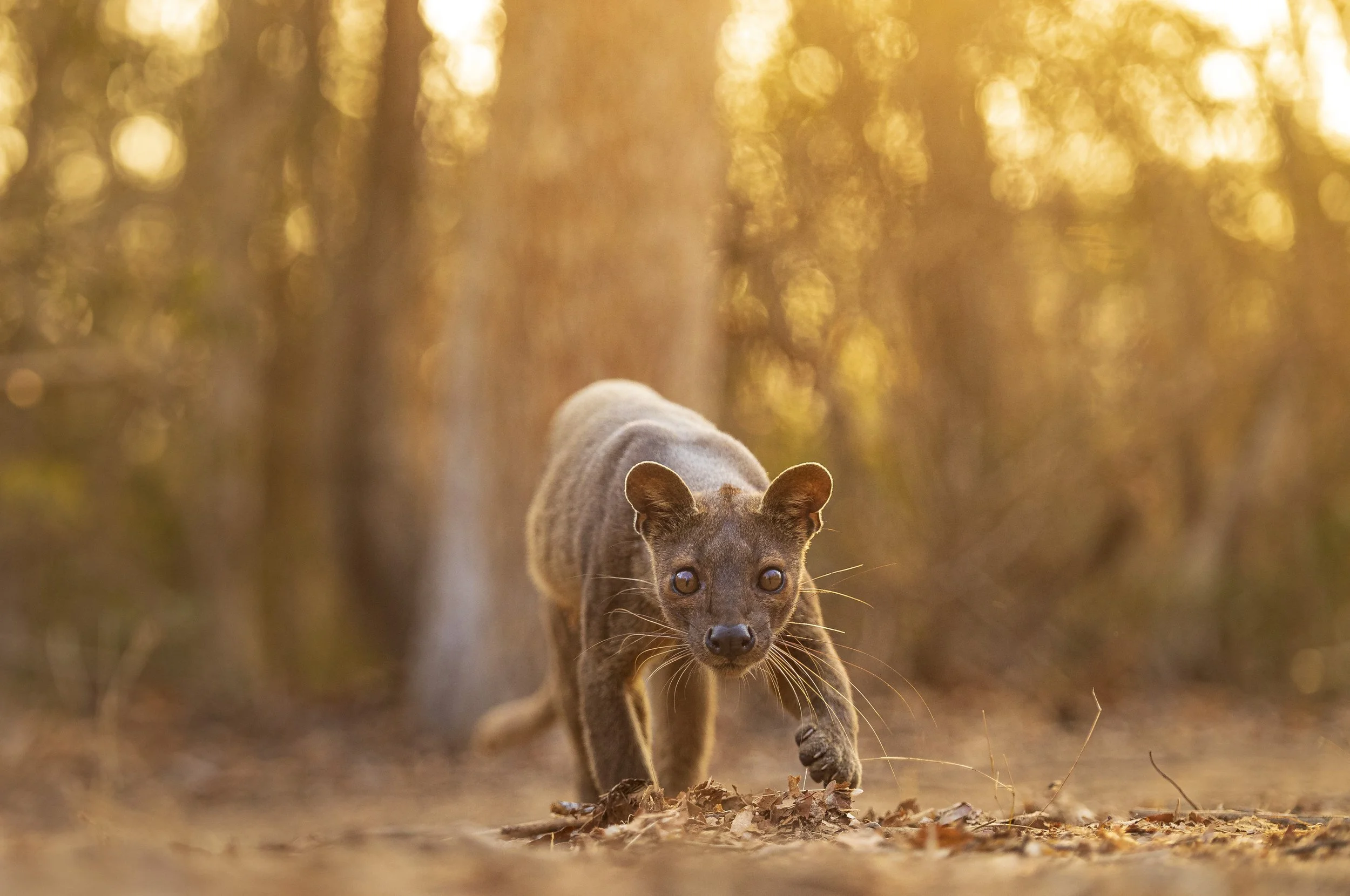
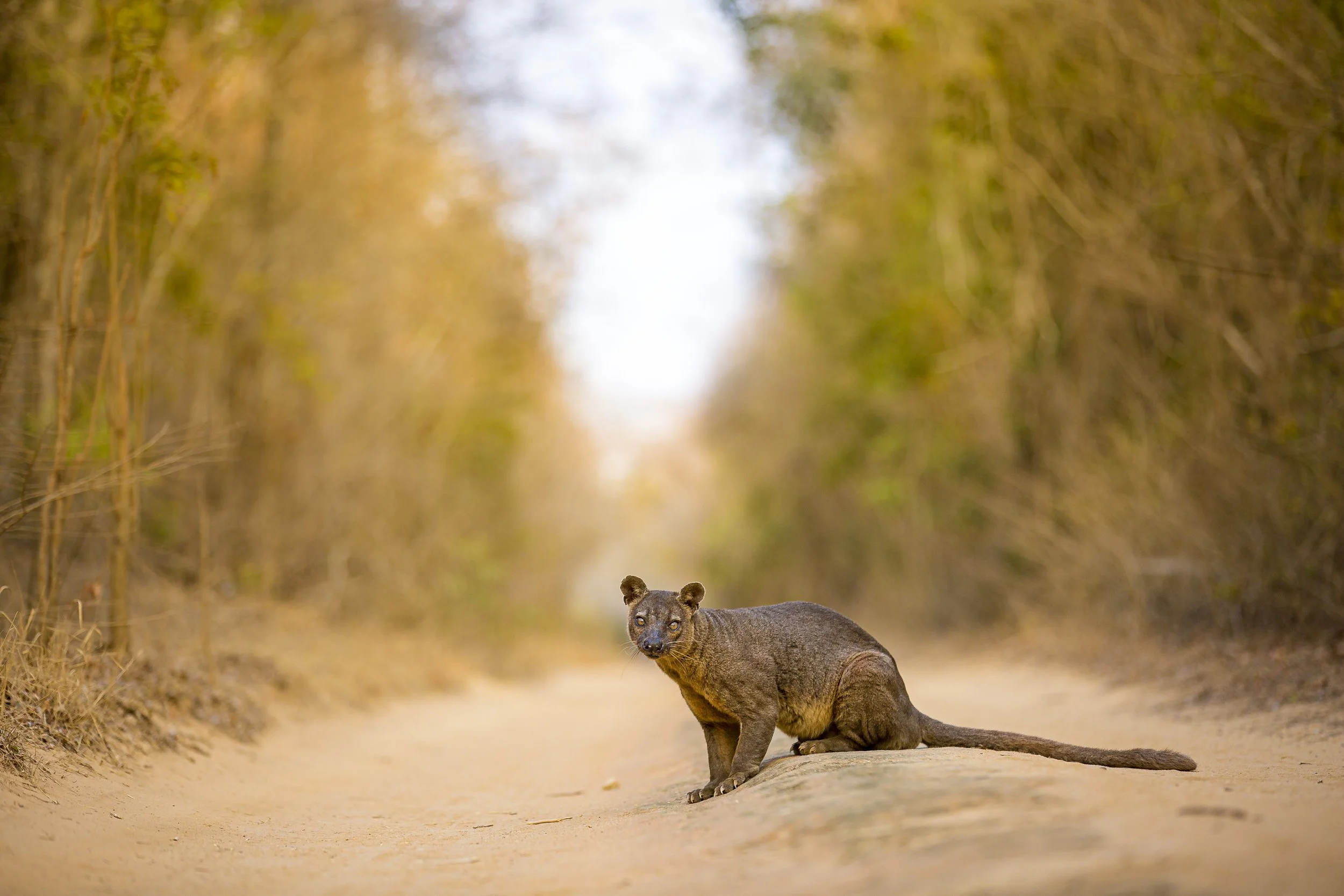
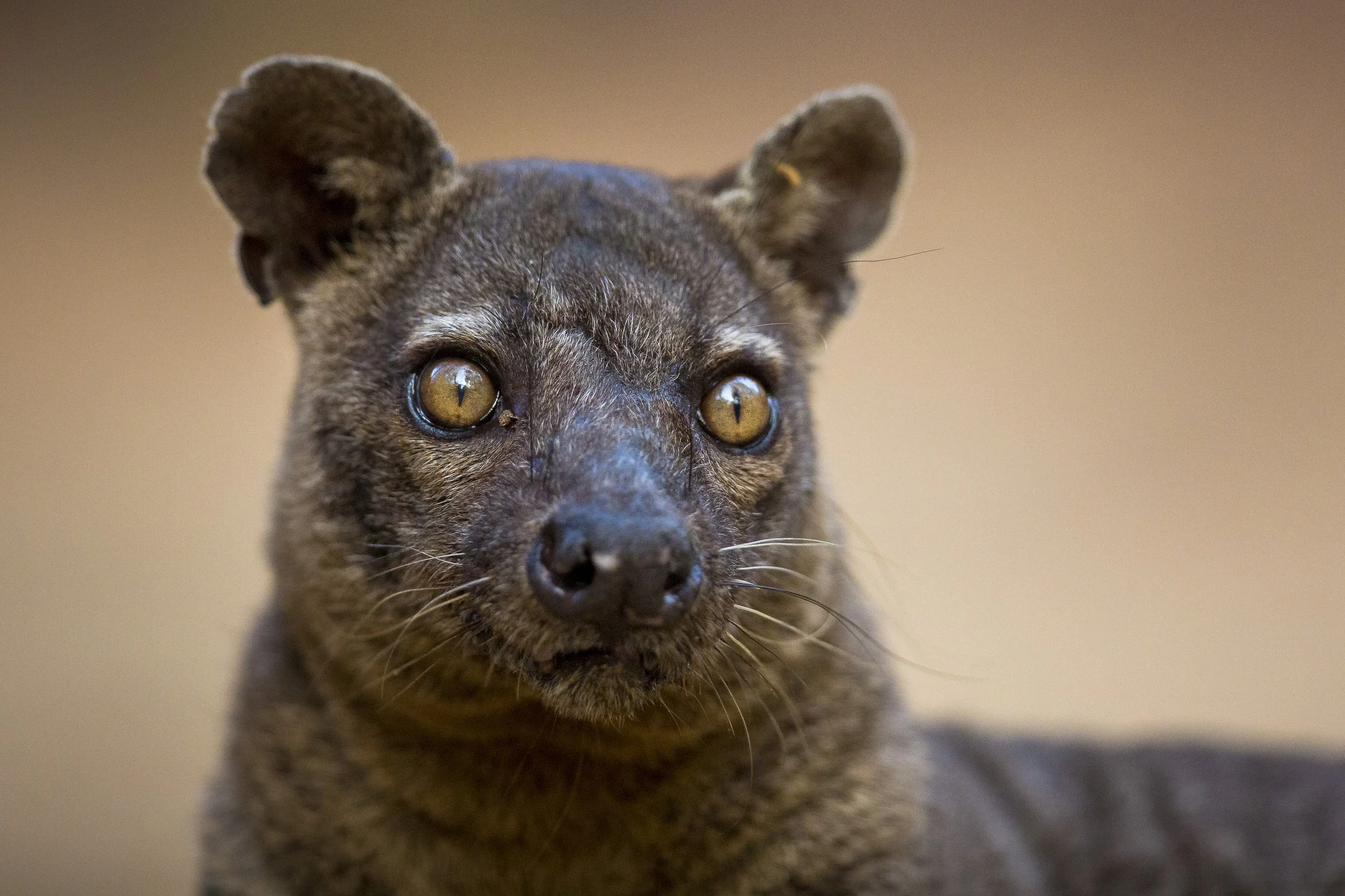
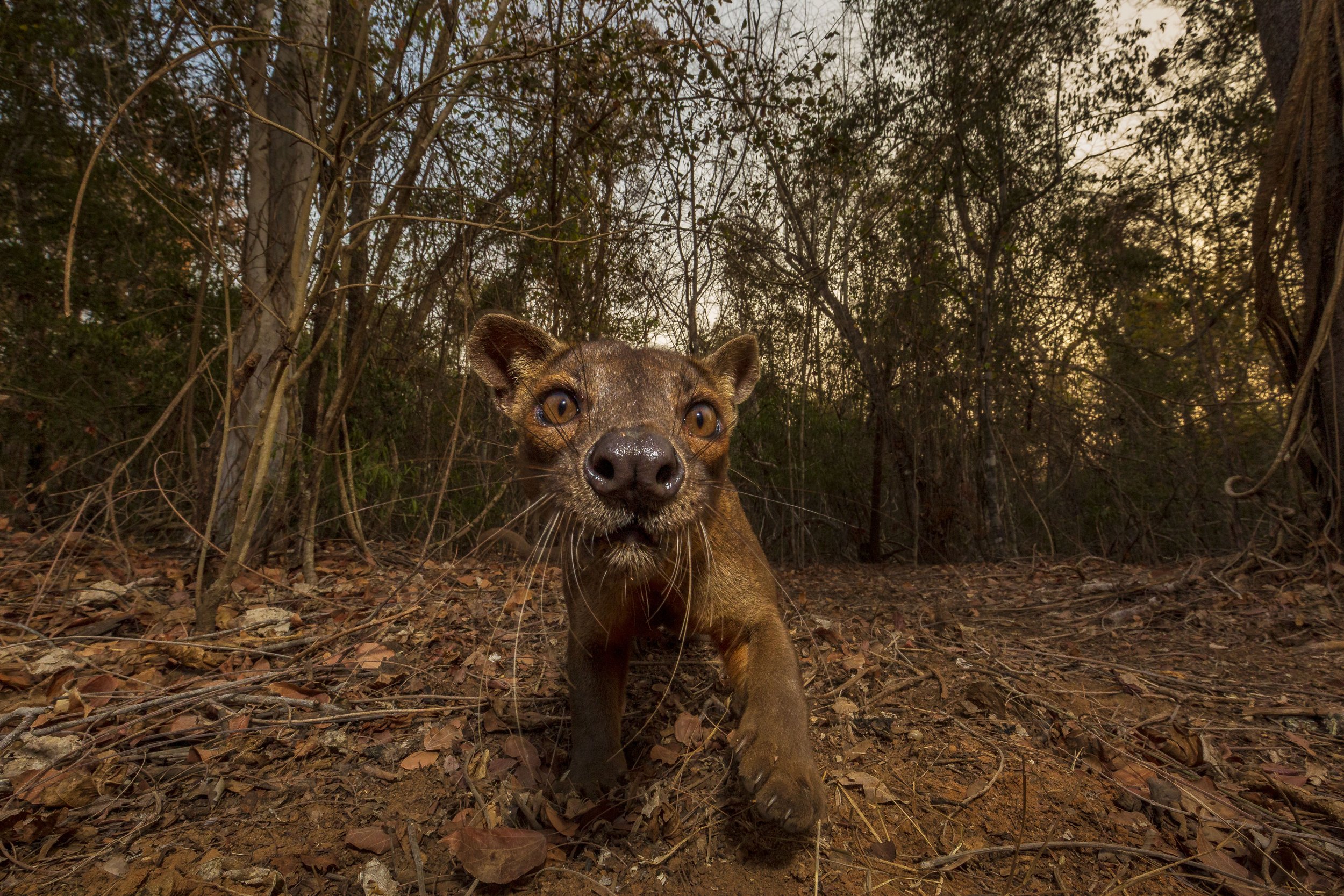
The Fossa is the largest native predator in Madagascar. It belongs to a group of carnivores found only on the island, called the Malagasy carnivores, which are related to mongooses rather than cats. It has semi-retractable claws, and is as agile in the forest canopy as it is on the ground. Its diet consists of mostly lemurs, but it is known to eat birds and reptiles as well. Elusive as it is, it is one of the most widespread animals in Madagascar.
Interestingly, while fossa is its Malagasy name, the genus fossa consists of animals such as the Malagasy Civet. The fossa was then classified separately under another genus, Cryptoprocta. And like a majority of all animals found in Madagascar, the fossa is endemic.
Chameleons
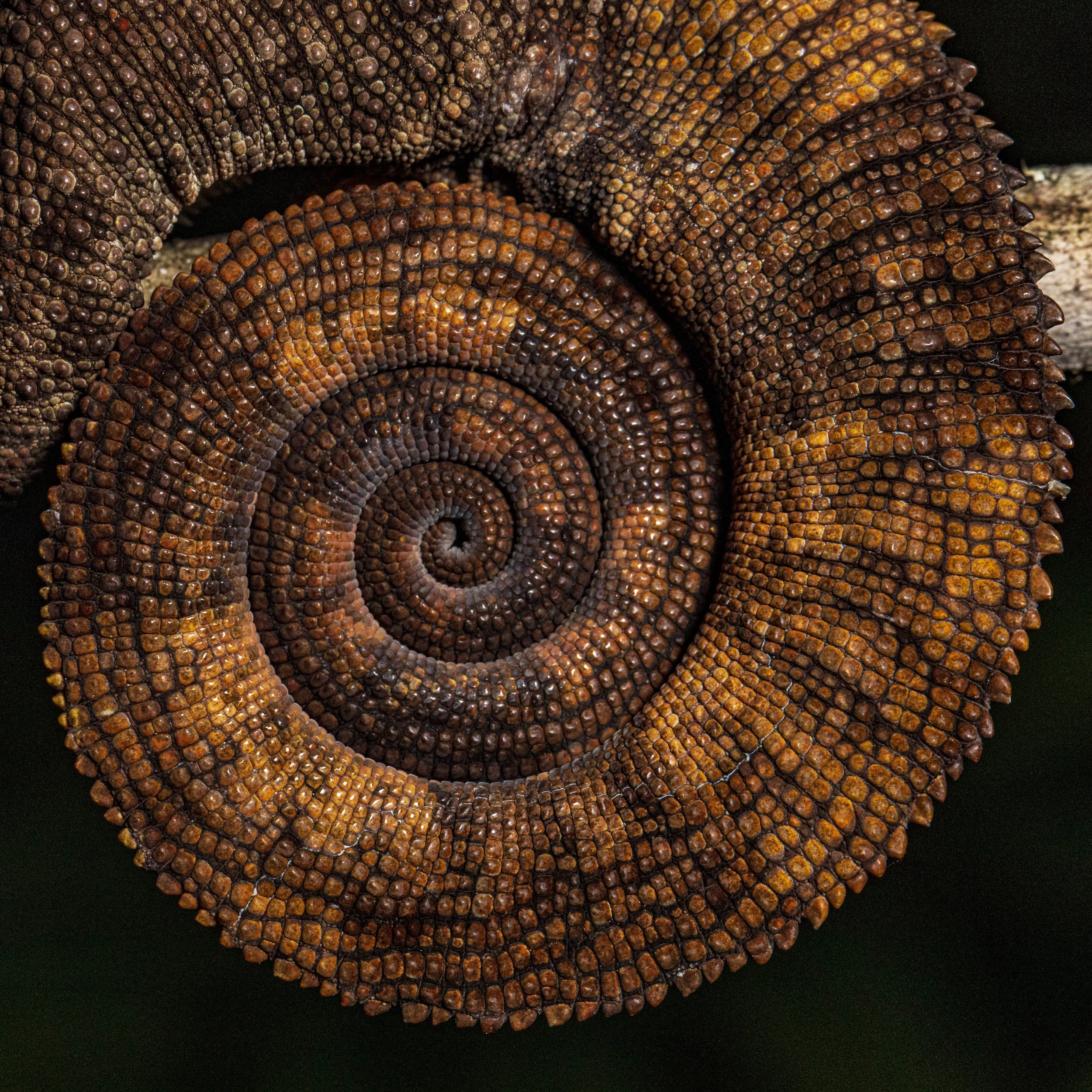
Madagascar is home to about 150 species of chameleons. Nearly half the world's diversity of chameleons thrives on this one island. These range from some of the smallest reptiles on Earth, such as the Brookesia species, to the largest chameleon in the world, the Parsoni.
They are found across habitats - rainforests, dry forests, and spiny thickets. It took us a two day long trek at Isalo to see our first chameleon there, the Furcifer oustaleti, the longest chameleon in the world. And after that, the floodgates opened and we saw an outsaleti almost every day in the dry regions.
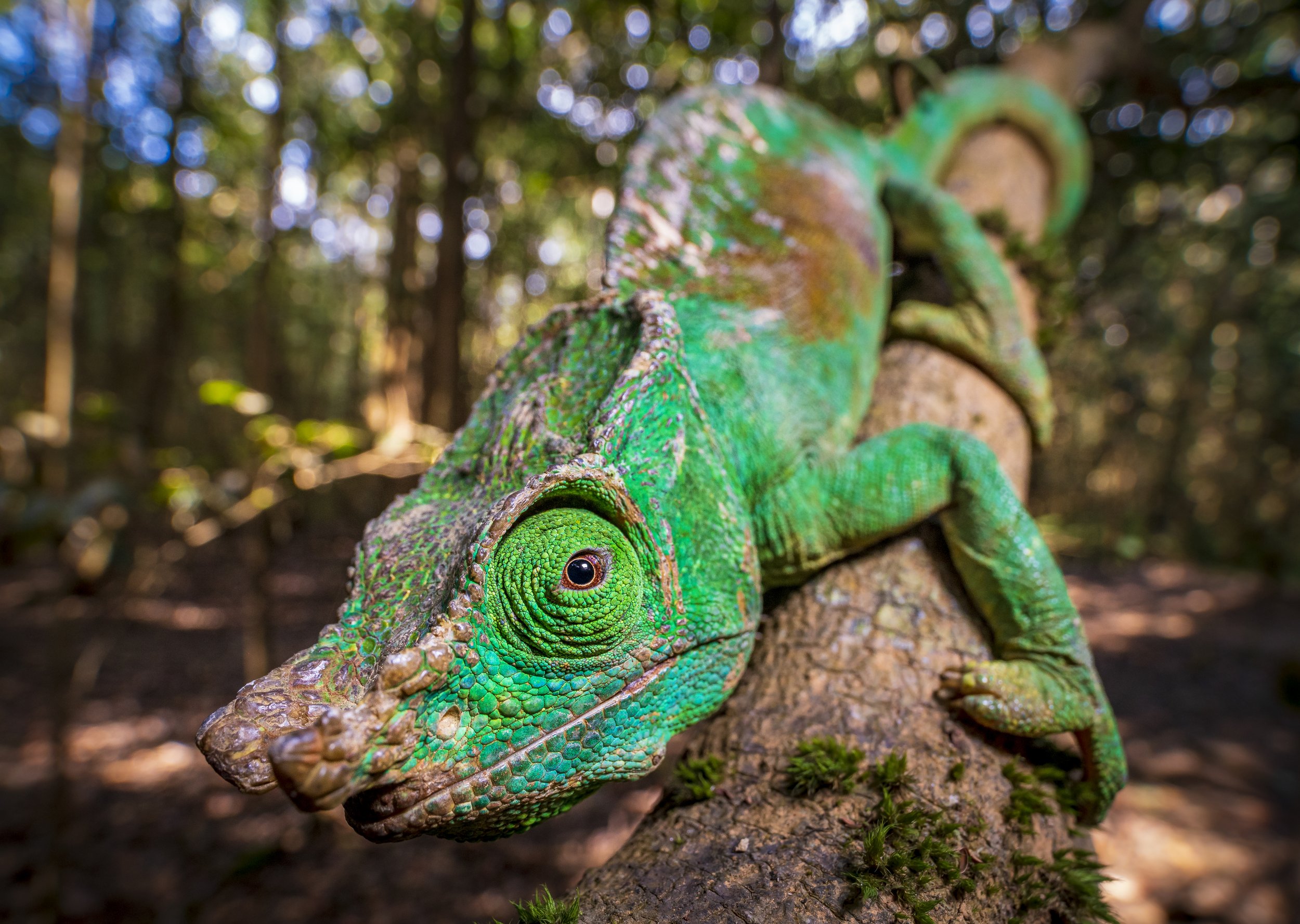
Parson's Chameleon (Calumma parsonii)
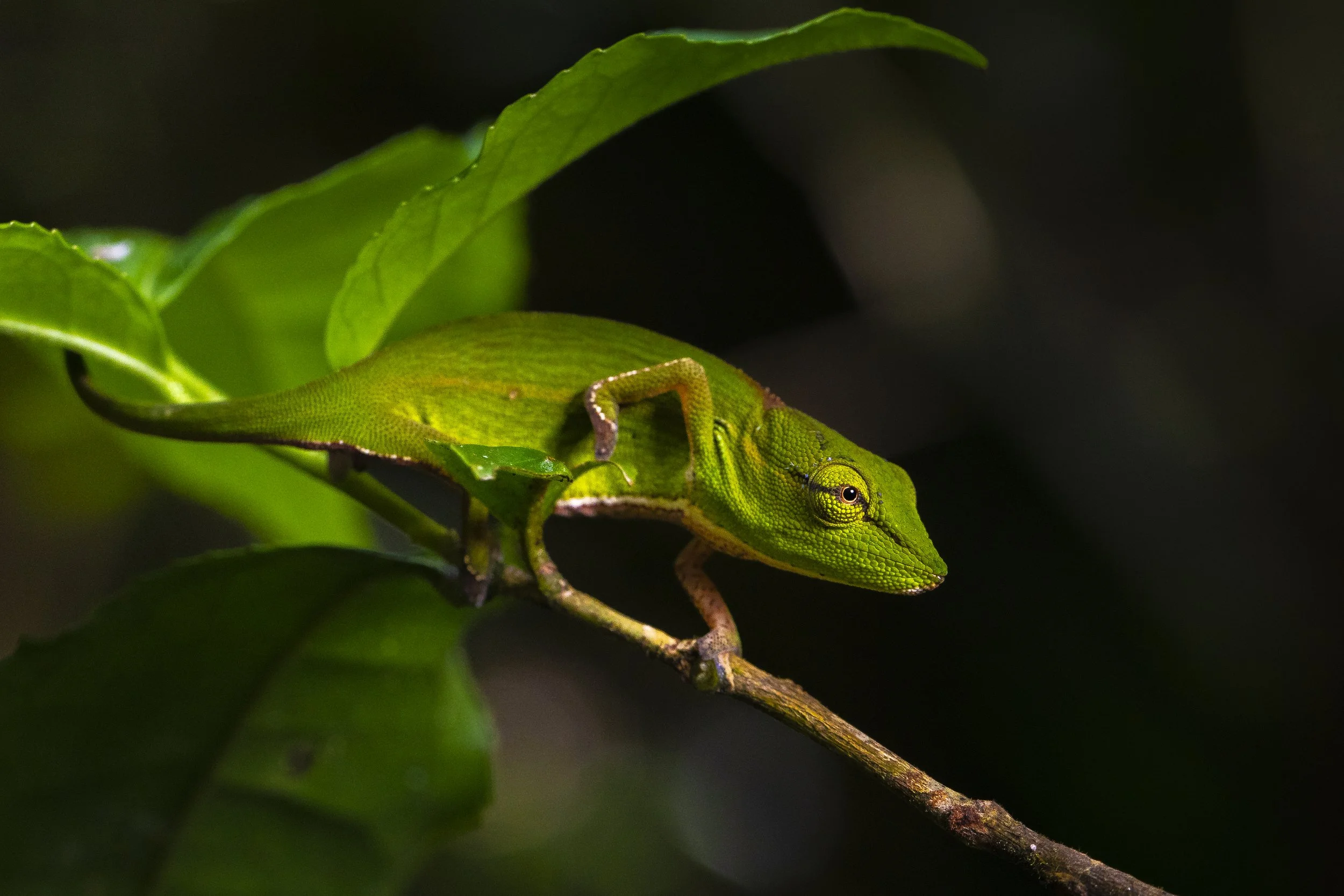
Perinet striped chameleon (Calumma gastrotaenia)
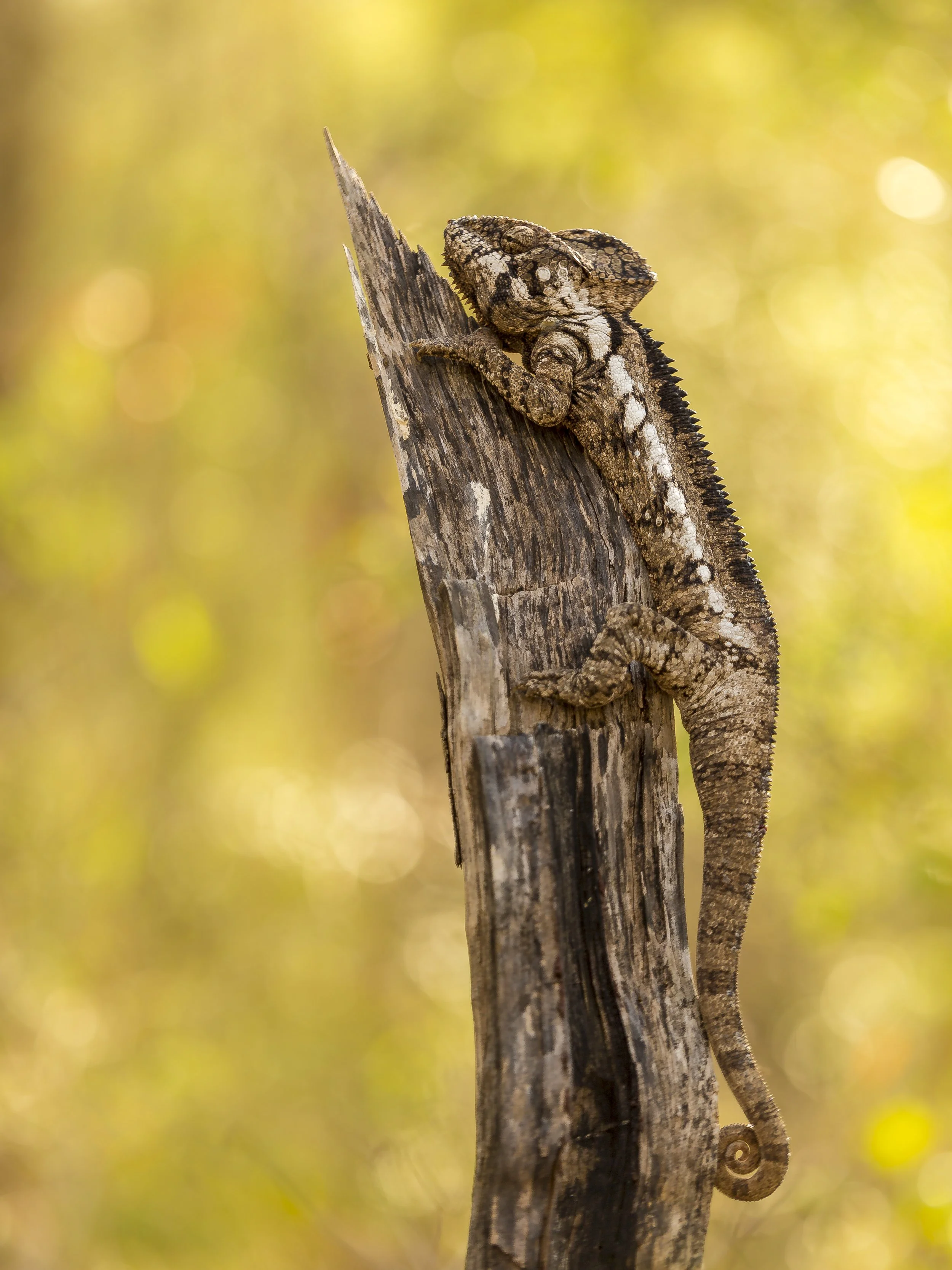
Oustalet's chameleon (Furcifer oustaleti)
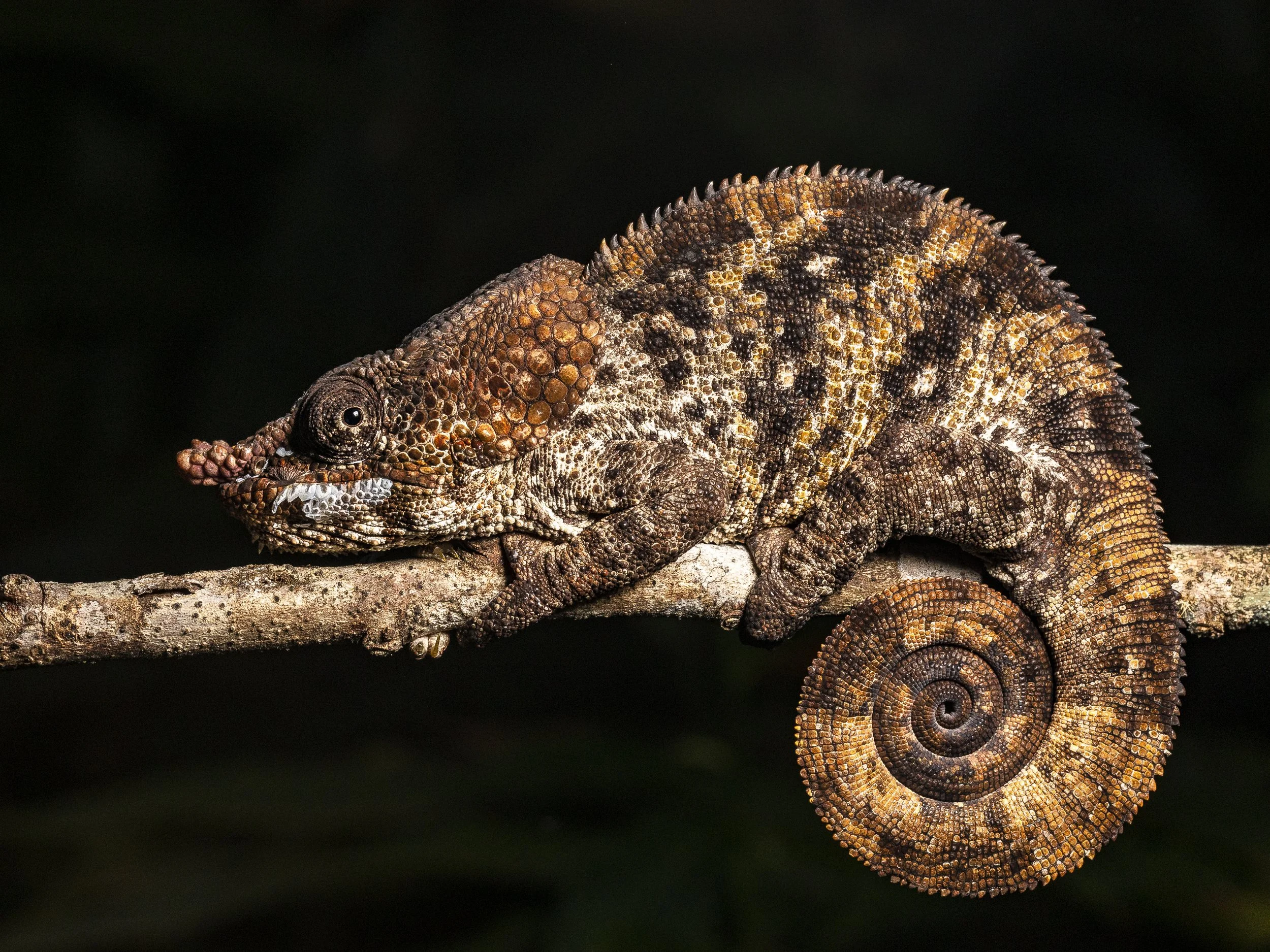
Short-horned chameleon (Calumma brevicorne)
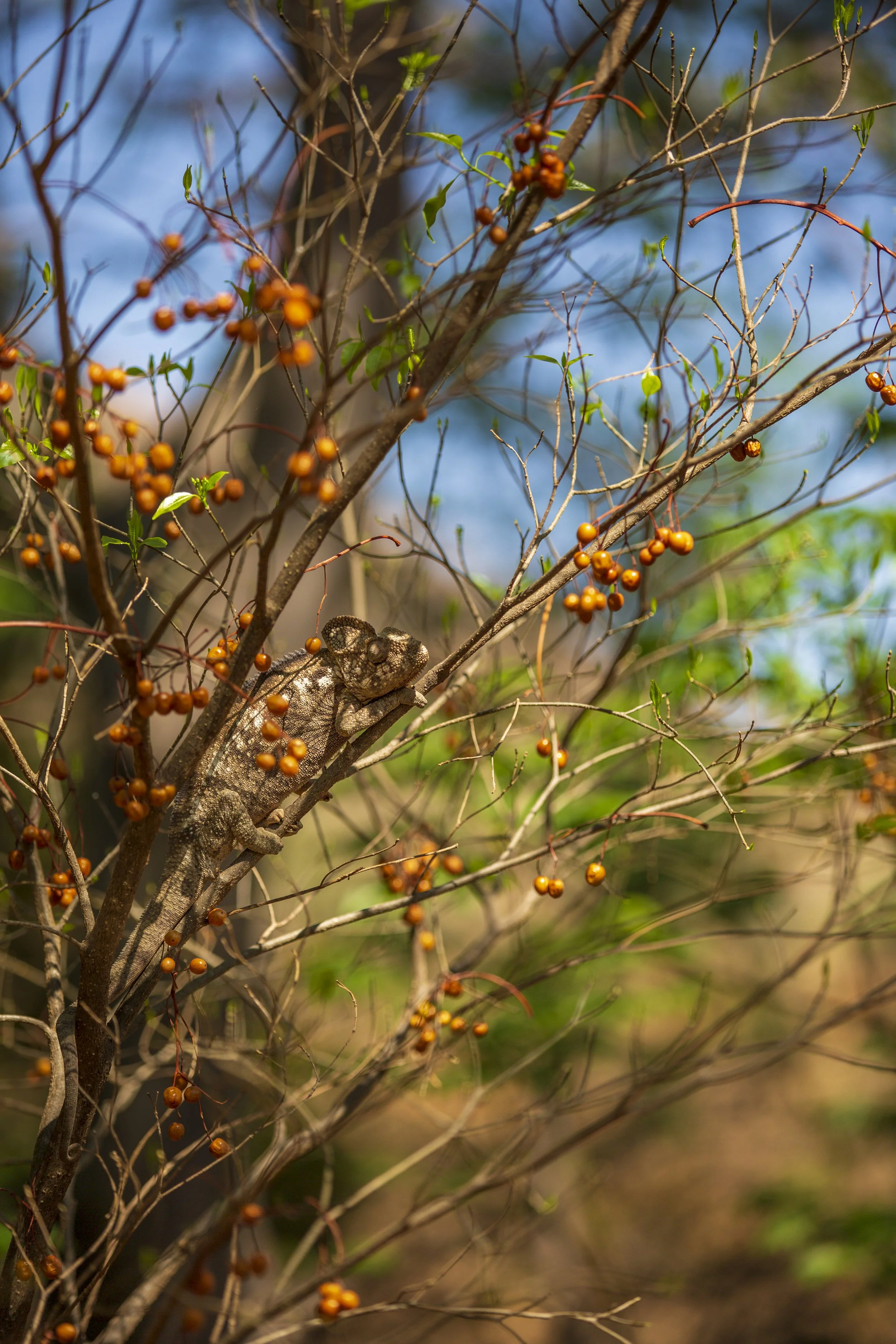
Oustalet's chameleon (Furcifer oustaleti)
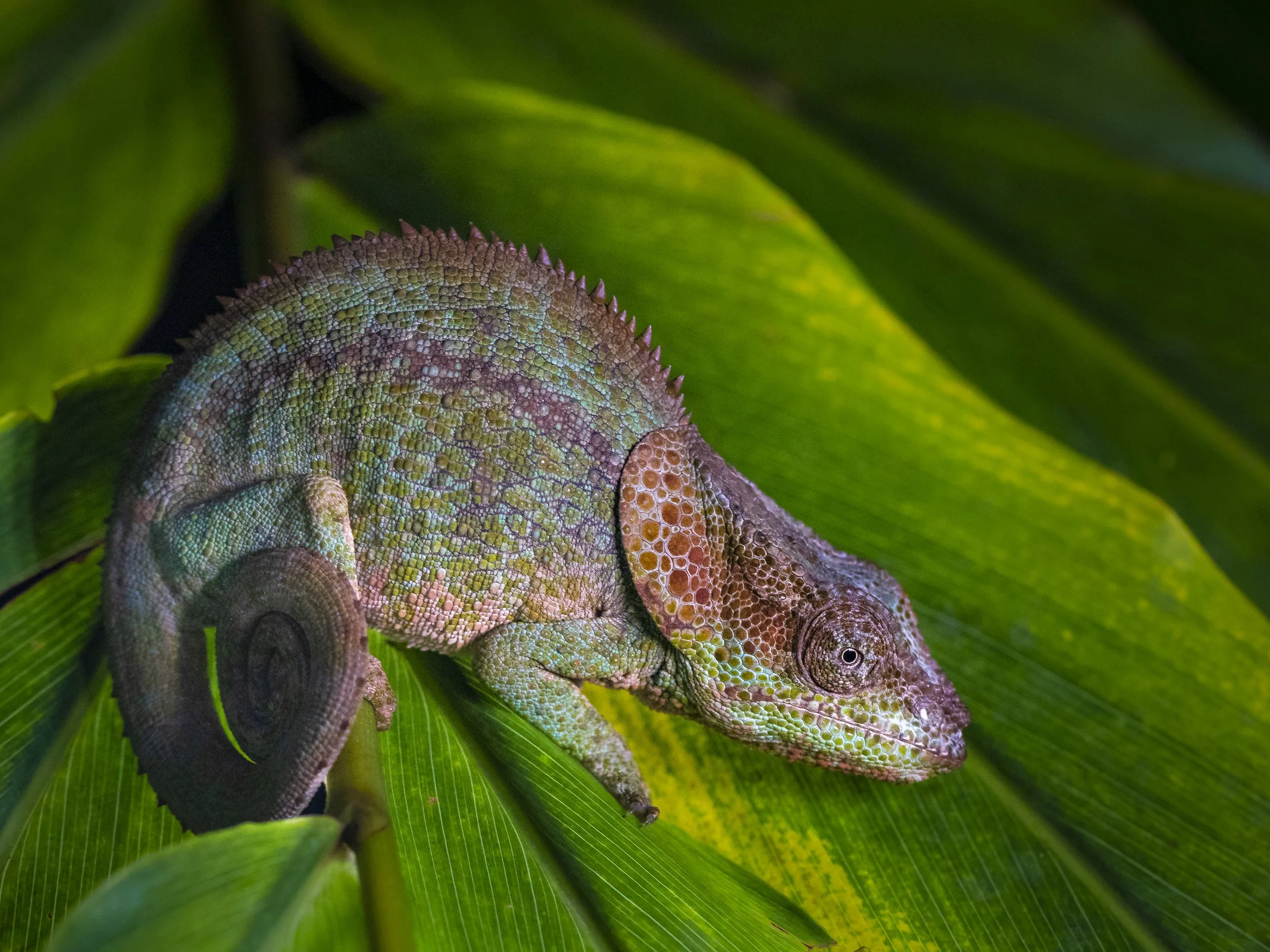
Short-horned chameleon (Calumma brevicorne)
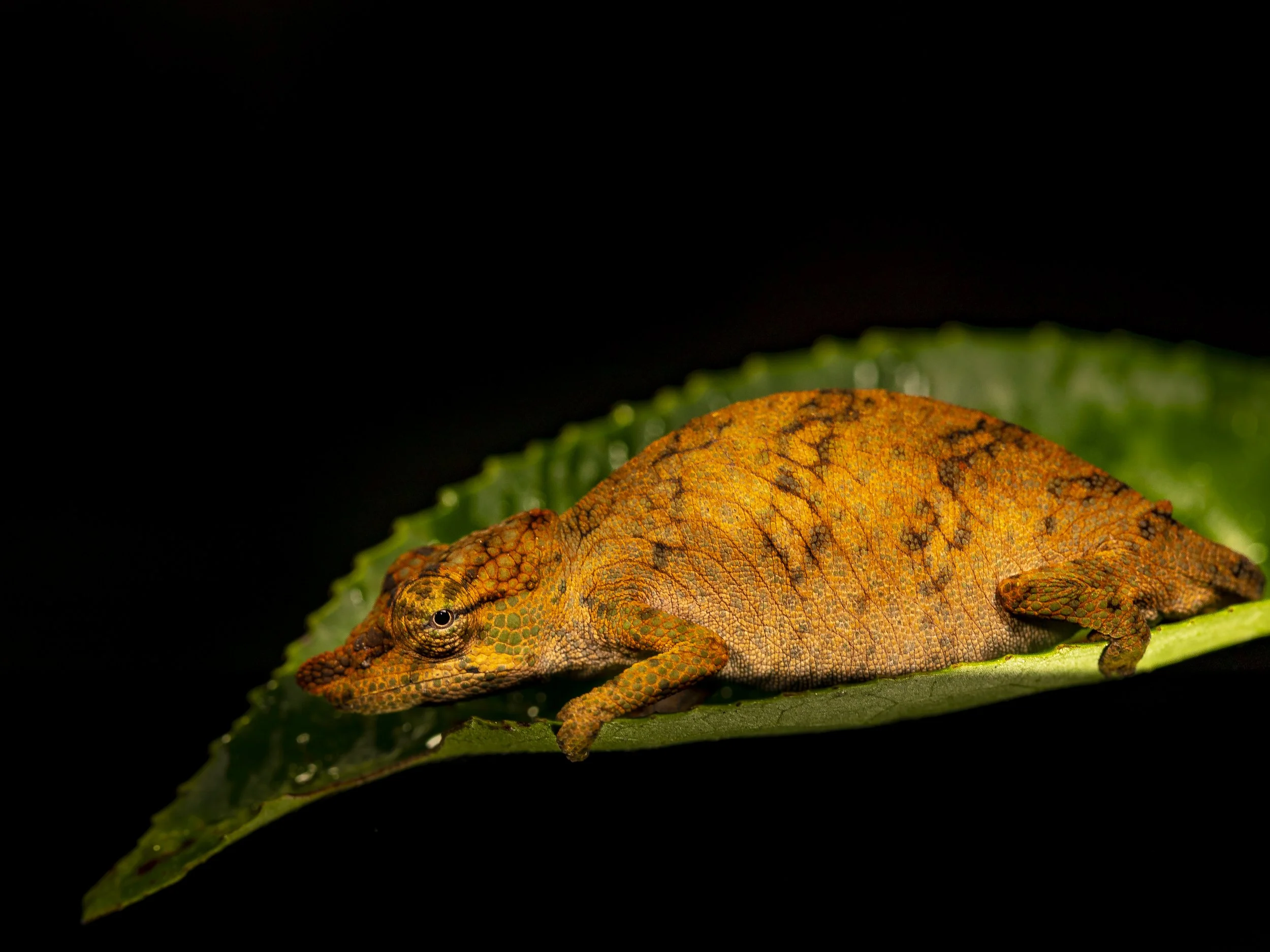
Nose-horned chameleon (Calumma nastum)
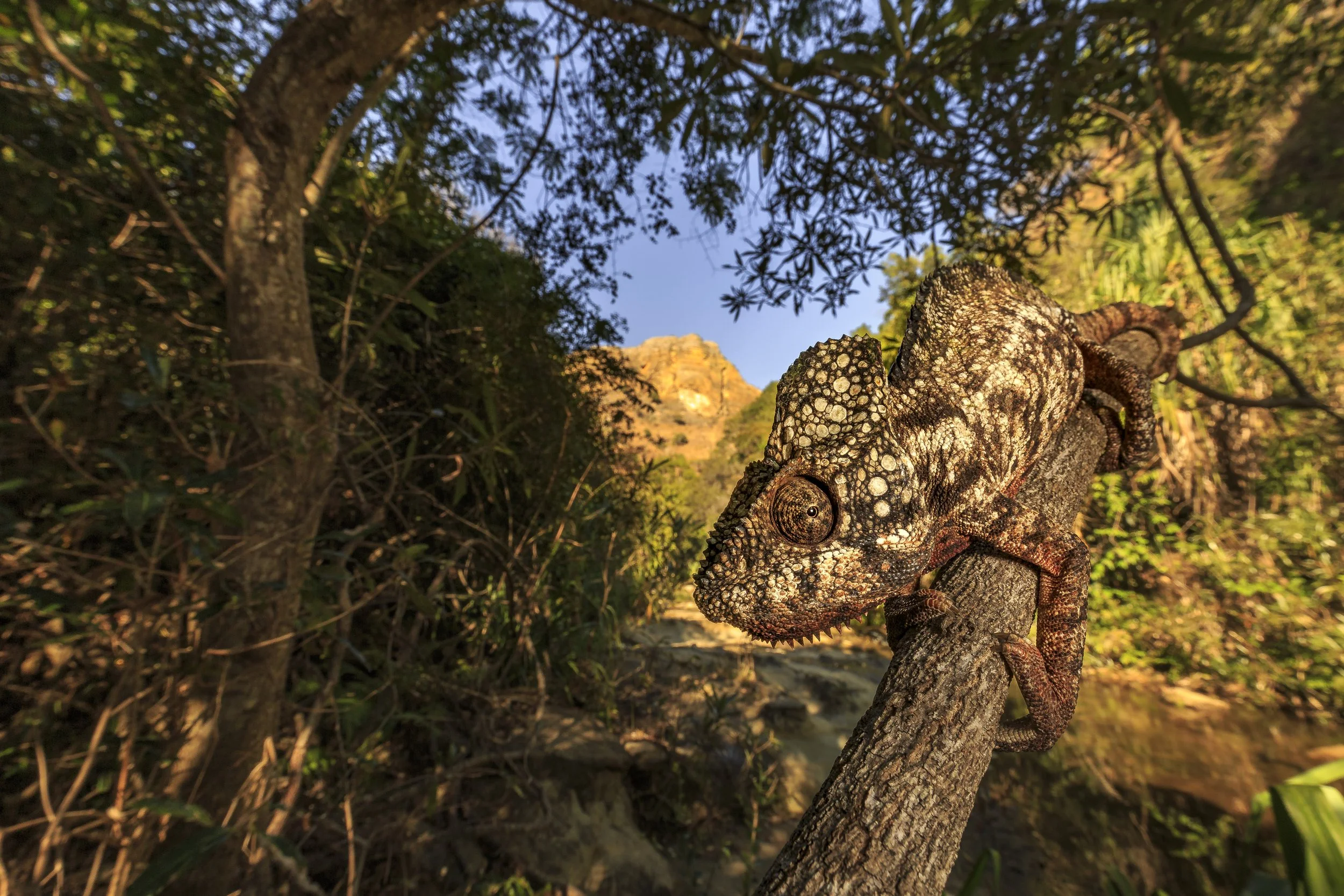
Oustalet's chameleon (Furcifer oustaleti)
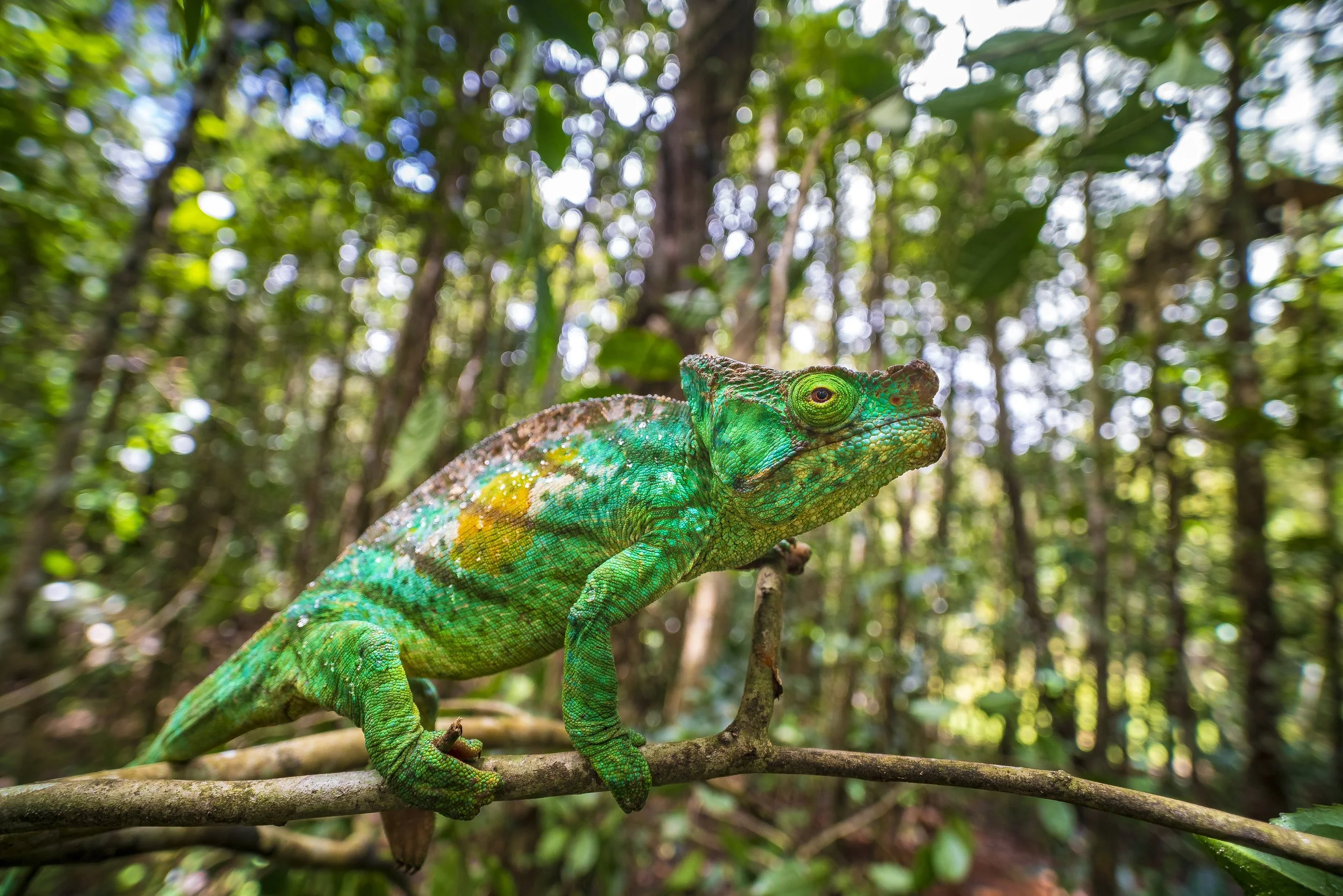
Parson's Chameleon (Calumma parsonii)
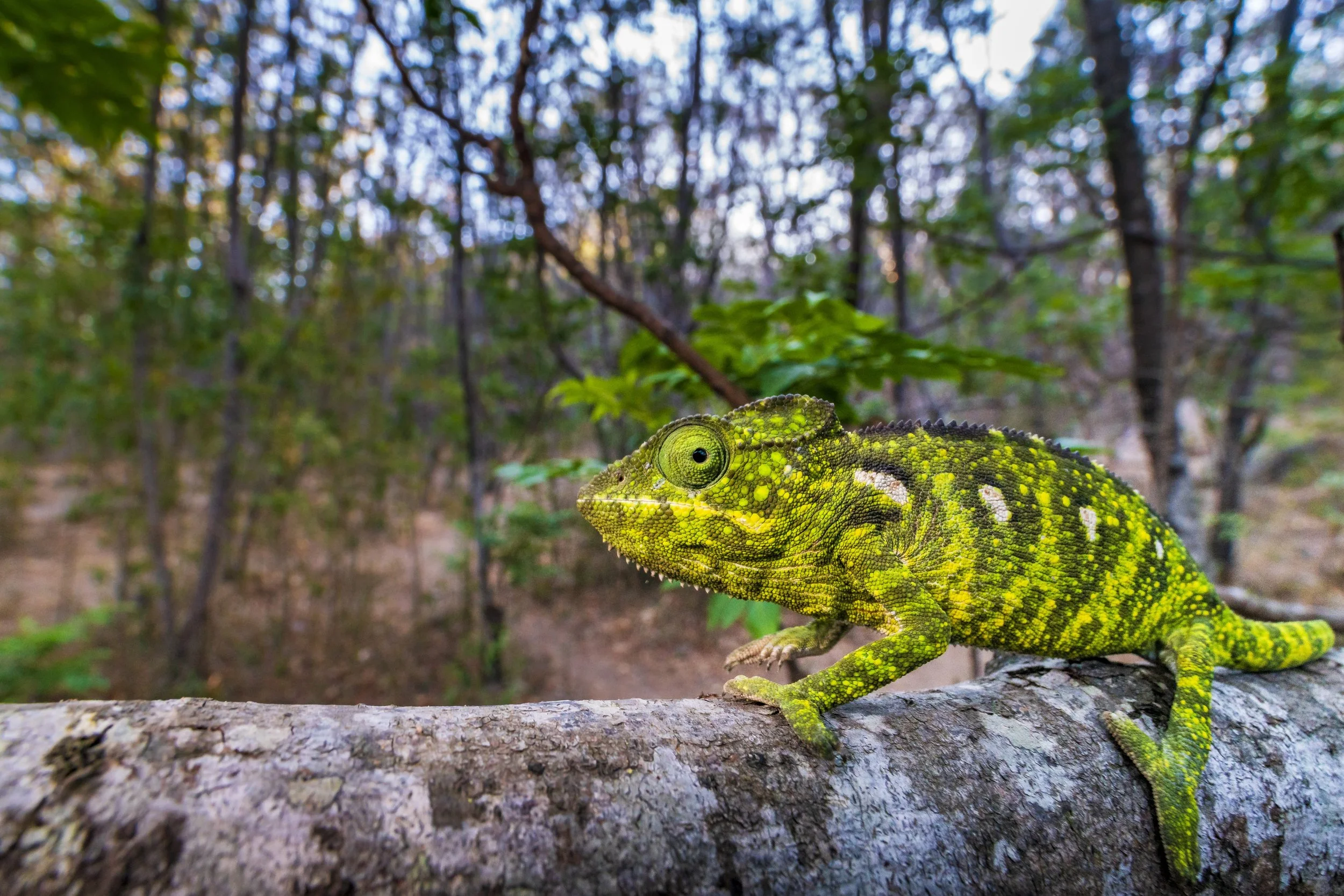
Furcifer lateralis