TAL CHHAPPAR
Chhappar, a village in Churu, Rajasthan, is a 7-hour train ride from Gurgaon, where I lived from 2011 to 2016. I first went there in September 2011. After that, I kept finding reasons to return. The arrival of a new migrant bird, a fox den, or friends heading there. In September 2013, I booked trains for every weekend for the next six months. I cancelled it on four occasions. On all the other weekends, I was there.
Over the years, Chhappar has become my home away from home.
Tal
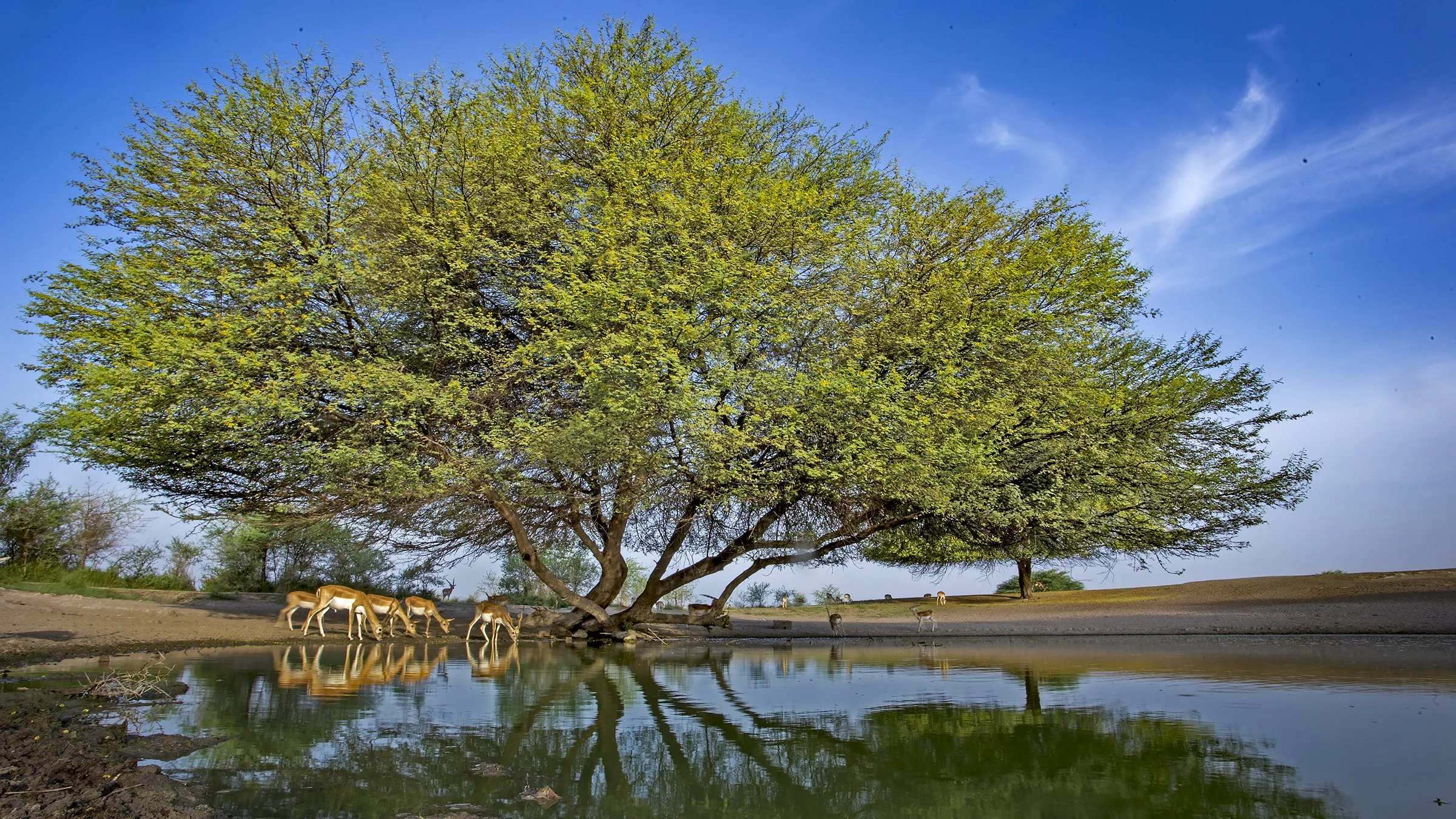
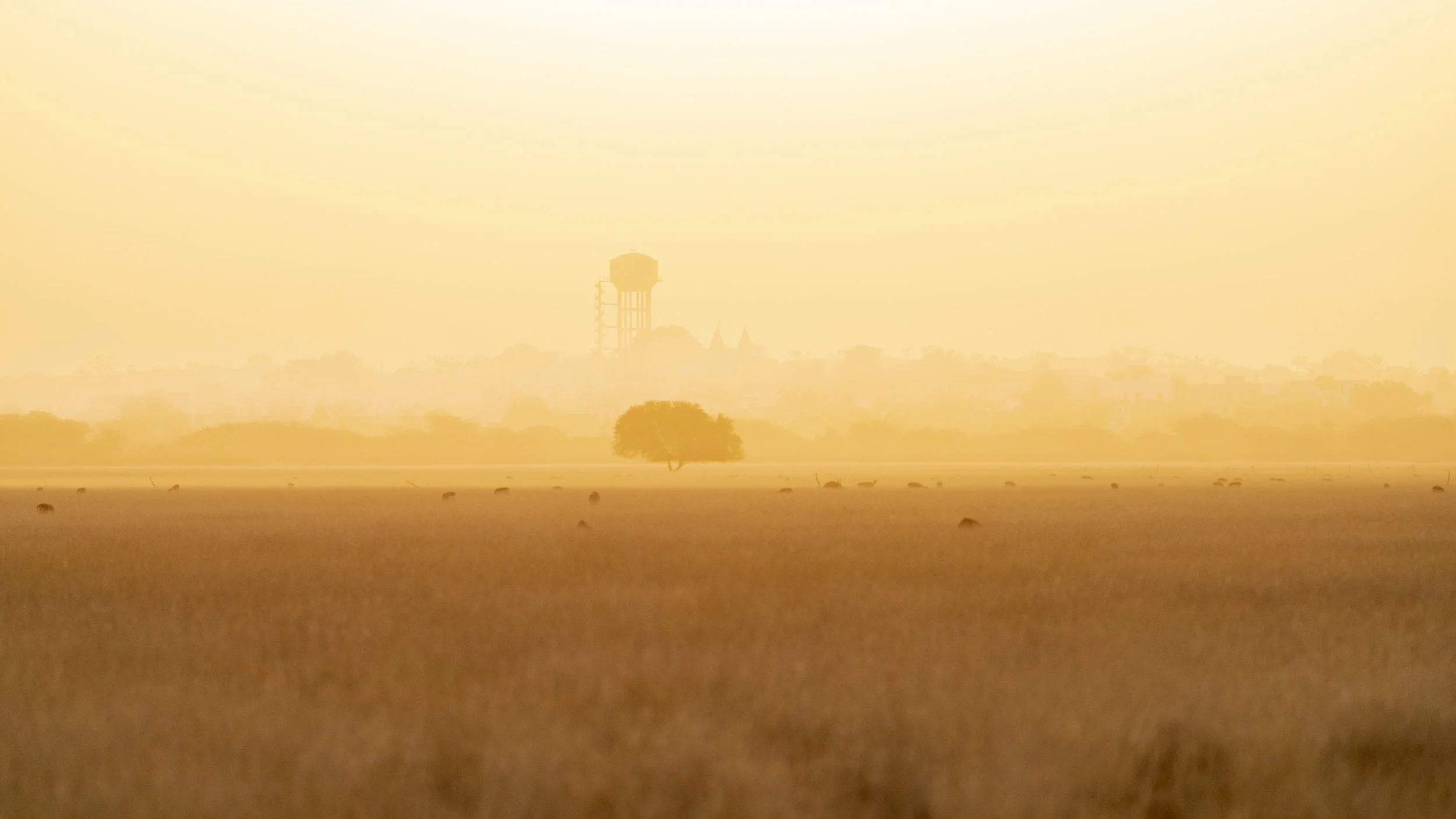
A ‘tal’ in the local Rajasthani dialect is a flat, open plain. These flatlands are often dry and sparsely vegetated grasslands, so one would imagine that they don’t support much life. But nothing could be further from the truth. Tal Chhapar, the tal belonging to a village named Chhapar, is an oasis in the middle of the Churu district in Rajasthan, which is known for being one of the driest and hottest places in the country.
Blackbucks and the tal
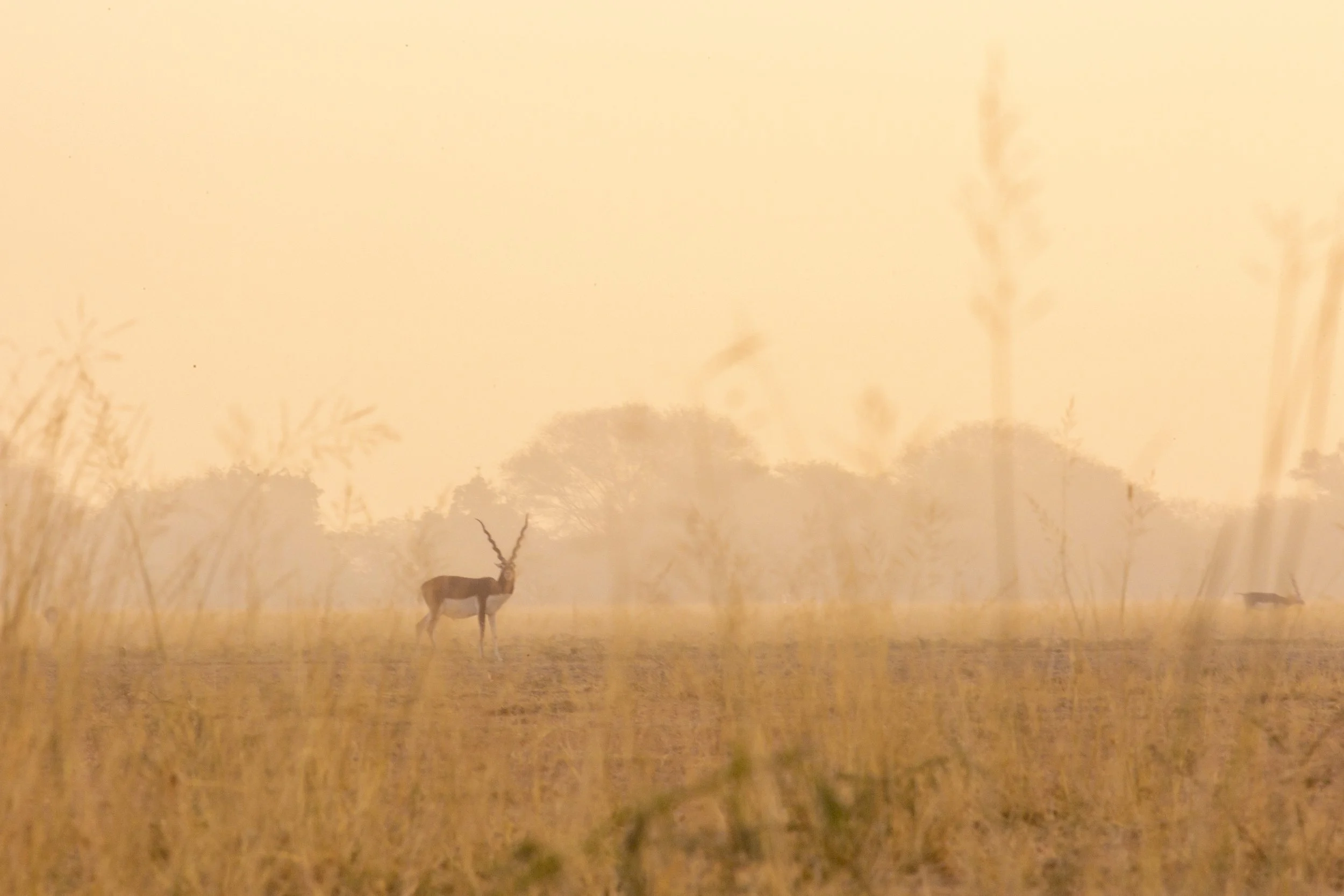
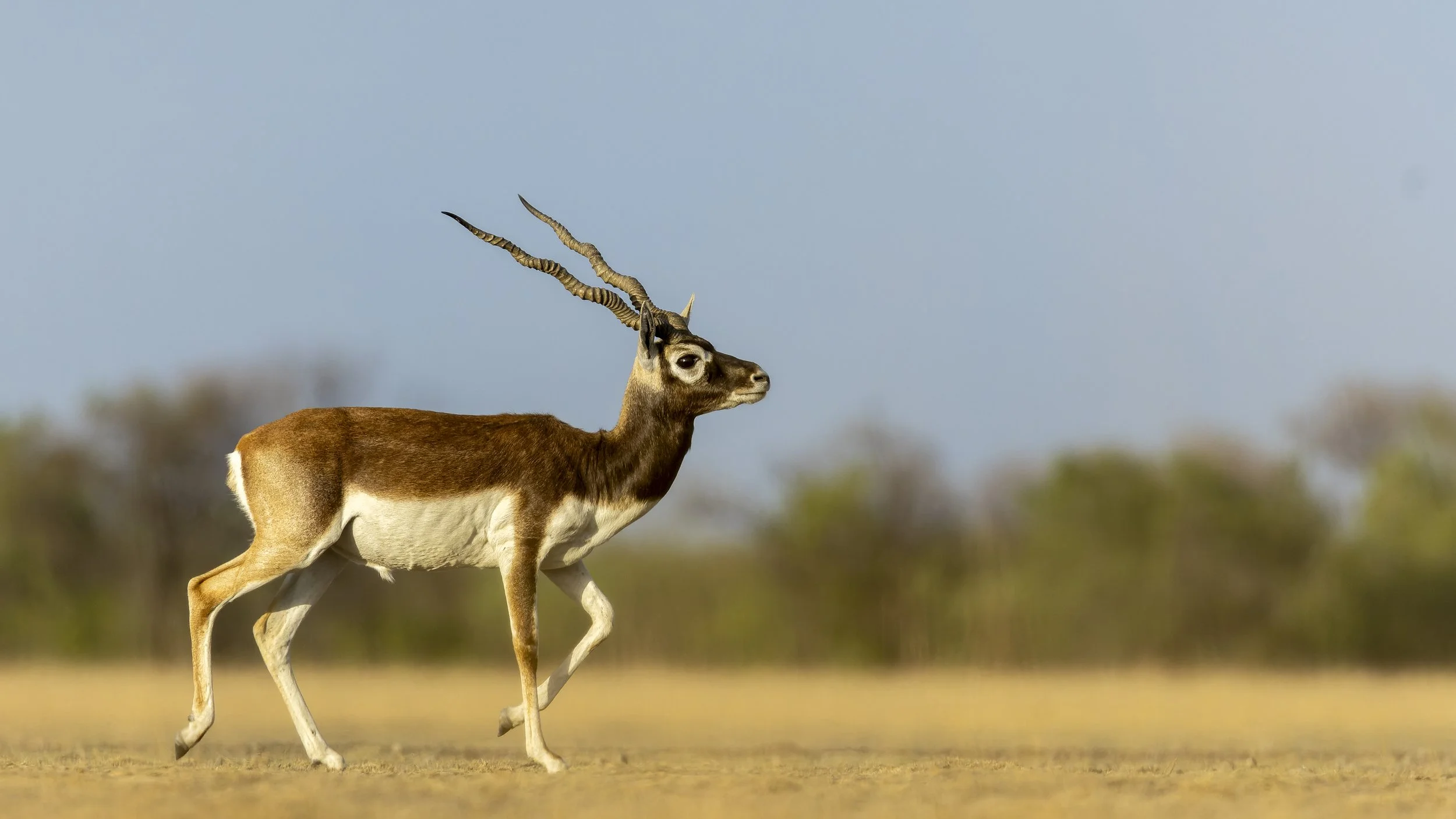
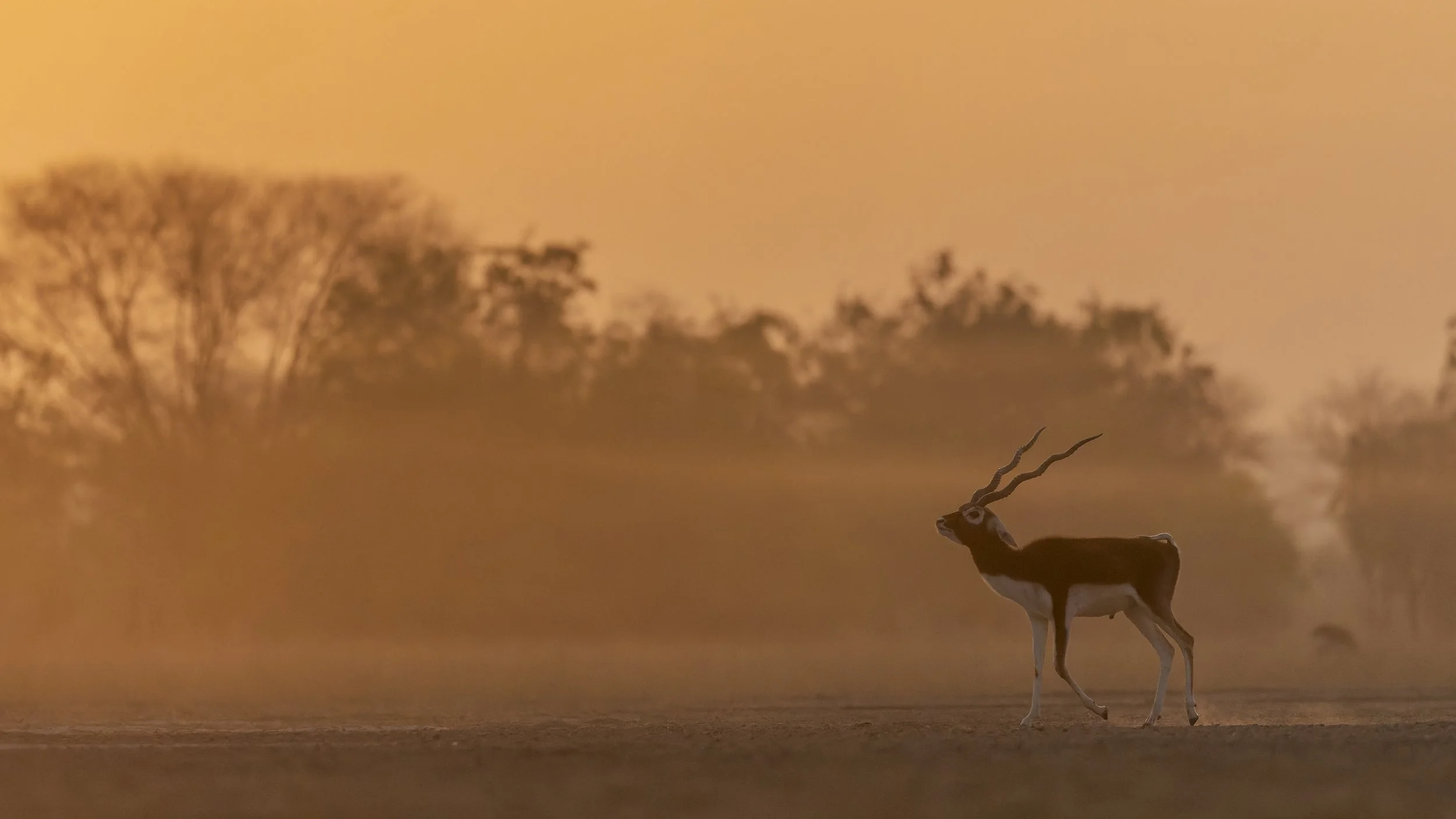
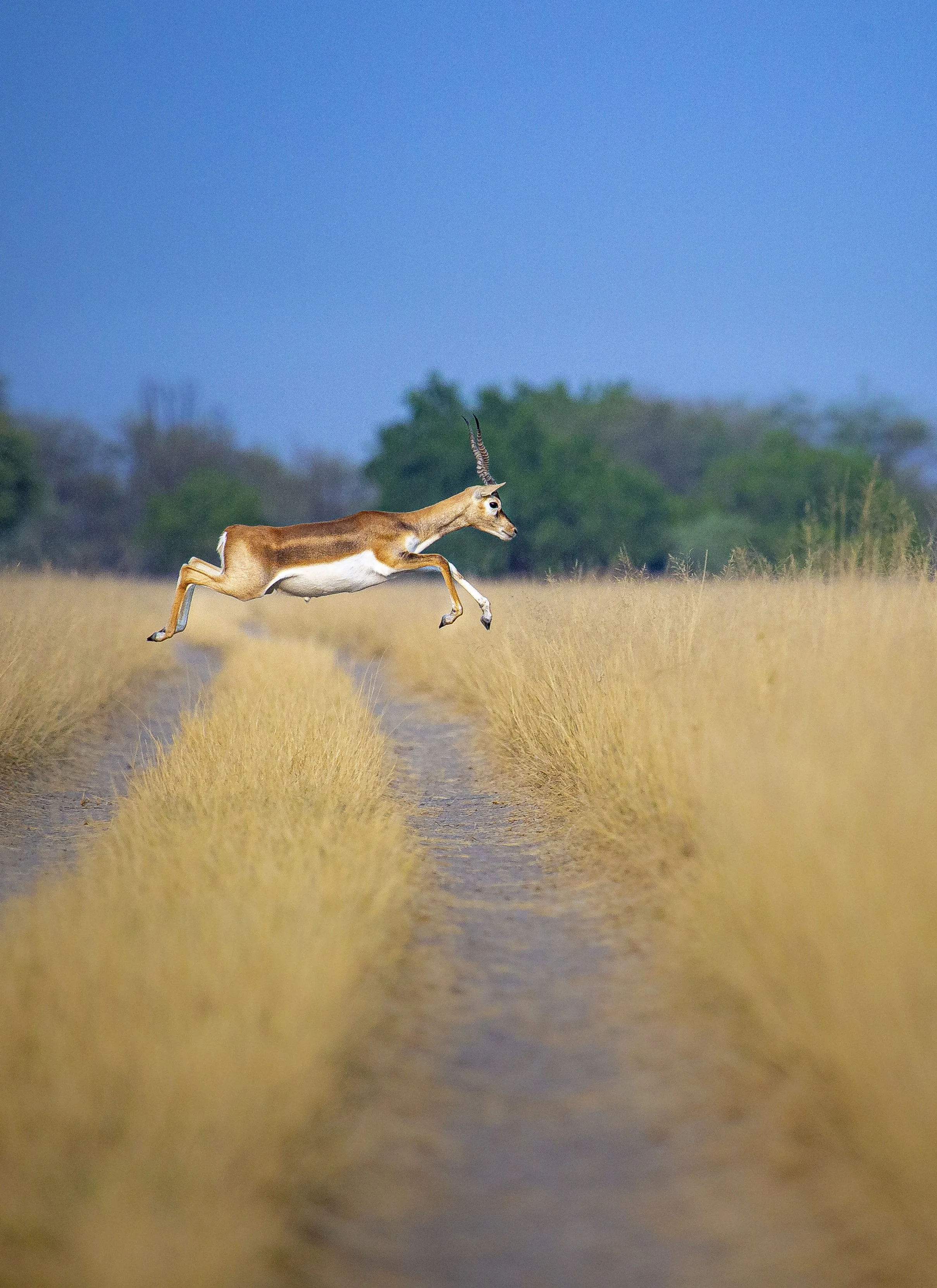
Blackbucks are the flagship species of Tal Chhappar, thanks to the tal. The Blackbuck is also the reason the sanctuary came to be in the first place - this used to be the hunting ground of the Maharaja of Bikaner in the 1900s. In 1966, it was declared a sanctuary.
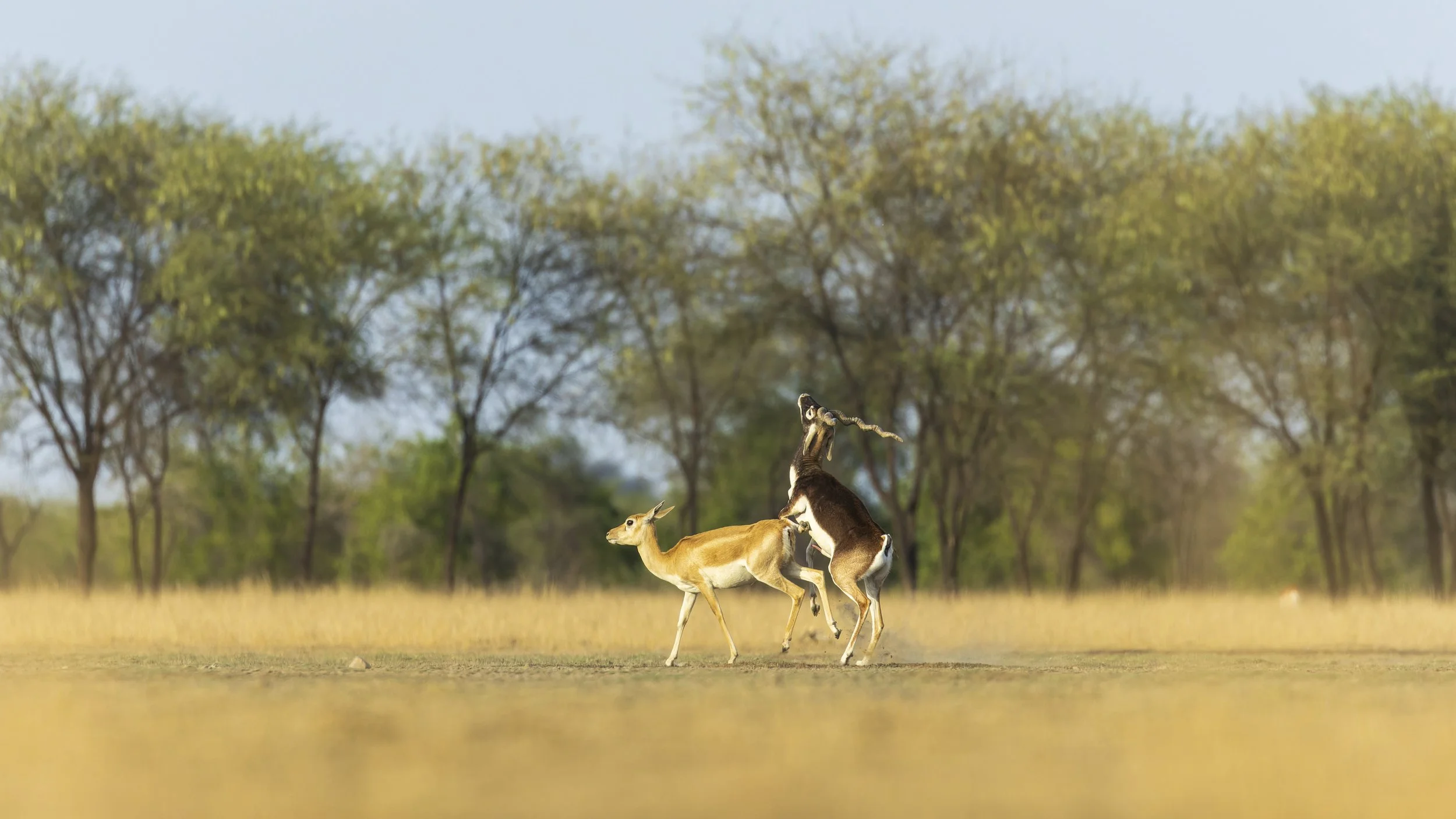
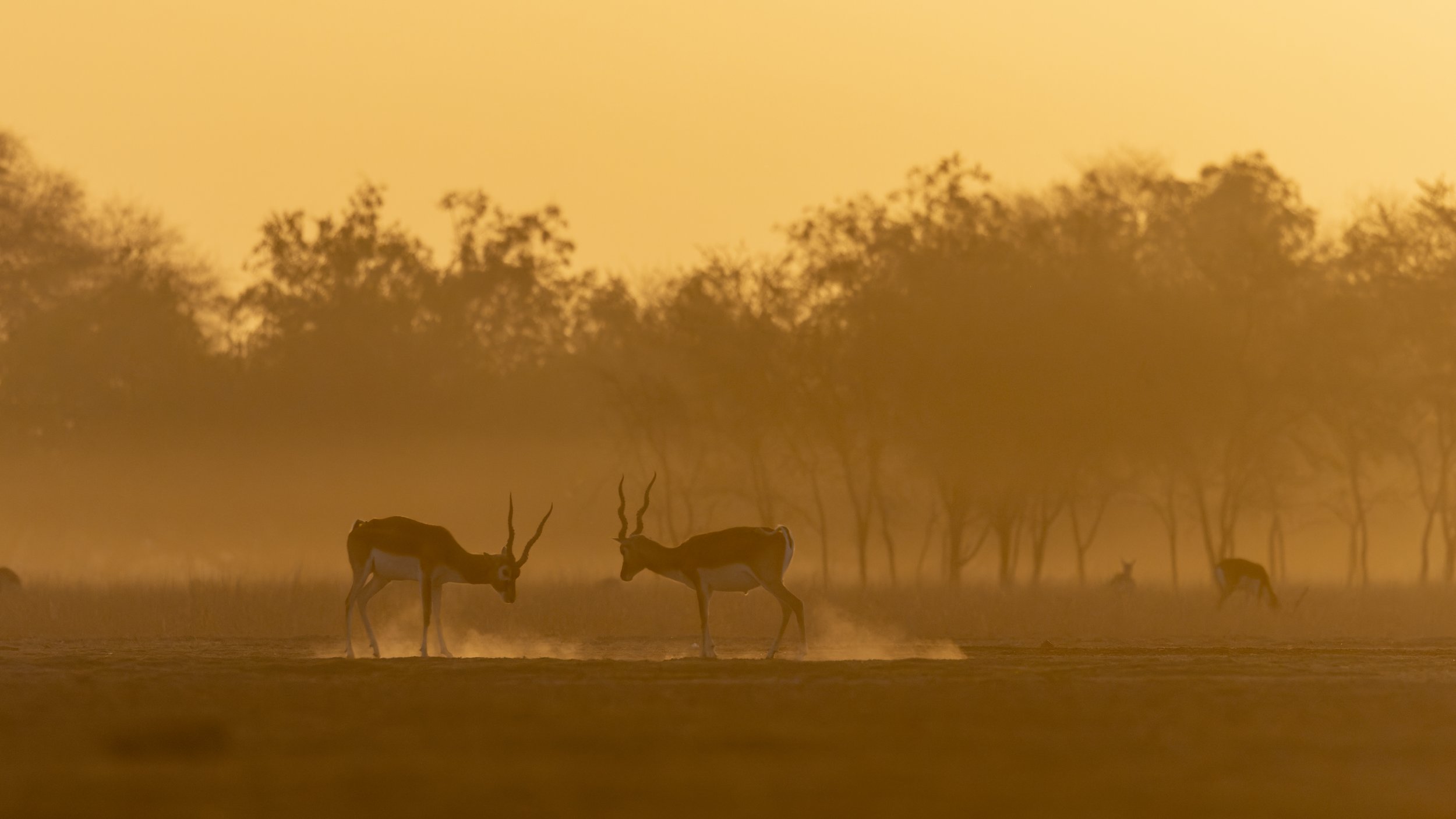
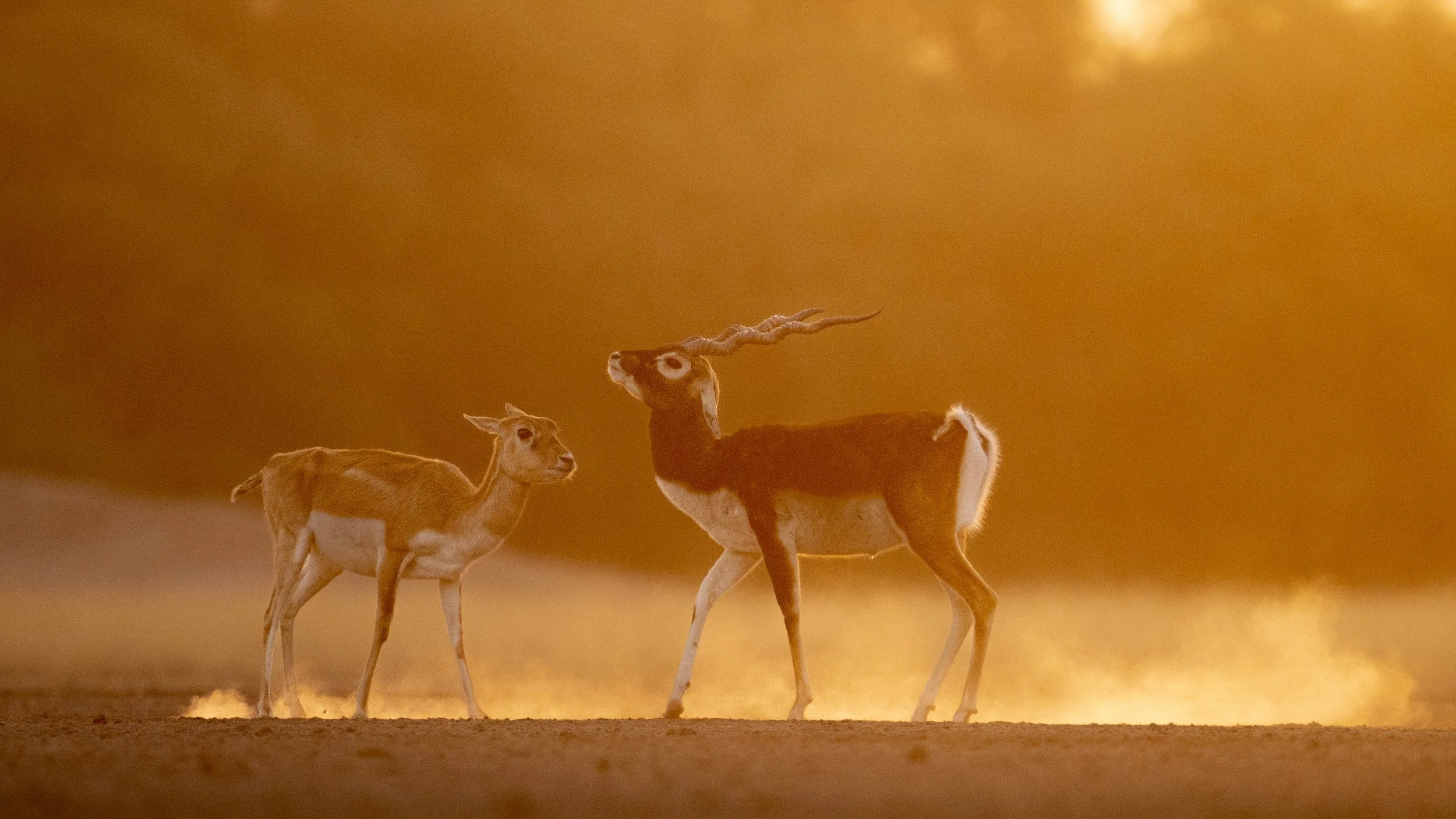
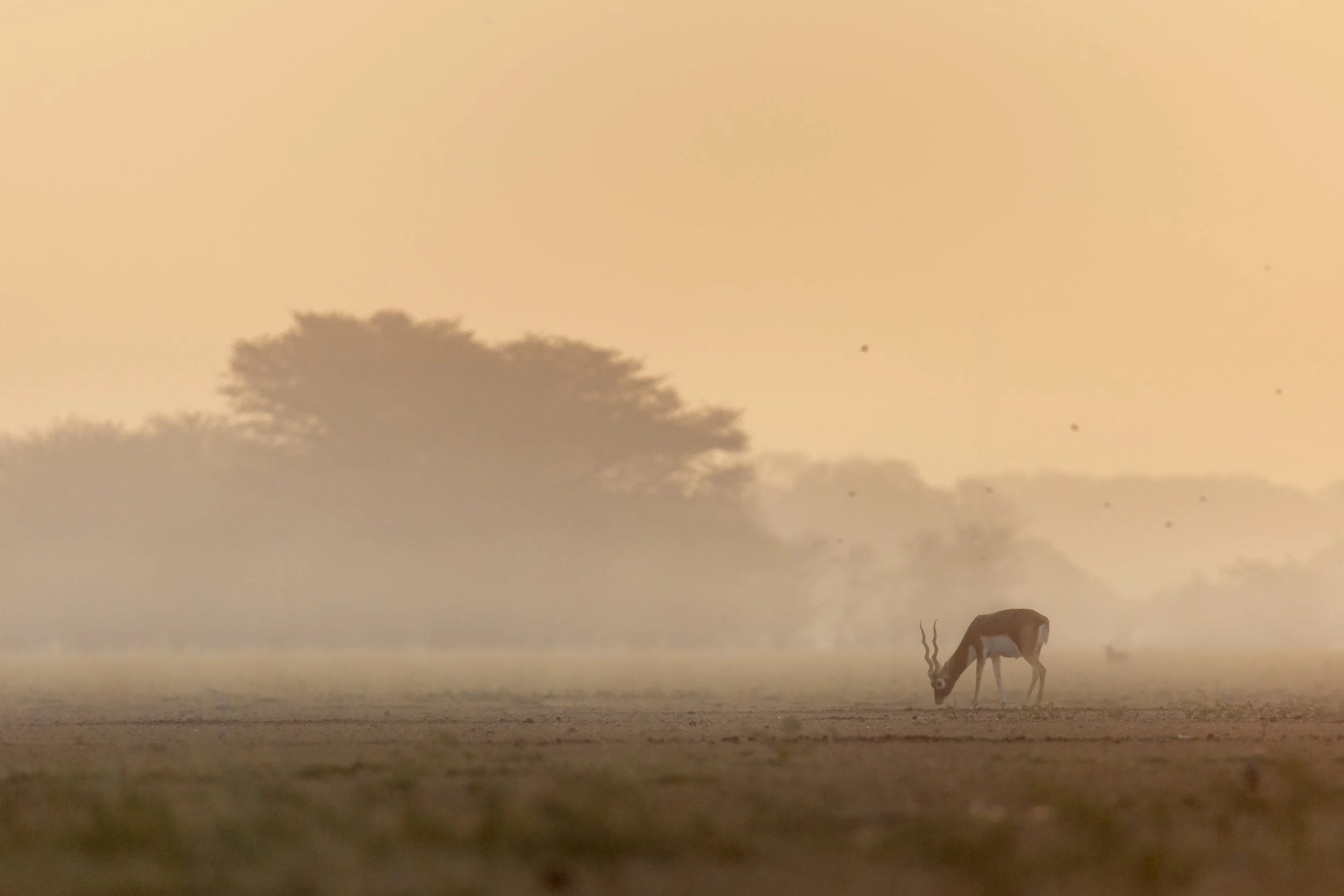
Male bucks congregate at the tal, in the middle of the park. The females enter the colony, either in small groups or individually, to evaluate and choose a mates. There is an air of tension in the area, which often results in aggressive sparring.
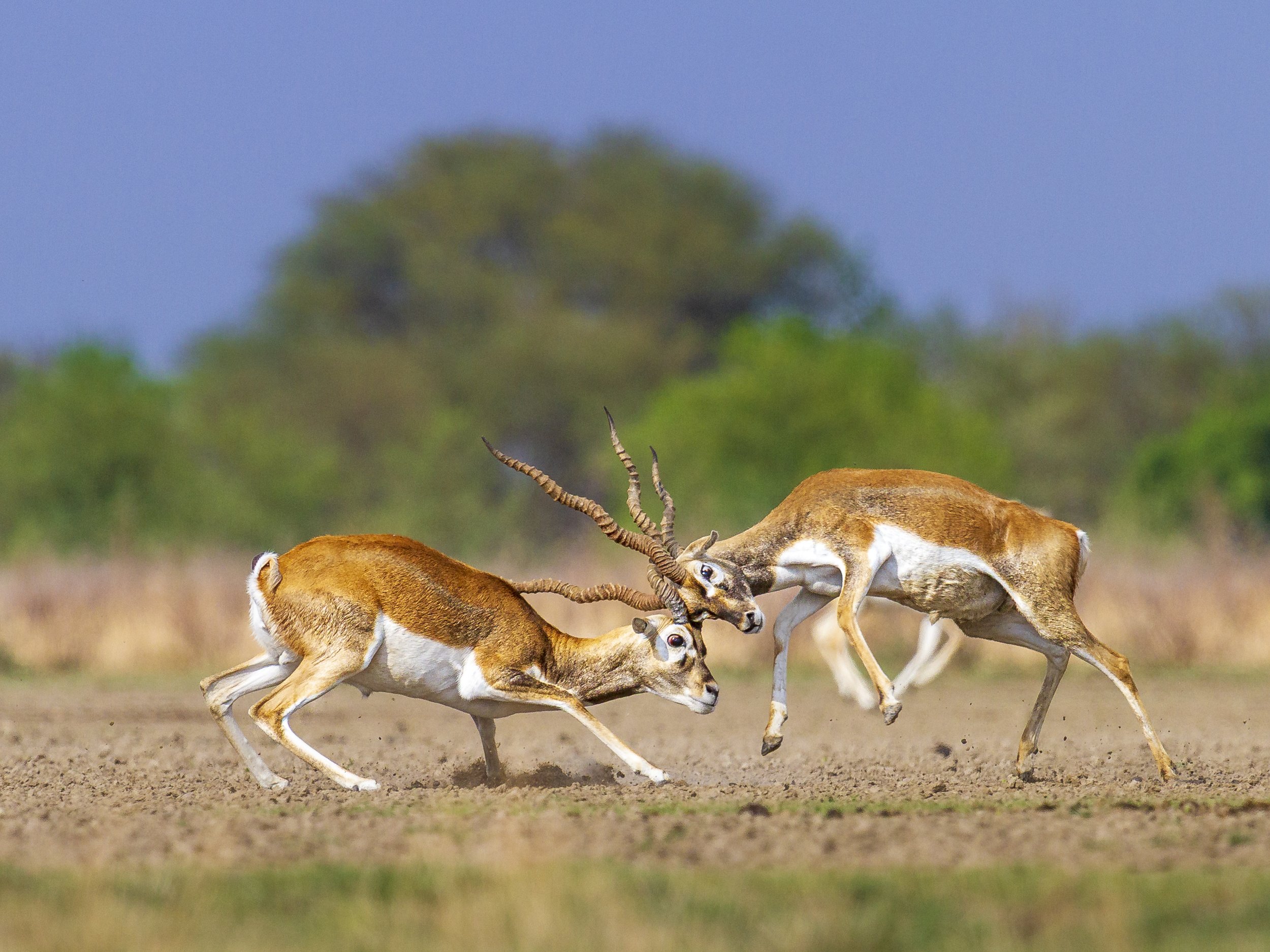
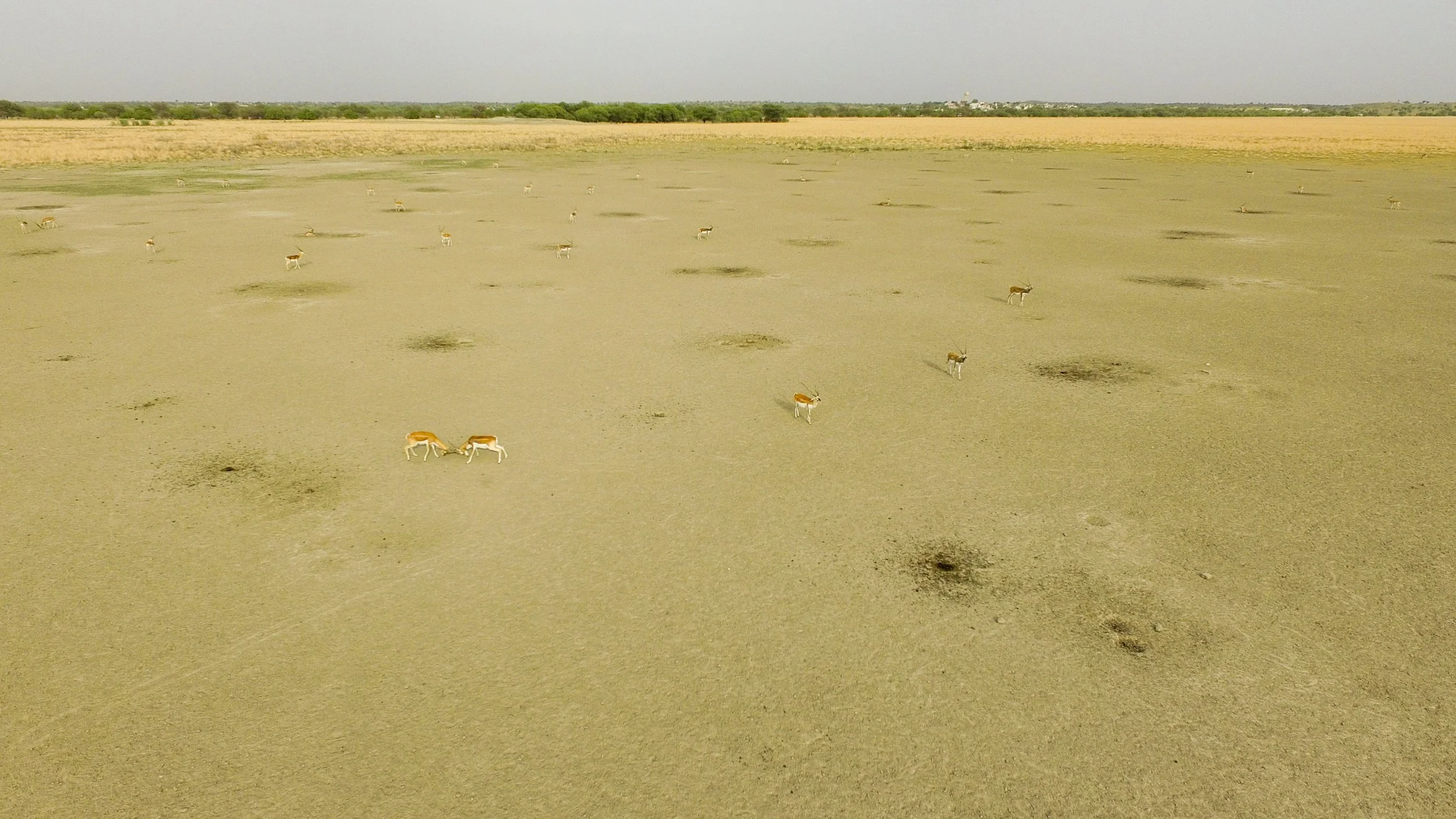
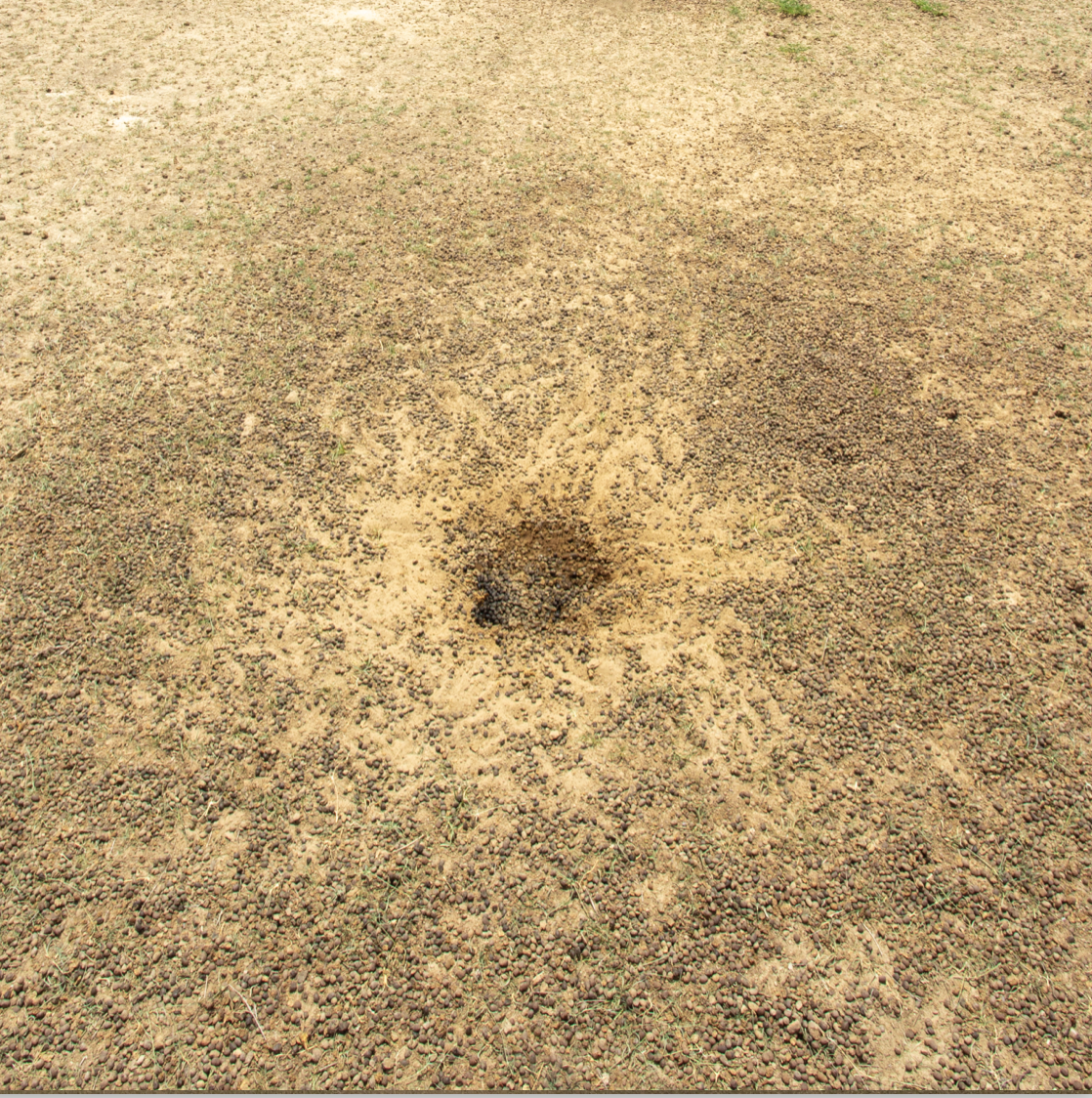
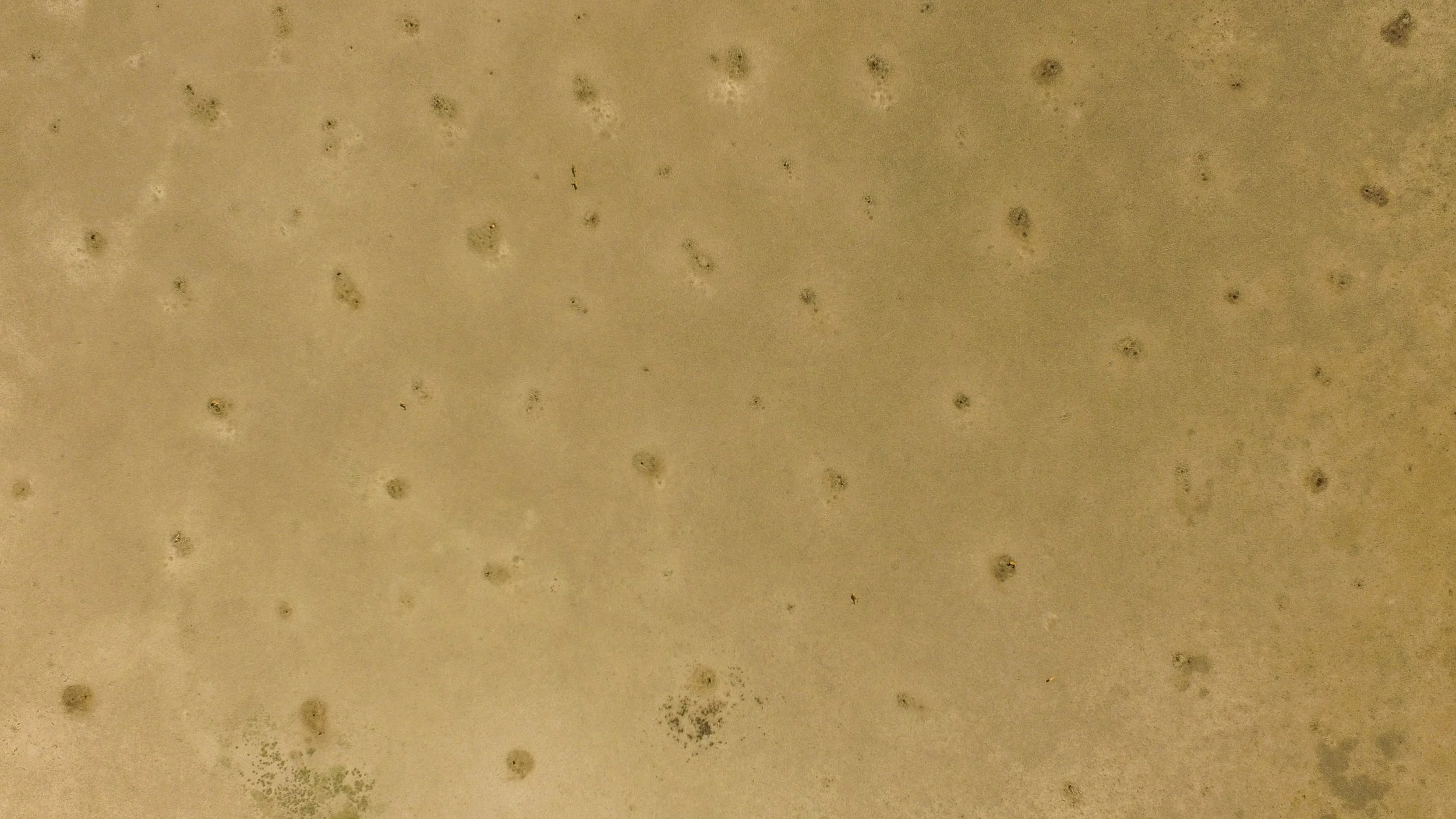
Each male buck here is defending their individual piece of land, called the lek. The dark spots on the ground are a collection of their excreta. The spots get larger, darker and stenchier as the summer wears on, presumably, making it more attractive to females. There are over fifty leks in the male colony at Tal Chhapar
Leks
The lifeline
It rains very little in Chhapar, in the months of July and August, but it’s enough to turn it a lush green and attract a variety of species of locusts, grasshoppers, spiders and other species that thrive on grass. They, in turn, attract several birds, including a number of migratory species.
The grassland supports a number of burrowing rodents, such as the Desert Jird. The jird forms the bulk of the prey base in this region.
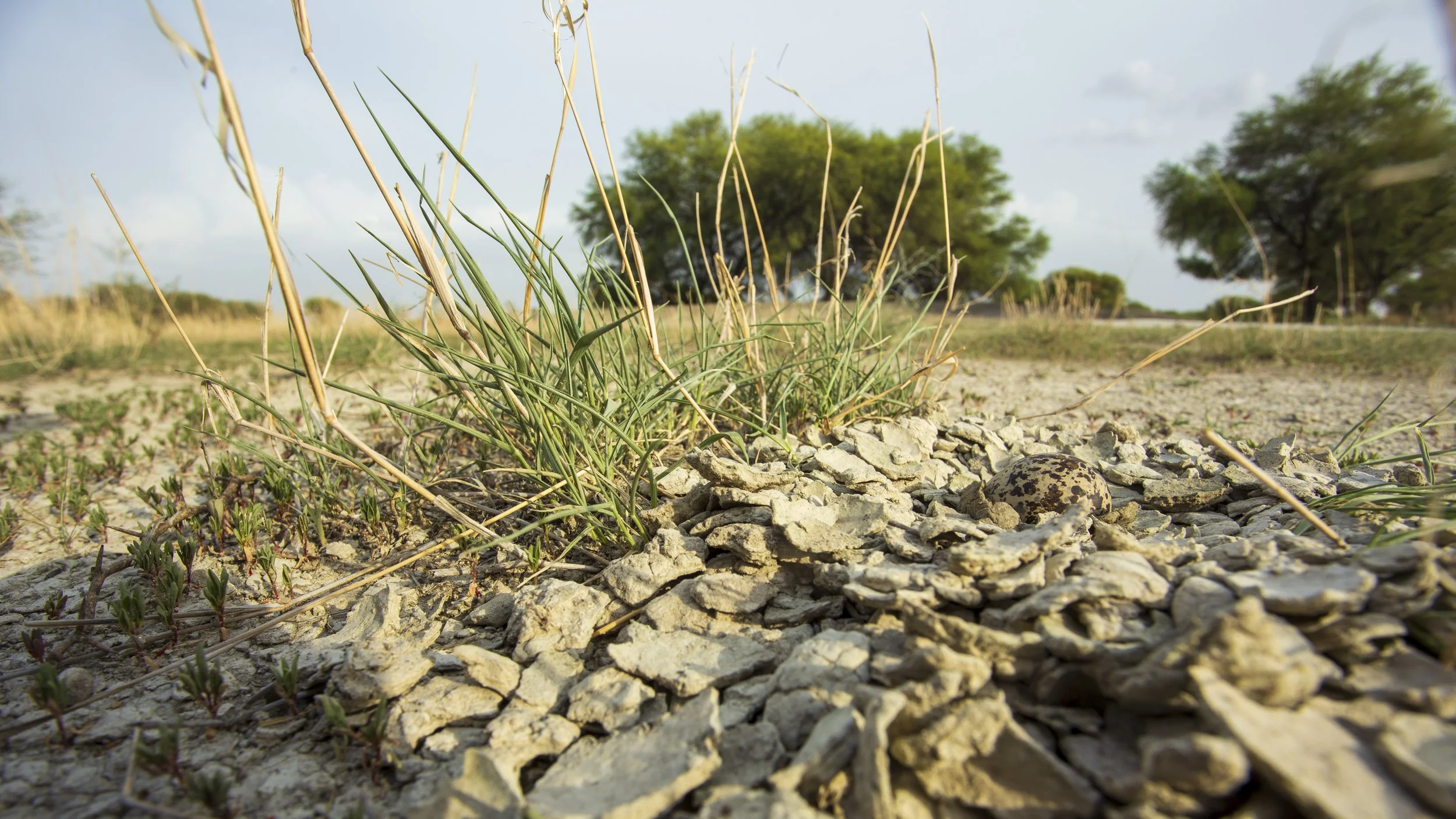
A number of lapwings, larks and pipits that nest in the grass can be found here through the year. The grassland is also their nesting ground. Some of these birds lay eggs out in the open, and rely on the camouflage as their only protection. Can you spot the lapwing’s egg below?
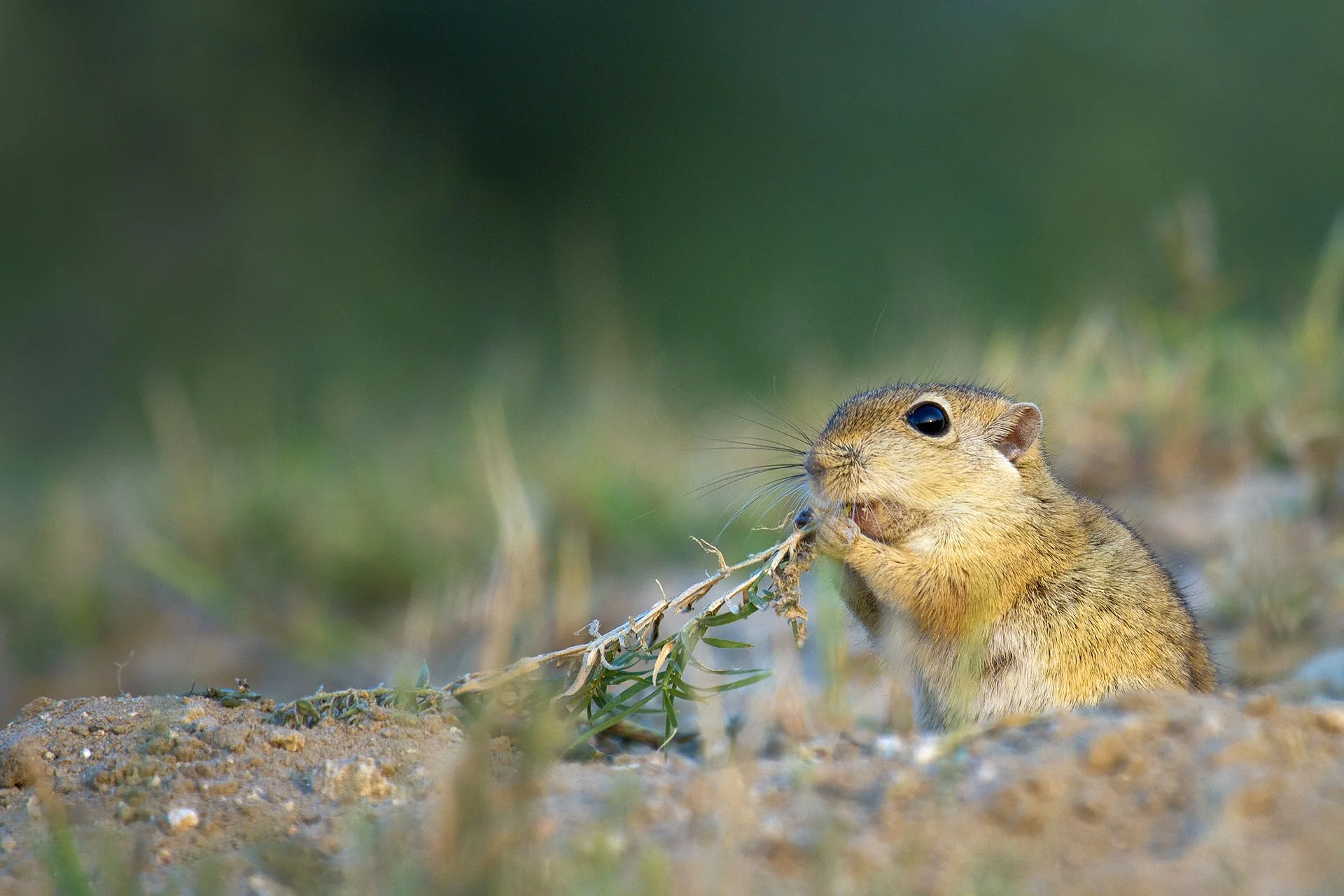
Desert jird
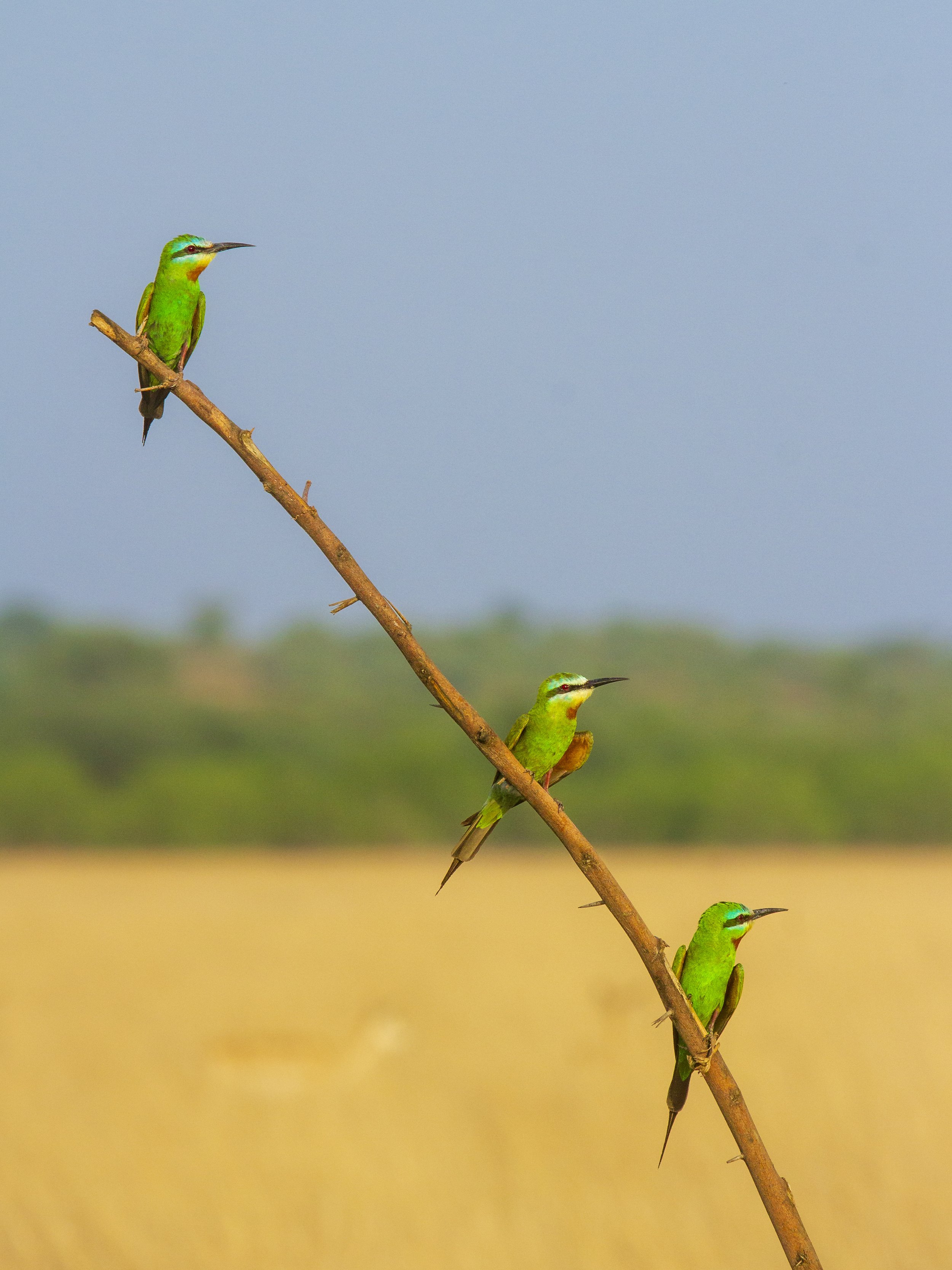
Blue-cheeked bee-eaters
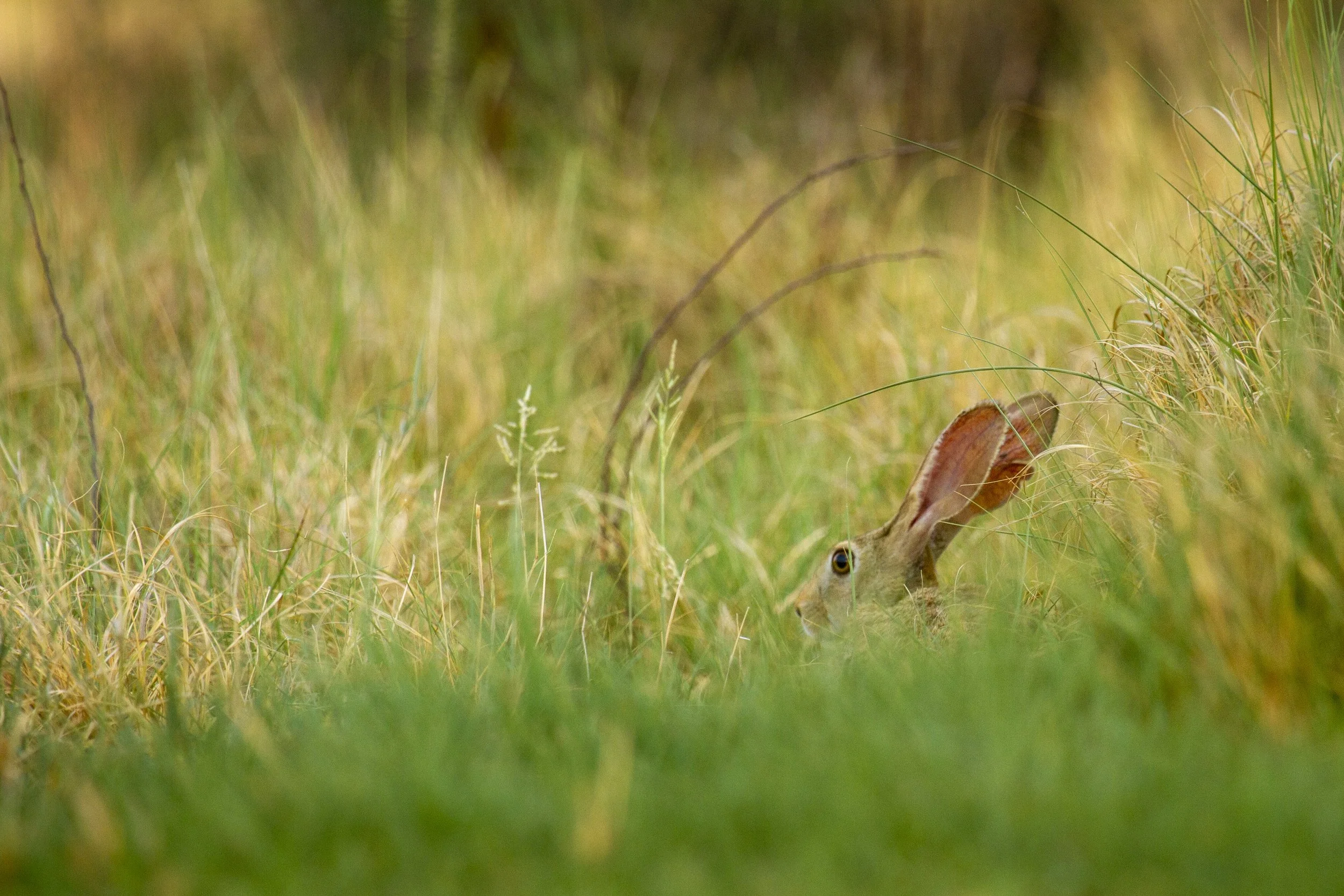
Black-naped hare
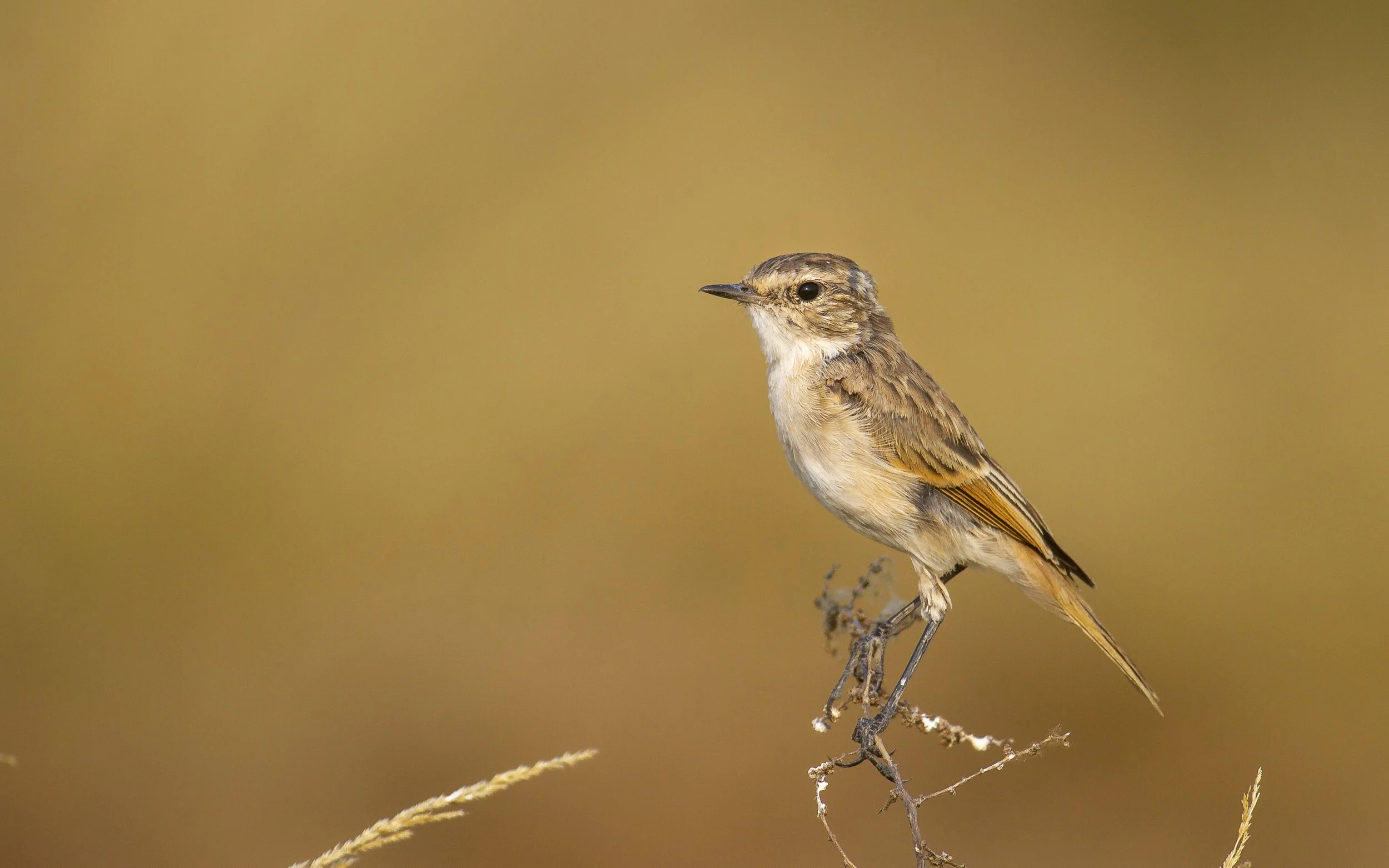
Stolickza's bushchat
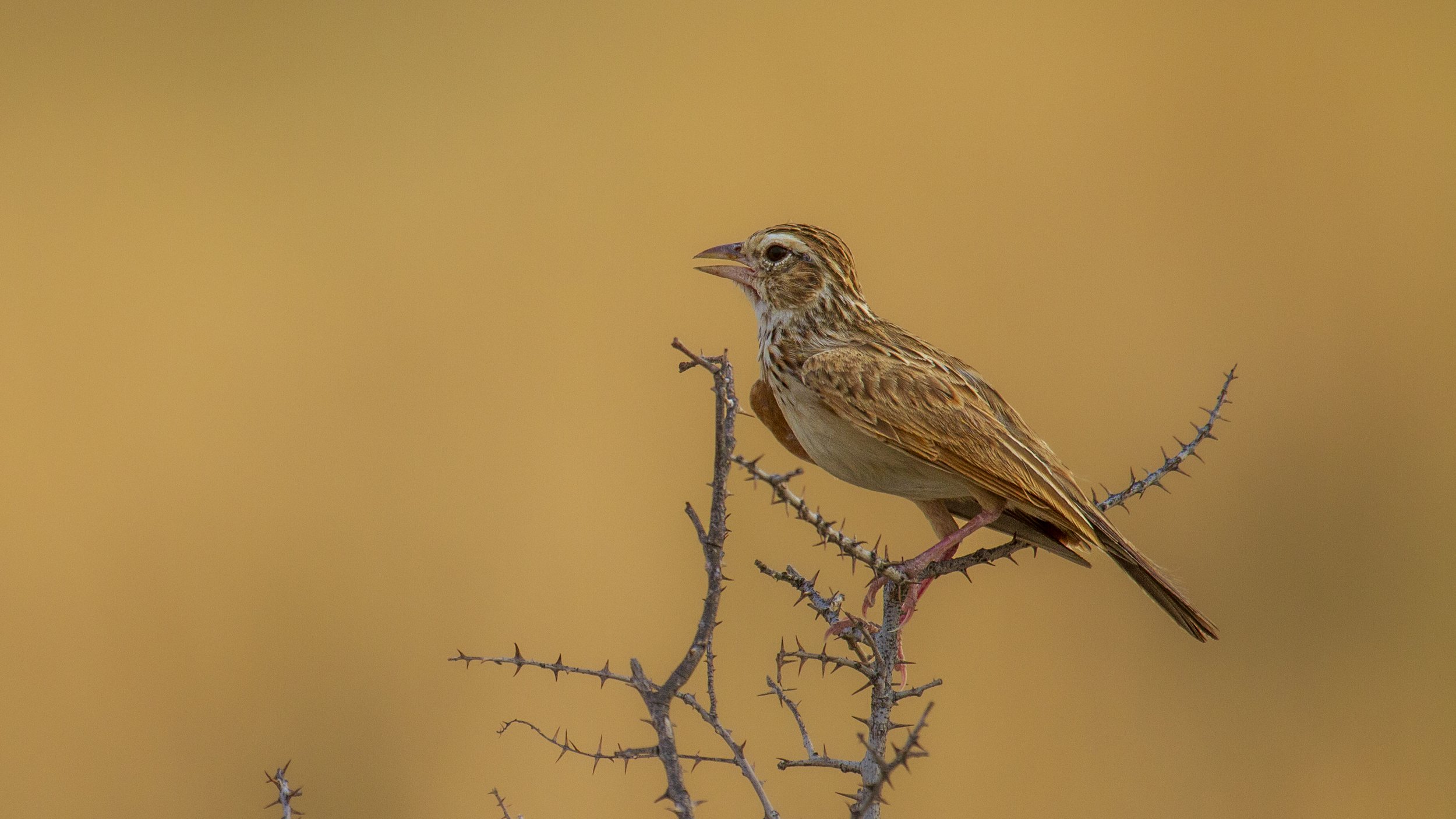
Indian bushlark
Raptor Paradise
raptor /ˈraptə/ (noun)
A carnivorous, medium to large bird of prey, such as on owl, eagle, hawk or vulture.
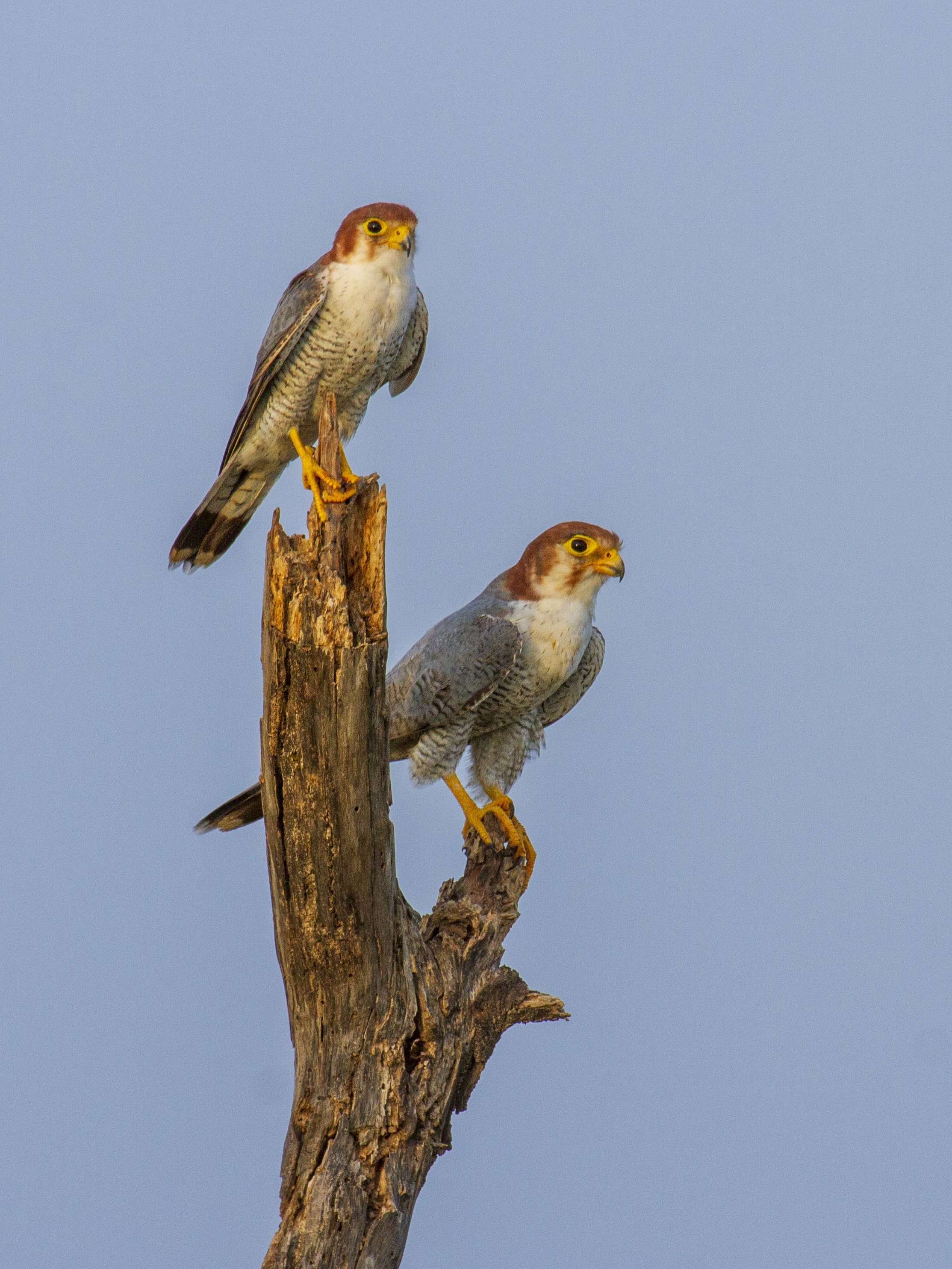
The large prey base of jirds, Spiny-tailed Lizards and small birds attracts several raptors to these grasslands. Red-necked Falcons are seen throughout the year. The other resident raptors include the Laggar Falcon, Shikra, Eurasian Sparrow-hawk, Black-shouldered Kite, Black Kite, Tawny Eagle, Booted Eagle, Bonelli’s Eagle, Egyptian Vulture and the White-eyed Buzzard. This is what got me to Tal Chhappar too.
In 2015, Noah Stryker, the birder who had seen more birds than anyone in the world visited India and saw the highest number of raptors he had seen in a day at Chhapar. Stryker had seen 20 raptors. Then I counted, and realised that seeing 20 raptors a day in Chhappar, as awesome as it is, isn’t too far above average. There are days when I’ve seen more than 20 species of raptors at Chhappar and the surrounding areas.
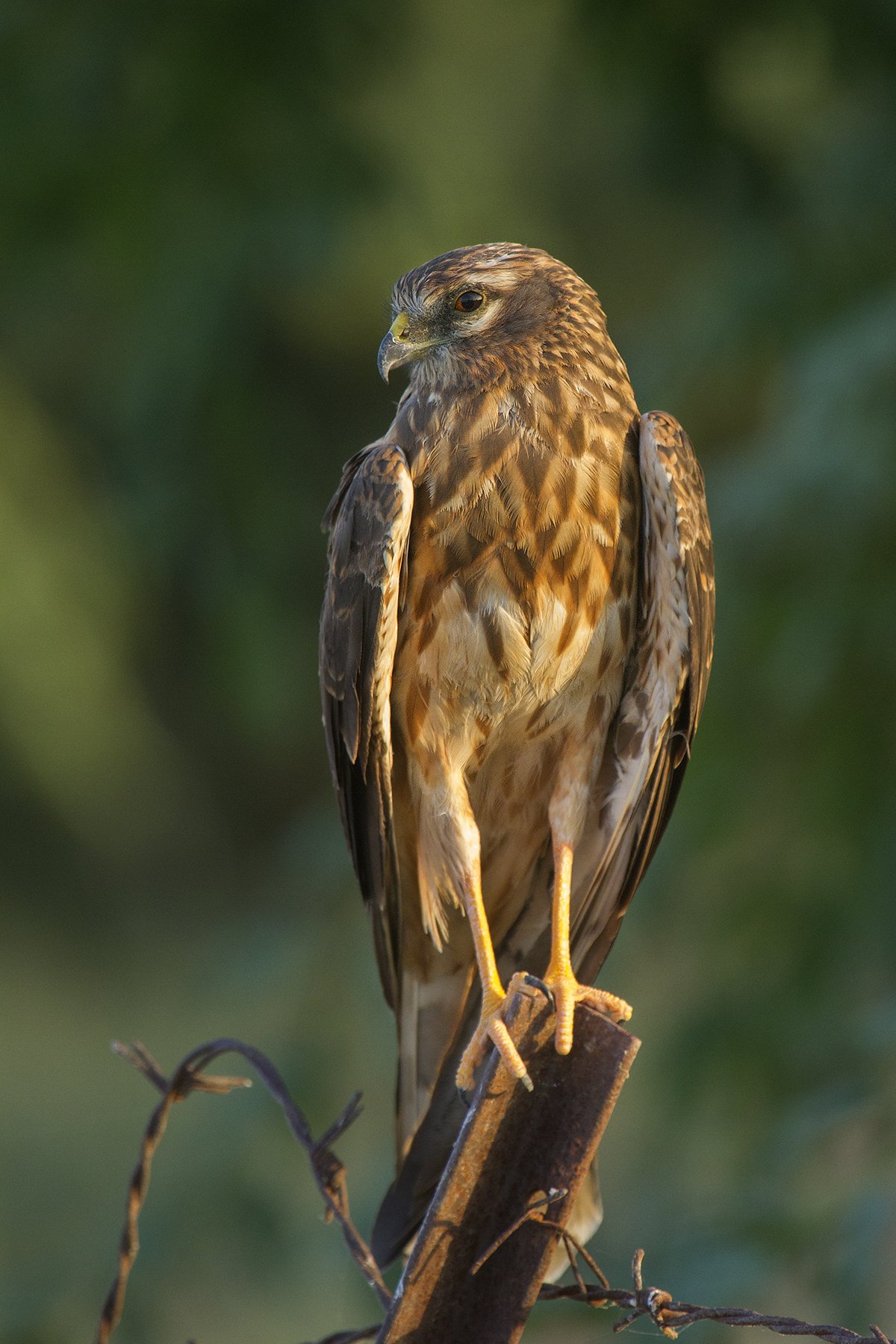
Montagu's harrier (juvenile)
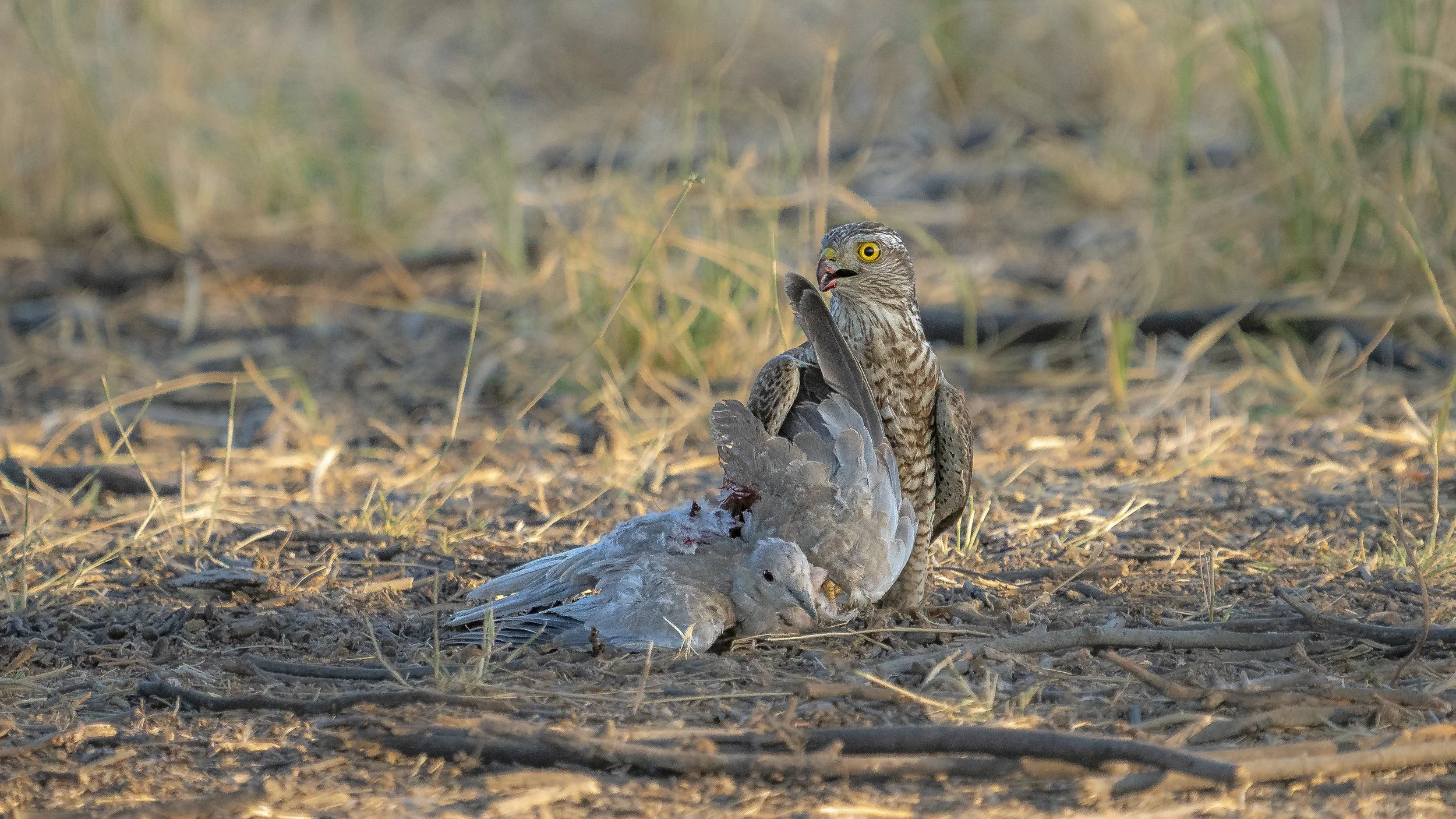
Eurasian Sparrowhawk with a dove
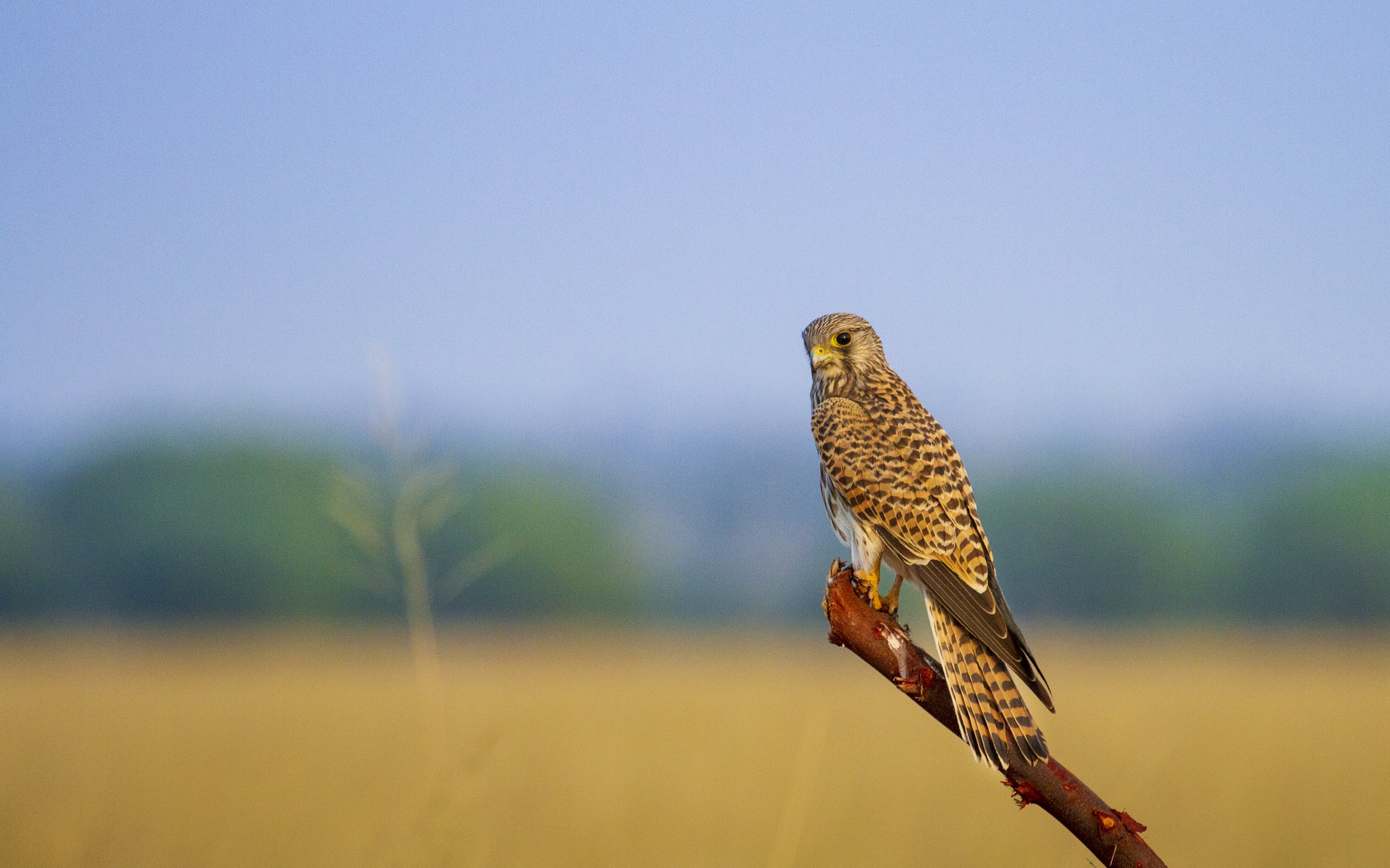
Common Kestrel
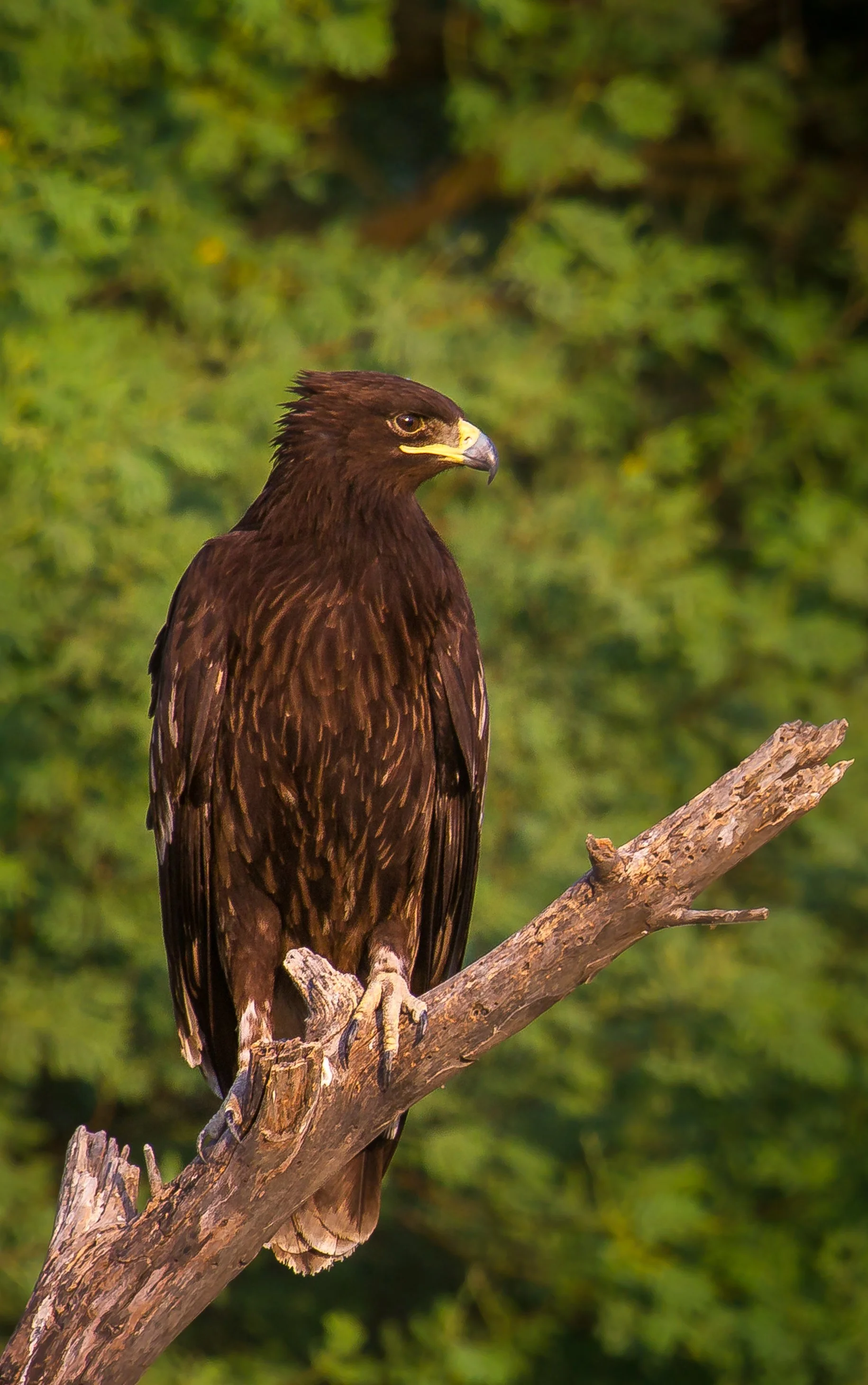
Greater Spotted Eagle
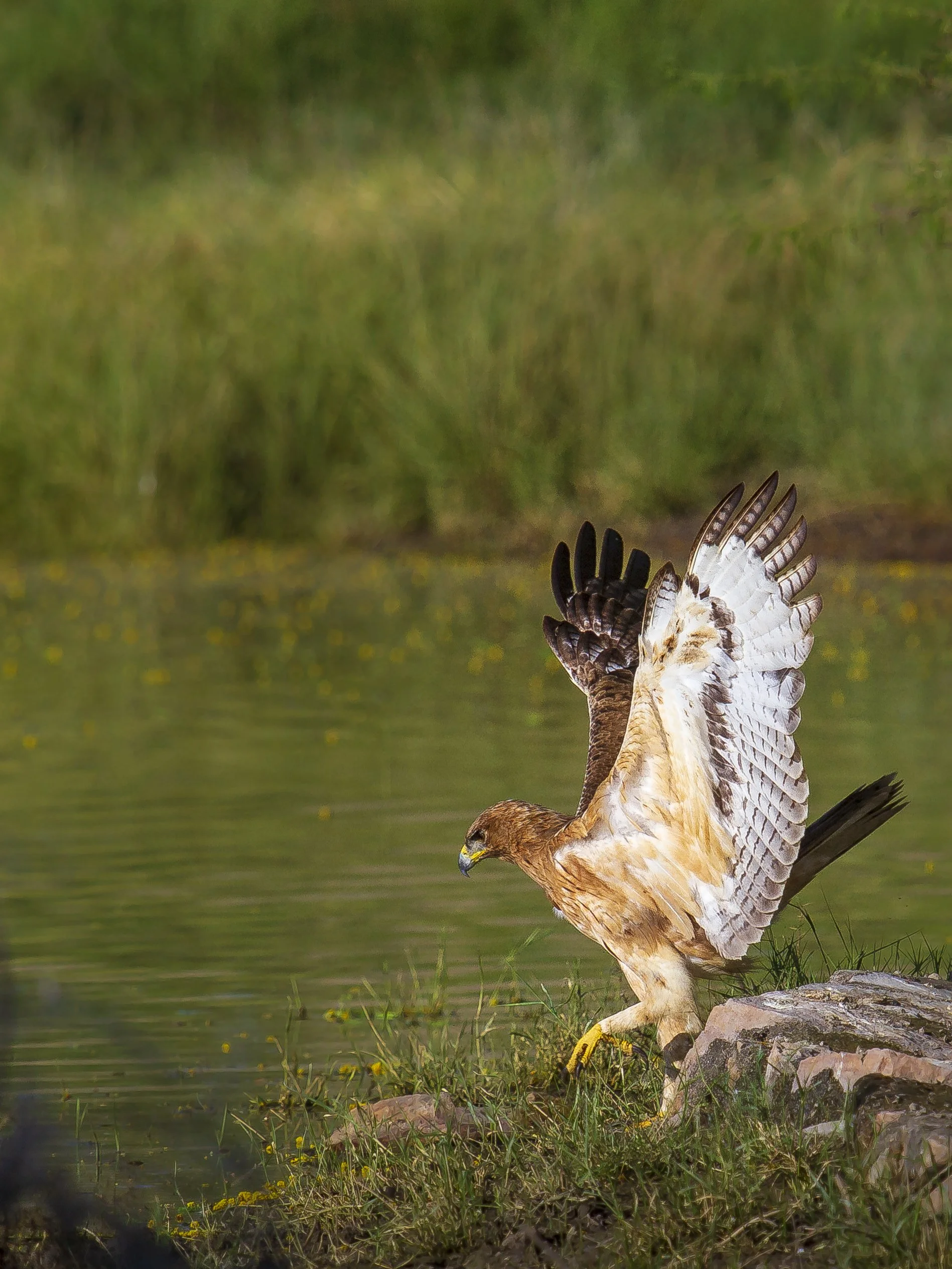
Booted eagle
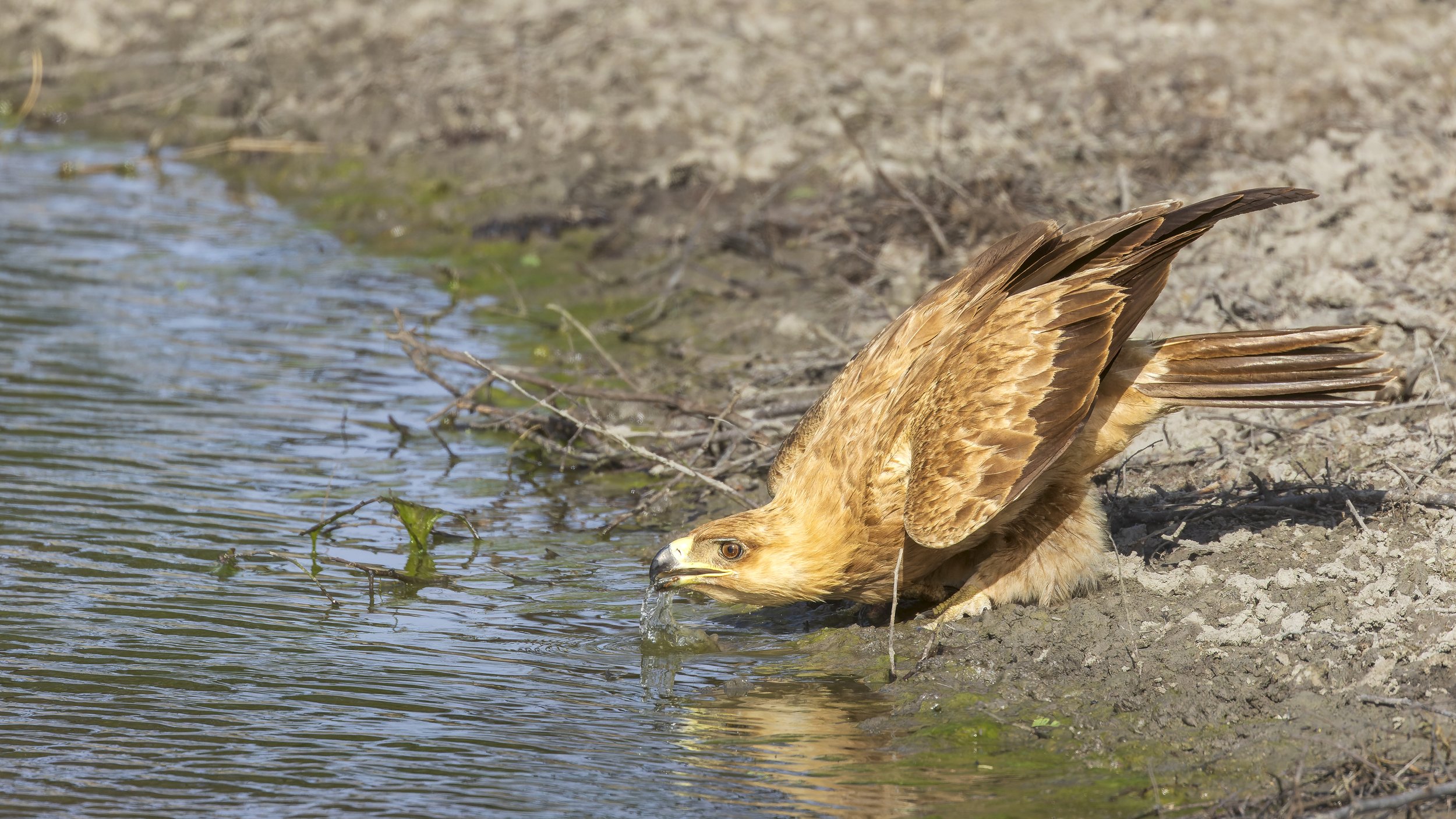
Tawny eagle
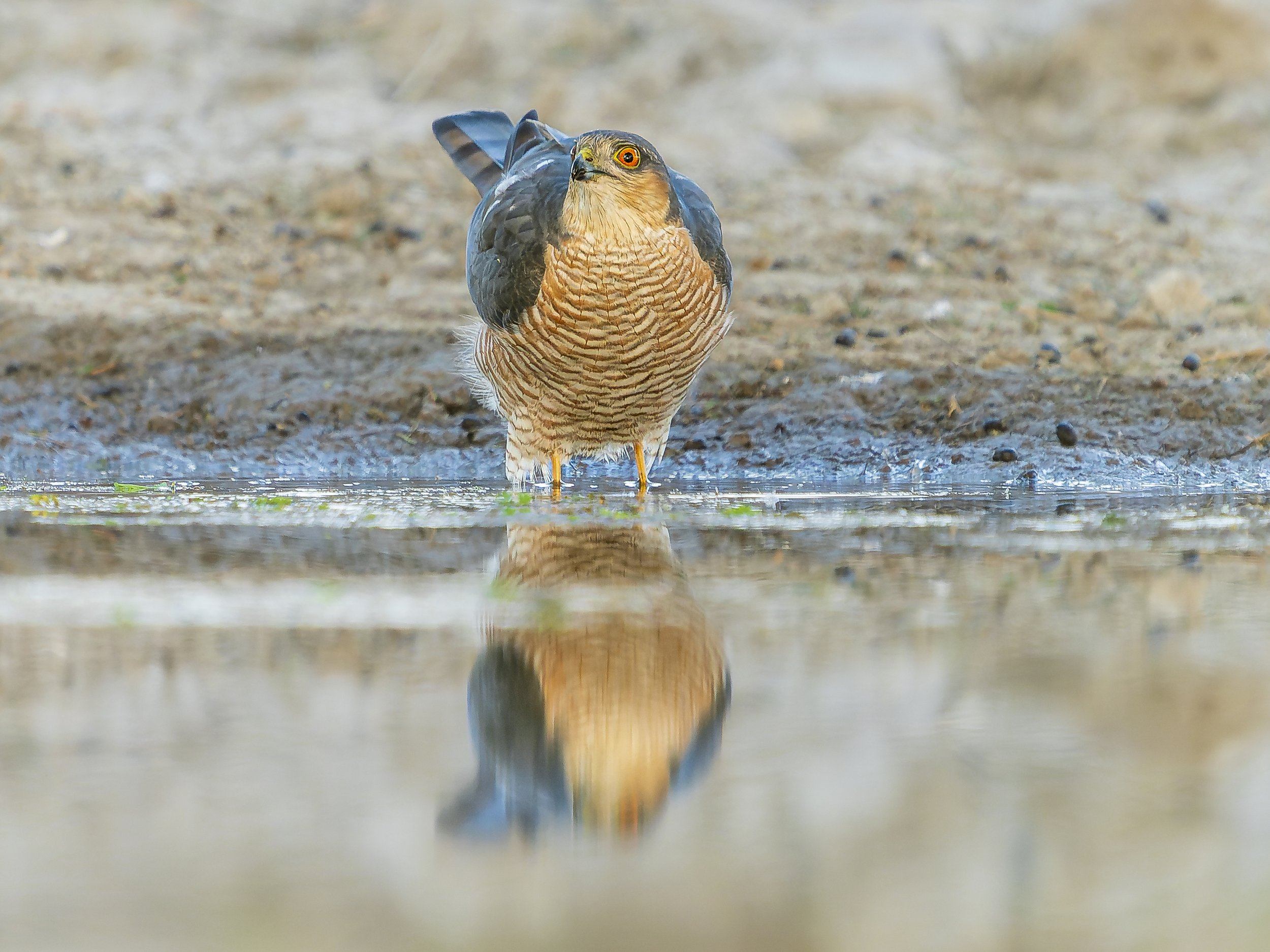
Eurasian sparrowhawk
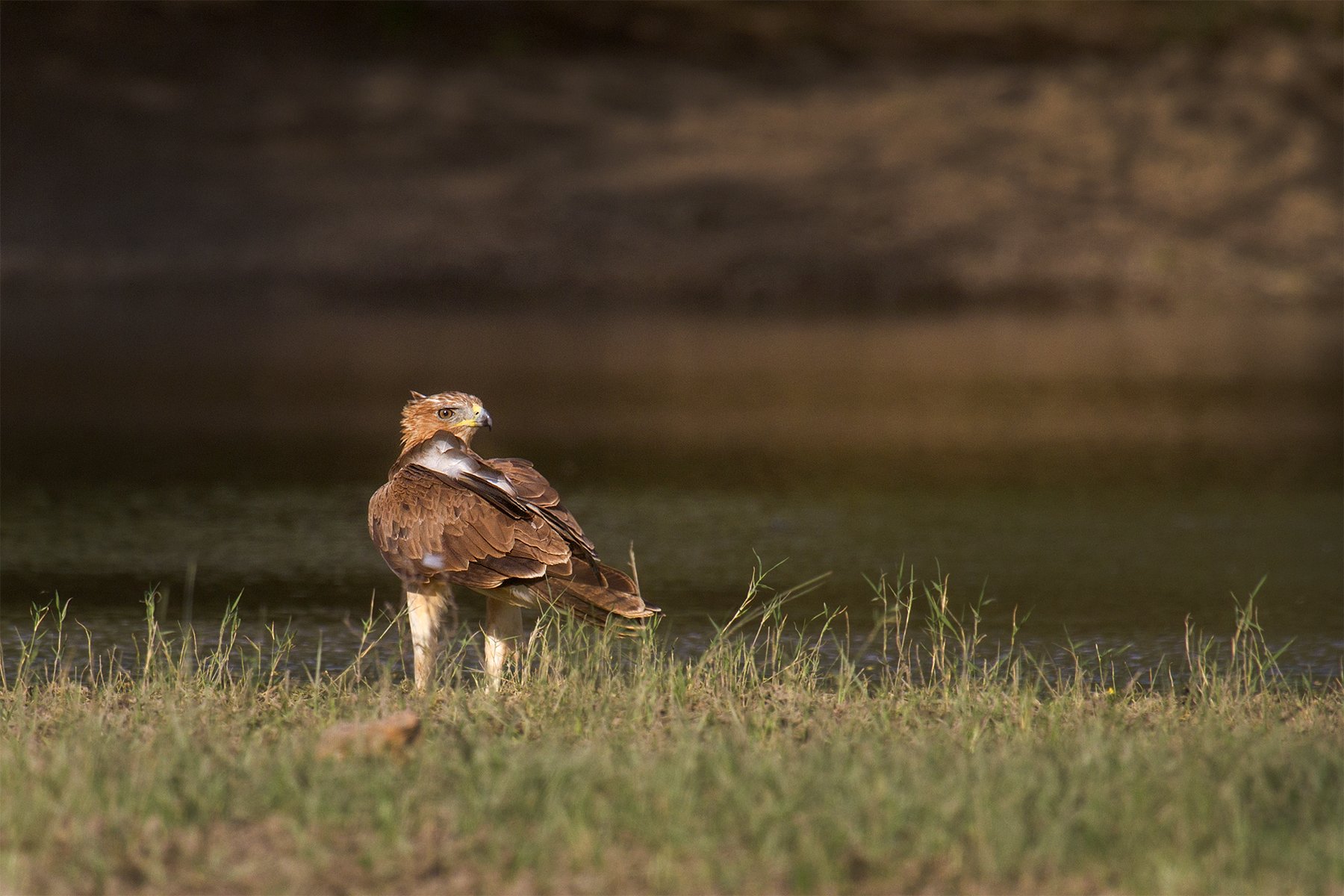
Booted eagle
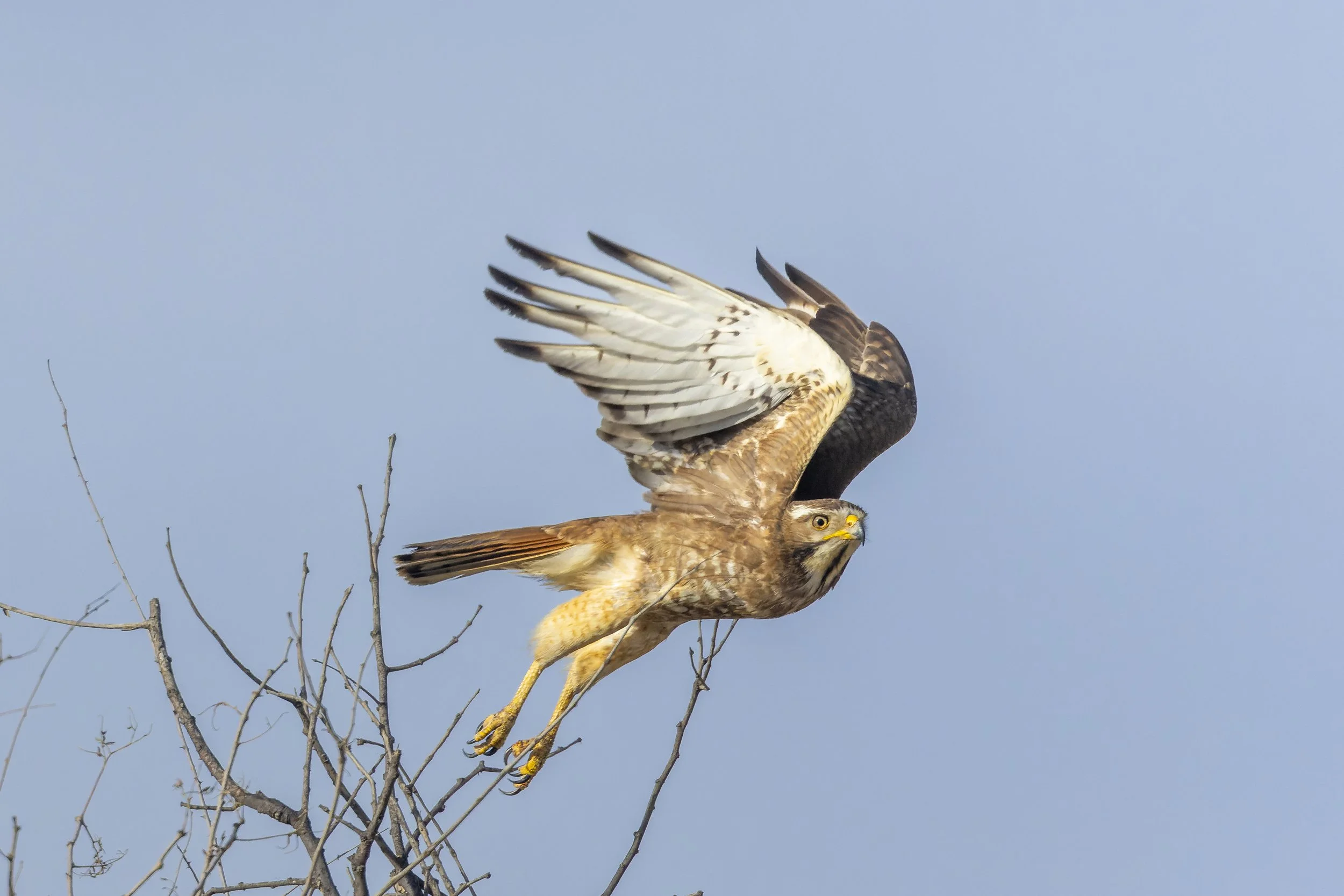
White-eyed buzzard
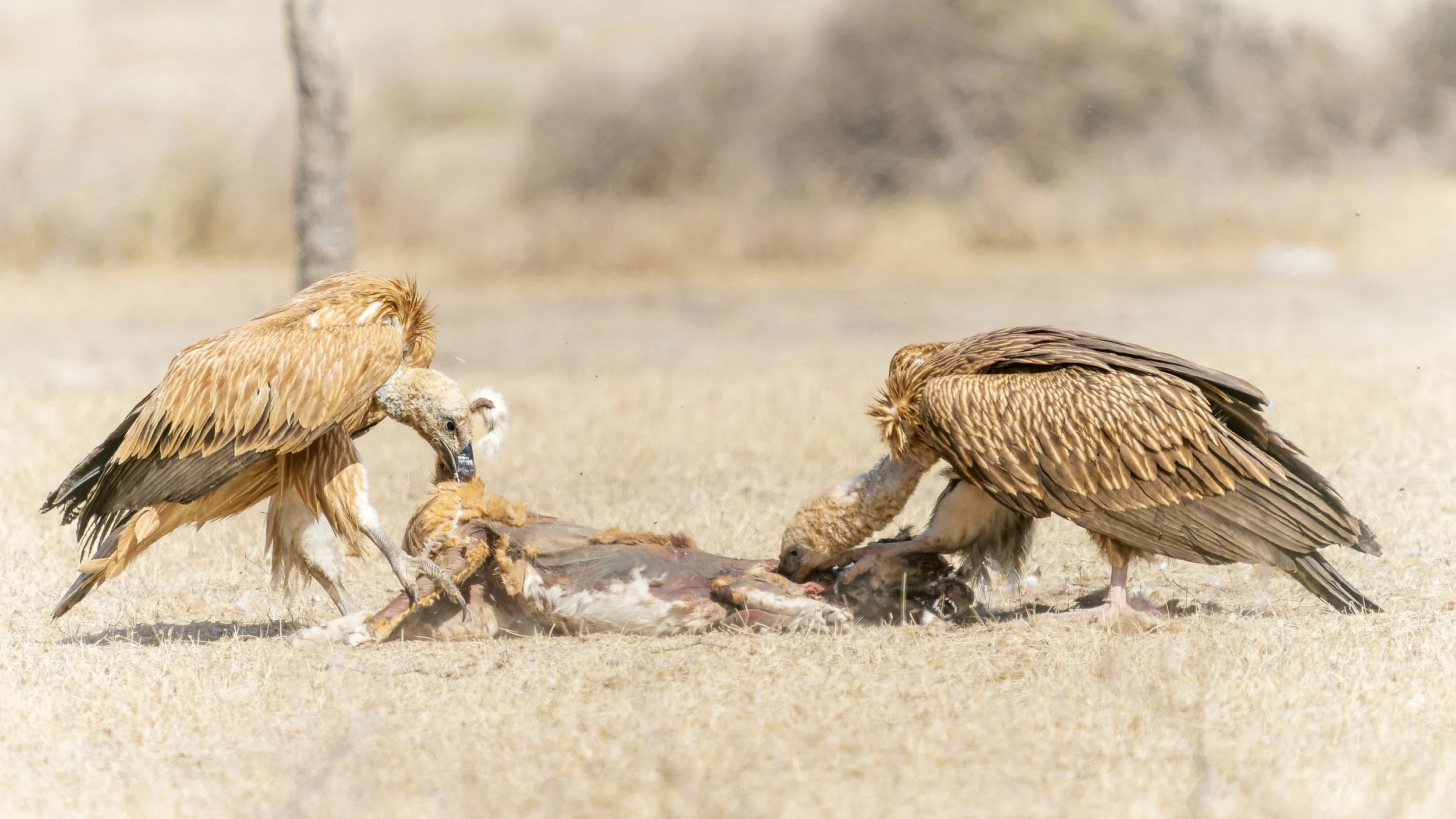
Griffon Vulture (R) and Himalayan Griffon (L)
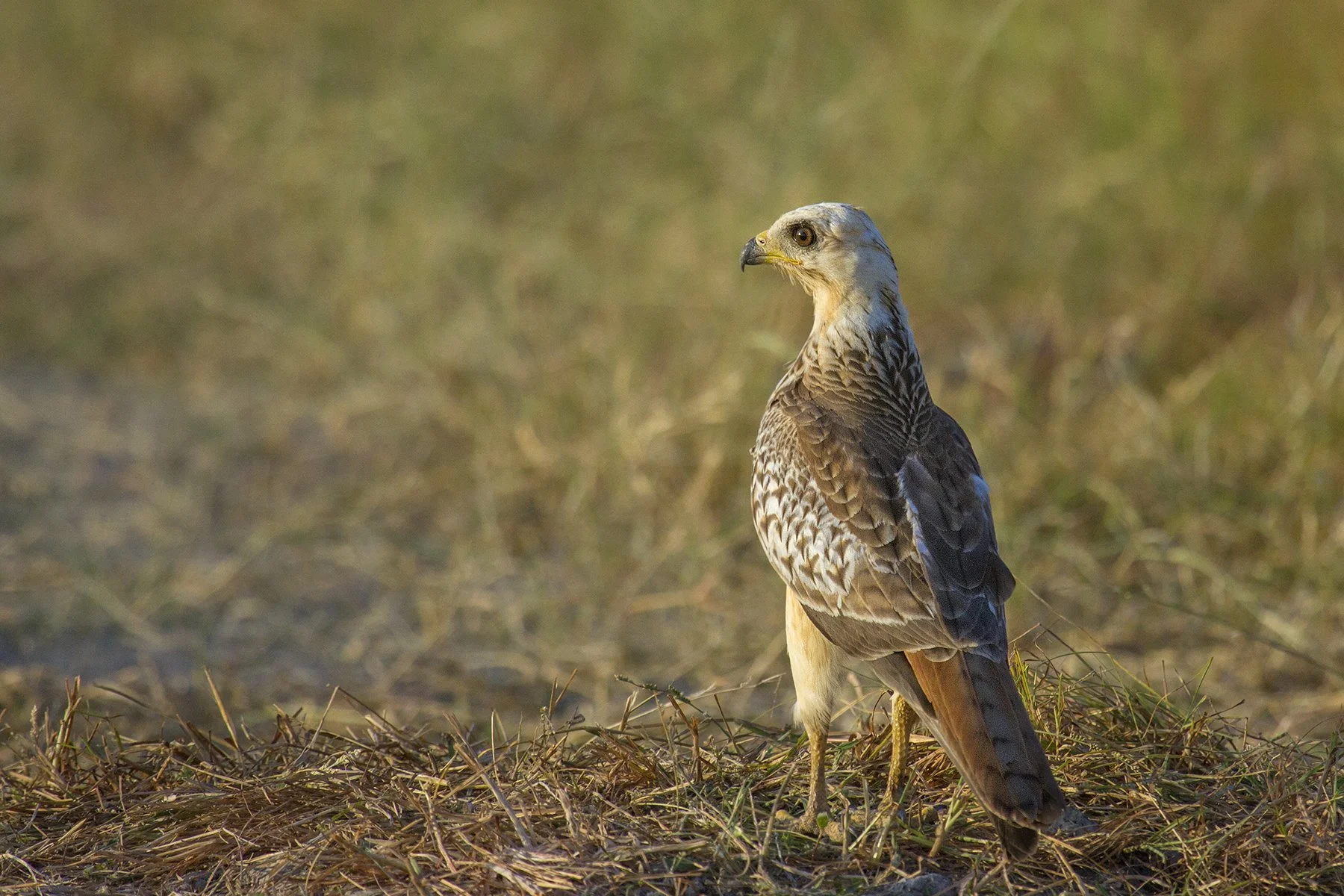
White-eyed buzzard
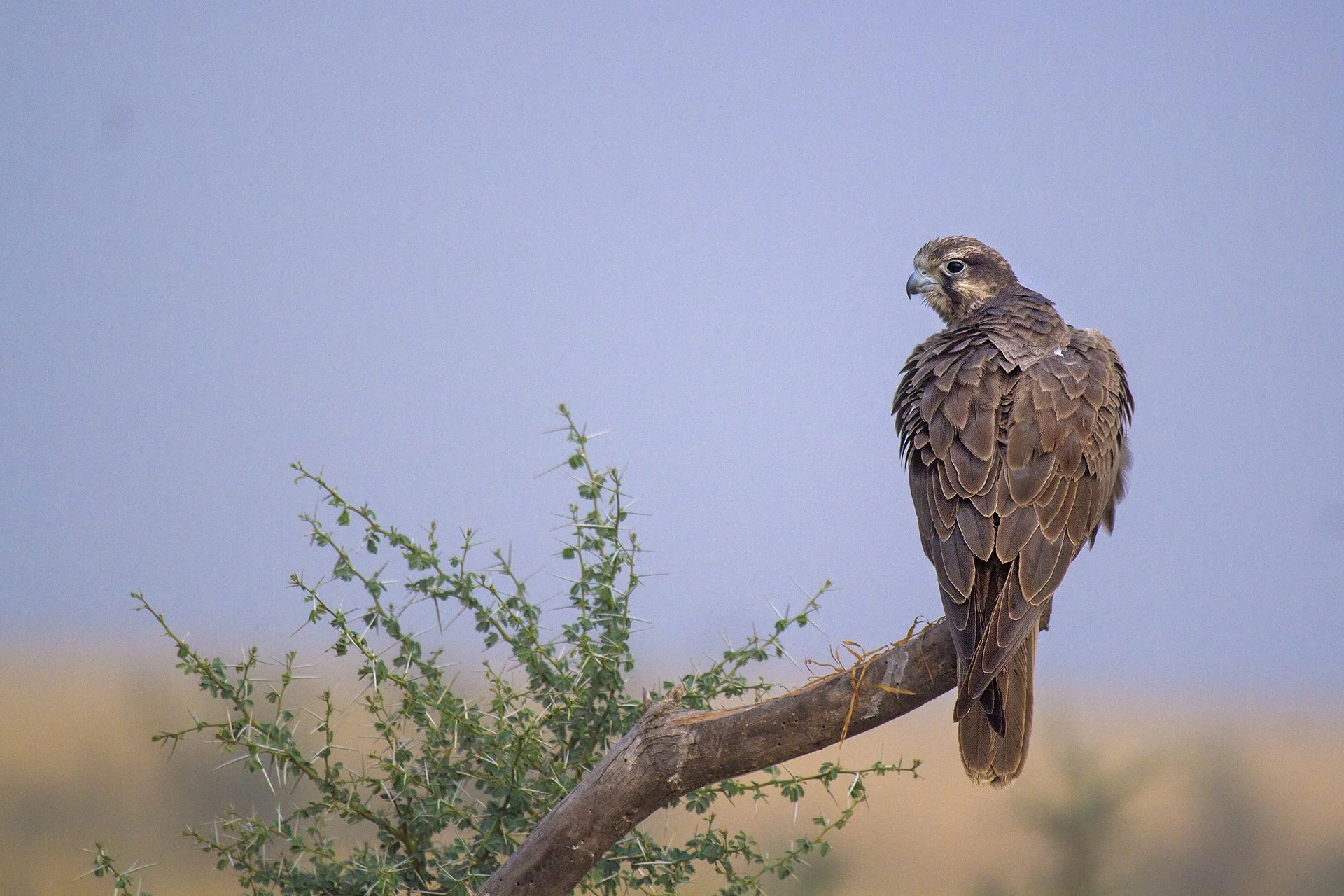
Laggar falcon
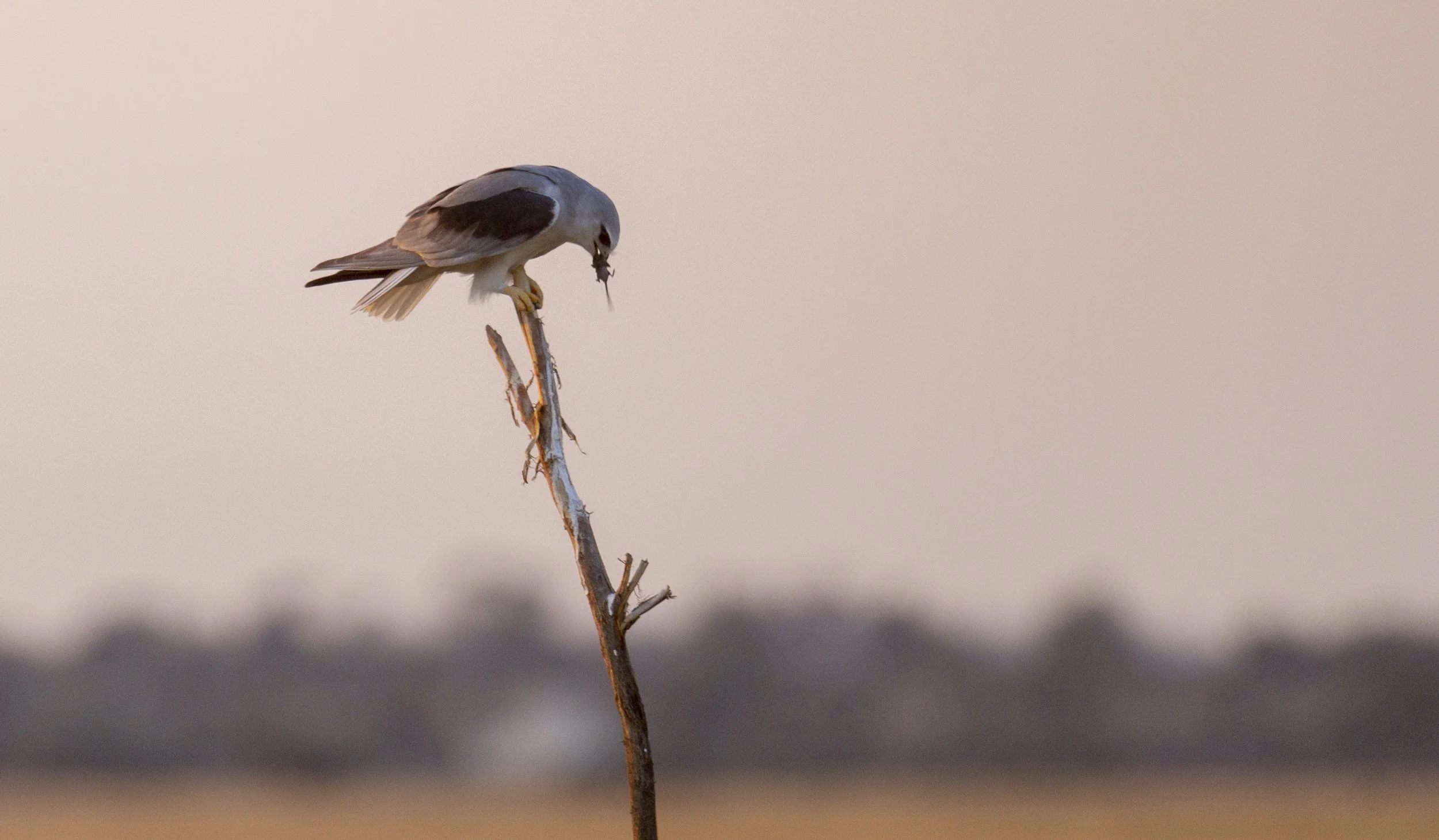
Black-shouldered kite
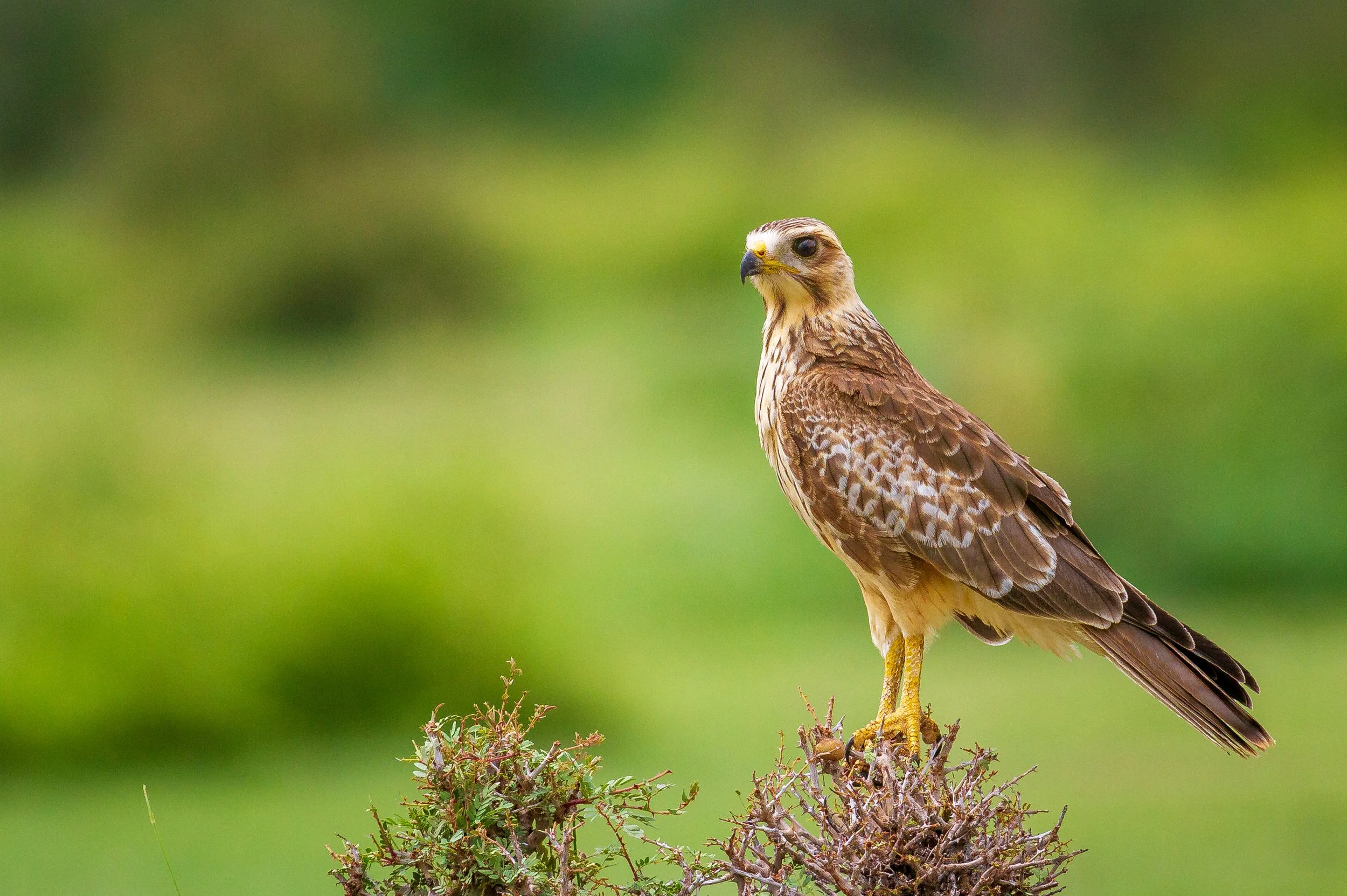
White-eyed buzzard
Predators
The abundant prey base draws a number of smaller mammals too, such as the elusive Desert cat, Jungle cat, Indian fox, desert fox, mongoose, desert monitor lizard and the Bengal monitor lizard.
One of the low lying ponds in the park is a denning site for a family of desert foxes, and towards the end of summer, fox pups can be seeing playing on the bund.
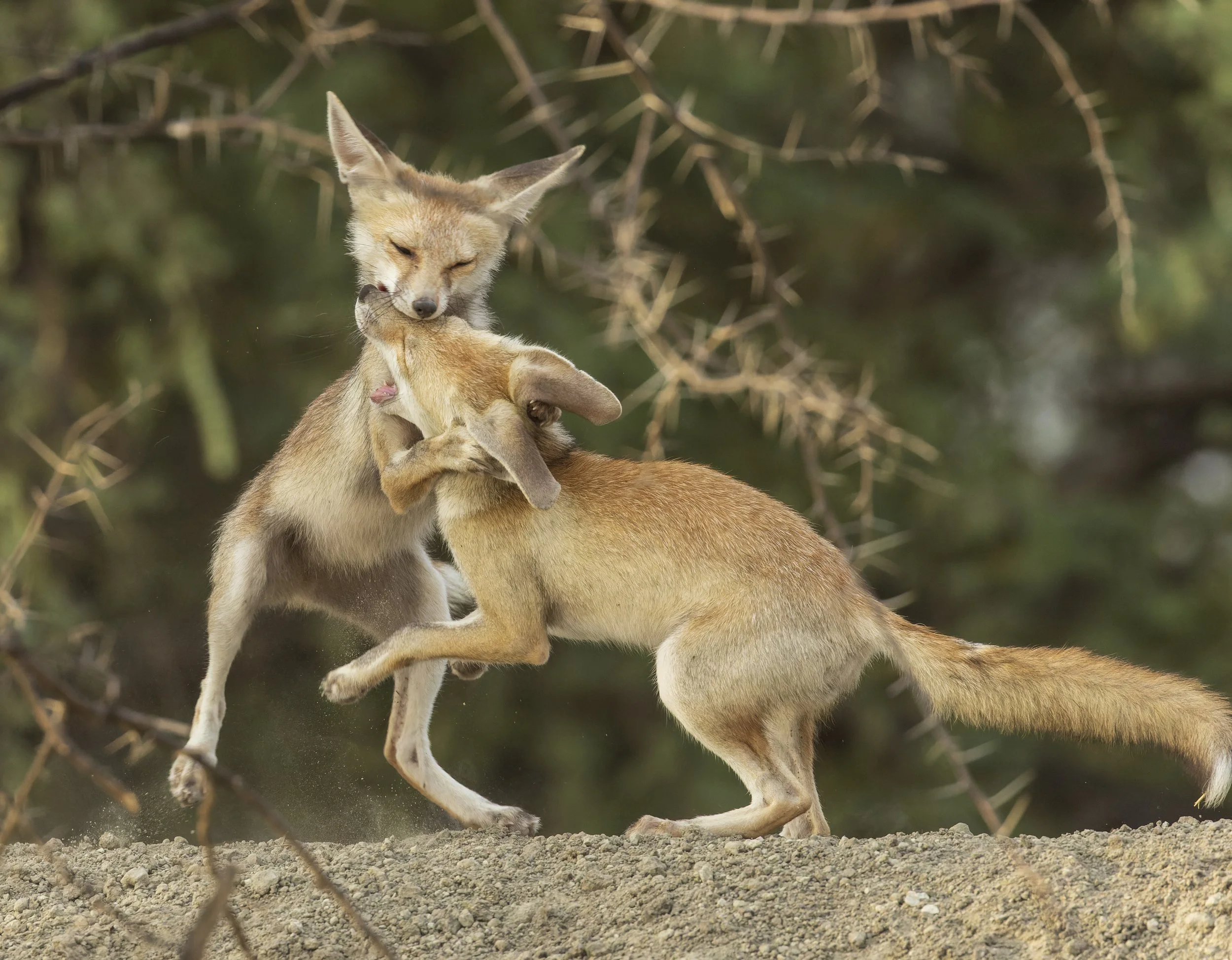
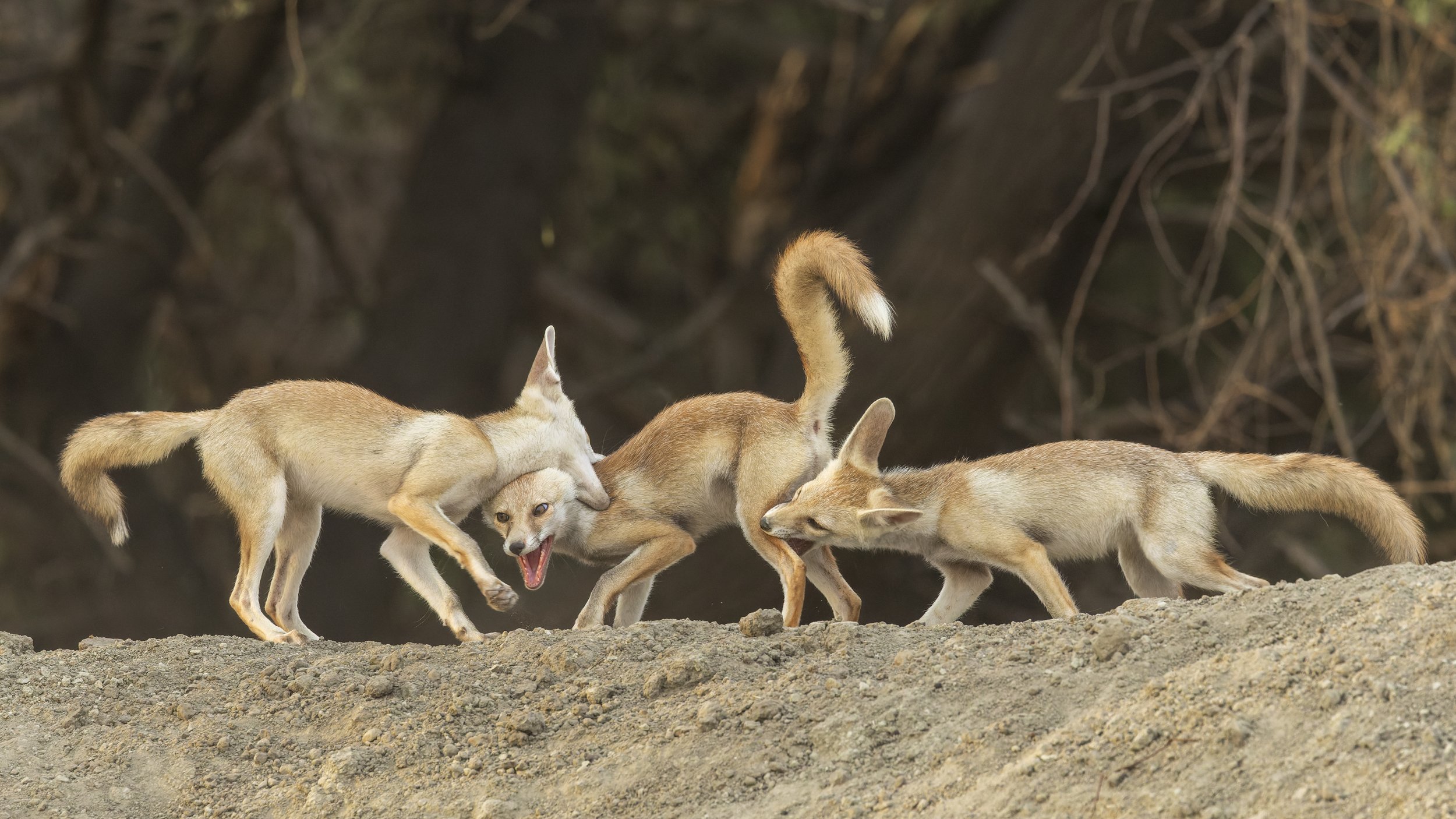
Desert fox pups playing
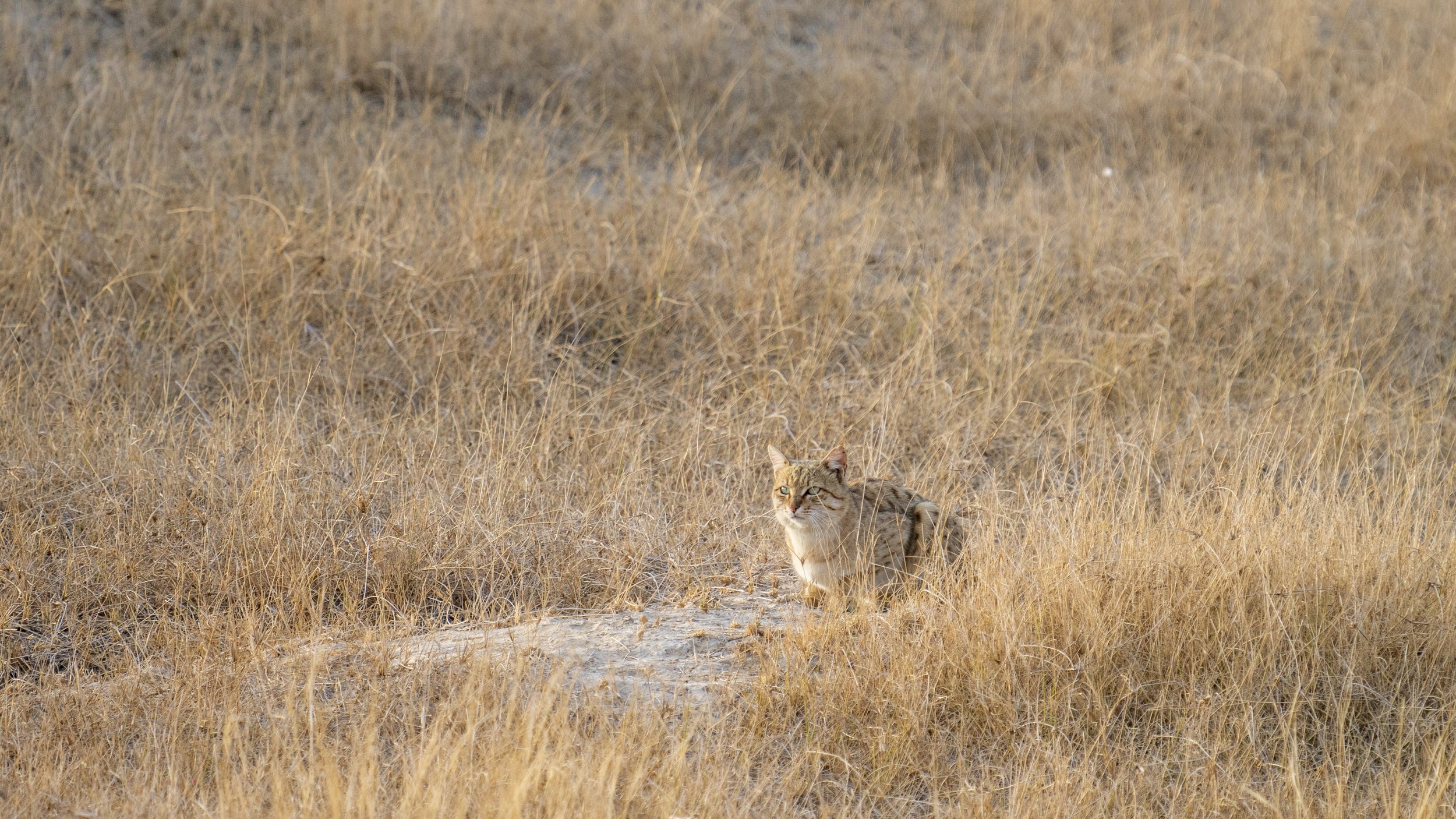
Desert cat
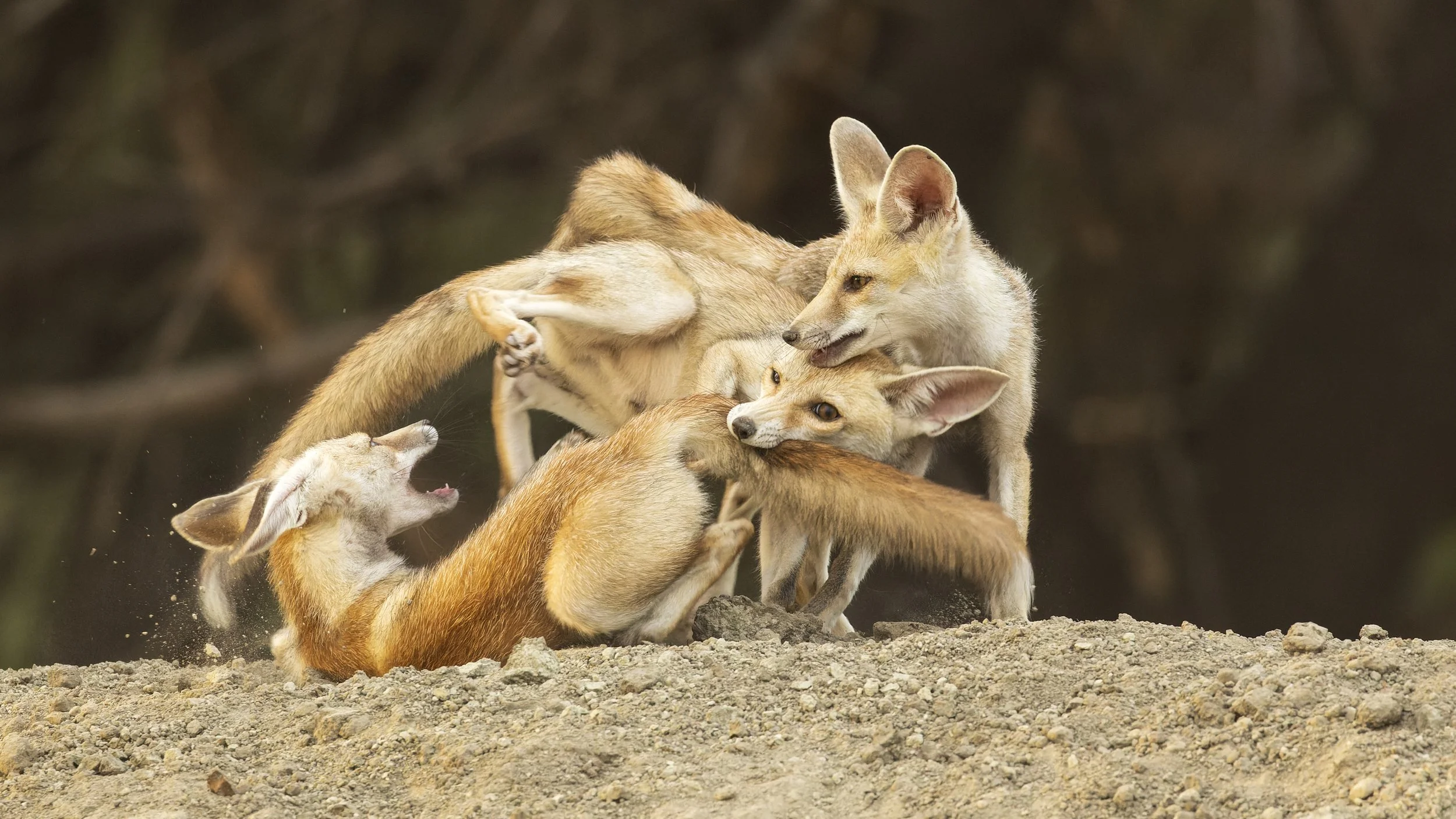
Desert fox pups playing
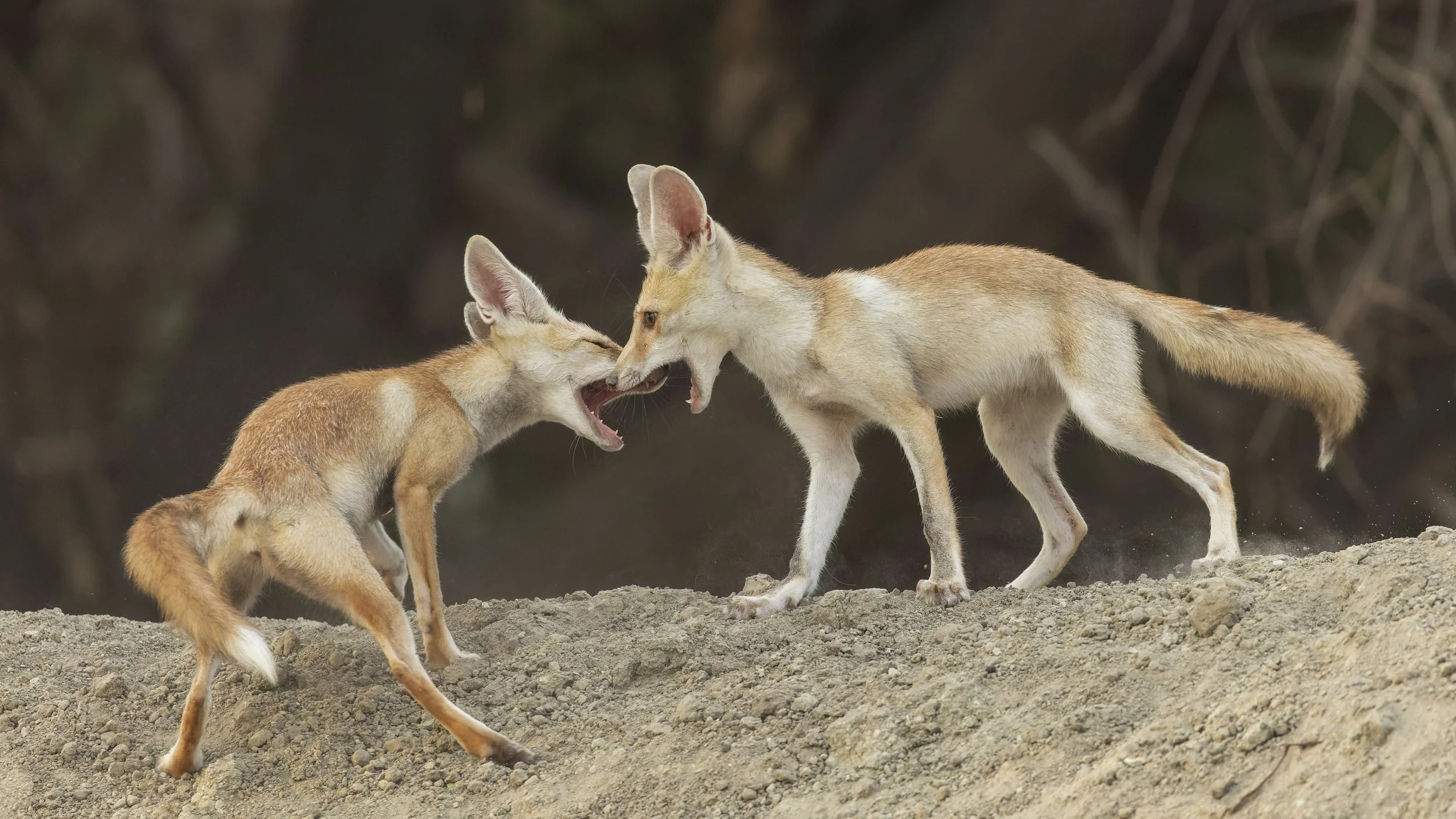
Desert fox pups playing
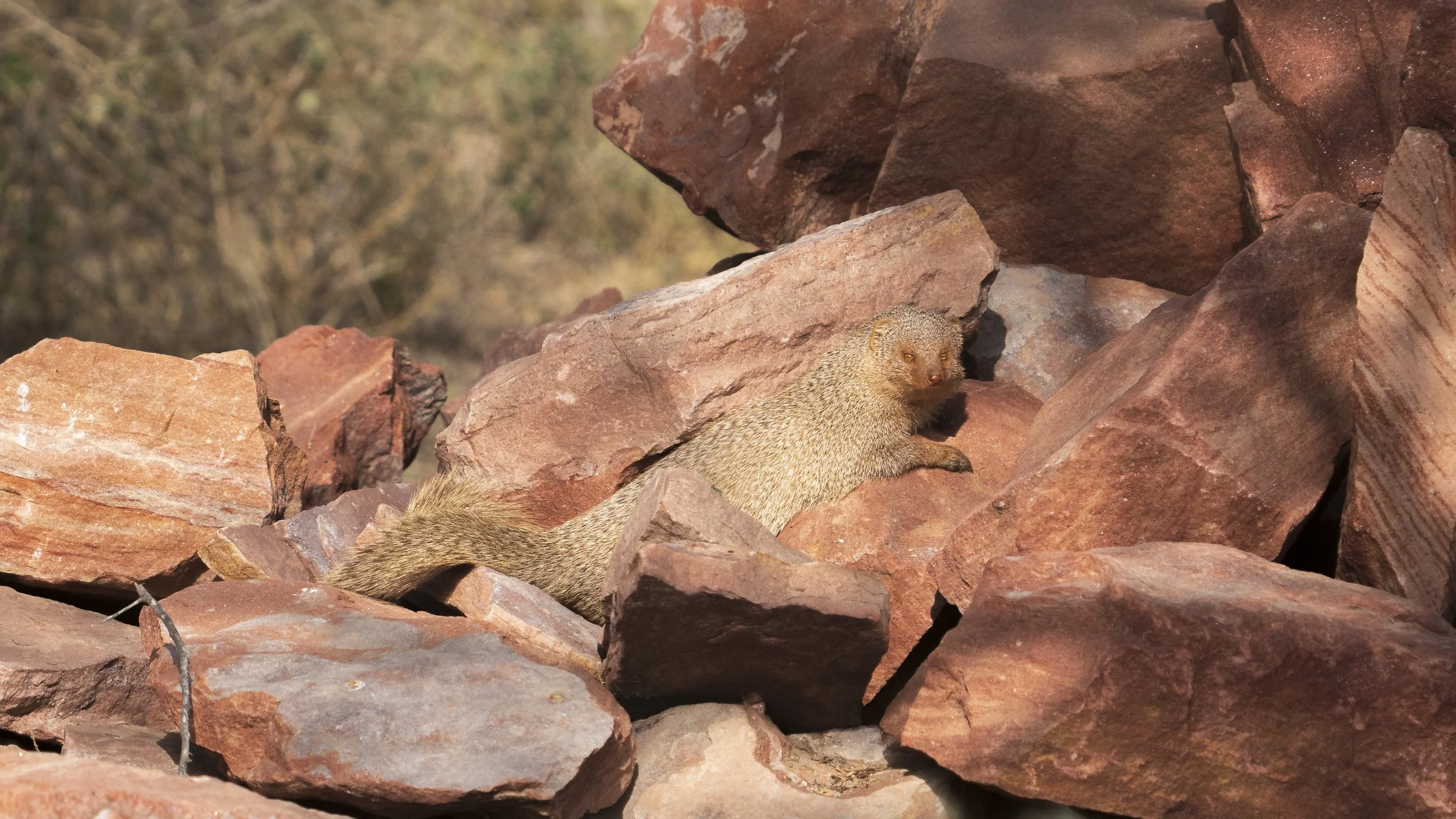
Indian grey mongoose
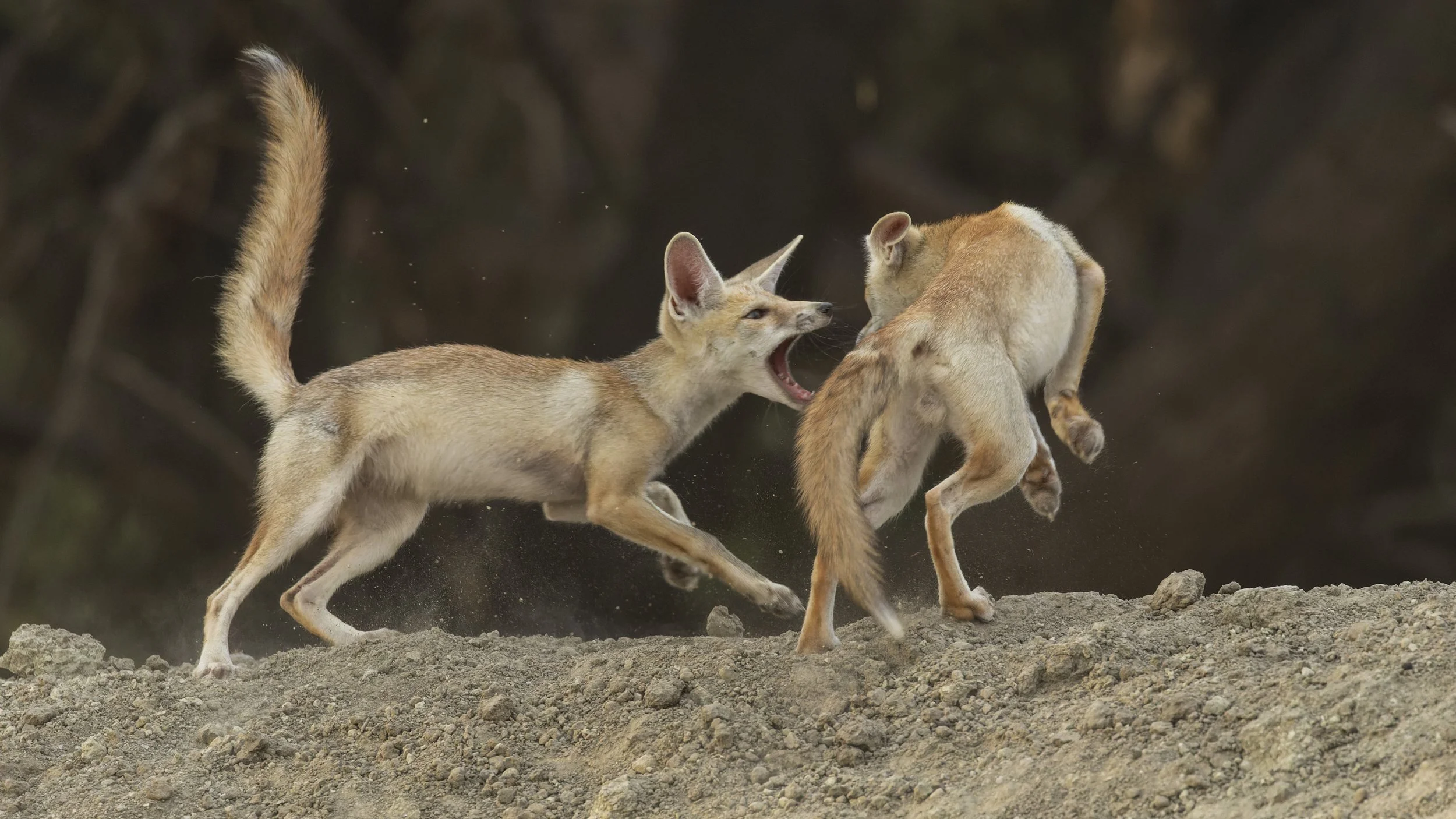
Desert fox pups playing
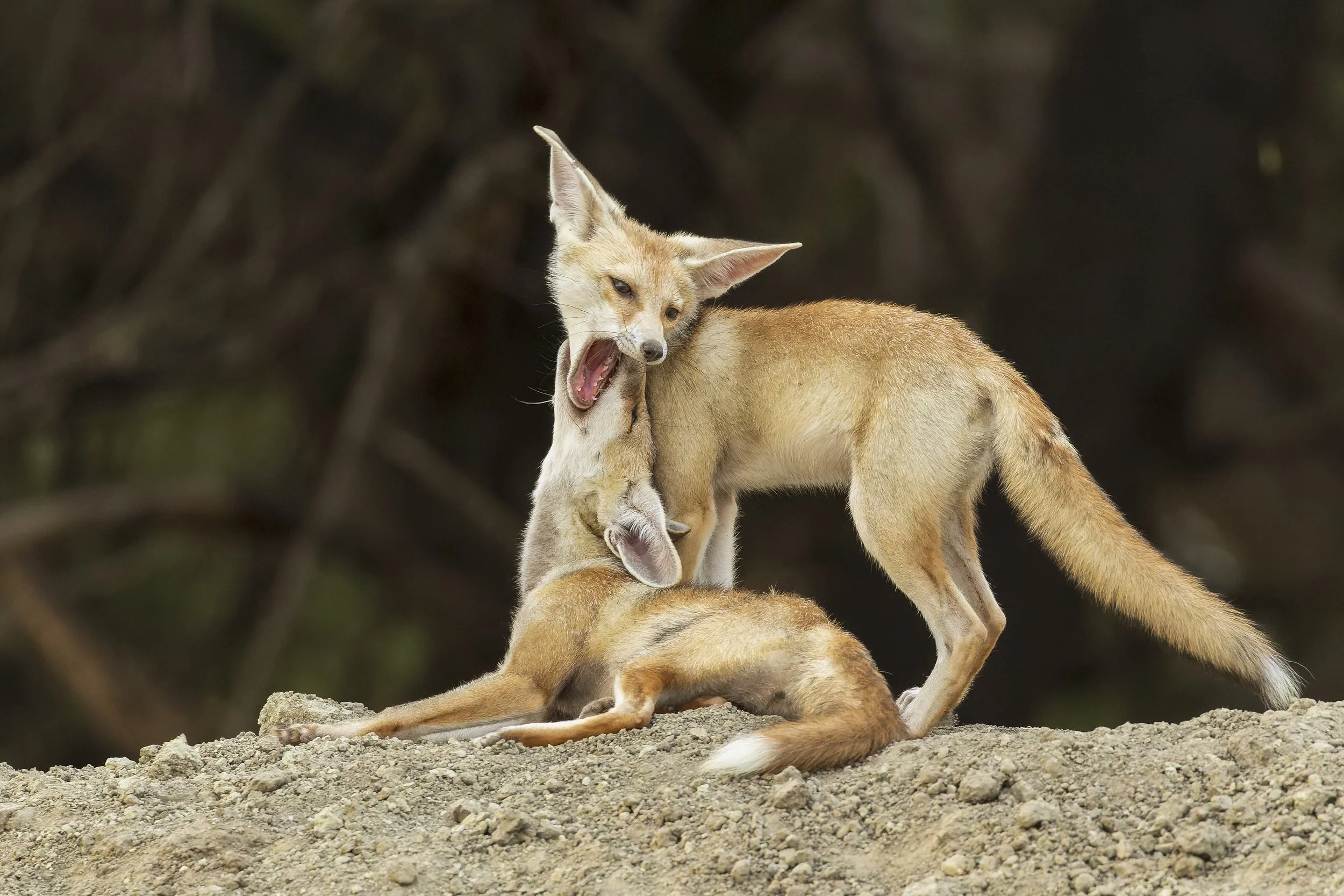
Desert fox pups playing
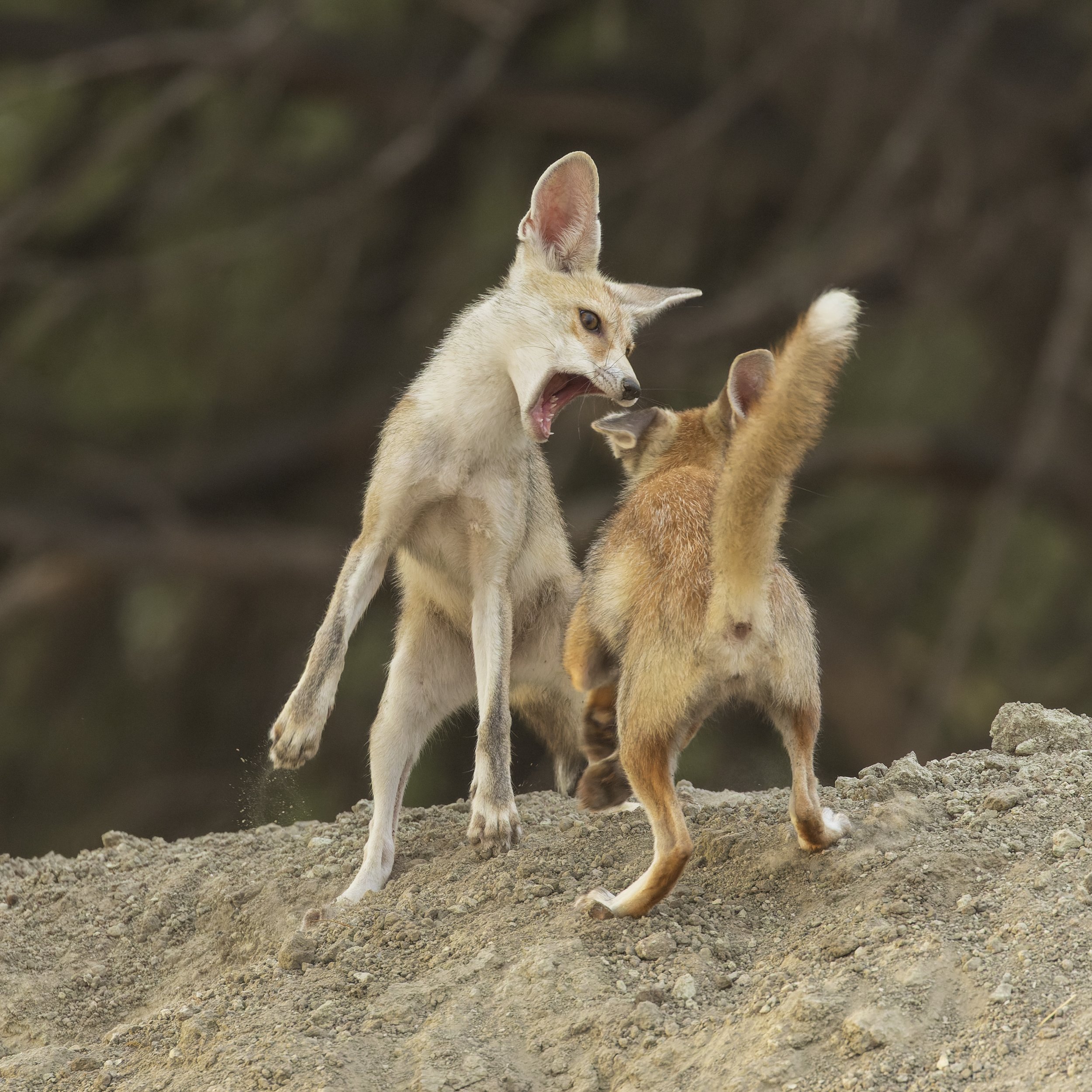
Desert fox pups playing
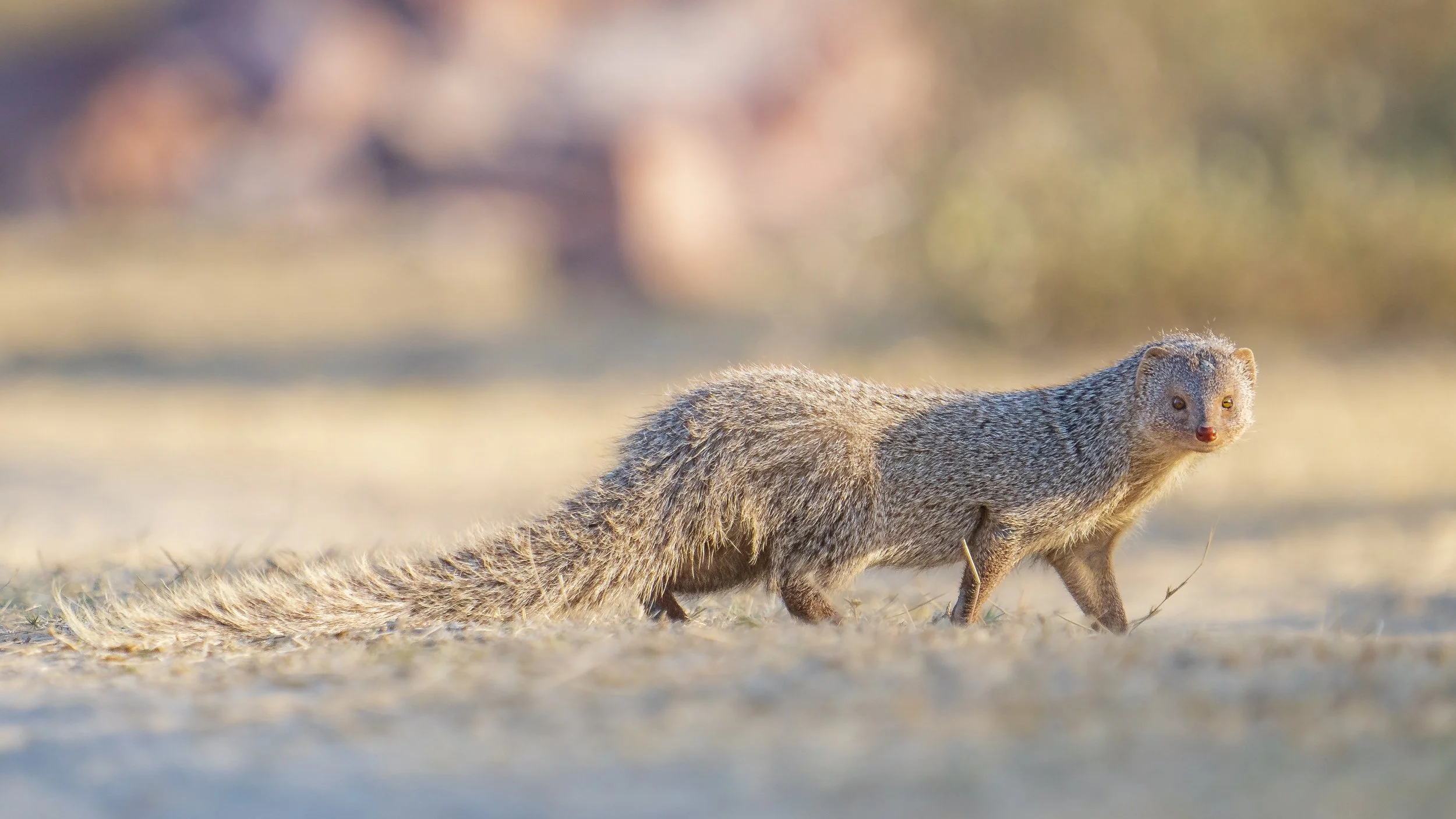
Indian grey mongoose
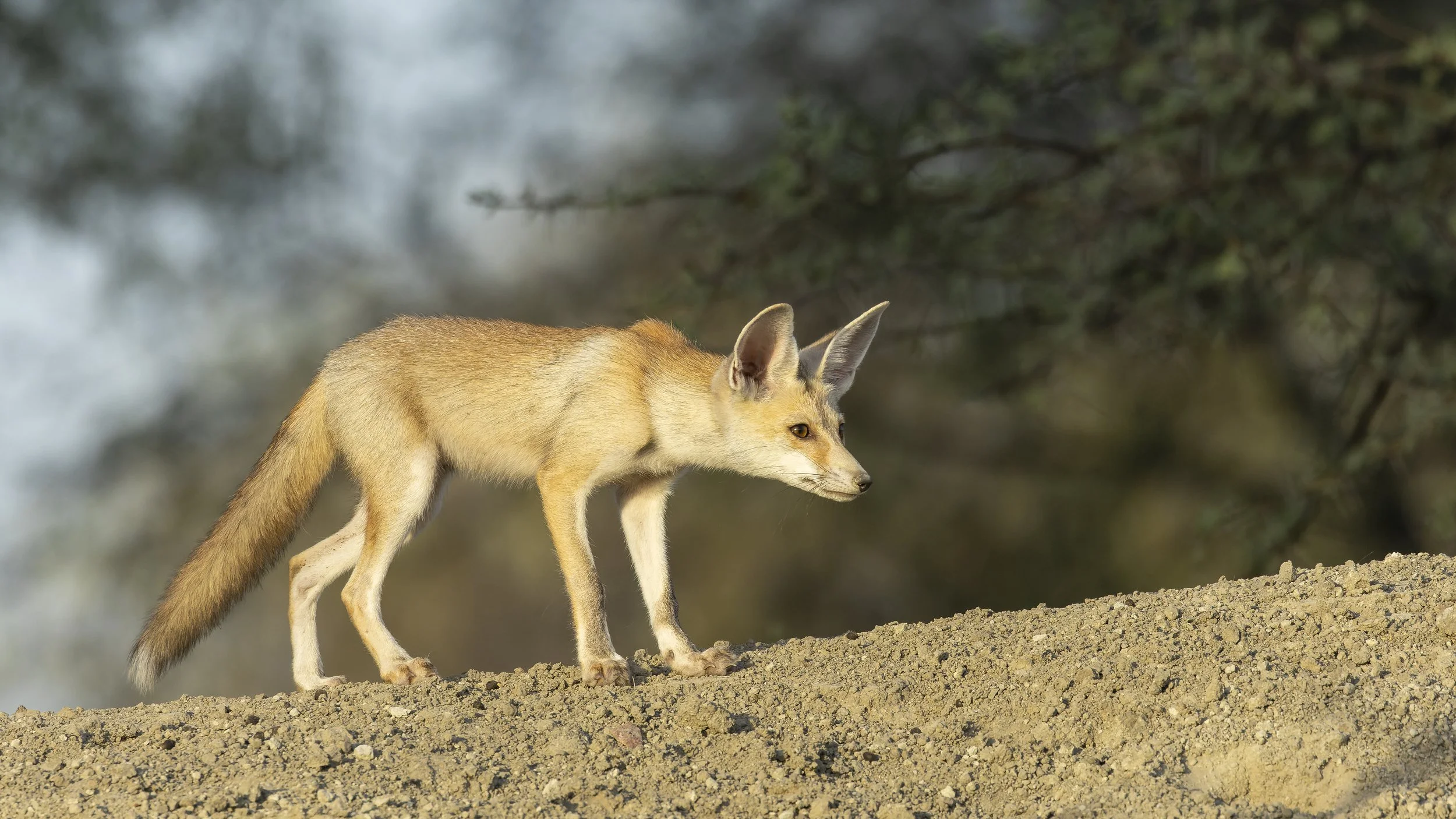
Desert fox
Winter Migration
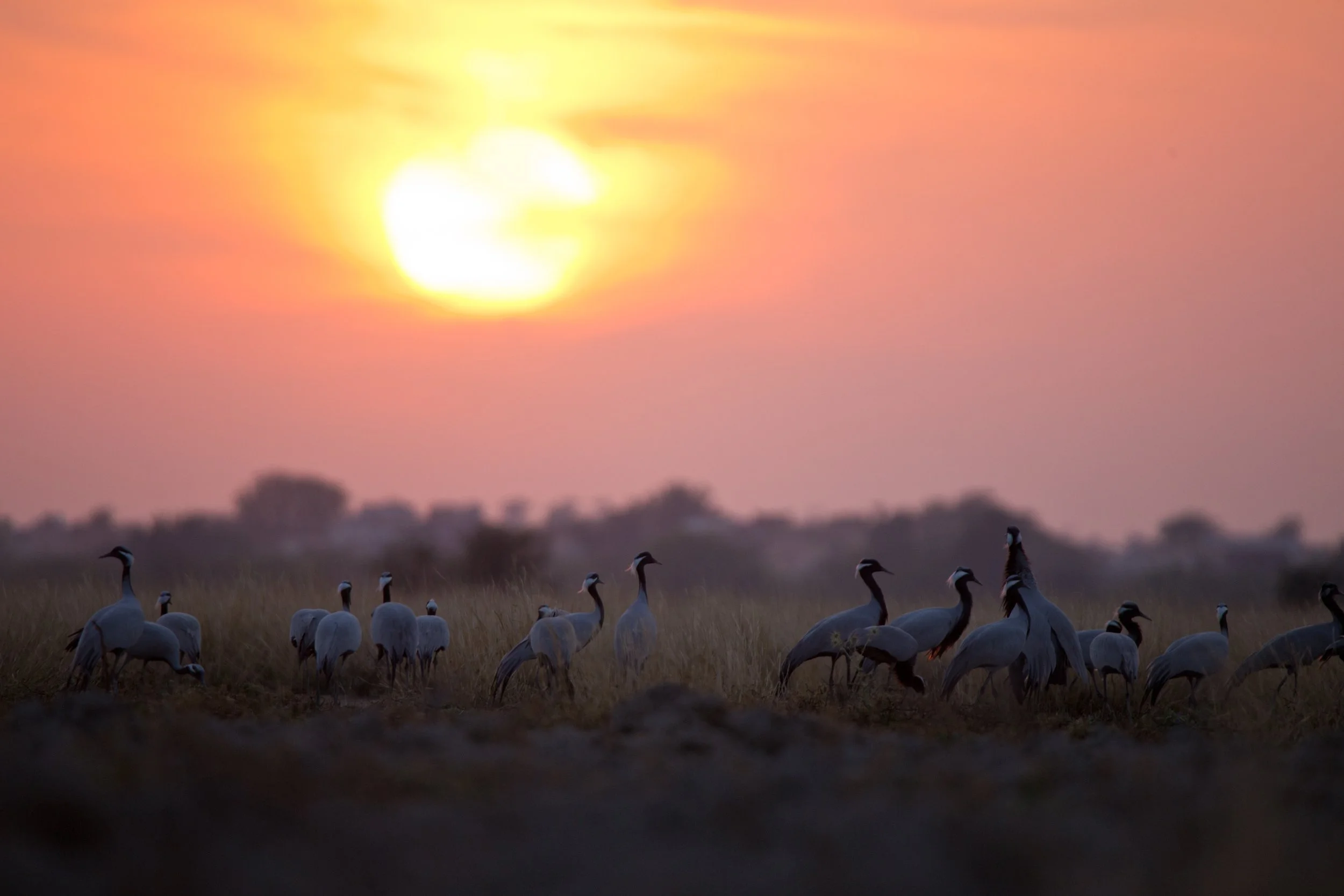
Winter attracts a number of migratory birds, such as these Demoiselle Cranes. Some birds spend the entire winter here, while others spend only a part of the season in Chhapar before heading out to other parts of the country. Apart from a number of larks, pipits, warblers and flycatchers that migrate to Chhapar in winter, several species of waders, ducks and geese also flock around the waterbodies here.
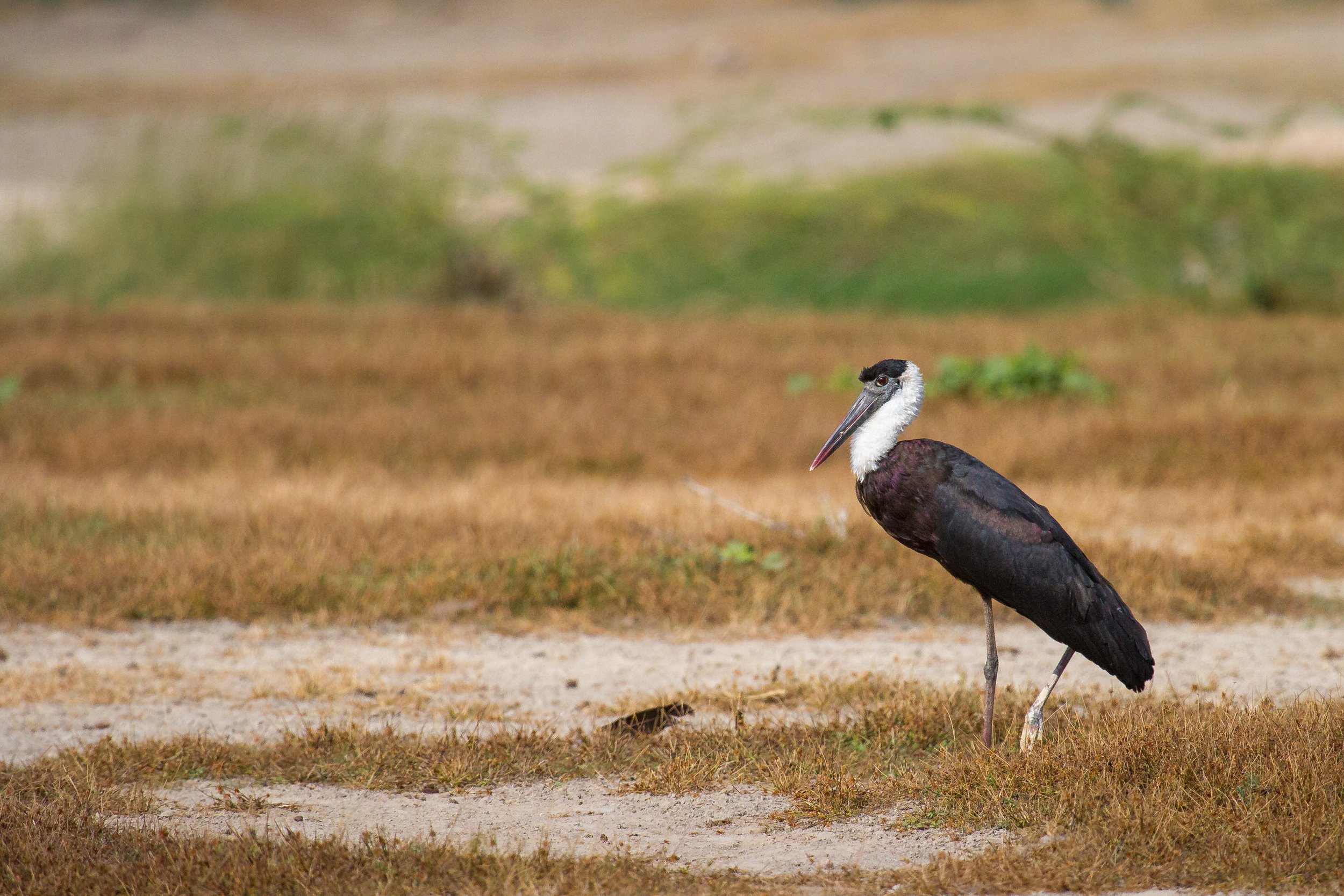
Woolly-necked crane
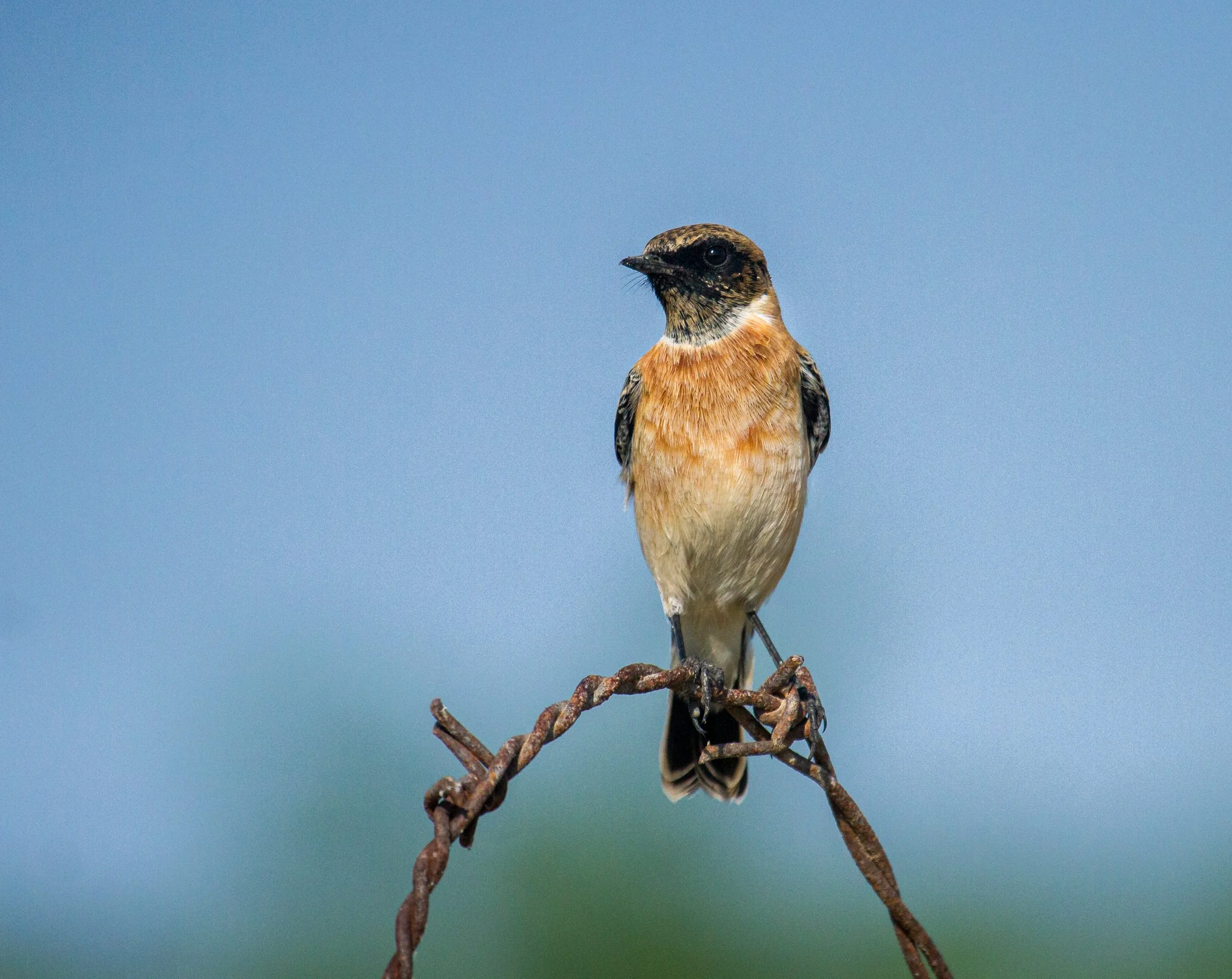
Siberian stonechat
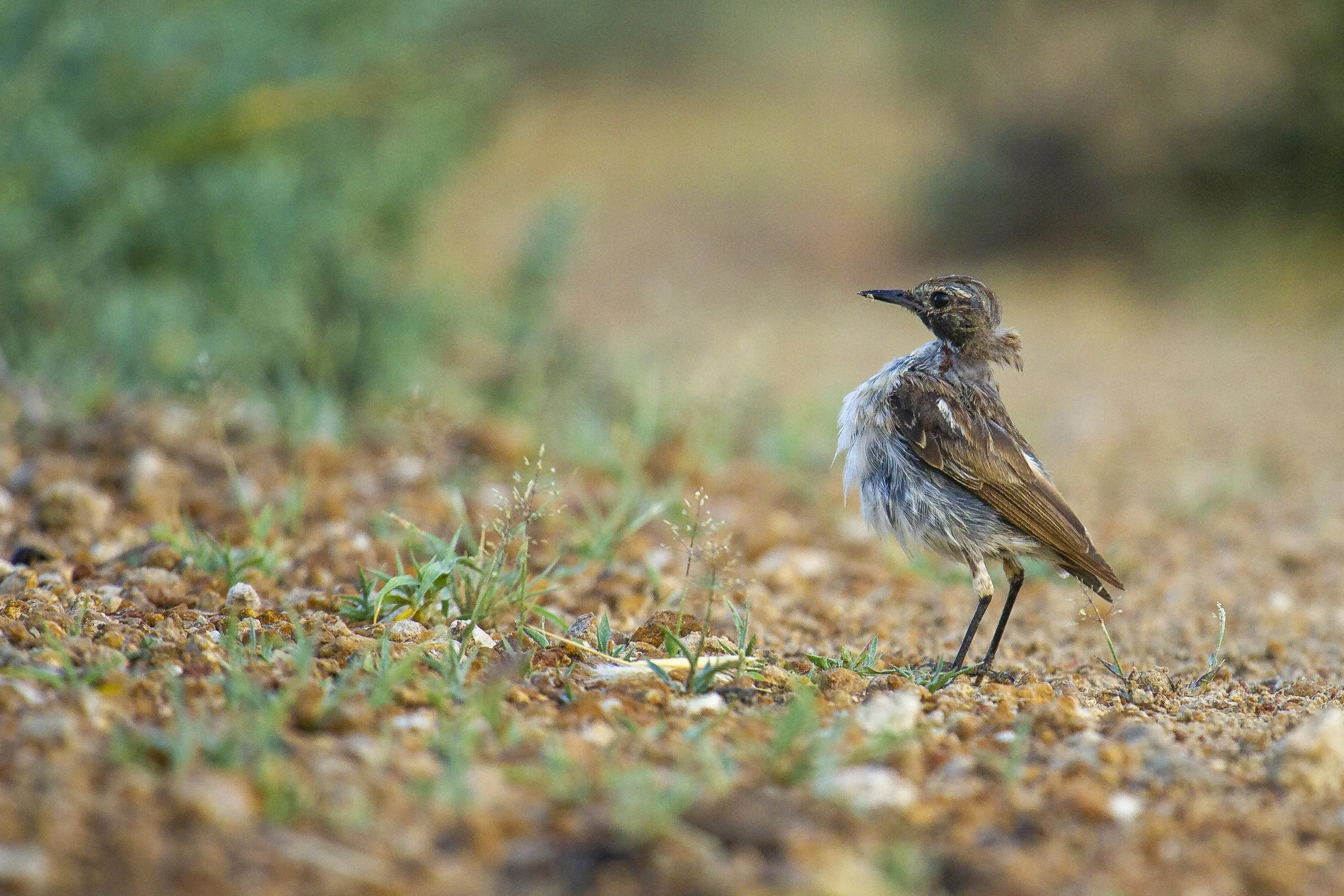
Stolickza's bushchat
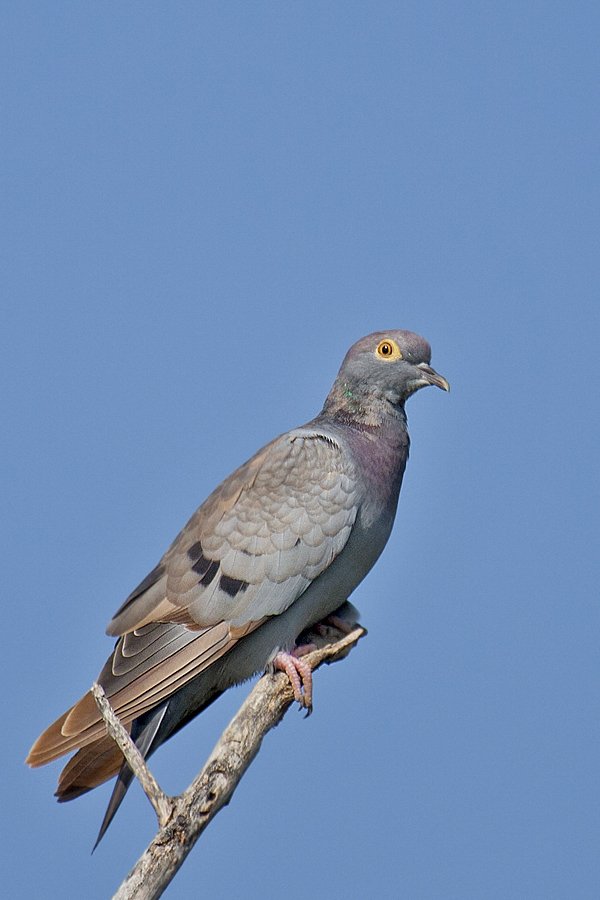
Yellow-eyed pigeon
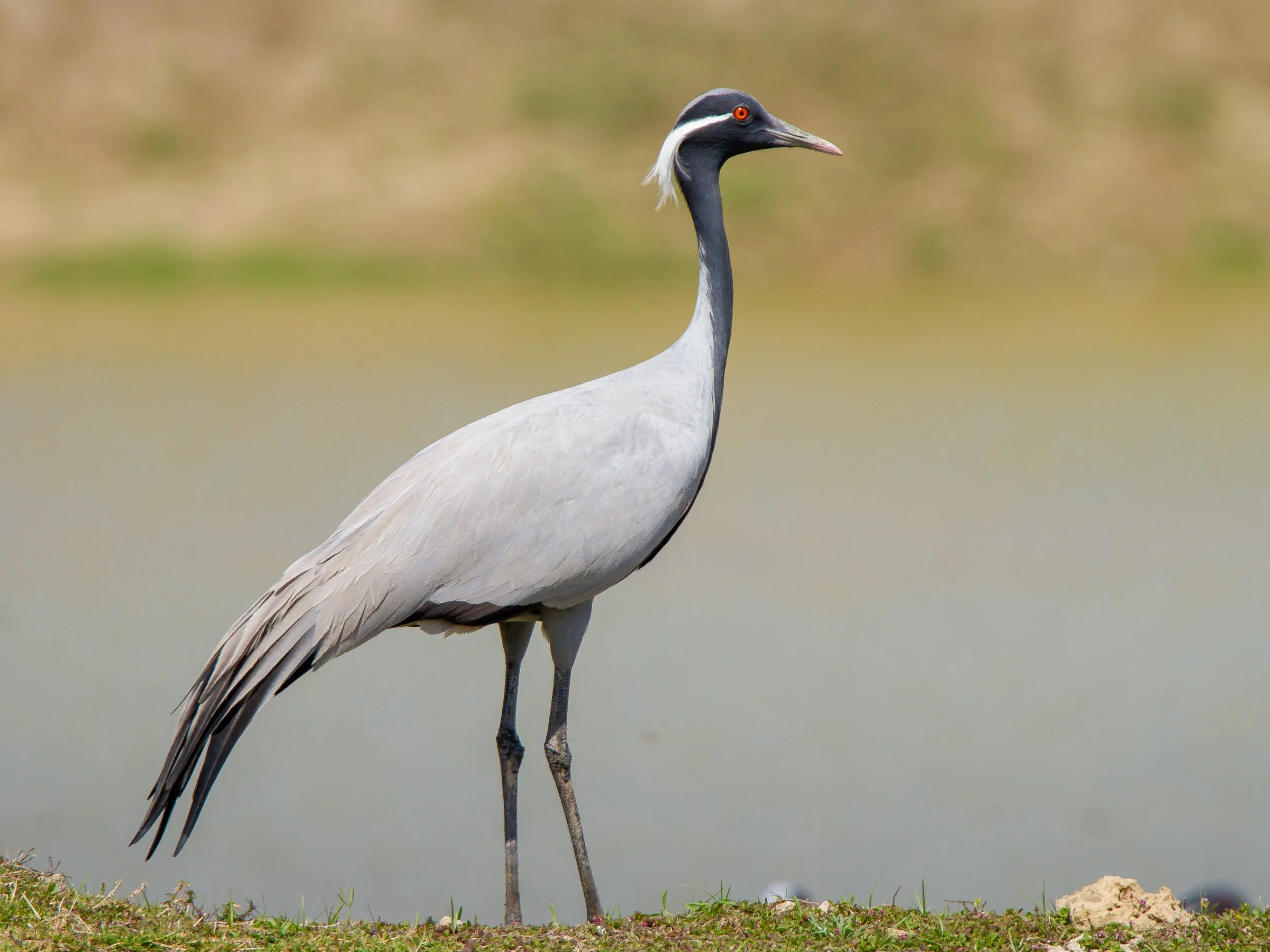
Demoiselle crane
My personal favourite
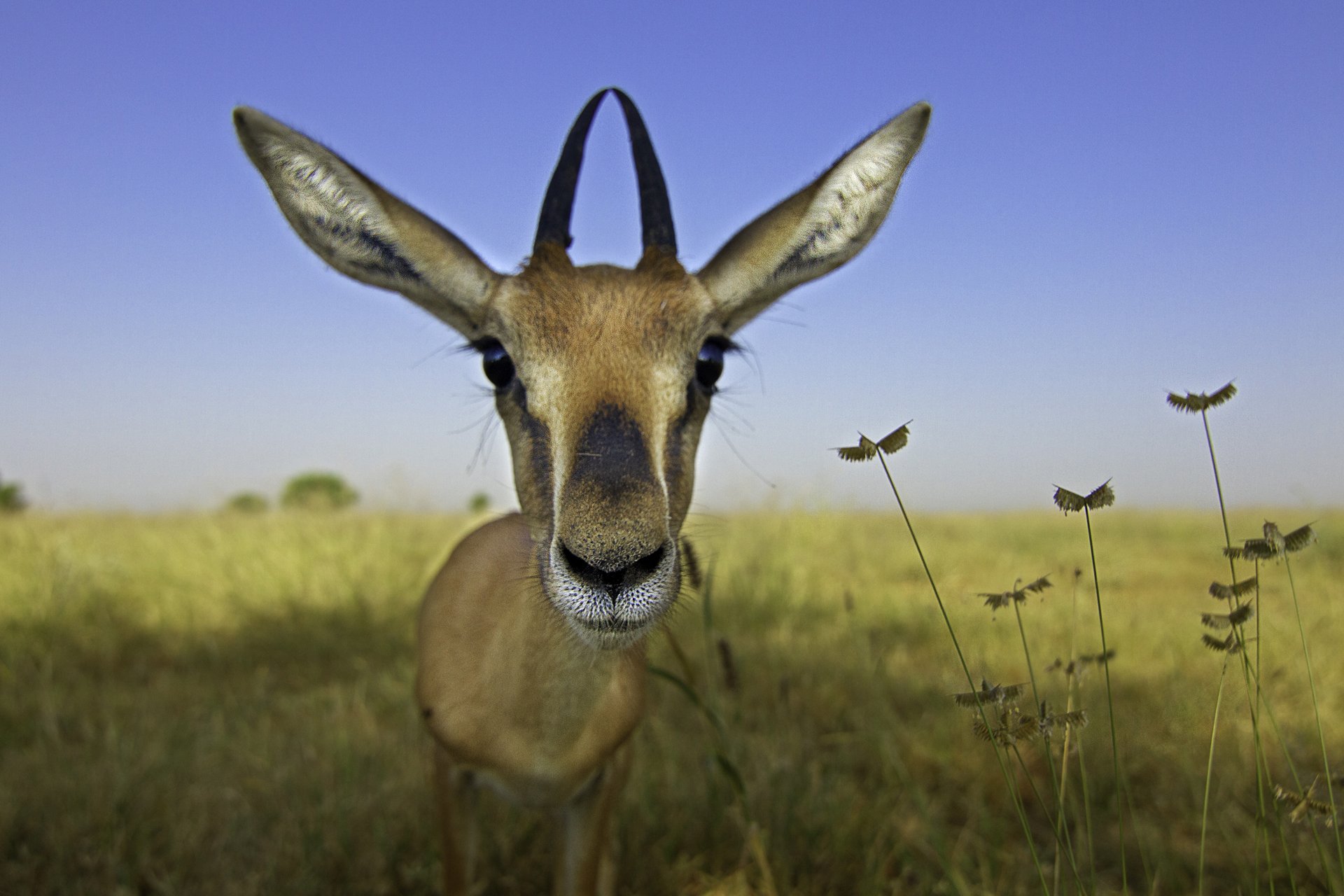
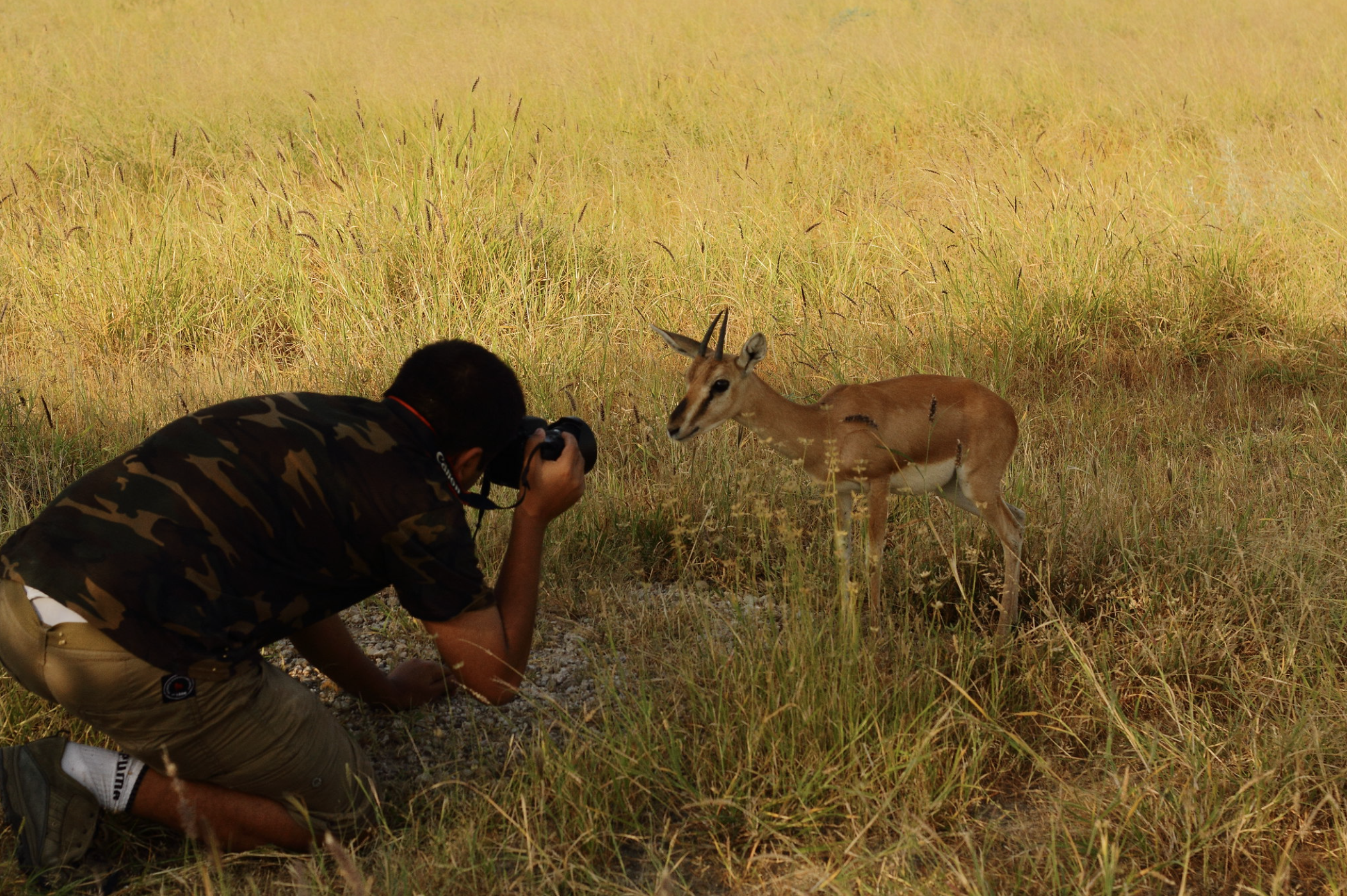
I’ve been to Chhappar over a hundred times. My favourite memory is from my very first visit, when this Indian gazelle walked right up to me. It was curious, probably about the shutter sound. Probably about a creature it hadn’t seen before. Probably about its own reflection on the lens.
I’m not sure what made the gazelle walk up to me, but I’m so happy it did. And I’m happy with the image I’ve made. Since then, I’ve squatted with a wide-angle lens near Indian gazelle herds many times, but haven’t had the luck.
I’m glad my friend Vineet photographed me taking this photo—it gives you a sense of how close the gazelle was.
Back from the brink
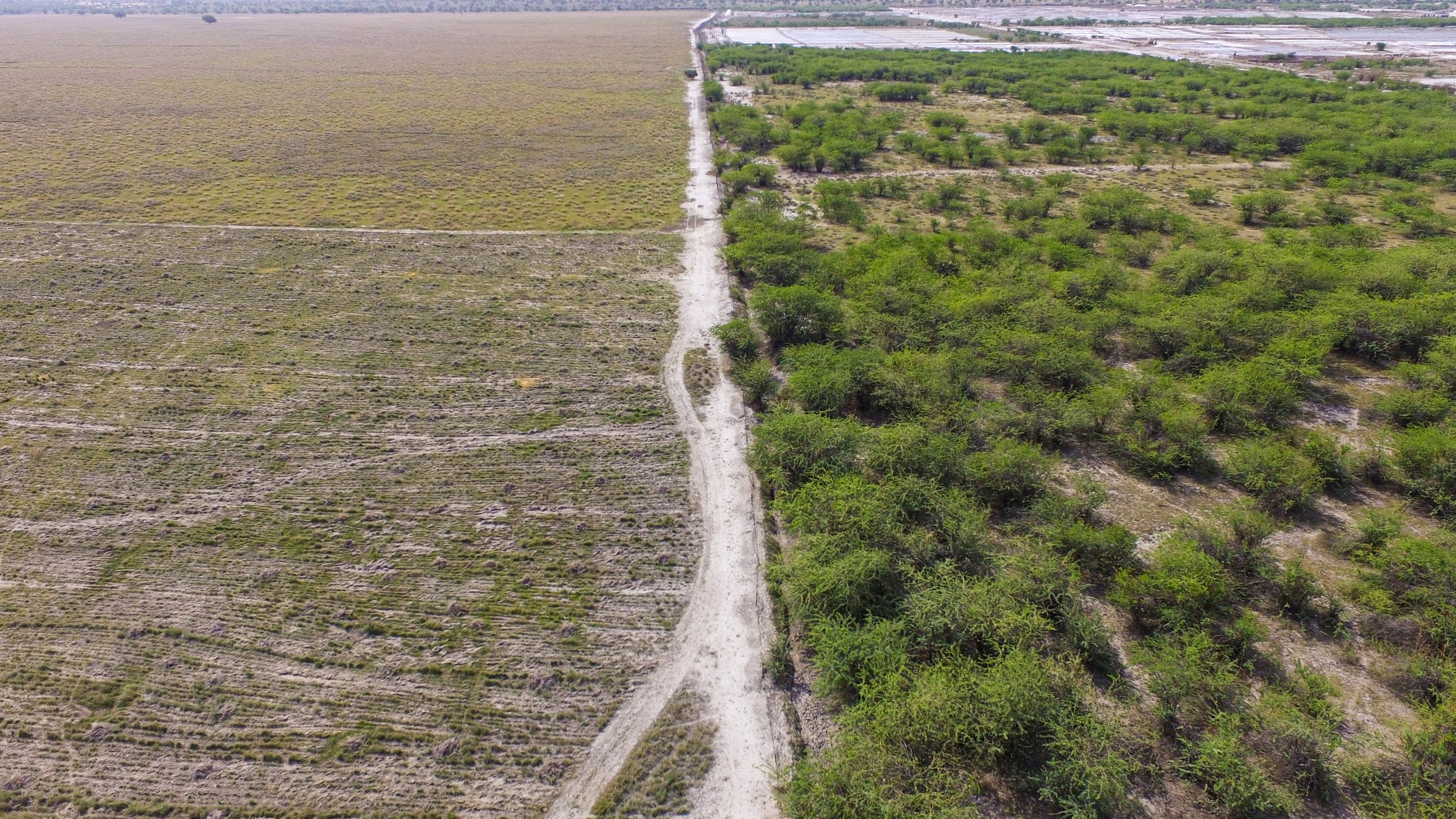
Not that we’re spoilt for choice in this category, but Tal Chhappar is also one of my favourite nature revival stories. Back in 2006, theblackbuck population was dwindling and alarm bells had started to ring. At the time, the Forest Department put together a plan to bring in cattle feed for the blackbucks, A large part of the problem at Tal Chhapar was the presence of an invasive shrub, Propsopis juliflora, that occupied a large part of the park. The problems associated with it are numerous: it allows few native plant species to flourish in its vicinity, it isn’t a source of food, it does not make the best home for nesting birds, and most importantly, it draws up more water from the ground than other native plants in India. It also spreads very fast.
This image shows how an invasive species can completely take over a grassland. The area on the right belongs to the protected area that is cared for. To the left is the area that is untended. The stark difference makes me wonder what might have become of Tal Chhapar if it wasn’t for the timely intervention of the forest official back then, Mr Surat Singh Poonia.
The tal, being low-lying, has a number of natural ponds that serve as a water source for most of the year. The park was also contoured to bring water back to these ponds, and a number of artificial ponds were also built. When the water and the grass came back, wildlife did too. And how.